
Hiking Fat Burn Calculator
For best results, aim for 4-6 hikes weekly at 60-90 minutes each with elevation gain. Combine with proper nutrition and sleep to maximize fat loss.
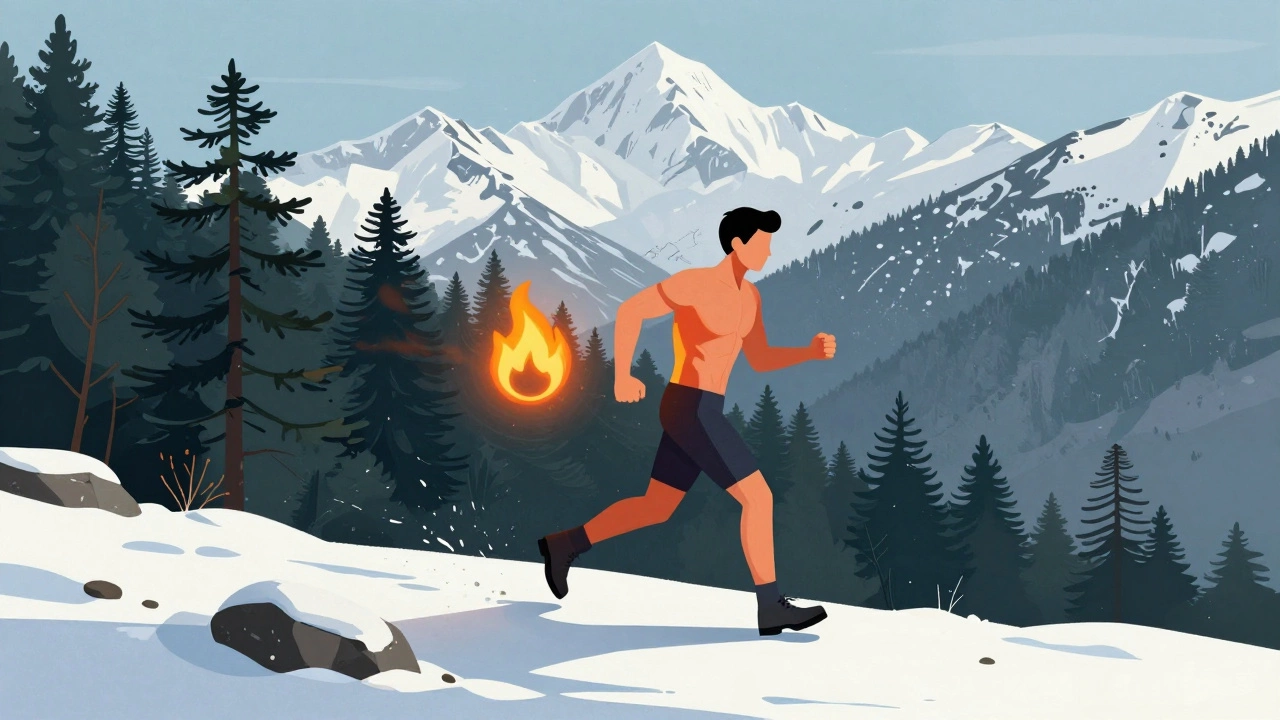
If you’ve ever laced up your boots for a mountain trail in India and wondered if all that uphill climbing is actually melting your belly fat, you’re not alone. Hiking isn’t just a way to see beautiful places-it’s one of the most effective, natural ways to burn fat, including stubborn belly fat. But it’s not magic. It’s science. And it works best when you know how to use it.
How Hiking Burns Fat, Not Just Calories
Hiking burns more than just calories. It fires up your entire body in a way that sitting on a treadmill doesn’t. When you hike, you’re not just walking-you’re climbing, balancing, shifting your weight, and engaging muscles you didn’t know you had. Your core, glutes, quads, calves, and even your arms are working together to keep you stable on uneven ground. This isn’t just cardio-it’s functional strength training in motion.
Studies show that moderate-intensity aerobic activity like hiking can reduce visceral fat-the dangerous fat that wraps around your organs and contributes to belly bulge. A 2021 study in the Journal of Sports Science & Medicine found that participants who hiked 5-7 kilometers daily, five days a week, lost an average of 2.3% body fat over 12 weeks, with the most noticeable changes in their midsection. That’s not because hiking targets belly fat directly (no exercise does), but because it creates a calorie deficit and boosts metabolism in a sustainable way.
Why Hiking Beats the Gym for Belly Fat
Most people think crunches will get rid of belly fat. They won’t. Spot reduction is a myth. You can’t pick where you lose fat. What you can do is create the right conditions for your body to burn fat overall-and hiking does that better than most machines.
Here’s why:
- Longer duration = more fat burned: Hiking for 90 minutes at a steady pace keeps your heart rate in the fat-burning zone (60-70% of max heart rate), where your body uses fat as its main fuel source. On a treadmill, most people go too hard, too fast, and burn mostly sugar.
- More muscle activation: Hills, rocks, roots, and uneven trails force your stabilizer muscles to work. Your abs and obliques are constantly engaged just to keep you upright. That’s 90 minutes of involuntary core training.
- Lower stress = less cortisol: Chronic stress raises cortisol, a hormone that stores fat around your midsection. Hiking in nature lowers cortisol levels. A 2019 study from Stanford University showed that people who walked in nature for 90 minutes had reduced activity in the brain region linked to rumination and stress.
Combine those factors, and hiking becomes a full-body fat-burning tool-not just a walk in the woods.
How Much Hiking Do You Need to See Results?
You don’t need to climb Everest to lose belly fat. But you do need consistency.
Here’s what works based on real-world results:
- Minimum effective dose: 3-4 hikes per week, 60-90 minutes each, at a brisk pace (you should be able to talk but not sing).
- Optimal results: 5-6 hikes per week, with at least one long hike (over 10 km) on the weekend. Add elevation gain-climbing 300+ meters in a single hike boosts calorie burn by 40-60% compared to flat terrain.
- Speed matters: A 70 kg person burns about 440 calories per hour hiking on flat ground. On steep trails with a backpack, that jumps to 600-700 calories per hour.
One hiker from Rishikesh lost 7 kg in 5 months by hiking the Har Ki Dun trail twice a week and walking 5 km daily in town. He didn’t change his diet at first-just moved more. The belly fat went first.
The Best Trekking Trails in India for Fat Loss
Not all trails are created equal when it comes to burning fat. You want elevation, length, and terrain that forces your body to work harder.
Here are the top 5 trekking routes in India that deliver serious fat-burning results:
- Hampta Pass (Himachal Pradesh): 54 km round trip, 4,270 meters peak. Constant uphill climbs, rocky paths, and thin air make this a metabolic powerhouse.
- Kuari Pass (Uttarakhand): 3-4 days, 50+ km, steep ascents through snow and forest. Great for building endurance and burning fat.
- Valley of Flowers (Uttarakhand): 12-14 km round trip with 1,000+ meters of elevation. Moderate intensity, perfect for daily hikes.
- Sandakphu (West Bengal): 50+ km over 4 days, crossing 3,600-meter peaks. The altitude forces your body to work harder, burning more fat even at rest.
- Periyar Trek (Kerala): Jungle trails with steep climbs, humidity, and uneven roots. Builds core strength and burns calories fast.
These aren’t just scenic walks-they’re full-body workouts disguised as adventures. Choose one that matches your fitness level and stick with it.
What You Should Eat (and Not Eat) While Hiking for Fat Loss
Hiking alone won’t melt belly fat if you’re refueling with junk. Your body needs fuel to recover and burn fat efficiently.
Here’s what to eat:
- Before hiking: Oats with nuts and banana, or whole wheat toast with peanut butter. Carbs + healthy fats give you steady energy.
- During hiking: Dried fruit, nuts, dark chocolate (70%+), or boiled eggs. Avoid sugary energy bars-they spike and crash your blood sugar.
- After hiking: Protein-rich meal within 45 minutes-chicken, lentils, paneer, or tofu with veggies. This helps repair muscle and keeps your metabolism high.
Avoid: Sugary drinks, fried snacks, white bread, and processed snacks. These undo the fat-burning benefits of your hike. A single sugary drink can add 200+ calories-and your body stores those as belly fat if you’re not burning them off.
Real Results: Stories from the Trails
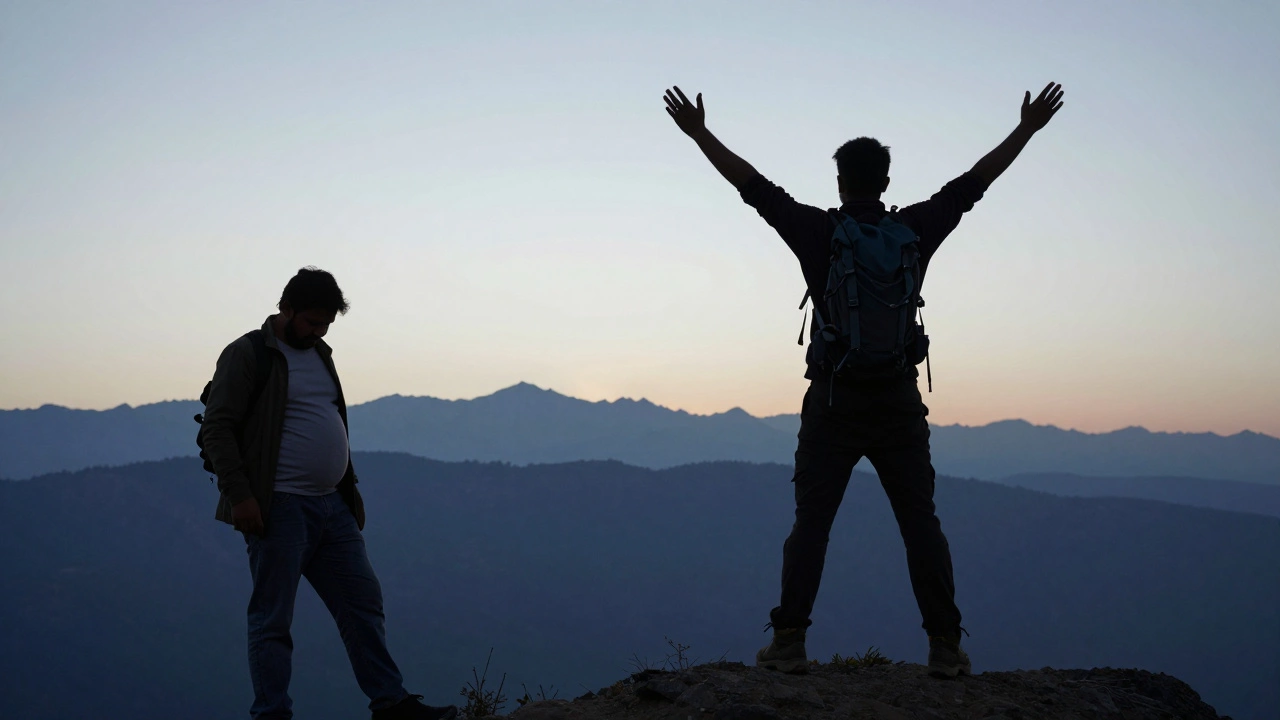
Sarah, a 38-year-old teacher from Bangalore, started hiking the Agumbe Ghat trail every Sunday after her doctor told her her waist size was in the danger zone. She didn’t diet. She just walked. After 6 months, she lost 9 kg. Her waist dropped from 38 inches to 31 inches. She says, “I didn’t feel like I was on a diet. I felt like I was exploring.”
Raj, a 42-year-old IT professional from Pune, swapped his evening gym sessions for weekend treks in the Western Ghats. He lost 11 kg in 7 months. His triglycerides dropped by 40%. His doctor said, “You’ve reversed your metabolic risk without medication.”
These aren’t outliers. They’re people who used hiking the right way-consistently, naturally, without obsession.
Common Mistakes That Stop People From Losing Belly Fat While Hiking
Many people hike for months and see no change. Here’s why:
- Hiking too easy: If you’re not breaking a sweat or feeling your heart pump, you’re not in the fat-burning zone.
- Only hiking on weekends: One long hike a week isn’t enough. Fat loss needs consistency.
- Drinking sugary recovery drinks: “Replenish!” they say. But most sports drinks are sugar water.
- Thinking hiking replaces food: You can’t eat a full plate of biryani and expect a 10 km hike to cancel it out. Calorie balance still matters.
- Ignoring sleep and stress: Poor sleep raises cortisol. High stress = belly fat storage. Hiking helps, but it’s not a magic shield.
The key? Move more, eat clean, sleep well, and let your body do the rest.
Final Answer: Yes, Hiking Burns Belly Fat-If You Do It Right
Hiking doesn’t magically target belly fat. But it’s one of the most effective ways to lose it-because it burns calories, builds muscle, reduces stress, and keeps you coming back. Unlike gym routines that feel like chores, hiking feels like freedom. You get fresh air, stunning views, and real results.
Start small. Pick a trail near you. Walk it once a week. Add another. Increase the distance. Climb higher. Eat real food. Sleep well. And don’t overthink it.
The mountains aren’t waiting for you to be perfect. They’re waiting for you to show up.
Can you lose belly fat just by hiking?
Yes, but not by hiking alone. You need to combine regular hiking with a balanced diet and enough sleep. Hiking creates a calorie deficit and lowers stress hormones, which helps your body burn stored fat-including belly fat. But if you eat high-sugar, high-fat foods daily, you’ll offset the benefits.
How many times a week should I hike to lose belly fat?
Aim for 4-6 hikes per week, each lasting 60-90 minutes. Include at least one longer hike (over 10 km) with elevation gain. Consistency matters more than intensity. Even a 30-minute daily walk on uneven terrain can help if done regularly.
Is hiking better than running for belly fat?
Hiking can be better for fat loss than running because it’s lower impact and keeps your heart rate in the fat-burning zone longer. Running often pushes you into higher intensity, where you burn mostly sugar. Hiking on hills or uneven terrain engages more muscles, burns more calories per hour, and reduces stress-making it more sustainable and effective for long-term fat loss.
Do I need to carry a backpack to burn more fat?
Carrying a light backpack (2-4 kg) increases calorie burn by 15-25% and engages your core and upper body more. But it’s not required. The key is terrain-steep, uneven trails burn more fat than flat paths, even without a pack.
How long until I see results from hiking for belly fat?
Most people notice changes in their waistline after 4-6 weeks of consistent hiking (4+ times a week). Visible fat loss usually happens between 8-12 weeks. The rate depends on your starting point, diet, and sleep. Don’t wait for the scale-measure your waist. It’s a better indicator.