Trek Recommendation Calculator
Choose Your Trek Preferences
Enter your preferences above to get personalized trek recommendations
India offers some of the most diverse trekking routes in the world, from the snow-capped peaks of the Himalayasa mountain range spanning northern India to the lush greenery of the Western Ghatsa UNESCO World Heritage Site in southern India. But for first-time trekkers, knowing where to start can be overwhelming. This guide breaks down exactly how to begin beginner trekking India safely and enjoyably.
Choose a Beginner-Friendly Trek
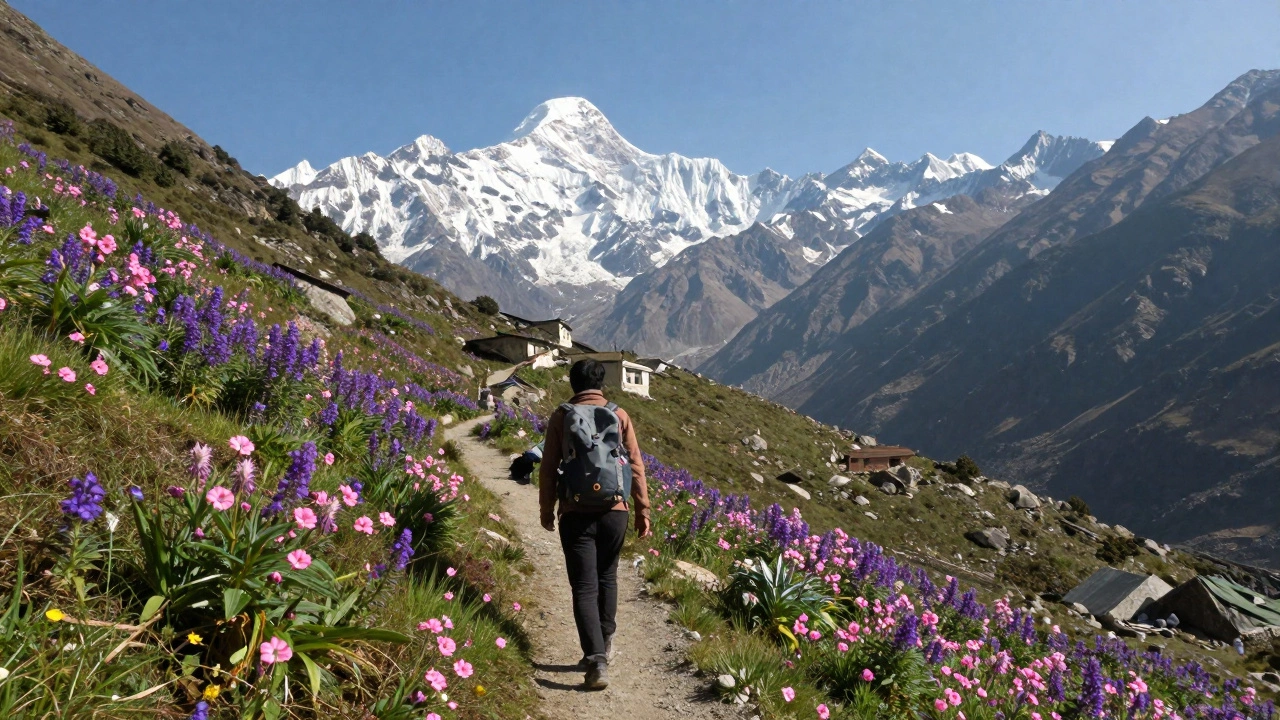
Not all treks are created equal. Start with routes that match your fitness level and experience. The Valley of Flowers National Parka UNESCO World Heritage Site in Uttarakhand is perfect for beginners. This 12 km round-trip trek takes 6-8 hours and features vibrant wildflowers (best seen July-August). The trail starts at Govindghat and ends at the valley entrance. Permits cost ₹100 per person and can be applied for online at uttarakhandtourism.gov.in.
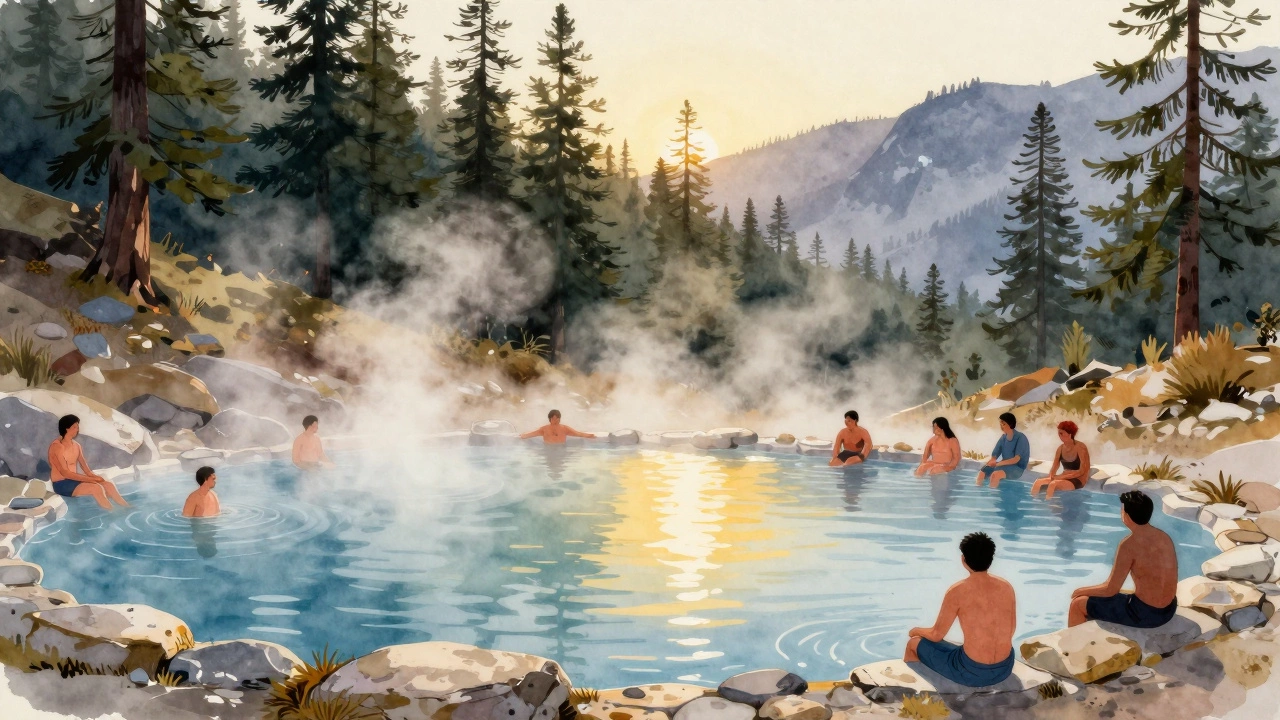
Another great option is the Kheergangaa 12 km trek in Himachal Pradesh trek. It’s a moderate 2-day hike with hot natural springs at the summit. The route begins at Barshini and takes you through pine forests. No permits are needed, but you’ll need to pay a small entry fee at the checkpoint. IndiaHikes, a leading trekking operator, reports that 70% of first-time trekkers choose routes like these for their first adventure.
Essential Gear Checklist
You don’t need expensive gear to start trekking. Focus on quality basics:
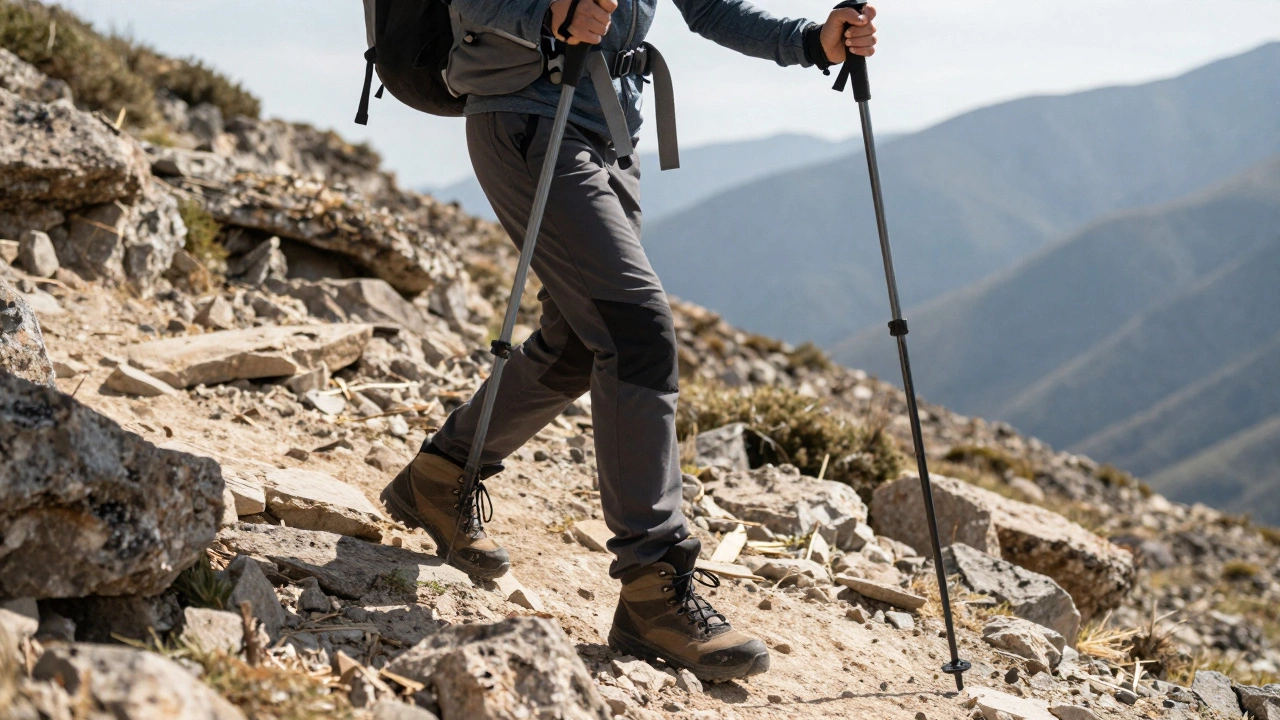
- Trekking boots: Look for waterproof, ankle-supporting models like Quechua NH500 or Columbia Bugaboo. Break them in 2 weeks before your trek to avoid blisters.
- Moisture-wicking clothes: Avoid cotton. Opt for synthetic or merino wool layers. Pack a lightweight rain jacket.
- Trekking poles: Reduce knee strain on descents. Adjustable poles like Black Diamond Trail Ergo are ideal.
- Backpack: 20-30 liters for day treks. Ensure it has padded straps and a hip belt.
- Headlamp: Essential for early starts or emergencies. Carry extra batteries.
Most gear can be rented in trekking hubs like Manali or Leh. For example, a quality pair of trekking boots costs ₹500-₹800 per day in Manali.
Physical Preparation
You don’t need to be an athlete, but basic fitness matters. Start training 4-6 weeks before your trek:
- Walk 5-6 km daily on uneven terrain. Use hills or stairs to simulate elevation gain.
- Do squats and lunges 3 times a week to strengthen legs.
- Carry a 5-7 kg backpack during walks to build endurance.
- Practice hiking for 4-6 hours straight on weekends to build stamina.
According to the Indian Mountaineering FoundationIndia’s official mountaineering body, most beginner treks require moderate fitness. If you can walk 10 km without stopping, you’re ready.
Find a Reliable Guide or Group
Going solo on your first trek is risky. Opt for guided trips with certified operators:
- Check IndiaHikesa trusted trekking company with 15+ years of experience. They offer beginner treks with trained guides and emergency protocols.
- Verify IMI (Indian Mountaineering Foundation) certification for guides. Ask for proof before booking.
- Read recent reviews on TripAdvisor or Google. Avoid operators with complaints about safety or hidden fees.
Group treks cost ₹5,000-₹15,000 for 2-3 days, including accommodation and meals. Solo trekkers must register with local authorities and carry a GPS device.
Safety and Permits
Permits and safety protocols vary by region:
- Valley of Flowers: Apply online 15 days in advance. Carry a copy of your ID and permit.
- Roopkund (Uttarakhand): Requires a permit from the Uttarakhand Forest Departmentgoverning body for forest areas in Uttarakhand. Fees are ₹500 per person.
- High-altitude treks (above 3,500m): Acclimatize for 2 days before ascending. Symptoms of altitude sicknessa condition caused by low oxygen at high elevations include headaches, nausea, and dizziness. Descend immediately if symptoms worsen.
- Carry a basic first-aid kit with Diamox (acetazolamide) for altitude sickness prevention. Consult a doctor before taking it.
What to Expect on the Trail
A typical day starts at 5:30 AM with tea and breakfast. You’ll trek 4-6 hours with a lunch break at noon. Campsites or teahouses provide simple meals like dal-rice or noodles. Nights are cold-temperatures drop to 5°C even in summer. Pack warm layers and a sleeping bag rated for 0°C.
On the Kheergangaa 12 km trek in Himachal Pradesh trail, you’ll pass through dense forests and cross small streams. The summit has natural hot springs where you can relax. Most trekkers finish in 6-8 hours. Remember: stay hydrated, don’t litter, and respect local customs. Many villages along the route depend on tourism for income.
Post-Trek Recovery
After your trek, your body needs rest:
- Take 2-3 days off from exercise. Avoid heavy lifting or running.
- Drink 3-4 liters of water daily to rehydrate.
- Do gentle stretches for tight muscles, especially hamstrings and quads.
- Eat protein-rich foods like eggs, lentils, and chicken to repair muscle tissue.
Many first-time trekkers experience soreness for 2-3 days. If pain persists beyond a week, consult a doctor. This is normal-your body is adapting to new challenges.
Do I need a permit for Kedarkantha Trek?
Yes, the Kedarkantha Trek requires a permit from the Uttarakhand Forest Department. These can be obtained online through the official state website or via your trekking operator. Failure to obtain a permit can result in fines or being turned back from the trail.
How fit do I need to be for a beginner trek?
You should be able to walk 5-6 km daily for a week before the trek. No prior experience is needed, but regular exercise like hiking or stair climbing helps. Most beginner treks (like Valley of Flowers or Kheerganga) are designed for people with basic fitness levels.
What’s the best time to trek in India?
For Himalayan treks (like Valley of Flowers), April-June and September-October are ideal. Monsoon season (July-August) brings heavy rain but lush greenery. Winter treks (December-February) are possible in lower-altitude regions like Kedarkantha. Avoid monsoons for high-altitude routes due to landslides and trail closures.
How much does a beginner trek cost?
A 2-3 day guided trek costs ₹5,000-₹15,000, including permits, meals, and accommodation. Solo trekkers may pay less for permits but need to budget for gear rentals and transport. Avoid deals that seem too cheap-reputable operators prioritize safety over low prices.
Can I trek solo in India?
Yes, but only on well-marked routes like Kedarkantha or Valley of Flowers. Always register with local authorities and carry a GPS device. Avoid solo trekking in remote areas like Roopkund or higher Himalayan routes. Most experts recommend joining a group for your first trek for safety and support.