South India Trip Planner
Build your personalized South India travel itinerary in 3 simple steps
What's your travel style?
Select one or more themes that excite you most
Temples & History
Ancient temples, heritage sites, cultural experiences
Nature & Hills
Tea plantations, coffee estates, misty mountains
Beaches & Relaxation
Sun, sand, water sports, coastal vibes
Culture & Food
Local cuisine, markets, traditional arts
Backwaters & Houseboats
Kerala backwaters, serene waterways
Wellness & Ayurveda
Ayurvedic treatments, yoga retreats
Choose your destinations
Select regions you'd like to visit (pick at least one)
Bangalore - Mysore - Coorg Triangle
Urban life, royal palaces, coffee plantations • Best for: First-timersKerala - God's Own Country
Backwaters, tea hills, Kochi culture • Best for: Nature loversTamil Nadu - Temples & Heritage
Chennai, Mahabalipuram, Madurai • Best for: History buffsGoa - Sun, Sand & Spice
Beaches, Portuguese heritage, nightlife • Best for: Beach loversPondicherry - French Quarter
Colonial architecture, ashrams, relaxed vibe • Best for: Culture seekersSet your budget & duration
Your Personalized South India Itinerary
Budget Overview
Day-by-Day Plan
💡 Pro Tips for Your Trip
Planning a trip to South India can feel overwhelming if you don't know where to start. The region is vast, culturally rich, and offers everything from misty hill stations to bustling coastal cities. Unlike the North, which often focuses on history and grand monuments, South India travel is about experiencing living traditions, lush landscapes, and some of the friendliest people in the world. Whether you have ten days or three weeks, this guide will help you build an itinerary that balances relaxation with exploration.
Many travelers make the mistake of trying to see too much in too little time. South India is not just one destination; it's a collection of distinct states, each with its own language, cuisine, and vibe. To get the most out of your journey, you need to pick a theme or two-like temple hopping, beach relaxation, or nature trekking-and stick to it. This approach saves money, reduces stress, and lets you actually enjoy the places you visit instead of just checking them off a list.
Choosing Your Route: The Classic Triangle
The most popular way to experience South India is by following the "Golden Triangle" of the region: Bangalore, Mysore, and Coorg. This route works perfectly for first-time visitors because the infrastructure is excellent, and the distances are manageable. Start in Bangalore, the tech capital of India known for its pleasant weather and vibrant nightlife. Spend two days exploring the city's parks, visiting the historic Bangalore Palace, and enjoying the local coffee culture. From there, take a short drive to Mysore, a royal city famous for its grand palace and intricate sandalwood carvings. A day here is enough to see the Mysore Palace and the Chamundi Hill temple.
Next, head north to Coorg, also known as Kodagu, a hilly district covered in coffee plantations and spice gardens. Coorg feels like a different country, with rolling green hills and cool air. Stay in a heritage homestay to experience traditional Kodava hospitality. If you have more time, extend this route to Ooty or Munnar, both famous for their tea estates. This triangle gives you a taste of urban life, royal history, and natural beauty without exhausting yourself.
Kerala: God's Own Country
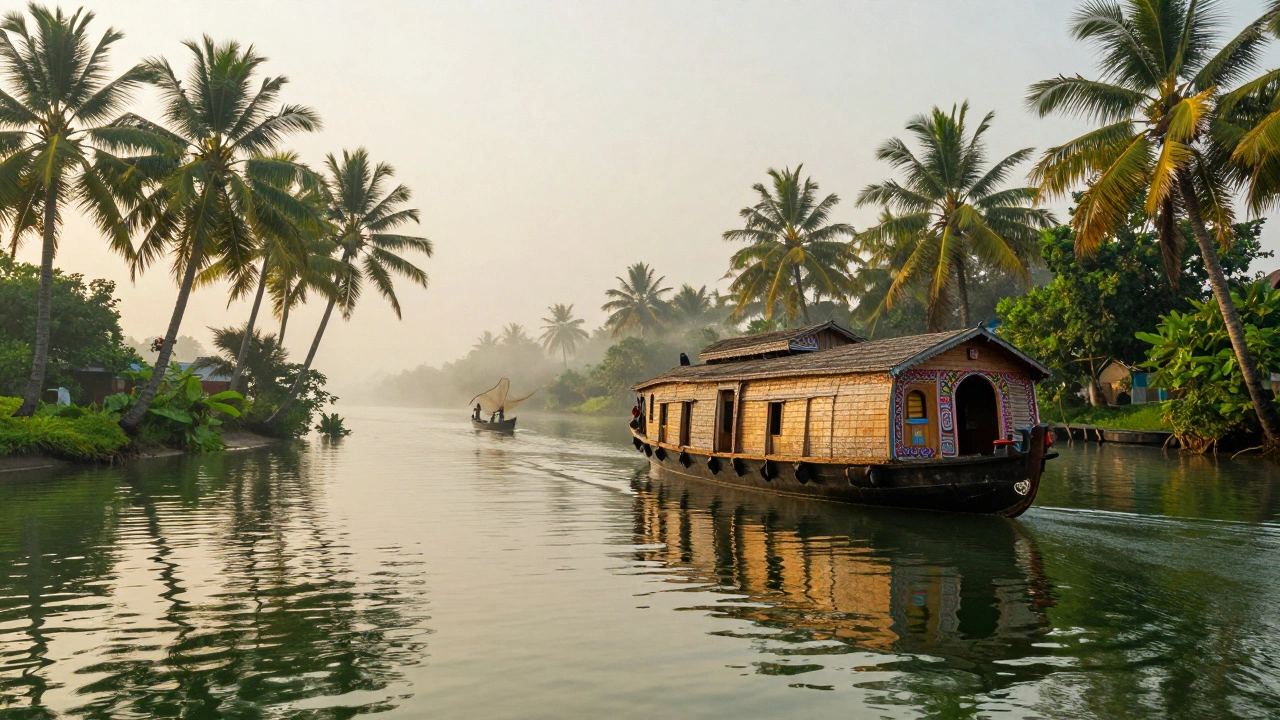
If you want a slower pace, Kerala is the best choice. Known as "God's Own Country," this state is famous for its backwaters, Ayurvedic treatments, and serene landscapes. The highlight of any Kerala trip is staying on a houseboat in the Alleppey Backwaters, a network of lagoons and lakes connected by canals, perfect for overnight boat stays. Renting a private houseboat for a day or night allows you to glide through narrow waterways, watch locals fishing, and eat fresh coconut-based meals prepared on board.
After Alleppey, move to Munnar, a hill station surrounded by endless tea plantations and mist-covered mountains. Munnar is ideal for hiking, visiting tea factories, and escaping the heat. For a cultural experience, end your Kerala leg in Kochi (Cochin). Here, you can explore Fort Kochi, see the Chinese fishing nets, and enjoy the fusion of Portuguese, Dutch, and British influences in the architecture and food. Don't miss the street art scene and the lively cafes in Mattancherry.
Tamil Nadu: Temples and History
Tamil Nadu is the heart of Dravidian culture and home to some of the most impressive temple complexes in the world. If you love history, this state should be at the top of your list. Start in Chennai, the capital city known for its classical music, beaches, and colonial buildings. While Chennai itself is busy, it serves as a gateway to the surrounding historical sites. Visit the Kapaleeshwarar Temple in Mylapore to see intricate stone carvings and vibrant festivals.
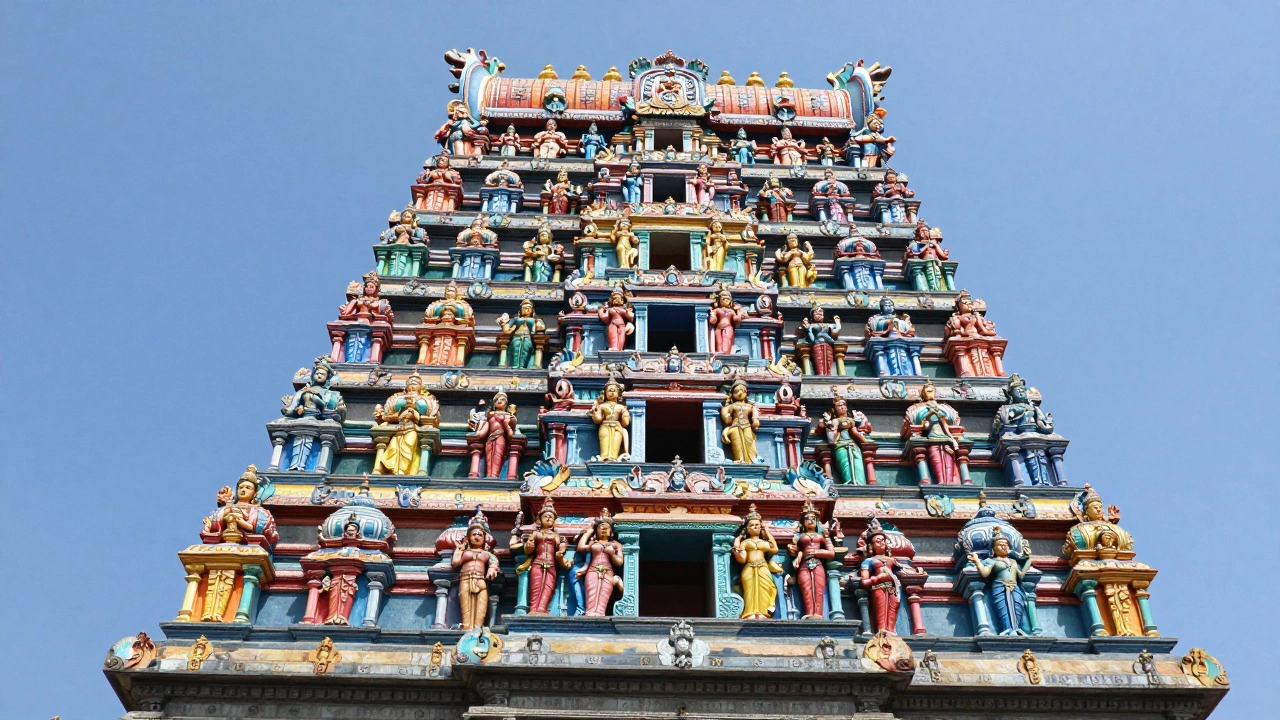
From Chennai, take a train or bus to Mahabalipuram, a UNESCO World Heritage Site famous for its rock-cut temples and sculptures from the 7th and 8th centuries. The Shore Temple and the Pancha Rathas are must-sees. Next, head to Madurai, one of the oldest continuously inhabited cities in the world, centered around the Meenakshi Amman Temple. Madurai is chaotic, colorful, and deeply spiritual. The temple complex is massive, with towering gopurams (gateways) covered in thousands of painted statues. Explore the nearby Thirumalai Nayakar Mahal for a glimpse into the Nayak dynasty's grandeur.
If you have extra time, consider adding Pondicherry to your Tamil Nadu itinerary. This former French colony offers a unique blend of Indian and European cultures. Walk along the Promenade Beach, visit the Aurobindo Ashram, and enjoy the pastel-colored buildings in the French Quarter. It's a great place to relax after the intensity of Madurai.
Goa: Sun, Sand, and Spice
While technically part of Western India, Goa is often included in South Indian itineraries due to its proximity and similar climate. Known for its beaches, nightlife, and Portuguese heritage, Goa offers a completely different vibe from the rest of the region. North Goa, known for its party atmosphere, crowded beaches, and vibrant nightlife is perfect if you want energy and excitement. Visit Baga and Calangute beaches, go jet skiing, and dance the night away in Candolim.
In contrast, South Goa, characterized by quiet beaches, luxury resorts, and a more relaxed pace is better for families and couples seeking peace. Palolem and Agonda beaches are stunningly beautiful and less commercialized. Spend your days swimming, sunbathing, and eating seafood. Don't forget to visit the old churches in Old Goa, such as the Basilica of Bom Jesus, which houses the remains of St. Francis Xavier.
Best Time to Visit and Weather Considerations
Timing is crucial when planning a South Indian trip. The best time to visit most of the region is between October and March, when the weather is cool and dry. During these months, you can comfortably explore temples, hike in the hills, and enjoy outdoor activities. Summer (April to June) can be extremely hot, especially in coastal areas like Chennai and Bengaluru. Temperatures often exceed 35°C (95°F), making sightseeing uncomfortable.
Monsoon season (July to September) brings heavy rains, particularly to Kerala and Karnataka. While the landscape becomes incredibly green and lush, some roads may become inaccessible, and outdoor plans might get disrupted. However, if you're interested in Ayurvedic treatments or photography, the monsoon can be a magical time to visit. Just pack waterproof gear and be flexible with your schedule.
Getting Around: Trains, Flights, and Auto-Rickshaws
India has an extensive railway network, and trains are the most affordable and scenic way to travel between major cities. Book tickets in advance through the IRCTC website or app, especially during peak seasons. AC classes (3AC and 2AC) offer comfort and safety, while sleeper class provides a budget-friendly option. For shorter distances, buses are reliable and widely available. Private taxis can be hired for day trips, but negotiate prices beforehand.
Within cities, auto-rickshaws are the primary mode of transport. Always insist on using the meter or agree on a fare before getting in. Ride-hailing apps like Ola and Uber are also popular in larger cities like Bangalore, Chennai, and Hyderabad. If you prefer independence, renting a scooter or car is possible, but driving in Indian traffic requires caution and confidence.
For those looking for seamless booking experiences across various travel needs, including specialized services, resources like this directory can sometimes provide useful insights into local arrangements, though always prioritize verified and reputable platforms for standard tourism bookings.
Food You Must Try
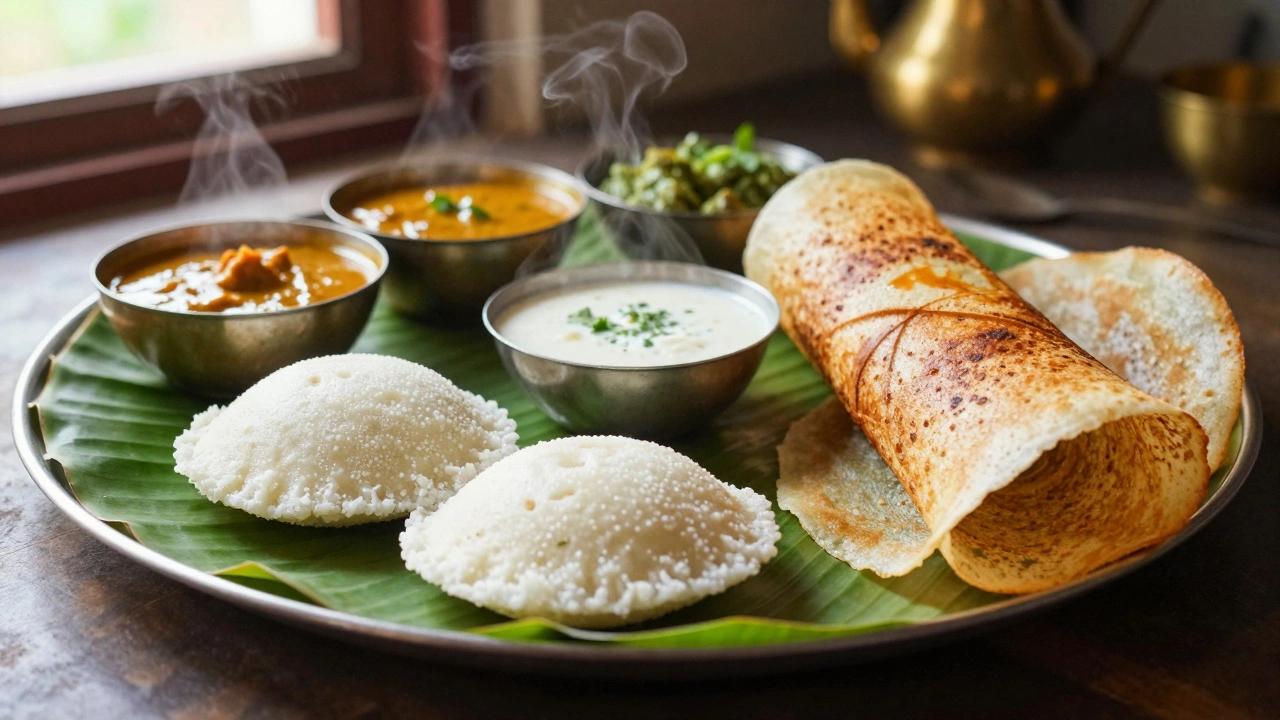
South Indian cuisine is diverse, flavorful, and largely vegetarian-friendly. Start your mornings with idli (steamed rice cakes) and dosa (thin crepes) served with sambar (lentil stew) and chutney. These dishes are staples across all states but vary slightly in preparation. In Kerala, try appam (lacy rice pancakes) with egg curry or fish moilee. Tamil Nadu is famous for its spicy rasam and filter coffee.
Don't leave without tasting banana leaf meals, where a variety of dishes are served on a fresh banana leaf. This traditional dining style enhances the flavors and promotes mindful eating. For dessert, try payasam (sweet pudding) made with milk, sugar, and nuts. Each state has its own version, so sample them wherever you go.
Safety and Cultural Etiquette
South India is generally safe for tourists, but basic precautions apply. Dress modestly, especially when visiting temples. Remove shoes before entering sacred spaces, and cover your shoulders and knees. Women travelers may attract unwanted attention in crowded areas, so stay aware of your surroundings and avoid walking alone at night.
Respect local customs and ask permission before taking photos of people. Bargaining is expected in markets, but do it politely. Carry small denominations of cash, as many small vendors don't accept cards. Finally, learn a few phrases in the local language-it goes a long way in building rapport with locals.
How many days do I need for a South India trip?
A minimum of 10-14 days is recommended to cover the highlights comfortably. This allows you to spend 3-4 days in each major region without rushing. If you only have 7 days, focus on one state, such as Kerala or Tamil Nadu, to avoid exhaustion.
Is South India safe for solo female travelers?
Yes, South India is considered one of the safest regions in India for solo female travelers. Cities like Bangalore and Kochi are particularly welcoming. However, always use common sense, dress modestly, and avoid isolated areas at night.
What is the best way to book train tickets in India?
The official IRCTC website or app is the most reliable method. Book tickets at least 30 days in advance for popular routes. Alternatively, use authorized travel agents who can handle bookings for a small fee.
Can I drink tap water in South India?
No, never drink tap water. Stick to bottled or filtered water. Many hotels provide purified water dispensers, but always check if the seal is intact when buying bottles.
Which South Indian state is best for first-time visitors?
Kerala is often recommended for first-timers due to its well-developed tourism infrastructure, English-speaking locals, and diverse attractions ranging from beaches to hills. Tamil Nadu is also excellent for history buffs.