India Travel Budget Calculator (2026)
Estimate your daily expenses based on travel style, accommodation, and dining preferences.
You’ve probably seen the conflicting headlines. Some blogs claim you can survive in India on $10 a day, while luxury travel sites warn that costs have skyrocketed. So, is India actually expensive to visit in 2026? The short answer is no. For most travelers from Europe, North America, Australia, or East Asia, India remains one of the most affordable destinations on Earth. However, "affordable" doesn’t mean "cheap everywhere." Your experience will depend heavily on where you go, how you eat, and what kind of comfort you expect.
If you’re planning a trip to South India, specifically, you might find it slightly more polished-and therefore marginally pricier-than some northern regions, but still incredibly value-for-money. Let’s break down exactly where your money goes, so you can plan without stress.
The Currency Advantage: Why Your Money Goes Further
Before we talk about hotel rates or train tickets, let’s look at the elephant in the room: exchange rates. As of mid-2026, the Indian Rupee (INR) continues to offer strong purchasing power for foreign currencies. If you are traveling with US Dollars, Euros, or Australian Dollars, your daily budget stretches significantly further than it would in Southeast Asia or Eastern Europe.
For example, a meal that costs you $5 in Sydney or London might cost you just $1.50 to $3 in India if you eat like a local. Even mid-range restaurant meals often cost less than $8. This currency advantage is the single biggest factor making India feel "inexpensive." It allows you to upgrade your accommodation or hire private drivers without breaking the bank.
| Travel Style | Daily Budget (USD) | Daily Budget (INR) | What You Get |
|---|---|---|---|
| Backpacker | $25 - $40 | ₹2,000 - ₹3,300 | Hostels/dorms, street food, public buses/trains |
| Moderate | $50 - $80 | ₹4,100 - ₹6,600 | 3-star hotels, AC transport, restaurant meals |
| Comfort/Luxury | $120+ | ₹10,000+ | 4-5 star heritage hotels, private car, fine dining |
Accommodation: From Dorms to Palaces
Where you sleep is usually the biggest variable in your budget. In major tourist hubs like Goa, Kerala, or Jaipur, prices fluctuate wildly based on season. But even then, the baseline is low.
If you’re a solo traveler or young backpacker, hostels in cities like Bangalore, Chennai, or Kochi are plentiful and clean. Expect to pay between $5 and $10 per night for a bed in a dormitory. These places often include breakfast and Wi-Fi, which saves you extra hassle.
For couples or families, private rooms in boutique guesthouses or 3-star hotels rarely exceed $30-$50 per night. In South India, particularly in Kerala’s backwaters or Tamil Nadu’s hill stations like Ooty, you can find charming heritage homes or resort-style stays that offer incredible value. Don’t be fooled by photos; many mid-range hotels in India offer amenities comparable to 4-star properties in Western countries.
However, if you want true luxury, India offers some of the world’s most famous palaces and heritage hotels. Staying in a former royal palace in Udaipur or a colonial bungalow in Munnar can cost $200-$500 per night. Is this expensive? Yes. But compared to a similar historical stay in Europe, it’s often half the price.
Eating Out: Street Food vs. Sit-Down Dining
Food in India is not just cheap; it’s an adventure. You have two main paths here: eating like a local or eating as a tourist.
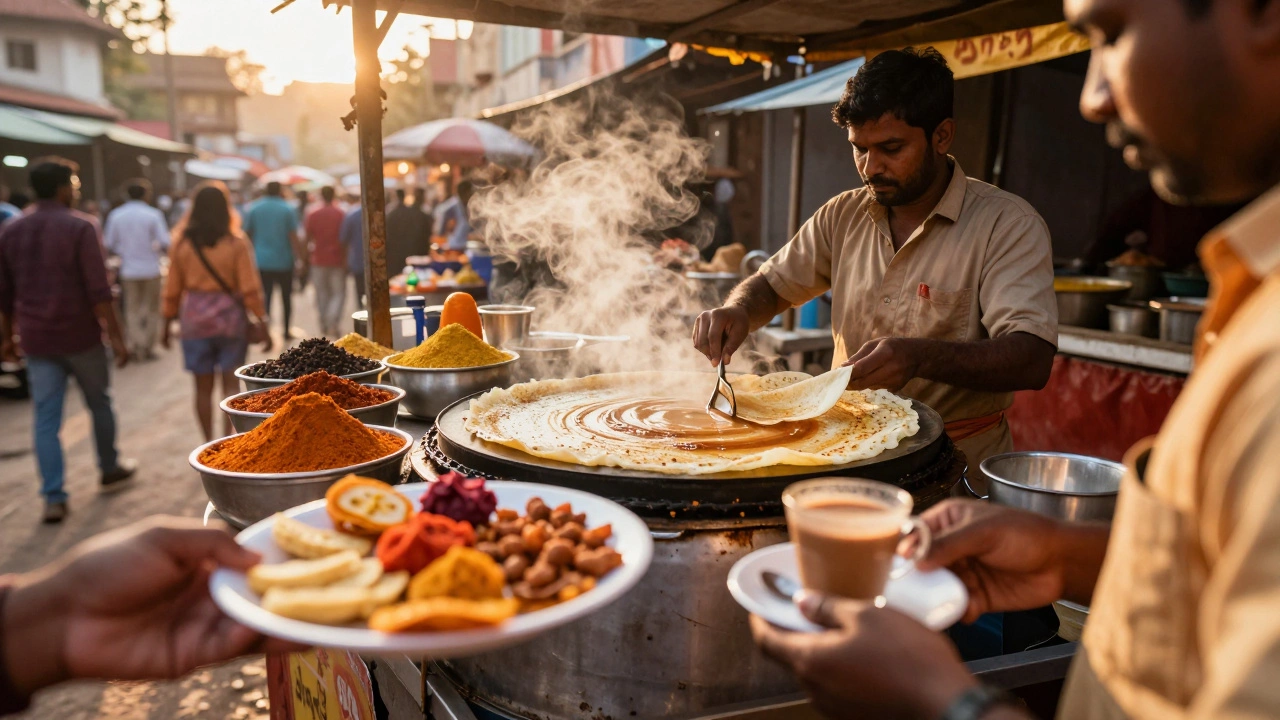
Street Food: This is the heart of Indian culinary culture. A plate of vada pav (a spicy potato fritter sandwich) in Mumbai or dosai (rice crepes) in Chennai costs less than $1. You can easily spend an entire day sampling snacks, chai (tea), and fruit juices for under $5 total. Just stick to busy stalls where food is cooked fresh in front of you to avoid stomach issues.
Restaurant Dining: If you prefer air-conditioned comfort and menu variety, sit-down restaurants are still very affordable. A three-course meal at a decent mid-range restaurant typically runs $8-$15 per person. High-end international cuisine or fine dining in metro cities like Hyderabad or Bengaluru might push that to $30-$50, but again, this is negligible compared to Western standards.
A pro tip: Avoid bottled water if you can help it-many hotels provide filtered drinking water. If you buy bottled water, it costs about $0.50 per liter, which adds up over a long trip.
Getting Around: Trains, Buses, and Flights
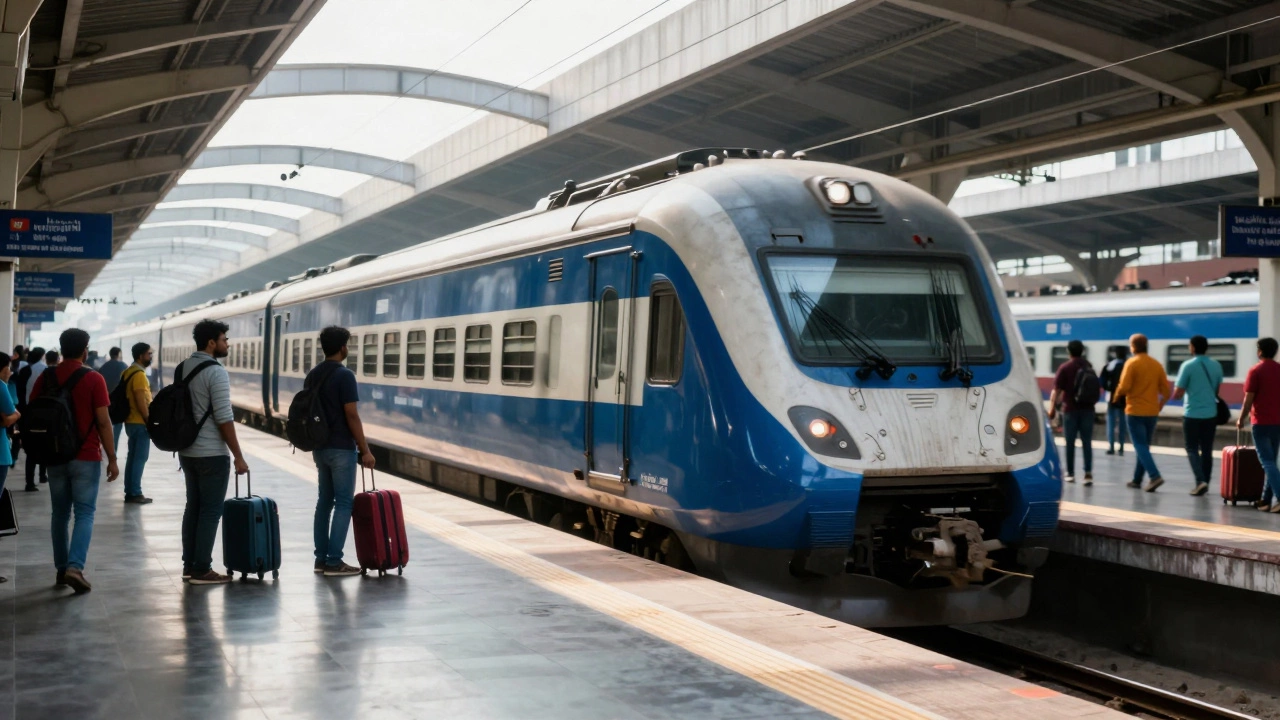
Transportation in India is surprisingly cheap, especially if you use the rail network. Indian Railways is the backbone of travel here. A sleeper class ticket between major cities like Delhi to Mumbai or Chennai to Bangalore might cost $10-$20. Air-conditioned coaches (AC 3-tier) are more comfortable and cost around $30-$50 for overnight journeys.
In South India, the railway system is efficient and extensive. You can hop on a train to explore Kerala’s coastal towns or Tamil Nadu’s temple cities without spending much. For shorter distances, shared taxis or app-based cabs like Uber and Ola are widely available. A 10-kilometer ride in a city like Bangalore might cost you $3-$5.
Domestic flights have become more competitive. While they aren’t "dirt cheap," booking in advance can get you round-trip tickets within India for $50-$100. This is useful if you’re trying to cover large distances quickly, such as flying from Chennai to Coorg instead of taking a 6-hour drive.
Activities and Entry Fees
One area where India feels slightly more expensive than other developing nations is entry fees for monuments and museums. The Archaeological Survey of India charges foreigners significantly more than locals. For example, entering the Taj Mahal costs around $15 for Indians but $25 for foreigners. In South India, temples are mostly free, but historical forts and palaces in places like Mysore or Hampi may charge $5-$10 per person.
Guided tours vary widely. A generic group tour might be included in your hotel package or cost $20 for a half-day. Private guides, however, can range from $50 to $150 per day depending on their expertise and language skills. If you’re interested in deep cultural immersion, hiring a knowledgeable local guide is worth every penny-they unlock stories and access that you’d miss otherwise.
Hidden Costs and Tips to Watch For
While the base costs are low, there are hidden expenses that can creep into your budget. Here’s what to watch out for:
- Tipping: Tipping isn’t mandatory but is appreciated. Leave small change for rickshaw drivers ($1-$2) and tip waitstaff 10% if service isn’t included. Hotel bellboys expect $1-$2 per bag.
- Visa Fees: The e-Visa process has streamlined entry, but fees apply. An e-Tourist Visa for most nationalities costs around $25-$80 depending on duration and type. Factor this into your pre-trip budget.
- Sim Cards: Buying a local SIM card (Airtel or Jio) is essential for navigation and booking rides. They cost about $5-$10 and come with generous data plans.
- Health Insurance: Never skip travel insurance. Medical care in India is cheap for emergencies, but repatriation or high-quality private hospital care can add up. Budget $30-$50 for a comprehensive policy.
South India Specifics: Is It More Expensive?
You mentioned South India in your query. Generally, South India is perceived as slightly more developed and tourist-friendly than parts of rural North India. This means infrastructure is better, but prices reflect that polish.
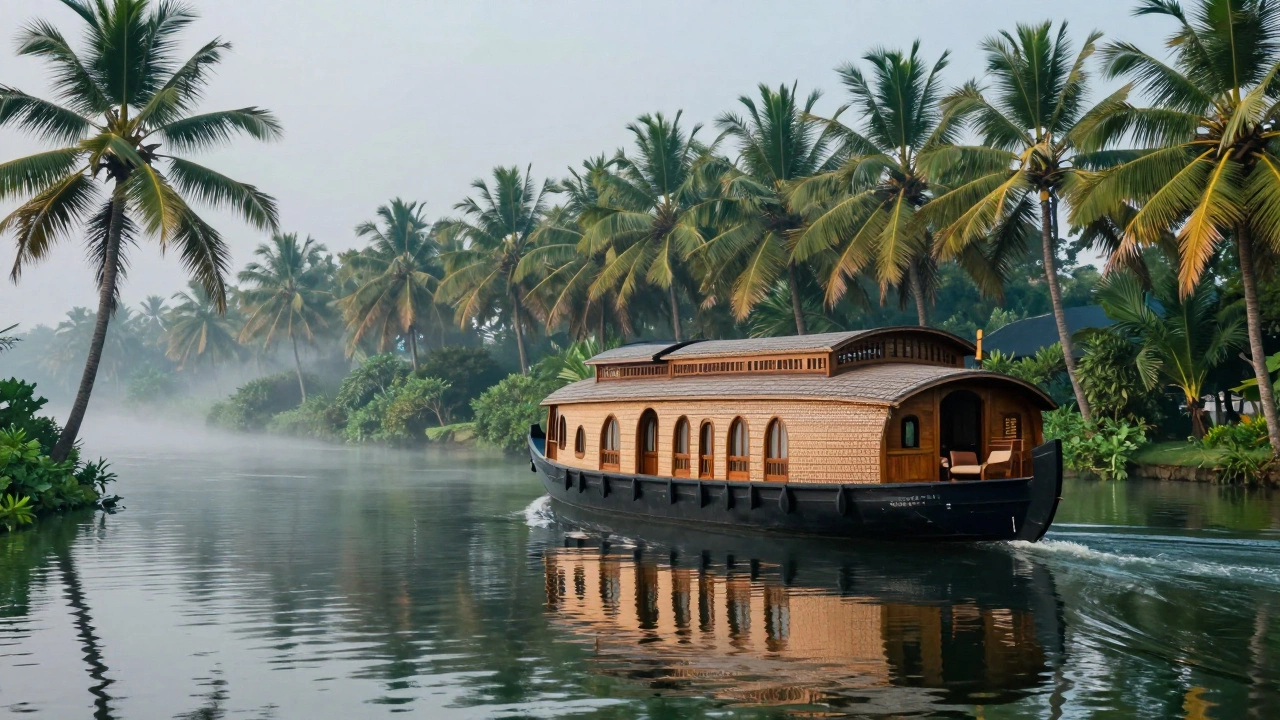
Kerala, known as "God’s Own Country," is a premium destination. Houseboat stays in Alleppey or Munnar can be pricey during peak season (December-January). Tamil Nadu, with its rich temple heritage, is more moderate. Andhra Pradesh and Telangana are among the most affordable states, offering incredible food and history at rock-bottom prices.
If you’re comparing South India to Southeast Asia, note that while Thailand or Vietnam might be cheaper for beach resorts, India offers deeper cultural experiences, historical depth, and culinary diversity at a similar or lower price point.
How to Stretch Your Budget Further
Want to maximize your rupees? Here are practical tips:
- Travel Off-Peak: Avoid December to February if possible. September to November offers pleasant weather and lower hotel rates.
- Eat Local: Skip the "international" menus. Order thali meals (platters with rice, dal, veggies, and curries) at local eateries. They’re filling, healthy, and cost $2-$4.
- Negotiate Transport: For auto-rickshaws and non-metered taxis, always agree on the price before getting in. Use apps when possible to avoid haggling.
- Book Trains Early: Indian Railways fills up fast. Book via IRCTC or authorized agents weeks in advance to secure lower fares.
- Use Water Filters: Carry a portable water filter bottle to reduce plastic waste and save money on bottled water.
Is India safe for solo female travelers?
Yes, millions of women travel solo in India safely each year. However, caution is advised. Stick to well-lit areas, avoid walking alone at night in unfamiliar neighborhoods, and dress modestly to respect local customs. South India is generally considered more conservative and respectful towards tourists than some northern cities.
Do I need to bring cash to India?
Absolutely. While credit cards work in hotels and larger stores, small vendors, street food stalls, and rural areas operate on cash. ATMs are widespread in cities, but carry smaller denominations for ease. Digital payments via UPI are common among locals but difficult for foreigners to set up quickly.
What is the best time to visit South India?
The ideal time is October to March when temperatures are mild and humidity is low. Monsoon season (June-September) brings lush greenery and fewer crowds, but heavy rains can disrupt travel plans, especially in Kerala and coastal areas.
Can I drink tap water in India?
No, never drink tap water. Always consume bottled or purified water. Many hotels provide filtered water dispensers. When eating street food, ensure fruits are peeled by you or cooked thoroughly to prevent waterborne illnesses.
Is bargaining expected in Indian markets?
Yes, bargaining is part of the culture in bazaars, souvenir shops, and with taxi drivers. Start by offering 40-50% of the asking price and negotiate politely. Fixed-price stores and malls do not allow haggling.