Everest Risk Analysis: Sherpa vs. Client
Select a risk factor to see how it impacts the safety and survival probability of Sherpas versus paying clients.
Paying Client
Sherpa Guide
The "Death Zone" (Above 8,000m)
Every minute spent here is a gamble. While Sherpas are biologically better adapted, their prolonged stays for logistics increase total cumulative risk.
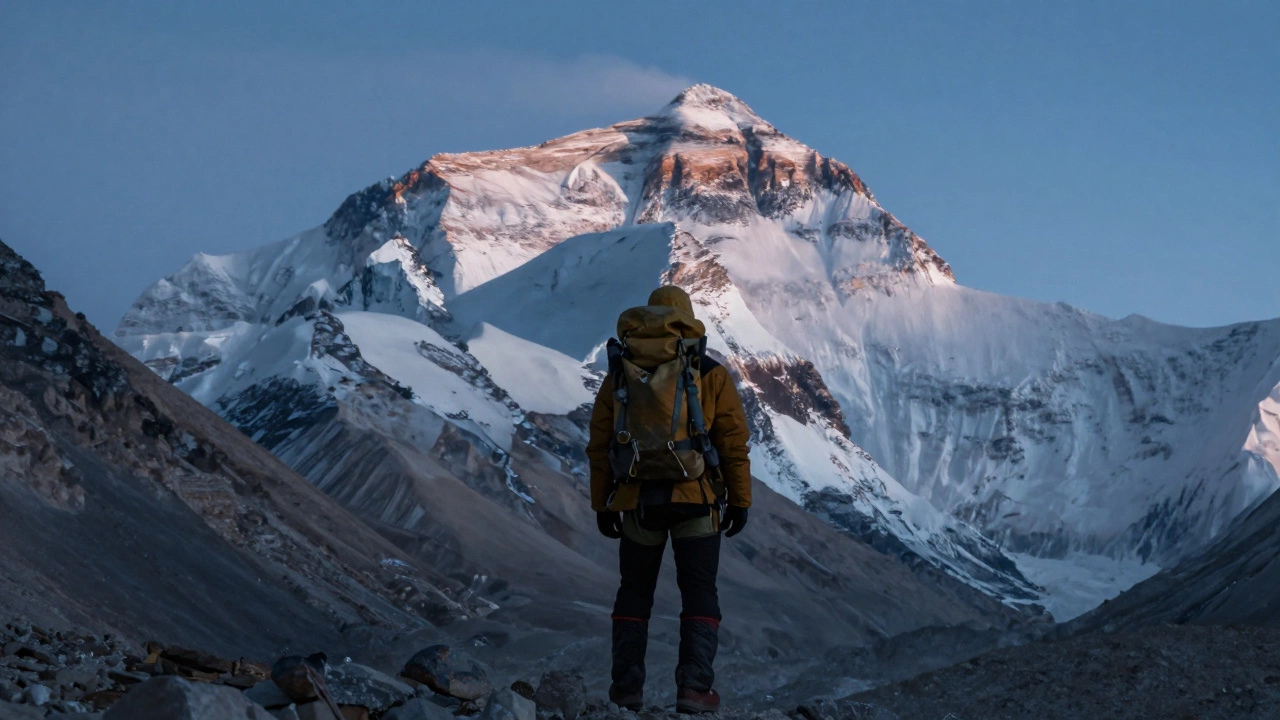
Most people see the stunning photos of the summit of Mount Everest and think about the glory of reaching the top. But there is a darker side to those photos that rarely makes the highlight reel. While tourists and professional climbers often get the headlines when things go wrong, the people who make those climbs possible-the Sherpas-pay the highest price. It is a brutal reality: the people who know the mountain best are often the ones who die on it.
The Hard Truth About the Numbers
Counting exactly how many Sherpas have died on Everest is surprisingly difficult. For decades, records were kept haphazardly, and many local deaths weren't logged with the same scrutiny as those of Western climbers. However, based on data from the Himalayan Database, which is the most comprehensive record of Everest ascents and fatalities, hundreds of Sherpas have lost their lives. While the total number of deaths on the mountain is around 350 to 400, a significant portion of those are the local workers who provide the essential infrastructure for every single expedition.
Why is it so hard to get a perfect number? Because Sherpas aren't just "climbers"; they are the logistics engine of the mountain. When a Sherpa dies while fixing ropes or carrying oxygen canisters for a client, it is sometimes recorded as a work accident rather than a climbing fatality. This distinction often masks the true scale of the tragedy.
Why Sherpas Face Higher Risks
If Sherpas are the experts, why do they die so often? It comes down to the nature of their job. A typical paying client might climb the mountain once in their life. A high-altitude Sherpa might summit 10, 20, or even 30 times. Every single trip carries a risk, and the more times you play the game, the more likely you are to lose.
Beyond the frequency of trips, their responsibilities are far more dangerous than those of the clients. They perform the "invisible work":
- Fixing Ropes: Sherpas are the first to climb into the "Death Zone" to install the safety lines that everyone else clips into. This means they face the most unstable snow and ice without the benefit of a pre-set path.
- Carrying Heavy Loads: While clients carry light packs, Sherpas lug 50-pound loads of oxygen, tents, and food to High Camp. This physical exhaustion makes them more susceptible to altitude sickness.
- Rescue Operations: When a client collapses, the Sherpas are the ones who risk their own lives to drag them down. Often, the rescuer becomes the second victim.
| Factor | Paying Client | Sherpa Guide |
|---|---|---|
| Frequency of Exposure | Usually once in a lifetime | Multiple times per year |
| Primary Task | Reaching the summit | Logistics and safety setup |
| Physical Load | Light/Moderate | Heavy (Oxygen, Gear) |
| Risk Level | High (due to inexperience) | Extreme (due to exposure/load) |
The Danger of the Death Zone
To understand these deaths, we have to talk about the Death Zone. This is the altitude above 8,000 meters where oxygen levels are insufficient to sustain human life indefinitely. In this zone, the body literally begins to die. Every single minute spent here is a gamble with HAPE (High Altitude Pulmonary Edema) or HACE (High Altitude Cerebral Edema).
Sherpas have a biological advantage-their bodies are better adapted to low oxygen-but no one is immune to the elements. Avalanches are the biggest killers. When a massive slab of snow slides down the Khumbu Icefall, it doesn't care if you're a novice or a veteran. Because Sherpas spend so much more time in the Icefall moving gear, they are statistically more likely to be caught in a slide.
The Economic Pressure and the "Summit Fever"
There is a heartbreaking economic element to these fatalities. For many families in the Solukhumbu region, mountaineering is the only way to earn a significant living. This creates a pressure to accept dangerous assignments even when the weather looks threatening.
Moreover, there is the pressure of the client. When a wealthy climber spends $60,000 to $100,000 on an expedition, they expect to reach the top. Sherpas often feel an immense professional obligation to push their clients to the summit, even if it means venturing into dangerous windows of weather. If a client refuses to turn back, the Sherpa is often the one who has to make the hard call-or suffer the consequences alongside them.
How Things Are Changing
It is not all bleak. In recent years, there has been a push for better insurance and safety standards. The Nepal Government has implemented more stringent regulations regarding permits and insurance for workers. There is also a growing movement toward "ethical climbing," where clients are encouraged to prioritize the lives of their guides over the goal of the summit.
Many Sherpas are also transitioning from being "helpers" to being owners of the companies. By running their own expeditions, they have more control over safety protocols and can decide when a climb is too risky to attempt. This shift in power is slowly reducing the number of avoidable deaths.
The Legacy of the Fallen
When a Sherpa dies on Everest, it isn't just a statistic. It leaves a hole in a small village where everyone knows everyone. The community relies on these climbers to build schools and support elders. The loss of a lead guide is a blow to the entire local economy.
We often hear about the "conquest" of Everest, but for the Sherpas, the mountain isn't something to be conquered. It is a deity, a workplace, and sometimes, a graveyard. The real cost of those summit photos is measured in the lives of the people who carried the tents, fixed the ropes, and whispered "you can do it" to climbers who were too exhausted to move.
Are Sherpas more likely to die than Western climbers?
Statistically, yes, but for different reasons. While Western climbers often die due to lack of experience or poor acclimatization, Sherpas die due to high exposure. Because they climb the mountain many times and spend significantly more hours in the Death Zone, their cumulative risk is much higher.
What is the most dangerous part of Everest for Sherpas?
The Khumbu Icefall is widely considered the most dangerous area. It is a shifting glacier of towering ice blocks (seracs). Sherpas must cross it daily to ferry supplies to higher camps, making them vulnerable to unpredictable ice collapses and avalanches.
Do Sherpas get paid for the risks they take?
Yes, they earn salaries that are very high compared to other local jobs, but the pay varies. Lead guides earn significantly more than helpers. In recent years, there has been a push for better life insurance and compensation for families of those killed in the line of duty.
Why aren't all Sherpa deaths recorded?
Historically, record-keeping was centered on the "climber." Since many Sherpas were viewed as support staff rather than athletes, their deaths weren't always documented in the same way. Improvements in registration by the Nepal government are helping to fix this.
Can anyone be a Sherpa?
"Sherpa" is an ethnic group from the mountains of Nepal and Tibet. While many people from other ethnic groups now work as guides on Everest, the traditional Sherpas have a genetic and cultural advantage in high-altitude environments.