Amtrak Sleeper Experience Estimator
Your Trip Configuration
Route Comparison
~52 hours • Rockies & Great Plains
~51 hours • Sierra Nevada & Rockies
~26 hours • Southwest landscapes
~17 hours • Bring your car!
Picture this: you’re sitting in a cramped economy seat on a red-eye flight, fighting for elbow room while the person next to you snores. Now imagine stepping into a private room with a real bed, a window that opens, and a meal served on actual china as the landscape rolls by outside. That’s the promise of sleeper train travel. But if you’ve ever tried to book one in the United States, you might have hit a wall. The short answer? Yes, the US has sleeper trains, but they aren’t what you’d find in Europe or Asia. They are rare, expensive, and mostly limited to long-distance routes operated by Amtrak, the national passenger railroad corporation of the United States.
If you’re dreaming of a transcontinental adventure like the Orient Express or Japan’s Shinkansen sleepers, you need to adjust your expectations. The American rail system took a different path decades ago. Today, sleeper service is a niche product for specific journeys, not a mass transit solution. Let’s break down exactly where you can catch these trains, what they cost, and whether they’re worth the hype.
The Current State of Sleeper Service in America
When most people ask about sleeper trains in the US, they’re looking for comfort and convenience. Amtrak operates sleeper cabins on roughly 15 long-distance routes. These aren’t just seats that recline; they are dedicated rooms with beds. However, coverage is sparse. You won’t find a sleeper car on a short hop between New York and Washington D.C. Instead, you’ll find them on epic journeys like the Empire Builder, a transcontinental route connecting Chicago and Seattle or the California Zephyr, a scenic route linking Chicago and San Francisco.
The key thing to understand is that Amtrak’s sleeper service is designed for distance, not speed. If you’re trying to get from Point A to Point B quickly, flying is still king. Sleeper trains are for the journey itself. You pay extra because you’re getting a hotel room that moves at 60 miles per hour. It’s an experience, not just transportation. For travelers coming from countries with robust night-train networks, this distinction is crucial. In the US, you choose the train for the scenery and the relaxation, not to save time.
Types of Sleeping Accommodations
Not all sleeper cars are created equal. Amtrak offers three main types of accommodations, each with different privacy levels and price tags. Knowing the difference can save you hundreds of dollars or ensure you get the solitude you crave.
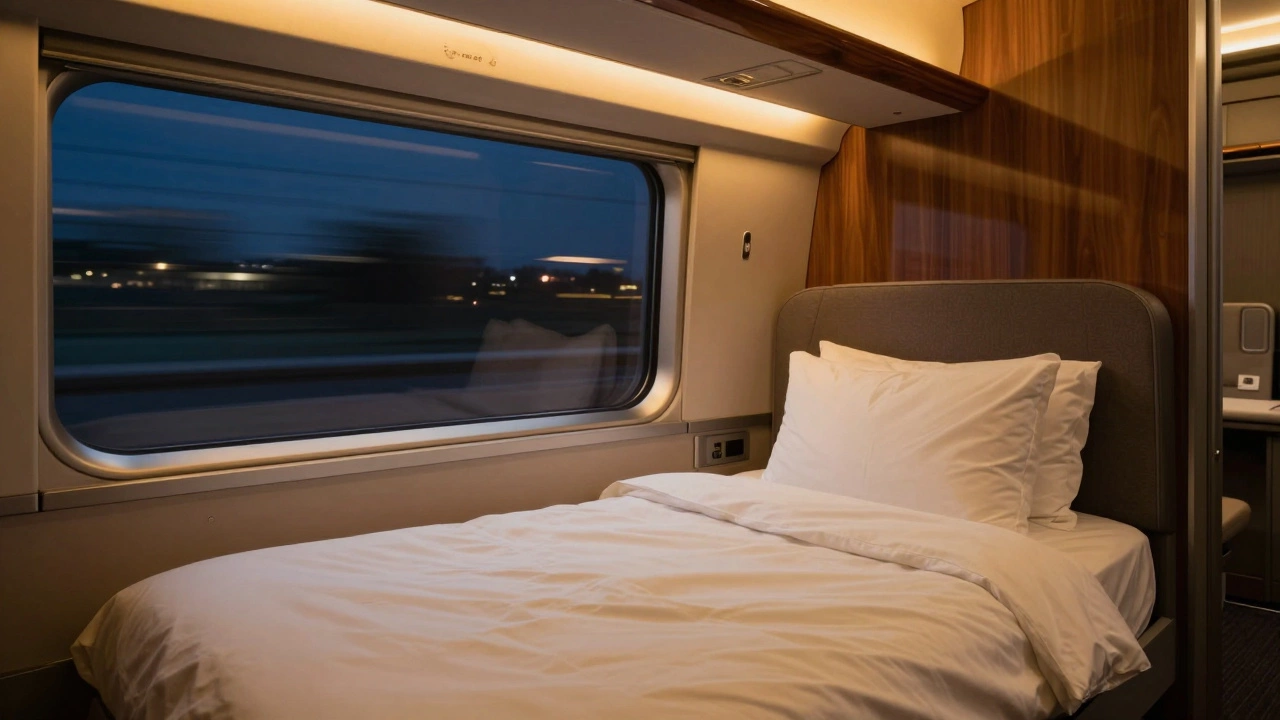
- Roomettes: This is the entry-level sleeper option. It’s a small, enclosed space with two fold-down beds (one upper, one lower) and a toilet. During the day, the beds fold up, revealing a table and chairs. It’s tight but private. Perfect for solo travelers or couples who don’t mind cozy quarters.
- Bedrooms: Step up to a Bedroom, and you get more space, a shower (private or shared depending on the train), and seating for four during the day. It’s significantly larger than a Roomette and includes a closet. This is the choice for families or those who want a bit more breathing room.
- Accessible Bedrooms: Designed for passengers with mobility challenges, these feature wider doors, grab bars, and accessible bathrooms. They function similarly to standard Bedrooms but prioritize safety and ease of movement.
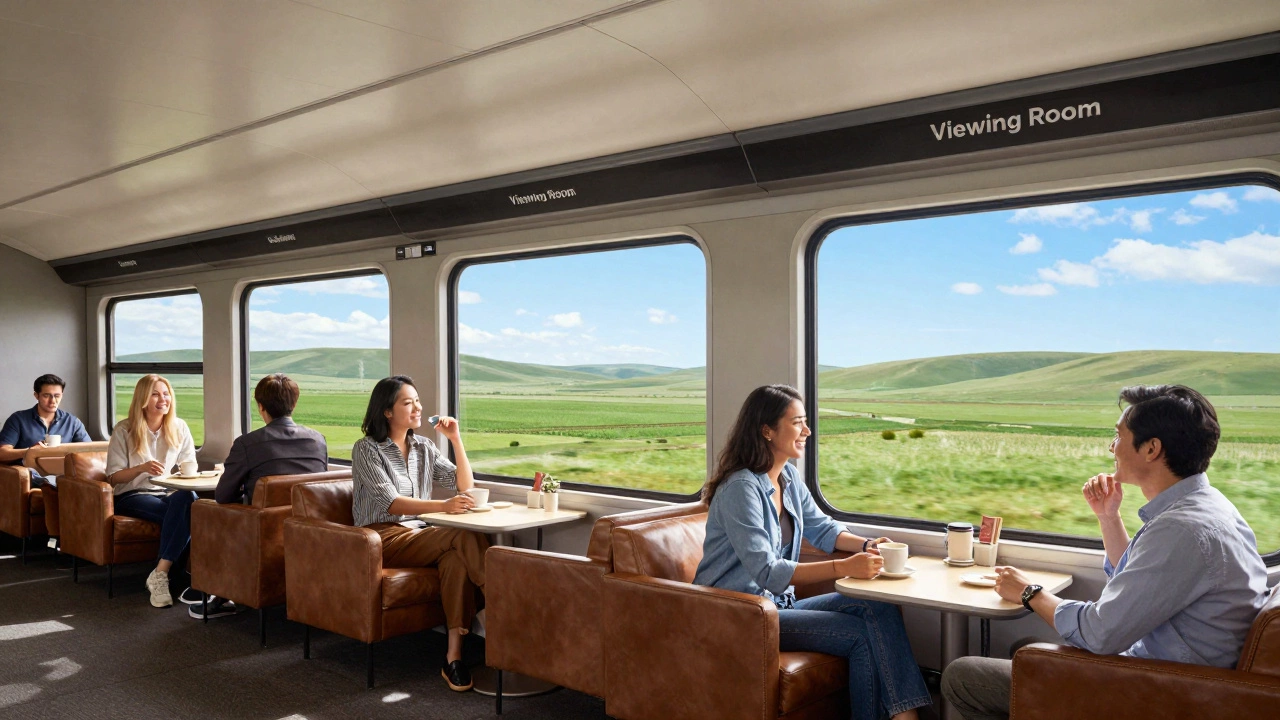
There’s also the "Viewing Room" on many long-distance trains. This isn’t a place to sleep, but it’s a social hub where you can stretch your legs, chat with other passengers, and enjoy panoramic views of the passing landscape. It’s a unique perk of American rail travel that you won’t find on planes.
Cost and Value: Is It Worth It?
Let’s talk money, because this is usually the biggest shock for first-time users. Sleeper fares are steep. A Roomette on the Empire Builder can run anywhere from $400 to $800 one-way, depending on demand and how far in advance you book. Bedrooms can easily exceed $1,000. On top of that, meals are included in the fare, which sounds great until you realize you’re paying premium prices for buffet-style food.
So, why do people do it? First, there’s the "hidden cost" comparison. When you fly, you often pay for baggage fees, airport transfers, and meals separately. With a sleeper train, your luggage allowance is generous, and your meals are covered. More importantly, you arrive rested. No jet lag, no security lines, no rushing through terminals. You wake up in a new city, refreshed and ready to go. For business travelers or luxury tourists, that convenience has tangible value.
However, if you’re on a tight budget, the math rarely works out unless you view the trip as a vacation in itself. Many travelers combine sleeper segments with cheaper coach tickets for shorter legs of their journey. This hybrid approach lets you experience the luxury without breaking the bank.
Top Routes for Sleeper Travel
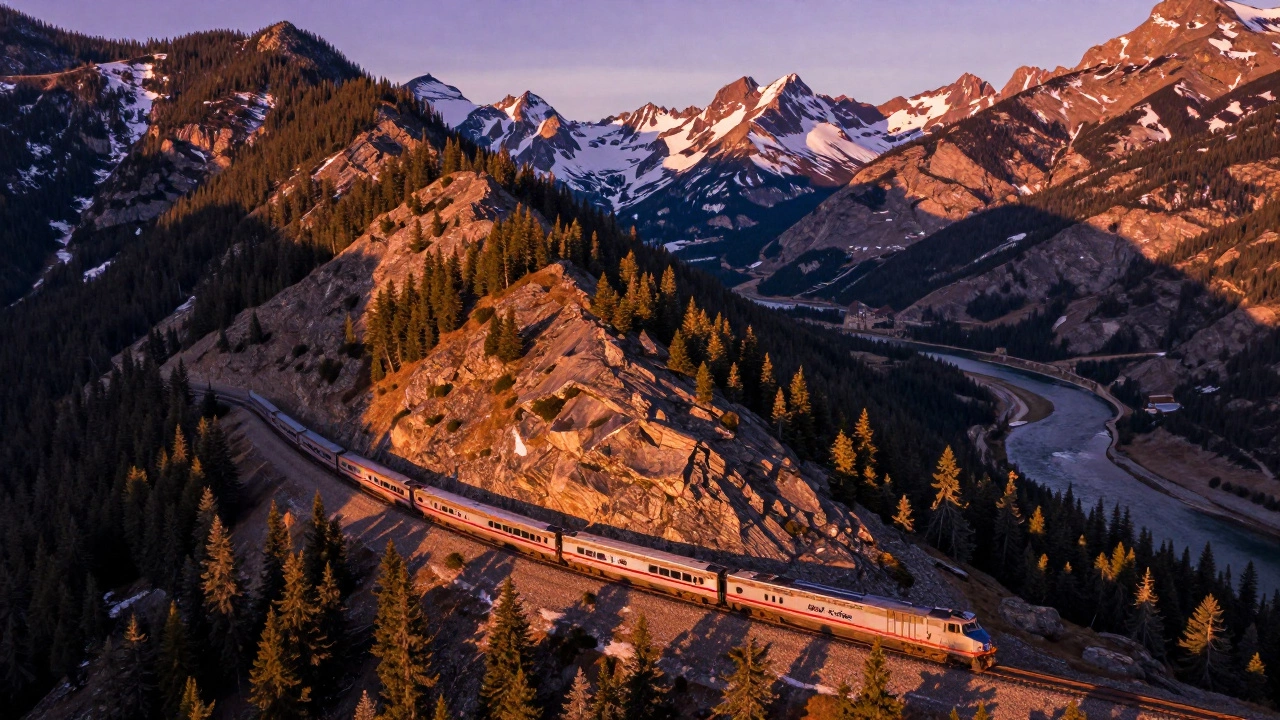
If you’re planning a trip, not all routes offer the same experience. Some are purely functional, while others are scenic masterpieces. Here are the top contenders for sleeper travel in the US:
| Train Name | Route | Duration | Scenery Rating | Best For |
|---|---|---|---|---|
| Empire Builder | Chicago ↔ Seattle | ~52 hours | High (Rockies, Great Plains) | Transcontinental adventure |
| California Zephyr | Chicago ↔ San Francisco | ~51 hours | Very High (Sierra Nevada, Rockies) | Photography enthusiasts |
| Adirondack | New York ↔ Montreal | ~13 hours | Medium (Forests, Lakes) | Short weekend getaway |
| Auto Train | Lorton, VA ↔ Sanford, FL | ~17 hours | Low (Flatlands) | Avoiding driving stress |
The Auto Train deserves a special mention. It’s unique in North America because it allows you to bring your car. You load your vehicle onto a flatcar, sleep in your cabin, and unload your car at the destination. It’s perfect for families who want to drive to Florida but hate the 15-hour haul across Georgia and South Carolina. While the scenery isn’t breathtaking, the convenience factor is unmatched.
How to Book and Save Money
Booking a sleeper ticket requires strategy. Unlike flights, where last-minute deals are common, train fares tend to rise as the departure date approaches. Amtrak uses dynamic pricing, meaning popular dates sell out fast. Here’s how to maximize your chances:
- Book Early: Aim to reserve your spot at least 90 days in advance. This gives you access to the lowest fare tiers.
- Use Rail Passes: If you plan multiple trips, consider an Amtrak Guest Rewards membership or regional rail passes. Discounts can add up over time.
- Travel Off-Peak: Weekdays are generally cheaper than weekends. Avoid major holidays like Thanksgiving or Christmas if possible.
- Check for Promotions: Amtrak occasionally offers flash sales or senior/discount rates. Sign up for their newsletter to catch these.
One pro tip: always check the cancellation policy. Sleeper fares are often non-refundable, but some flexible tickets allow changes for a fee. Given the high cost, flexibility can be worth the extra premium.
Alternatives to Traditional Sleepers
If Amtrak’s options feel too pricey or limited, you’re not out of luck. Several private companies offer luxury train experiences that cater specifically to tourists rather than commuters. These aren’t daily services, but seasonal charters that focus on gourmet dining, wine, and historic charm.
Companies like National Railroad Museum, host of special excursion trains and various heritage railways operate vintage sleeper cars. Think of these as floating hotels. They’re more expensive than Amtrak but offer a curated experience with guided tours and exclusive events. If you’re looking for romance or nostalgia, these excursions deliver.
Another alternative is the "seat-to-sleep" hack. On some routes, you can book a coach seat and simply lie down in the aisle or use a travel pillow. It’s not comfortable, and you’ll likely miss out on amenities, but it’s a way to rest for a few hours without paying sleeper prices. Just be prepared for a rough night.
Practical Tips for Your Journey
Before you board, keep these practical details in mind. Sleeper cars have strict rules regarding noise and cleanliness. You’ll be sharing walls with strangers, so respect quiet hours. Also, remember that power outlets are limited. Bring a portable charger to stay connected.
Dining is a big part of the experience. Meals are included in your fare, but reservations are required. Try to book your dining slot early to secure your preferred time. The food varies by route, but expect hearty portions and regional specialties. If you have dietary restrictions, notify Amtrak when booking-they’re usually accommodating.
Finally, pack light. Luggage storage in sleeper cars is compact. Overpacking leads to cluttered spaces and frustration. Stick to one carry-on bag and a personal item. You’ll thank yourself when you’re navigating narrow corridors with your suitcase.
Does Amtrak still offer sleeper cars?
Yes, Amtrak continues to operate sleeper cars on its long-distance routes. These include Roomettes, Bedrooms, and Accessible Bedrooms. They are available on trains like the Empire Builder, California Zephyr, and Southwest Chief.
How much does a sleeper ticket cost?
Prices vary widely based on route and season. A Roomette typically ranges from $400 to $800 one-way, while Bedrooms can exceed $1,000. Fares include meals and access to lounge areas.
Can I bring my own food on Amtrak sleeper trains?
While meals are included in your fare, you can bring snacks. However, refrigeration and heating facilities are limited in your cabin. It’s best to rely on the dining car for hot meals.
Are there showers on Amtrak sleeper trains?
Most long-distance trains have communal shower facilities located in the sleeper car. Private showers are only available in certain Bedroom suites on newer Superliner II cars. Towels and toiletries are provided.
Is it safe to travel alone on a sleeper train?
Yes, Amtrak trains are generally considered safe. Conductors patrol the cars regularly, and sleeper sections are restricted to ticketed passengers. Always keep your valuables secure and lock your cabin door when leaving.