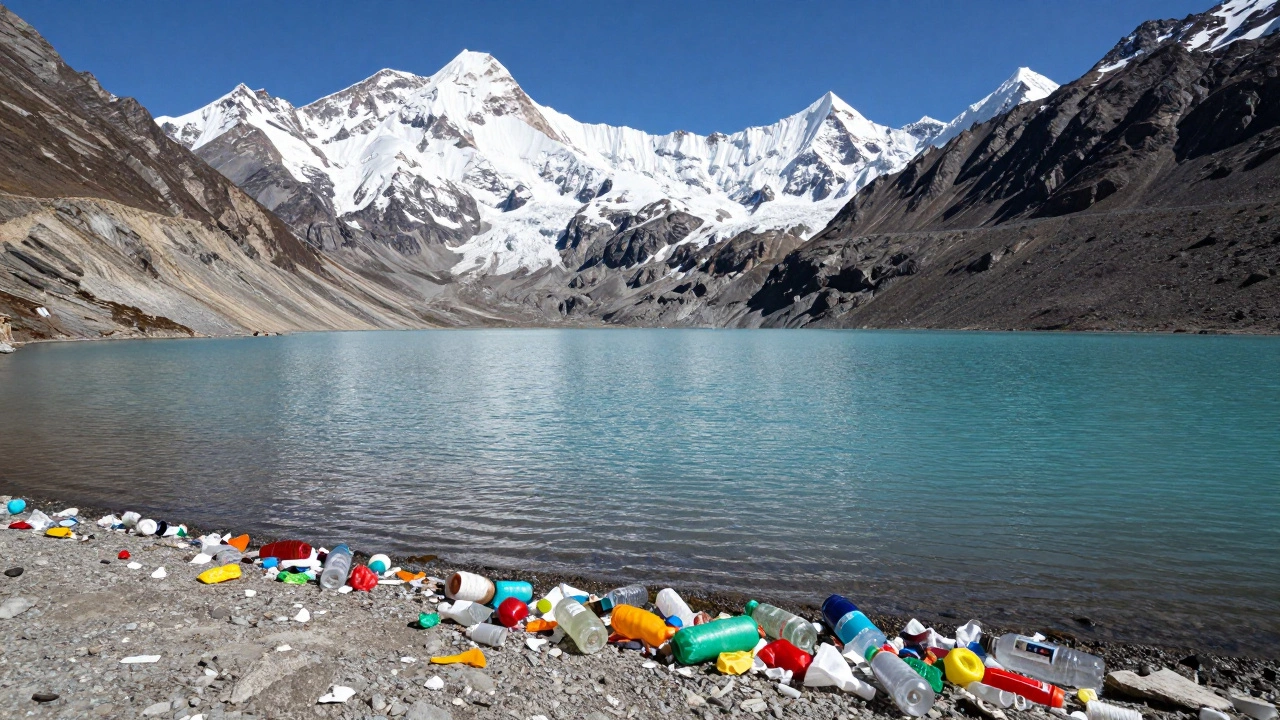
Sustainable Trekking Gear & Habit Checker
Are You a Low-Impact Hiker?
Check all the habits and gear you plan to implement on your next trip.Reusable Water Bottle
Avoiding single-use plastic bottles entirely.
Dedicated Trash Pouch
A waterproof pouch to carry all waste (including wrappers) back to the city.
Stick to the Marked Trail
Walking through mud instead of creating social trails.
Portable Gas Stove
Avoiding open campfires to prevent ground scarring.
Biodegradable Soap (used 200ft from water)
Ensuring soil filters chemicals before they hit streams.
Observation from Distance
No feeding wildlife or disturbing their natural behavior.
Why This Rule Matters More Than Ever in India
In recent years, India has seen a massive surge in domestic tourism. From the lush trails of the Western Ghats to the rugged peaks of Ladakh, more people are hitting the trails than ever before. While it is great that more people are embracing the outdoors, it has put an immense strain on fragile ecosystems. In high-altitude zones, trash doesn't decompose; it just sits there, poisoning the soil and water for years. Think about the Valley of Flowers in Uttarakhand. When thousands of hikers visit this delicate alpine meadow, a single stray candy wrapper or a shortcut off the designated path can destroy rare flora that takes decades to grow. By following Leave No Trace, you aren't just being a "good tourist"; you are actively preventing the permanent degradation of the land.The Seven Principles of Sustainable Trekking
To actually live by the number one rule, you need a practical framework. The Leave No Trace Center provides seven core principles that turn the vague idea of "being clean" into a concrete action plan. Let's break them down into real-world scenarios you'll encounter on a trek.- Plan Ahead and Prepare: This means more than just packing a bag. It is about checking the weather, knowing the terrain, and bringing a reusable water bottle so you don't buy five plastic ones along the way. For example, if you are trekking to Kedarkantha in winter, planning for extreme cold prevents you from needing emergency rescues that disrupt the local environment.
- Travel and Camp on Durable Surfaces: Stick to the trail. It is tempting to walk around a puddle or a patch of mud to keep your boots clean, but that creates "social trails" that widen the path and kill surrounding plants. Walk right through the mud; your boots can be washed, but a destroyed meadow cannot be easily restored.
- Dispose of Waste Properly: This is the most visible part of the rule. "Pack it in, pack it out." If you brought a granola bar, the wrapper comes back with you. In places like Hampta Pass, where waste management is nearly non-existent, your backpack is the only trash can that matters.
- Leave What You Find: That cool rock or rare wildflower belongs to the mountain. Taking "souvenirs" from nature might seem harmless, but if a thousand people take one rock, the landscape changes. Take a photo instead.
- Minimize Campfire Impacts: Open fires can cause permanent scarring on the ground. Use a portable camping stove for your tea and maggi. If you must have a fire, use established fire rings and keep them small.
- Respect Wildlife: Keep your distance. Feeding monkeys in the Western Ghats doesn't help them; it makes them dependent on humans and aggressive toward other hikers.
- Be Considerate of Other Visitors: The mountains are a place for peace. Keep your music in your headphones and keep your voice down. The sound of the wind is far better than a Bluetooth speaker blasting pop hits.
Comparing High-Impact vs. Low-Impact Hiking
To see the difference this rule makes, let's look at how two different hikers handle a typical day on a trail in the Himachal Pradesh region.| Action | High-Impact Hiker (Wrong Way) | Low-Impact Hiker (Right Way) | Environmental Result |
|---|---|---|---|
| Waste Management | Buries plastic or leaves it "for the locals" | Carries all trash back to the city | Prevents soil contamination |
| Trail Choice | Walks around mud to stay clean | Stays on the marked path | Prevents trail erosion |
| Cooking | Collects dry wood for a big fire | Uses a lightweight gas stove | Protects forest biomass |
| Interaction | Feeds wildlife for photos | Observes from a distance | Maintains natural animal behavior |
The Psychology of the "Someone Else Will Do It" Trap
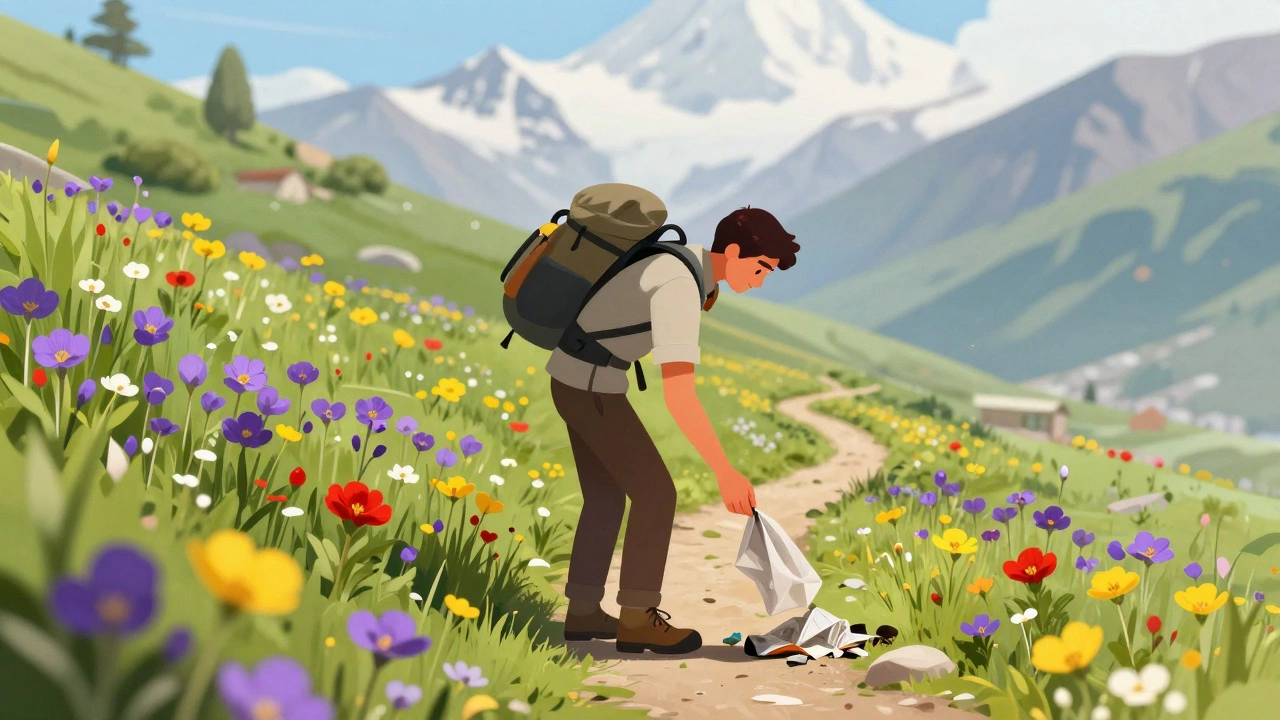
Why do people still litter if the rule is so simple? It usually comes down to a psychological phenomenon called the "Bystander Effect." When you see a trail already littered with a few plastic bottles, your brain tells you that one more bottle won't make a difference. In fact, it's the opposite. Litter invites more litter. When you see trash on a trail in Uttarakhand, the best thing you can do is pick it up, even if it isn't yours. This creates a positive feedback loop. When other hikers see you cleaning, they are far more likely to be mindful of their own waste. You aren't just cleaning the trail; you are changing the culture of trekking in the region.Practical Tips for Zero-Waste Trekking in India
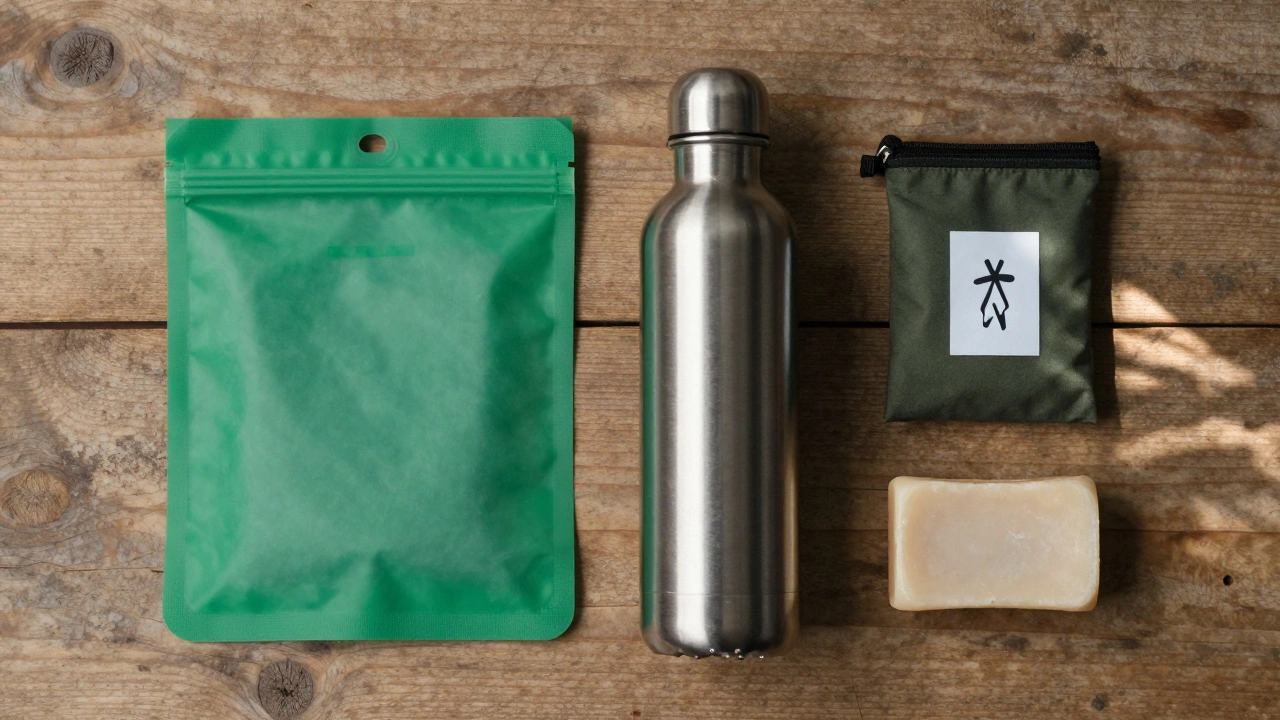
If you want to take the number one rule seriously, you need to change your gear. Standard trekking habits often rely on single-use plastics that are a nightmare to manage in the wild. Here are some specific swaps that actually work.- Switch to Silicone Bags: Instead of Ziplocs for your snacks, use reusable silicone bags. They are durable, leak-proof, and won't rip in your bag.
- Carry a "Trash Bag" Pouch: Dedicate one small, waterproof pouch specifically for trash. If it's easy to access, you're less likely to "accidentally" drop something.
- Use Biodegradable Soap: If you need to wash up near a stream, use a biodegradable soap like Dr. Bronners. However, remember that "biodegradable" doesn't mean you can use it directly in the water. Use it at least 200 feet away from the water source so the soil can filter the chemicals first.
- Ditch the Paper Maps: Use a GPS app or a laminated map. Paper maps often get torn and left behind in the wind, becoming just another piece of litter.
Navigating the Human Element: Local Communities
Following the number one rule isn't just about trees and rocks; it's about people. In many Indian trekking circuits, such as the Kumaon region, the trails pass through small villages and ancestral lands. Respecting the land means respecting the people who live there. Avoid taking shortcuts through private farmland. When you hire a local guide, ask them about the traditional ways they protect the forest. Many indigenous communities in India have practiced a form of "Leave No Trace" for centuries, long before it became a formal set of rules in the West. By listening to them, you gain a deeper understanding of the ecosystem and ensure your presence is a benefit, not a burden, to the local economy.What if I find a lot of trash on a trail? Should I leave it for the cleaning crews?
In many remote Indian trekking spots, there are no official "cleaning crews." Trash often stays there for years until a volunteer group or a local villager decides to clean it. The best practice is to carry out as much as you reasonably can. Even picking up three pieces of trash per trip makes a massive difference when multiplied by thousands of hikers.
Is it okay to use "biodegradable" wipes?
Actually, no. Most "biodegradable" wet wipes take years to break down in cold, high-altitude environments like the Himalayas. They are essentially plastic-hybrid fabrics. The best move is to use a washable cloth or pack out your wipes in a sealed bag.
Does Leave No Trace apply to short day-hikes too?
Absolutely. The impact of a thousand day-hikers is often greater than a few long-distance trekkers. Every piece of fruit peel or cigarette butt left behind contributes to the degradation of the trail and can attract pests that disrupt the local wildlife.
How do I handle human waste in areas without toilets?
The rule is to dig a "cat hole" 6 to 8 inches deep and at least 200 feet away from any water source, trail, or camp. After you're done, fill it back in and cover it with natural debris. In very sensitive alpine zones or high-altitude glaciers, some parks now require you to pack out your waste using specialized bags.
Can I build a stone cairn (stack of rocks) to mark my way?
Please avoid this. While they look artistic, moving rocks can cause soil erosion and destroy the habitats of small insects and reptiles. More importantly, unofficial cairns can confuse other hikers and lead them off the trail, which leads to more environmental damage.