Protected Area Species Calculator
Scientific studies show protected areas with strict enforcement have 41% more species than unprotected lands. Based on data from the journal Nature (2024)
Estimated Biodiversity Impact
When you hear the word "sanctuary," you might think of a quiet church or a peaceful retreat. But in the wild, a sanctuary means something far more urgent: a last line of defense for animals that have nowhere else to go. A wildlife sanctuary isn’t just a place where animals live. It’s a lifeline. It’s where forests, wetlands, and grasslands are locked down, not for tourism, but for survival.
Protection from Human Threats
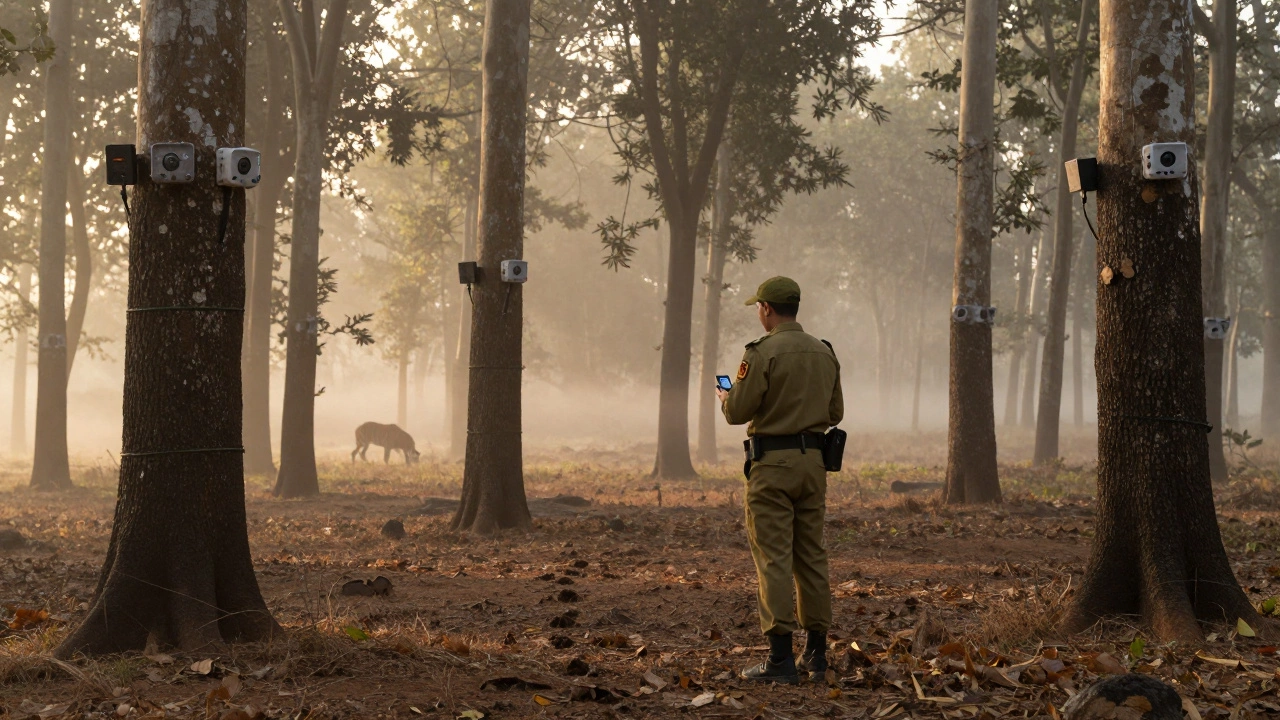
Wildlife sanctuaries exist because humans have pushed too many species to the edge. Poaching, logging, mining, and road construction have torn apart natural habitats across the world. In India alone, over 150 species are listed as threatened by the IUCN. Tigers, elephants, snow leopards, and one-horned rhinos don’t stand a chance without protected zones. Sanctuaries act like legal shields. No hunting. No land clearing. No mining. These rules aren’t suggestions-they’re enforced by law. In places like Corbett National Park or Kaziranga, forest guards patrol daily. Cameras track movement. Drones monitor remote corners. The goal? To keep people out so animals can stay in.
Habitat Preservation, Not Just Animal Containment
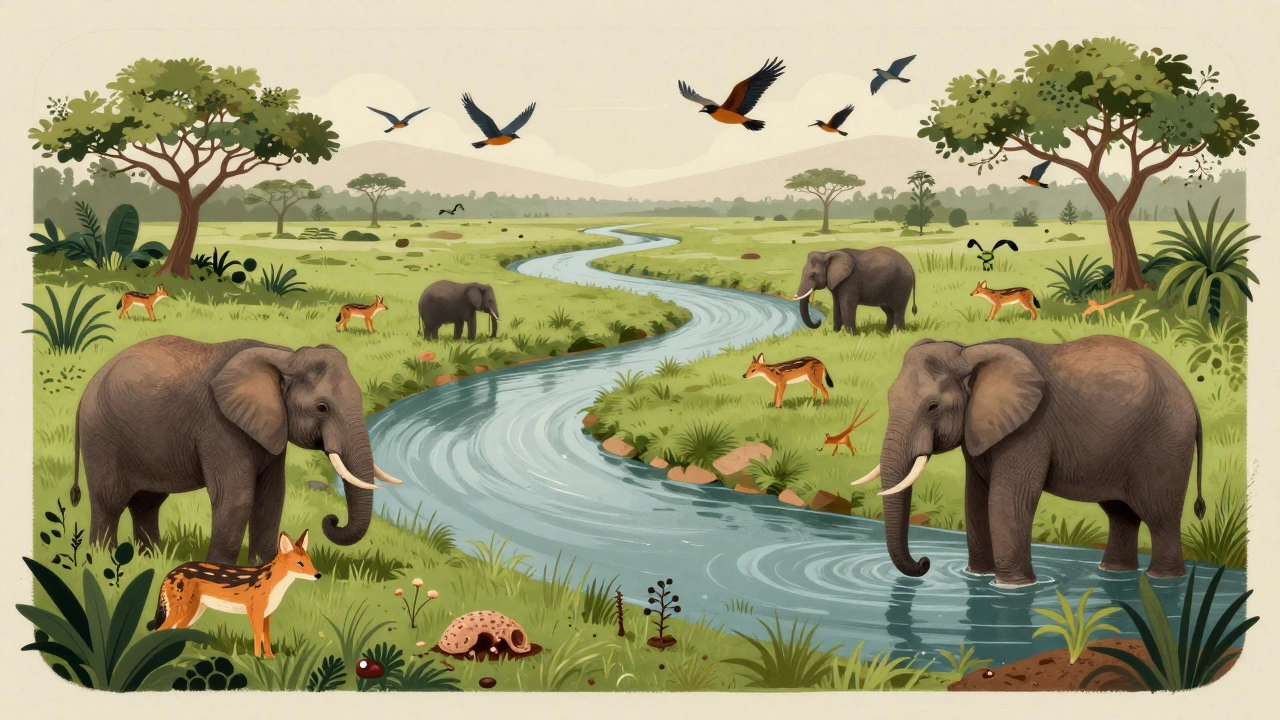
It’s easy to think a sanctuary is just a fenced-off zoo. But that’s not it at all. A true sanctuary protects entire ecosystems. It keeps rivers flowing, trees standing, and grasses growing. Why does that matter? Because animals don’t just need space-they need the right kind of space. A tiger doesn’t just need room to walk. It needs deer to hunt, water to drink, dense cover to hide in, and seasonal trails to follow. When a sanctuary preserves 500 square kilometers of forest, it’s not just saving tigers. It’s saving the whole food chain: insects, birds, fish, plants, and soil microbes that keep the land alive.
Safe Zones for Endangered Species
Some animals are hanging on by a thread. The Indian wild dog, or dhole, has fewer than 2,500 individuals left in the wild. The Bengal florican, a rare bird, has fewer than 1,000. These numbers aren’t just statistics-they’re countdowns. Sanctuaries like the Orang National Park in Assam or the Tal Chhapar Sanctuary in Rajasthan have become critical refuges. Here, breeding programs, anti-poaching units, and habitat restoration work together. In 2023, Kaziranga’s rhino population hit 2,648, up from just 18 in 1908. That’s not luck. That’s decades of protection.
Science and Monitoring
Sanctuaries aren’t just static reserves. They’re living labs. Scientists track animal movements using GPS collars. Camera traps record behavior patterns. Water quality is tested monthly. Soil health is measured. In Bandhavgarh, researchers found that tigers were shifting their territories because of nearby human activity. That data led to the creation of a new wildlife corridor. Without sanctuaries, this kind of science wouldn’t happen. You can’t study what you can’t access. And you can’t protect what you don’t understand.
Buffer Zones and Community Involvement
Here’s a truth many miss: sanctuaries don’t work if they’re islands. If a forest is protected but the villages around it are poor, people will break in-for firewood, for grazing, even for poaching. That’s why modern sanctuaries include buffer zones. These are areas where local communities can live, farm, and even earn income through eco-tourism or sustainable harvesting. In Maharashtra, villagers near Tadoba Sanctuary now run homestays and guide tours. Their income went up 40% in five years. And poaching dropped to near zero. The sanctuary didn’t just save animals-it changed lives.
Climate Resilience
Climate change is making droughts longer, floods wilder, and temperatures hotter. Animals can’t adapt fast enough. But intact ecosystems? They can. Wetlands soak up floodwaters. Forests store carbon. Mangroves shield coasts from storms. Sanctuaries that protect these areas act like natural insurance policies. The Sundarbans, home to the Royal Bengal tiger, is one of the world’s largest mangrove forests. It absorbs more carbon than many industrial cities emit. When cyclones hit, it’s the first barrier between villages and disaster. Protecting the sanctuary isn’t just about tigers. It’s about saving homes.
What Sanctuaries Don’t Do
Let’s be clear: sanctuaries aren’t tourist attractions. They’re not zoos. You won’t find feeding shows, petting areas, or selfie spots. In fact, most sanctuaries limit visitor numbers. In India, permits are often capped at 50 people per day. The goal isn’t entertainment-it’s restoration. You won’t see elephants performing tricks. You might see their footprints in the mud. That’s the point. The quiet moments-when you hear a bird call, see a deer vanish into the brush, or catch the scent of wild jasmine-are the real wins. They remind you that nature doesn’t need an audience. It just needs space.
Why This Matters Everywhere
Wildlife sanctuaries aren’t just an Indian story. They’re a global one. From the Amazon to the Serengeti, the same pattern repeats: when land is protected, wildlife returns. In 2024, a study in the journal Nature found that protected areas with strict enforcement had 41% more species than unprotected lands nearby. That’s not a small difference. That’s the difference between survival and extinction. Sanctuaries don’t fix everything. But they stop the bleeding. And sometimes, that’s enough to let healing begin.
Is a wildlife sanctuary the same as a national park?
No. National parks usually have stricter rules. In a national park, human activity like farming or grazing is completely banned, even in buffer zones. Sanctuaries allow some traditional use-like controlled grazing or collection of non-timber forest products-by local communities. National parks are often created for tourism and education, while sanctuaries focus primarily on animal protection. In India, both are protected under the Wildlife Protection Act of 1972, but their management differs.
Can people visit wildlife sanctuaries?
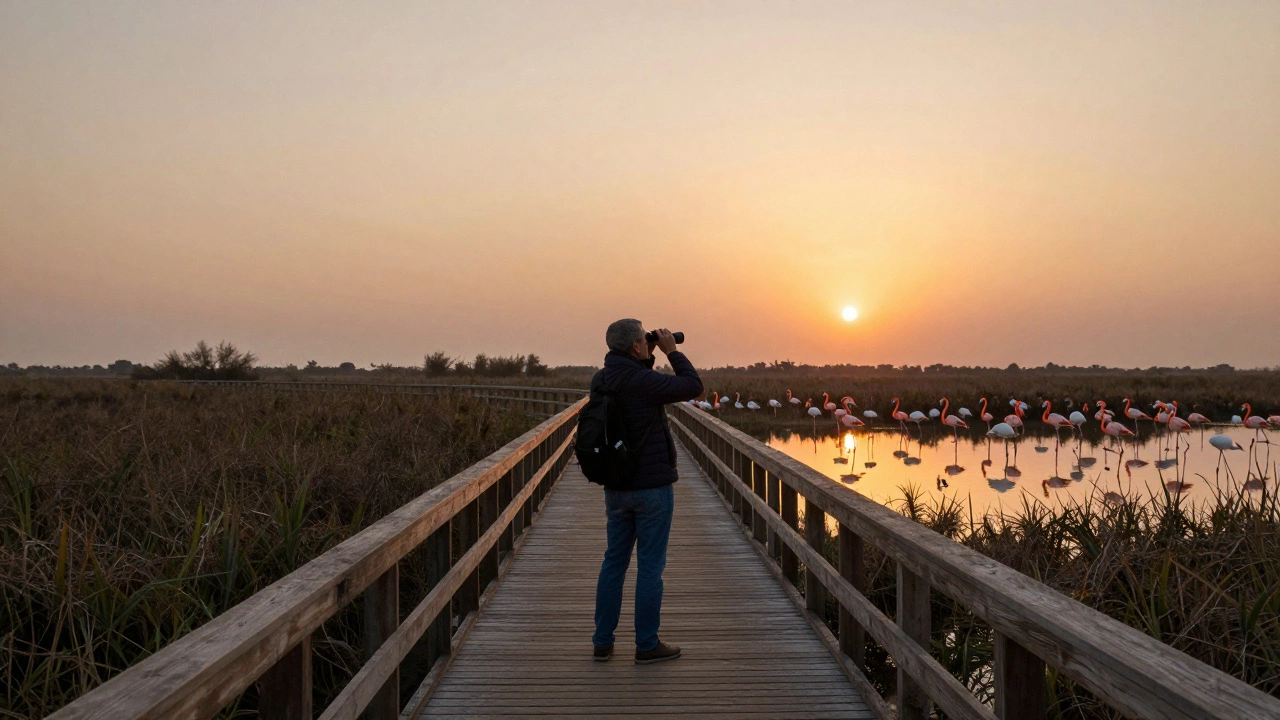
Yes, but access is limited. Most sanctuaries allow guided tours with permits to minimize disturbance. Visitor numbers are capped, vehicles are restricted to designated roads, and noise levels are monitored. The goal isn’t to show animals off-it’s to let people witness them in the wild without disrupting their behavior. Some sanctuaries, like Bhadra in Karnataka, offer night safaris or bird-watching hides. Others, like the Nalsarovar Bird Sanctuary, are designed for quiet observation from boardwalks.
What happens if someone breaks sanctuary rules?
Breaking sanctuary rules is a serious offense in India. Poaching, illegal logging, or trespassing can lead to fines up to ₹25,000 and up to three years in prison under the Wildlife Protection Act. Forest guards have the power to arrest without a warrant. Repeat offenders face longer sentences and asset seizure. In recent years, India has also used technology like AI-powered camera traps and satellite monitoring to catch violators before they strike.
How are sanctuaries funded?
Most sanctuaries in India are funded by the government through the Ministry of Environment, Forest and Climate Change. Additional support comes from NGOs, international conservation groups like WWF, and eco-tourism revenue. Entrance fees, permits, and guided tour income are reinvested into patrols, equipment, and community programs. Some sanctuaries, like Kanha, have started carbon credit programs, where companies pay to offset emissions by funding forest protection.
Are sanctuaries effective in saving species?
Yes, when they’re well-managed. India’s Project Tiger, launched in 1973, created 54 tiger reserves-most of them sanctuaries. Tiger numbers have more than tripled since then, from about 1,400 to over 3,700 in 2024. Similarly, the greater one-horned rhino population in Assam rose from 600 in 1975 to nearly 2,700 today. These aren’t miracles. They’re results of long-term, science-backed protection. The key? Enforcement, community support, and consistent funding.