South India Tourist Destination Comparison
Ask ten travelers which spot claims the crown as the number one tourist place in South India, and you’ll likely get ten different answers. Some will swear by the backwaters of Kerala, a state known for its serene waterways and lush greenery. Others might point to the historic temples of Tamil Nadu, famous for its Dravidian architecture and ancient heritage. But if we look at visitor numbers, global recognition, and sheer variety, one destination consistently rises to the top: Mysore, located in the state of Karnataka. Known as the "City of Palaces," Mysore offers a perfect blend of history, culture, and modern comfort that appeals to almost every type of traveler.
Why Mysore Takes the Top Spot
Mysore isn’t just a city; it’s an experience. It serves as the gateway to some of South India’s most iconic attractions while offering world-class hospitality within its own borders. The city’s layout is clean, well-planned, and incredibly easy to navigate, which makes it a favorite for first-time visitors to the region. Unlike crowded metropolitan hubs, Mysore feels spacious yet vibrant, with a rich cultural pulse that beats through its festivals, food, and architecture.
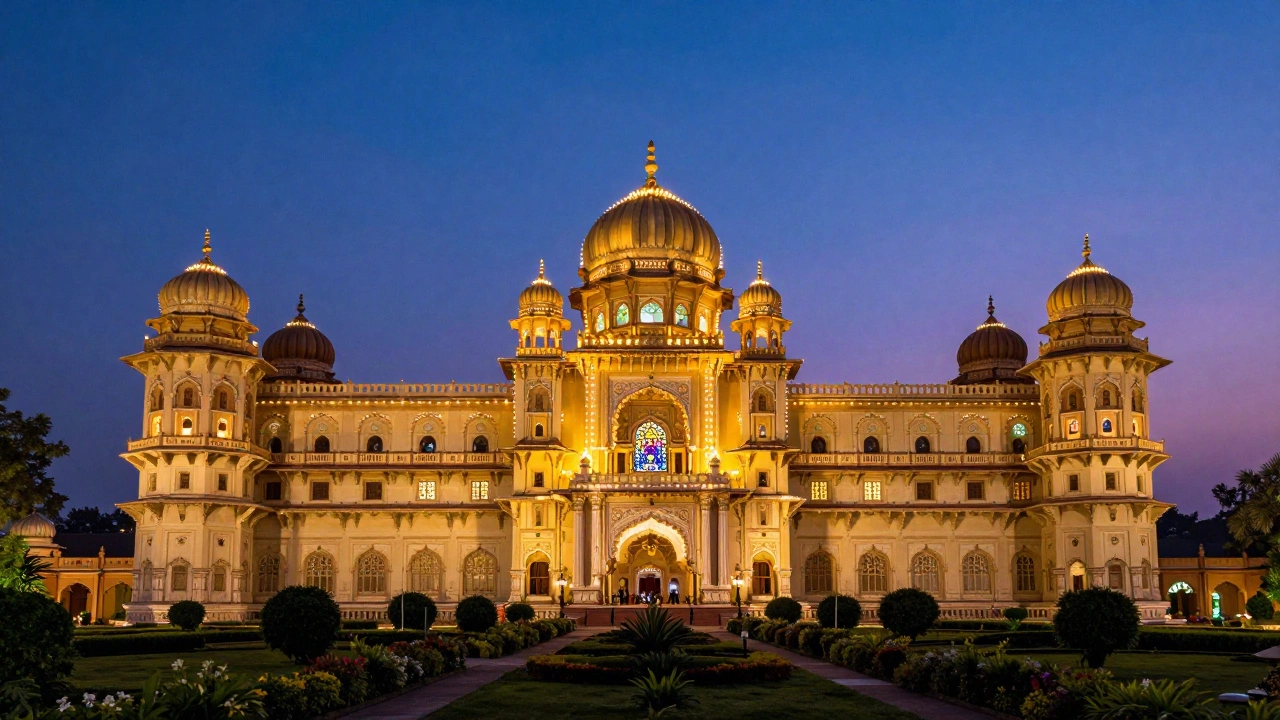
The primary draw is undoubtedly the Mysore Palace, a stunning example of Indo-Saracenic architecture. Built in the late 19th century, this palace complex houses intricate carvings, stained glass windows, and sprawling gardens. Every evening, except on Fridays, the palace lights up with thousands of bulbs, creating a spectacle that draws hundreds of thousands of visitors annually. This lighting ceremony alone contributes significantly to its status as a premier tourist destination.
Beyond the palace, Mysore acts as a strategic base. It sits comfortably between other major attractions like Coorg, known for coffee plantations, and Ooty, the hill station often called the "Queen of Hill Stations." This central location means you can explore diverse landscapes-from plains to hills-without spending hours on the road. For many tourists, this convenience tips the scale, making Mysore the logical starting point and highlight of their South Indian journey.
| Destination | Primary Appeal | Best Time to Visit | Vibe |
|---|---|---|---|
| Mysore (Karnataka) | Palace, Culture, Gateway to Hills | October to March | Royal, Clean, Organized |
| Kerala Backwaters | Nature, Relaxation, Houseboats | September to February | Tranquil, Lush, Slow-paced |
| Chennai (Tamil Nadu) | Temples, Beaches, Metro City | November to February | Urban, Historic, Busy |
| Hampi (Karnataka) | Ancient Ruins, Boulders, History | November to February | Rugged, Spiritual, Adventurous |
The Strong Contender: Kerala’s Backwaters
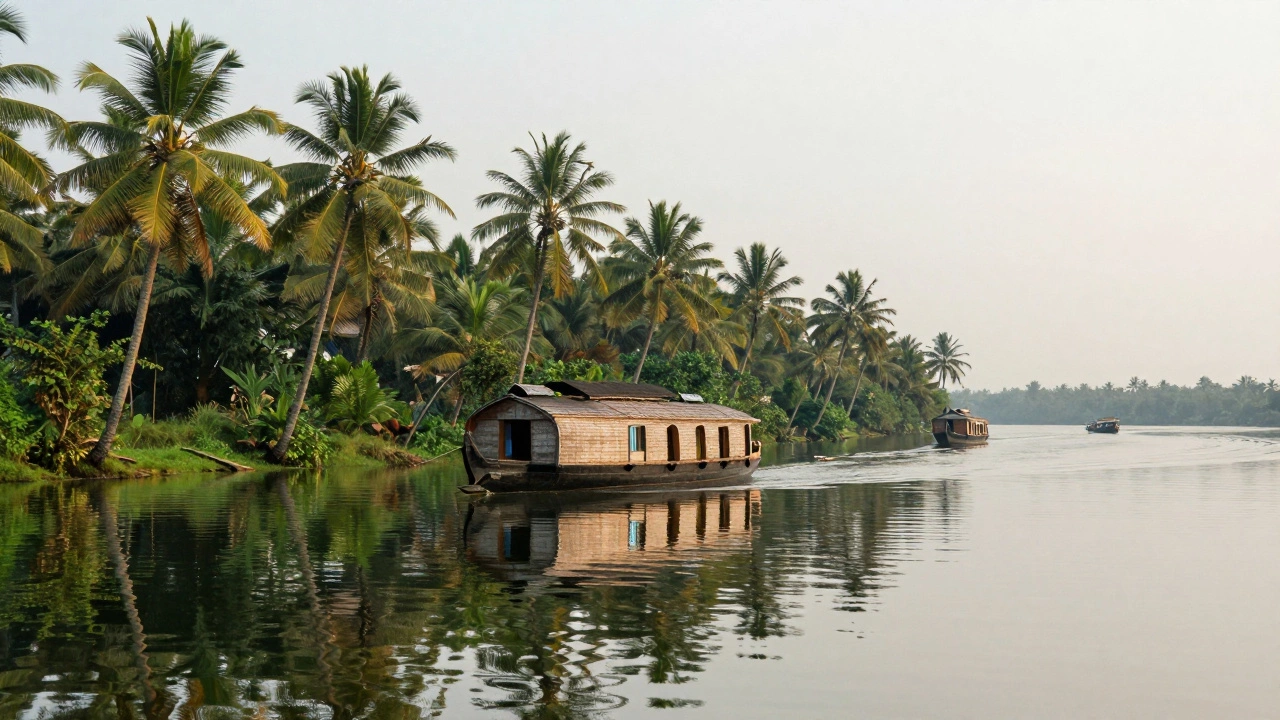
If Mysore wins on infrastructure and variety, Kerala challenges for the title with pure natural beauty. Often marketed as "God’s Own Country," Kerala’s appeal lies in its unique geography. The backwaters-a network of brackish lagoons and lakes parallel to the Arabian Sea coast-offer a travel experience found nowhere else in India. Staying on a houseboat in Alleppey or Kumarakom allows you to glide past coconut groves, paddy fields, and local villages at a leisurely pace.
What sets Kerala apart is its focus on wellness and sustainability. The state has pioneered Ayurvedic tourism, attracting visitors seeking rejuvenation through traditional healing practices. Additionally, Kerala’s eco-tourism initiatives are robust, ensuring that development doesn’t come at the cost of environmental degradation. For travelers who prioritize relaxation over sightseeing, Kerala might feel like the number one choice. However, its reliance on specific seasonal conditions (monsoon rains can disrupt houseboat schedules) and higher costs during peak times make it slightly less accessible than Mysore for the average tourist.
Historical Depth: Tamil Nadu’s Temple Towns
For those whose idea of a great trip involves stepping back in time, Tamil Nadu holds a powerful claim. The state is home to some of the oldest and largest temple complexes in the world. Cities like Madurai, with its magnificent Meenakshi Amman Temple, and Thanjavur, housing the Brihadeeswarar Temple, offer a deep dive into Dravidian art and architecture. These structures are not just religious sites but engineering marvels that have stood the test of centuries.
Chennai, the capital of Tamil Nadu, adds another layer. As a major metropolitan hub, it provides excellent connectivity and a mix of colonial history, modern amenities, and cultural events like the Chennai Music Season. Yet, Chennai’s urban sprawl and heat can be overwhelming for some. While Tamil Nadu offers unparalleled historical richness, it lacks the cohesive "tourist package" feel that Mysore provides, where history, nature, and comfort are seamlessly integrated.
Adventure and Ancient Ruins: Hampi
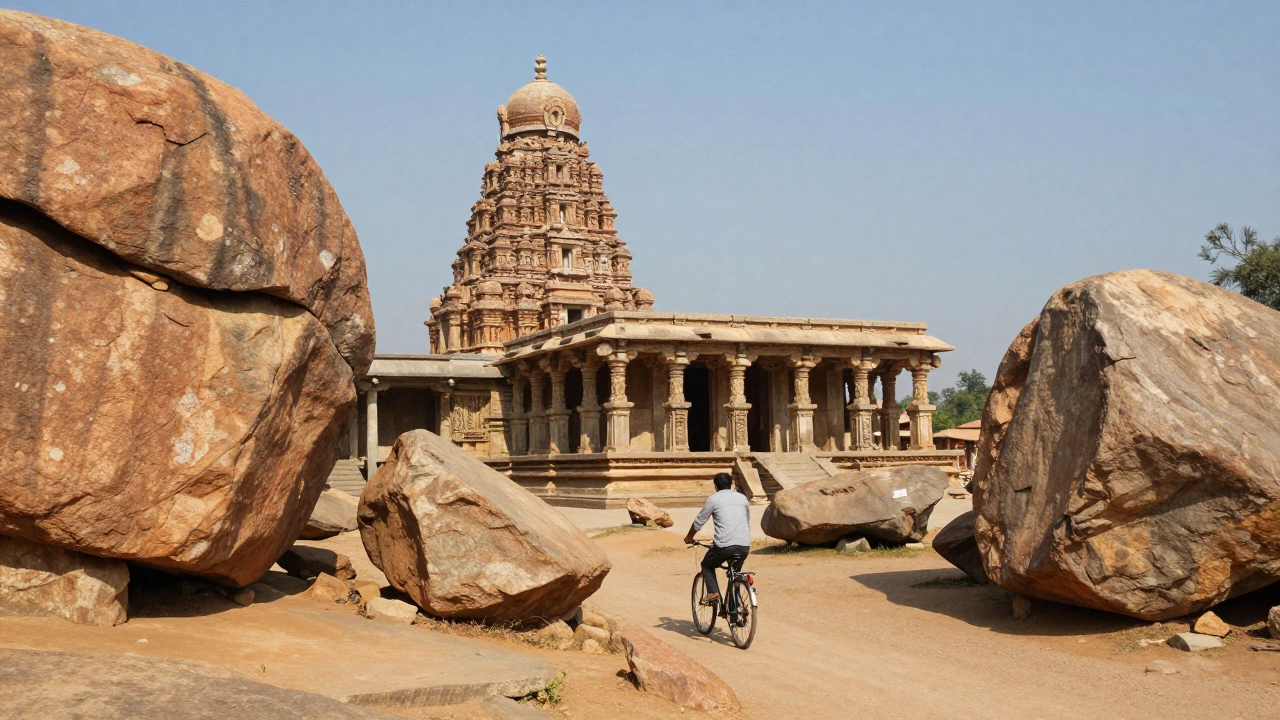
No discussion of South Indian tourism is complete without mentioning Hampi. Once the capital of the Vijayanagara Empire, this UNESCO World Heritage Site is a landscape of massive boulders and crumbling ruins that evoke a sense of mystery and grandeur. Walking through the Virupaksha Temple complex or cycling across the royal enclosure feels like exploring an open-air museum. The rugged terrain attracts trekkers, photographers, and history buffs alike.
However, Hampi’s remote location and lack of extensive urban infrastructure mean it’s often visited as part of a broader itinerary rather than as a standalone destination. Most travelers combine Hampi with nearby Anegundi or Gokarna beaches. While it’s a must-see, its niche appeal limits its ability to dethrone Mysore as the overall number one spot for general tourists.
Practical Tips for Visiting South India’s Top Destinations
Planning a trip to these regions requires some preparation. Here’s what you need to know to make the most of your journey:
- Timing Matters: The best time to visit most of South India is between October and March. Summers (April-June) can be extremely hot, especially in Tamil Nadu and coastal Karnataka. Monsoons (July-September) bring heavy rain, which is great for Kerala’s greenery but can disrupt travel plans elsewhere.
- Transportation: South India has an excellent rail network. Trains connect major cities like Bangalore, Chennai, Coimbatore, and Mysore efficiently. For shorter distances, auto-rickshaws and app-based cabs are reliable and affordable.
- Currency and Payments: While cash is still king in smaller towns and markets, digital payments via UPI (Unified Payments Interface) are widely accepted even in street stalls. Carry some small denominations for tips and minor purchases.
- Dress Code: When visiting temples, modest clothing is essential. Men should wear shirts with sleeves and long pants; women should cover their shoulders and knees. Many temples provide rental shawls or lungis if needed.
- Food Safety: South Indian cuisine is generally safe and delicious, featuring rice, lentils, vegetables, and spices. Stick to busy eateries with high turnover to ensure freshness. Avoid drinking tap water; bottled or filtered water is recommended.
Choosing Your Perfect South Indian Experience
So, which is truly the number one tourist place in South India? If you want a balanced mix of history, ease of travel, and access to diverse landscapes, Mysore is your best bet. It’s the anchor that holds together the rest of the region’s offerings. But if your heart yearns for slow living and natural beauty, Kerala’s backwaters will steal your soul. And if you’re a history enthusiast, Tamil Nadu’s temples offer a spiritual and architectural journey unlike any other.
The beauty of South India is that it doesn’t force you to choose just one path. You can start in Mysore, take a short drive to Coorg for coffee and misty hills, then head south to Kerala for a few days of relaxation. Each destination complements the others, creating a rich tapestry of experiences that define the region’s charm.
Is Mysore safe for solo female travelers?
Yes, Mysore is considered one of the safest cities in India for solo female travelers. It is clean, well-lit, and has a low crime rate compared to larger metros. Women often report feeling comfortable walking around during the day and using public transport. Standard precautions like avoiding isolated areas at night still apply, but overall, it’s a very welcoming destination.
How many days do I need to spend in Mysore?
Two to three days are ideal for exploring Mysore thoroughly. One day is enough for the Mysore Palace, Devaraja Market, and Chamundeshwari Hill. If you plan to visit nearby Srirangapatna (the old capital) or take a day trip to Coorg, add an extra day. This allows you to soak in the city’s relaxed pace without rushing.
What is the best way to travel from Bangalore to Mysore?
The Vande Bharat Express train is currently the fastest and most comfortable option, taking about 2 hours. Alternatively, the highway drive takes approximately 3 hours via the NH75. Bus services are also frequent and affordable, though they may take longer due to traffic. Taxis are available but are more expensive.
Can I visit Kerala’s backwaters during the monsoon season?
It depends on the intensity of the rains. The Southwest Monsoon (June-August) brings heavy rainfall, which can make houseboat navigation difficult or unsafe. However, the post-monsoon period (September-October) offers lush greenery and fewer crowds, making it a good time for budget-conscious travelers. Always check weather forecasts before booking.
Are there vegetarian food options in all these destinations?
Absolutely. South India has a rich tradition of vegetarian cuisine. Dishes like dosa, idli, vada, sambar, and rasam are staples everywhere. Even non-vegetarian restaurants usually offer extensive vegetarian menus. In temple towns like Madurai and Thanjavur, vegetarian options are predominant and highly authentic.