India Cultural Journey Planner
Move beyond the "museum approach." Select your primary interest to see how to turn a standard visit into a deep cultural exchange.
What interests you most?
Select a category on the left to generate your immersive travel strategy.
Quick Summary of Why it Matters
- Economic Boost: It creates jobs in rural areas where factories don't exist.
- Preservation: It gives a financial reason to protect ancient forts and crafts.
- Soft Power: It shares India's philosophy and arts with the global community.
- Social Connection: It bridges the gap between urban travelers and tribal communities.
The Economic Engine Behind the Art
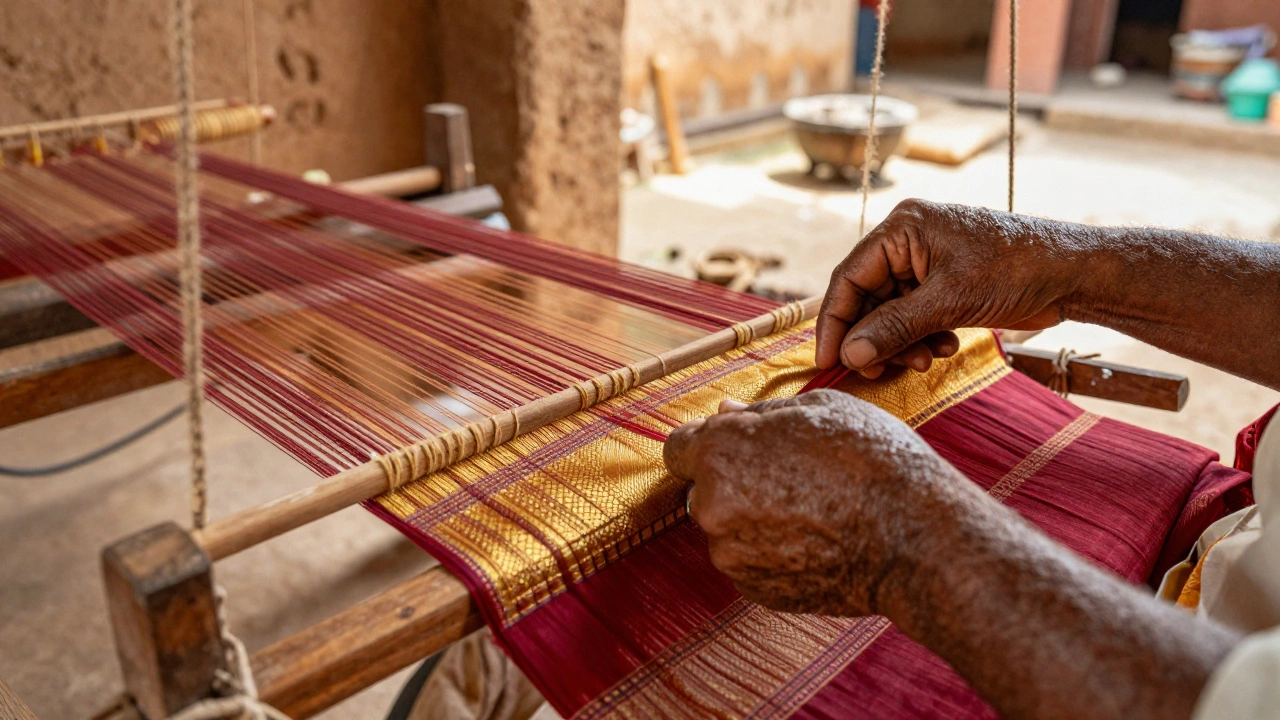
Let's be real: culture doesn't survive if people can't eat. In many parts of India, cultural tourism is the only reason certain traditional arts still exist. When a traveler pays for a hand-woven Kanjeevaram silk saree in Tamil Nadu or a Phulkari shawl in Punjab, they aren't just buying a souvenir. They are funding a lineage of craftsmanship that has been passed down for generations.
Think about the small villages around Rajasthan. Without the influx of tourists interested in folk music and puppet shows, many of these artists would have to migrate to cities for construction work. The money flows directly from the traveler to the artisan, bypassing big corporations. This creates a micro-economy that keeps rural heritage alive. When locals see that the world values their unique way of life, they are more likely to teach those skills to their children rather than abandoning them for a corporate desk job.
Protecting the Physical Past
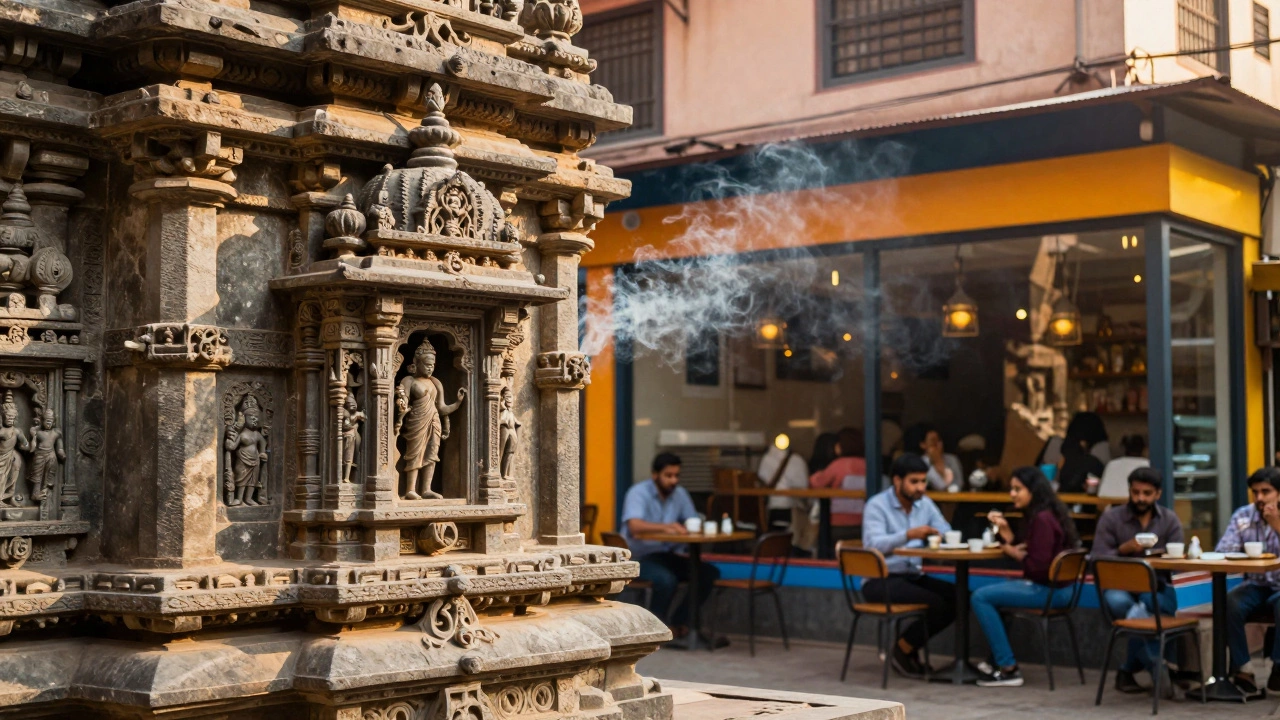
India has a staggering number of UNESCO World Heritage Sites. From the intricate carvings of Hampi to the towering walls of the Red Fort, these sites are fragile. Cultural tourism provides the funding and the political will to maintain them. When a site becomes a global attraction, the government is more likely to allocate budgets for restoration and security.
| Aspect | Without Tourism | With Sustainable Cultural Tourism |
|---|---|---|
| Funding | Limited government grants | Ticket revenue + Global grants |
| Local Pride | Seen as "old ruins" | Seen as a source of pride and income |
| Knowledge | Forgotten oral histories | Hired local guides preserving stories |
However, it's a double-edged sword. Too many people in one spot can lead to "overtourism," where the very thing people come to see gets worn down. This is why the shift toward sustainable, slow travel is so critical. Instead of spending two hours at the Taj Mahal and leaving, the trend is moving toward staying in "heritage homestays" where travelers live with the locals, reducing the pressure on the main monuments and spreading the wealth to smaller neighborhoods.
The Spiritual Magnetism
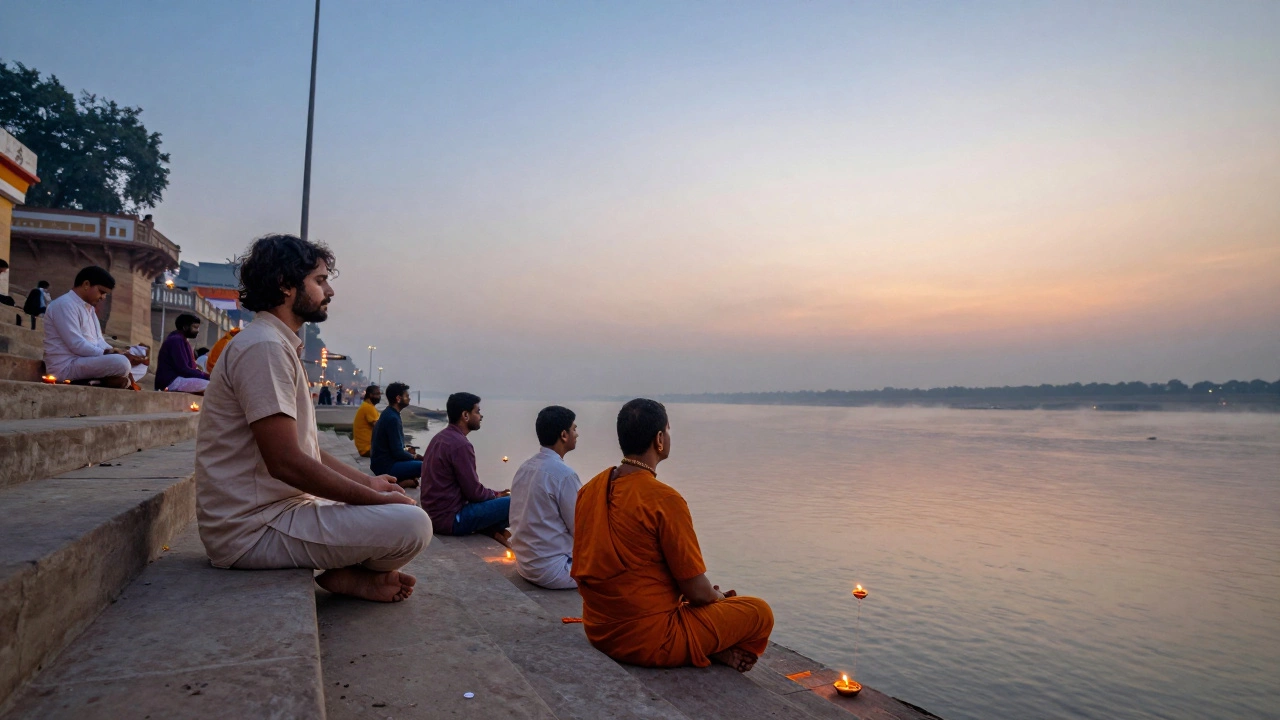
You can't talk about culture in India without mentioning spiritual tourism. For many, a trip to Varanasi isn't a vacation; it's a pilgrimage. This form of tourism is significant because it focuses on the intangible-beliefs, rituals, and philosophy. It's where the physical landscape (the ghats of the Ganges) meets the metaphysical (the cycle of life and death).
This attraction brings in a diverse crowd. You'll see a tech executive from San Francisco meditating at an ashram in Rishikesh alongside a local farmer from Bihar. This creates a unique social melting pot. It forces people to confront different worldviews and practices, fostering a sense of global empathy. When you witness the scale of the Kumbh Mela-the largest human gathering on earth-you realize that cultural tourism in India is often about searching for something bigger than oneself.
Bridging the Gap Between Urban and Tribal
Most of the fame goes to the big cities, but the real magic of cultural tourism often happens in the peripheries. Tribal tourism in states like Odisha or Chhattisgarh allows visitors to interact with indigenous communities. This is significant because it challenges stereotypes. When a visitor learns about the sustainable farming methods of a tribal group or the complexity of their oral poetry, the narrative changes from "primitive" to "sophisticated in a different way."
This exchange works both ways. As tribal communities interact with global travelers, they often find new ways to market their art-like Warli painting-to a worldwide audience via the internet, provided they have the right support. It gives these communities a voice and a seat at the table when discussing land rights and environmental protection, as their culture becomes a recognized asset of the nation.
The "Soft Power" Play
From a national perspective, cultural tourism is India's most effective tool for soft power. When the world consumes Indian yoga, Ayurveda, and classical dance like Bharatnatyam, it changes how the country is perceived. It's no longer just about the economy or politics; it's about a civilization that has influenced the world for millennia.
Think about how many people started practicing mindfulness or eating a plant-based diet because of the cultural influence of India. This "cultural export" happens mostly through tourism. When people visit, they don't just take photos; they take back ideas. They take back a different way of thinking about time, family, and spirituality. This builds a bridge of trust and curiosity that diplomats and politicians simply cannot build on their own.
Common Pitfalls and How to Avoid Them
If you're planning to engage with cultural tourism, avoid the "museum approach." Don't just treat people like exhibits in a gallery. The most rewarding experiences come from active participation. Instead of just watching a weaver, ask to try the loom. Instead of just photographing a ritual, ask about the meaning behind it.
Another trap is the "luxury bubble." Staying in a five-star hotel that looks like a palace is nice, but it strips away the actual culture. To truly experience why this tourism is significant, you have to step into the chaos. Eat the street food in Old Delhi, take the overnight train to Kerala, and talk to the people who don't speak your language. That's where the real cultural exchange happens.
Is cultural tourism in India sustainable?
It can be, but it requires a conscious effort. The trend is shifting toward "community-based tourism" where locals own the lodges and tours. This ensures that the money stays in the community and that the environment isn't destroyed by massive hotel chains. Choosing small-scale, certified eco-tours is the best way to keep it sustainable.
What is the best time of year for cultural experiences?
While the weather is best from October to March, the most vibrant cultural moments often happen during festivals. For example, Holi (Spring) and Diwali (Autumn) offer an immersive look at Indian life. If you want to see the most intense cultural energy, align your trip with these celebrations, but be prepared for massive crowds.
How does cultural tourism differ from regular sightseeing?
Sightseeing is passive-you look at a monument and leave. Cultural tourism is active and immersive. It involves engaging with the people, learning the history, tasting the local cuisine, and understanding the "why" behind the traditions. It's the difference between looking at a picture of a meal and actually eating it.
Are there ethical concerns with visiting tribal areas?
Yes, there is a risk of "commodifying" culture, where traditions are performed purely for money. To avoid this, use guides from within those communities and ensure that your visit is based on respect rather than curiosity. Always ask for permission before taking photos and support local cooperatives that pay fair wages.
Which regions offer the most diverse cultural experiences?
Rajasthan is great for royal history and folk arts. Kerala is the hub for Ayurveda and backwater culture. Varanasi and Haridwar are the epicenters of spiritualism. For a mix of everything, the "Golden Triangle" (Delhi, Agra, Jaipur) is the standard starting point, though the Northeast offers unique tribal cultures that are often overlooked.
Next Steps for Your Journey
If you're ready to move beyond the postcards, start by picking one specific interest. Do you love textiles? Head to the weaving clusters of Maheshwari. Interested in ancient philosophy? Spend a week in a traditional Vedic school. The key is to narrow your focus so you can go deep rather than wide.
For those worried about the logistics, remember that India's infrastructure is improving. Use the high-speed trains for long distances, but don't be afraid to use auto-rickshaws for the last mile. Most importantly, leave room in your itinerary for the unplanned. The most significant cultural moments in India usually happen when you get lost in a side street or get invited for chai by a stranger.