
Ethical Wildlife Sanctuary Scorecard
Picture this: you are standing in the back of a jeep, dust swirling around your boots, waiting for a glimpse of a tiger or an elephant. The guide whispers that this is a "sanctuary," a place where nature is safe. But as you look closer, you notice fences, crowds of other jeeps, and animals that seem more accustomed to engines than trees. It makes you wonder: are these places actually helping, or are they just expensive zoos with better marketing?
The question are wildlife sanctuaries good isn't a simple yes or no. For decades, we have been told that setting aside land is the ultimate solution to extinction. And in many ways, it is. But the reality on the ground is messy. Some sanctuaries are bastions of hope, bringing back species from the brink. Others struggle with corruption, overcrowding, and conflicts with local people who used to live there. To understand if they work, we have to look past the brochures and examine what happens inside those boundaries.
What Exactly Is a Wildlife Sanctuary?
Before judging their effectiveness, we need to know what we are talking about. A wildlife sanctuary is a protected area designated by law to conserve specific wildlife species and their habitats, often allowing limited human activity like research or regulated tourism. This is different from a national park, which usually has stricter rules against any human interference.
In countries like India, the legal framework defines sanctuaries under acts like the Wildlife Protection Act of 1972. The goal is to protect flora and fauna, but the execution varies wildly. In some places, locals can still collect firewood or graze cattle if it doesn't harm the core habitat. In others, access is completely banned. This flexibility is both their strength and their weakness. It allows for community involvement, but it also opens the door for exploitation if management is weak.
The Case for Success: Bringing Species Back from the Brink
Let’s start with the wins, because they are significant. When managed well, sanctuaries are powerful tools for reversing population declines. Take the Bengal tiger. In the early 2000s, fewer than 1,400 tigers roamed the wild. Today, thanks largely to protected areas like Ranthambore National Park and Corbett Tiger Reserve (which function similarly to high-security sanctuaries), that number has doubled. These areas provide the space and prey base needed for big cats to thrive.
It’s not just charismatic megafauna. Smaller creatures benefit too. Bird sanctuaries like Bharatpur in Rajasthan serve as critical stopovers for migratory birds traveling thousands of miles. Without these safe zones, entire migration routes would collapse. The data supports this: studies show that protected areas consistently harbor higher biodiversity levels than unprotected landscapes. They act as lifeboats in a changing climate, preserving genetic diversity that might otherwise be lost.
The Dark Side: Crowds, Corruption, and Stress
However, the success stories come with heavy caveats. One of the biggest criticisms of modern wildlife sanctuaries is commercialization. When a sanctuary becomes a tourist hotspot, the focus can shift from conservation to revenue generation. Imagine a leopard trying to hunt while ten safari jeeps circle its territory. The stress hormones in these animals spike, affecting their ability to reproduce and survive. This phenomenon, known as "behavioral disturbance," is real and documented in many popular parks.
Then there is the issue of enforcement. A sanctuary is only as good as its rangers. In regions with high poaching pressure, underfunded staff can’t cover vast territories. Poachers exploit weak links, using technology like thermal cameras to outsmart guards. Furthermore, political interference sometimes leads to illegal logging or hunting within sanctuary boundaries, undermining years of conservation effort. If the law exists on paper but not in practice, the sanctuary fails its primary job.
Human-Wildlife Conflict: The Cost of Protection
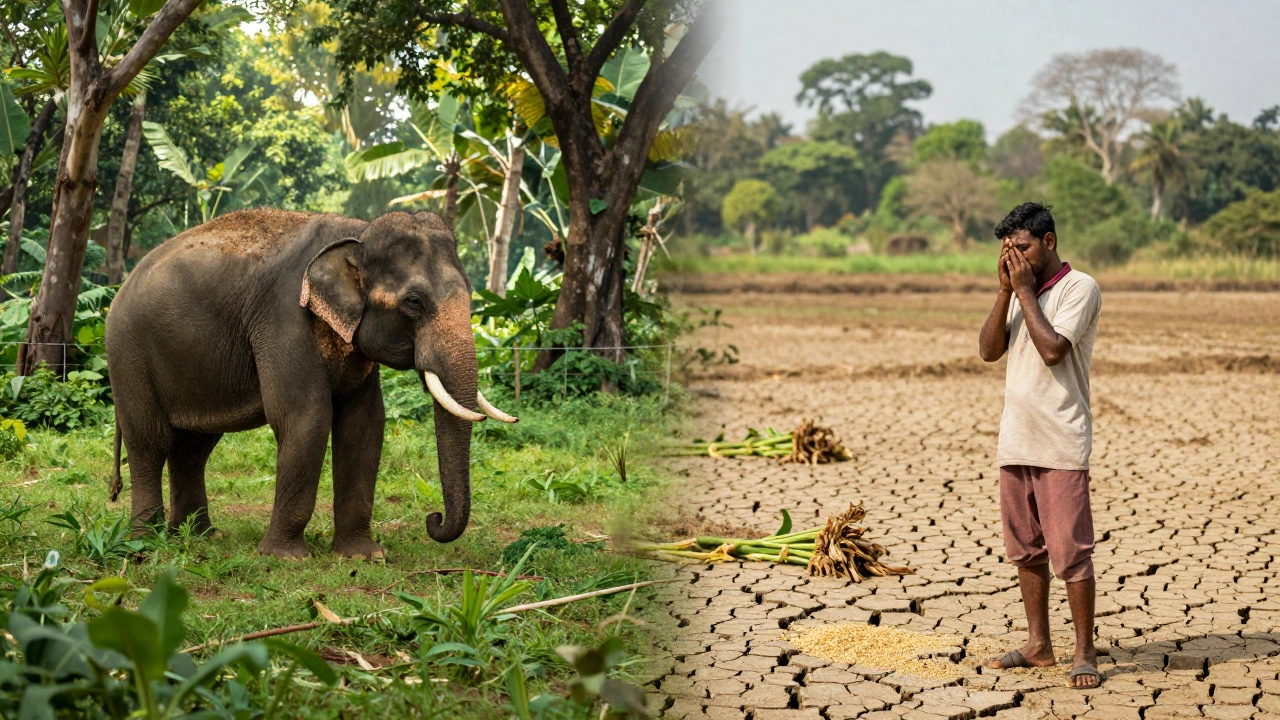
You cannot talk about sanctuaries without addressing the people living next door. Historically, creating protected areas meant displacing indigenous communities. Even today, when animals roam freely within sanctuary borders, they often cross into nearby villages. Elephants raid crops, lions attack livestock, and snakes enter homes. For a farmer losing his livelihood to a protected animal, the concept of a "sanctuary" feels like a punishment.
This friction creates resentment. When local communities feel excluded from the benefits of conservation, they may become indifferent or even hostile toward wildlife. Effective sanctuaries now recognize this. They invest in compensation schemes for crop damage, create buffer zones, and involve locals in eco-tourism jobs. The best models treat humans and wildlife as part of the same ecosystem, rather than enemies competing for space.
| Aspect | Positive Impact | Negative Impact |
|---|---|---|
| Biodiversity | Preserves endangered species and habitats | Can fragment ecosystems if poorly planned |
| Economy | Generates tourism revenue and jobs | Over-commercialization harms animal welfare |
| Community | Opportunities for local employment | Displacement and crop/livestock loss |
| Research | Provides data for scientific study | Data often underutilized or ignored |

How to Tell If a Sanctuary Is Ethical
If you are planning to visit, how do you know if you are supporting good conservation? Look for signs of genuine stewardship. Does the sanctuary limit the number of vehicles per zone? Are guides trained in ecology, not just driving? Do they educate visitors on leaving no trace? Ethical sanctuaries prioritize animal comfort over photo opportunities. They won’t allow you to feed animals, ride them, or get dangerously close. If a place offers "guaranteed sightings" through baiting or luring, walk away. That is entertainment, not conservation.
Also, check where the money goes. Reputable organizations publish reports showing how ticket sales fund anti-poaching units, veterinary care, and community projects. Transparency is key. If a sanctuary seems like a cash grab with no visible conservation outcomes, it likely is one.
The Future: Beyond Fences
The conversation around wildlife sanctuaries is evolving. Scientists and policymakers are moving away from the idea of isolated islands of nature. Instead, they are promoting wildlife corridors-strips of land connecting sanctuaries so animals can migrate and mix genetically. This approach acknowledges that fences don't stop climate change or disease. Animals need room to move.
Additionally, technology is playing a bigger role. Drones monitor poaching activities, AI analyzes camera trap images to track populations, and satellite data helps manage fires and droughts. These tools make sanctuaries smarter and more responsive. The future of conservation isn't just about drawing lines on a map; it's about creating resilient networks that support both wildlife and the people who share their world.
Are wildlife sanctuaries better than national parks?
It depends on the goals. National parks generally have stricter protections and ban most human activities, making them ideal for pristine conservation. Wildlife sanctuaries often allow limited human use, such as grazing or resource collection, which can foster better relationships with local communities. Neither is inherently "better"; they serve different roles in a comprehensive conservation strategy.
Do wildlife sanctuaries help fight climate change?
Yes, indirectly. By protecting forests and wetlands, sanctuaries preserve carbon sinks that absorb CO2 from the atmosphere. Healthy ecosystems are also more resilient to climate impacts like floods and droughts. However, their primary purpose is biodiversity conservation, not direct carbon offsetting.
Is it ethical to visit wildlife sanctuaries?
Visiting can be ethical if done responsibly. Your entry fees often fund conservation efforts. To ensure ethics, choose operators that follow strict guidelines, avoid disturbing animals, and respect local regulations. Avoid attractions that offer direct contact with wild animals, as this usually involves cruel training practices.
Why do some sanctuaries fail?
Sanctuaries fail due to lack of funding, poor enforcement, political interference, and ignoring local community needs. When residents feel marginalized, they may resort to poaching or illegal logging. Successful sanctuaries require sustained investment, strong leadership, and inclusive planning.
How can I support wildlife sanctuaries?
You can support them by visiting responsibly, donating to reputable NGOs working in those areas, and spreading awareness about ethical tourism. Advocating for policies that protect wildlife habitats and supporting sustainable products also helps reduce pressure on these fragile ecosystems.