North India Travel Matcher
Answer these quick questions to find your perfect destination match.
Your Best Match:
Why this state?
Peak Season: | Budget Level:
Score Breakdown
You’ve got the time off, the backpack is packed, and you’re staring at a map of North India. It’s huge. It’s diverse. And honestly? It’s overwhelming. One minute you’re looking at snow-capped peaks in Himachal Pradesh and the next you’re drooling over the desert forts of Rajasthan. So, which one actually wins?
Here is the blunt truth: there is no single "best" state for everyone. If I tell you Rajasthan is the best, I’m lying if you hate heat. If I say Kashmir is paradise, I’m ignoring the logistics if you only have three days. The right answer depends entirely on what kind of traveler you are. Are you chasing adrenaline? History? Peace? Or just good food?
| State | Best For | Peak Season | Budget Level |
|---|---|---|---|
| Rajasthan | Culture, Forts, Luxury Hotels | Oct-Mar | Moderate to High |
| Himachal Pradesh | Trekking, Honeymoons, Snow | Mar-Jun, Dec-Feb | Low to Moderate |
| Uttarakhand | Spirituality, White Water Rafting | Sep-Nov, Mar-May | Low |
| Jammu & Kashmir | Nature, Houseboats, Skiing | Apr-Oct | Moderate to High |
| Punjab | Food, War History, Vibrant Culture | All Year (Winter best) | Low |
Rajasthan: The Heavyweight Champion for Culture Lovers
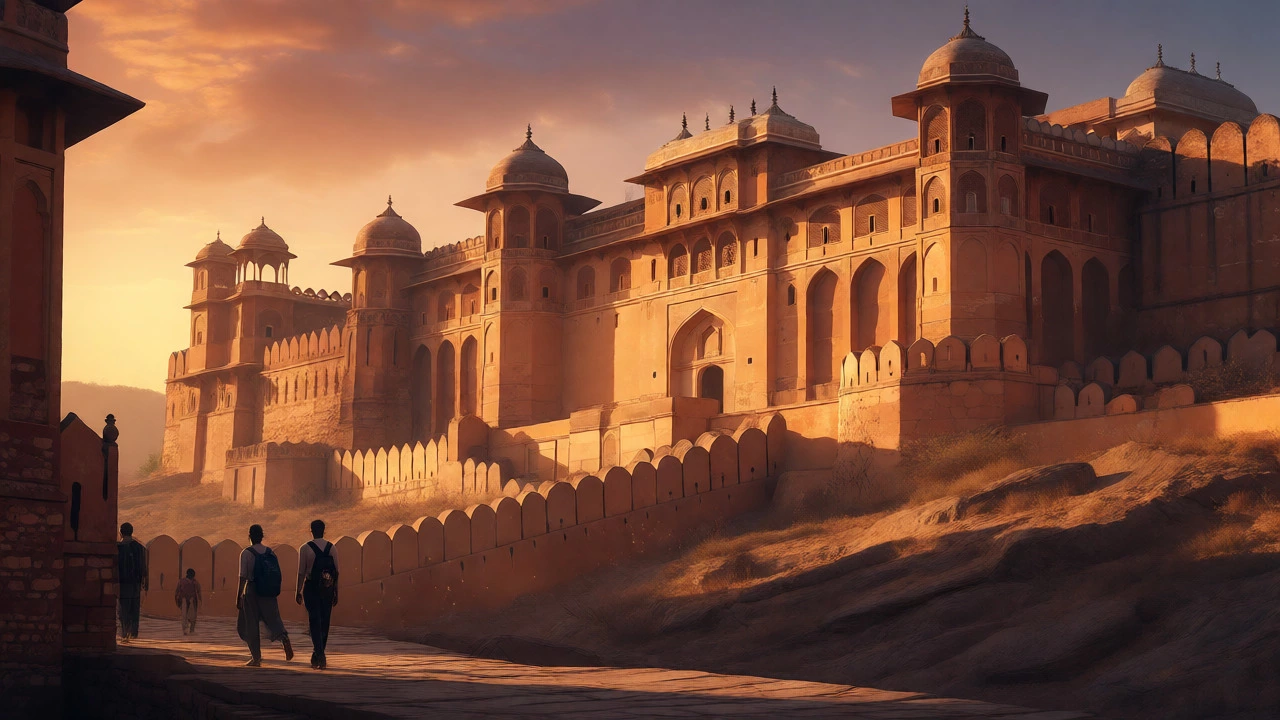
If you want the classic "India" postcard experience, Rajasthan takes the crown. This isn’t just about pretty buildings; it’s about living inside history. Imagine waking up in a palace that used to belong to a Maharaja, drinking chai while looking out at the Aravalli hills. That’s not a dream; that’s standard practice in cities like Jaipur, Udaipur, and Jodhpur.
The infrastructure here is surprisingly robust for tourists. You can hire a private driver for as little as $30-$40 USD a day, or splurge on heritage hotels that cost more than your monthly rent back home. The diversity is staggering. In one week, you can go from the blue city of Jodhpur to the golden sands of Jaisalmer. Just be warned: summer is brutal. Temperatures regularly hit 45°C (113°F) in May and June. Unless you enjoy sweating through your shirt before you even leave the hotel, stick to October through March.
Jaipur, the capital, is often the entry point. It’s chaotic, colorful, and loud. But step away from the main bazaars, and you find quiet courtyards and incredible architecture. The Amber Fort alone can take half a day if you actually read the plaques instead of just taking selfies. For a deeper dive, head to Pushkar. It’s smaller, spiritual, and has a vibe that feels completely different from the rest of the state.
Himachal Pradesh: Where the Mountains Meet Adventure
Let’s flip the script. Maybe you don’t want dusty forts. Maybe you want crisp air, pine forests, and views that make you feel tiny. Enter Himachal Pradesh. This state is arguably the most accessible mountain destination in North India, thanks to decent roads and a well-established tourist trail.
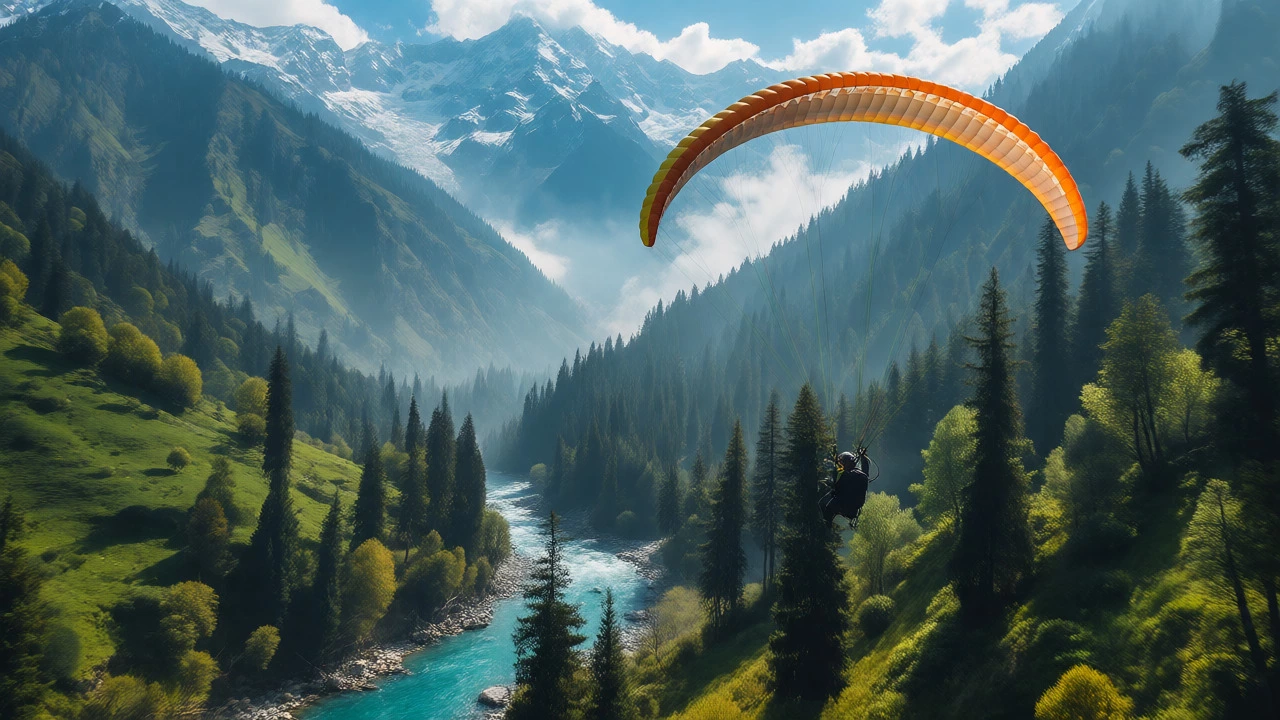
Shimla is the famous name, but let’s be honest-it’s crowded and expensive. If you’re smart, you skip Shimla and head straight for Manali or Kasol. Manali is the hub for adventure sports. Paragliding, rafting on the Beas River, and skiing in Solang Valley are all within a short drive. Kasol, on the other hand, is the hippie capital of India. It’s laid-back, filled with Israeli cafes, and serves as the gateway to some of the best treks in the Himalayas, like the Kheerganga Trek.
One thing people underestimate is the altitude sickness risk. While towns like Dharamshala sit at manageable heights, places like Spiti Valley go above 4,000 meters. If you plan to go high, spend a couple of days acclimatizing in lower altitudes first. Don’t rush. Your body will thank you later.
Uttarakhand: The Soulful Escape
Often called "Dev Bhoomi" (Land of Gods), Uttarakhand offers a mix of spirituality and raw nature that’s hard to beat. It’s less commercialized than Himachal in many areas, making it perfect for travelers seeking solitude.
Rishikesh is the obvious star here. Known globally as the Yoga Capital of the World, it’s also the starting point for white water rafting on the Ganges. The energy here is electric. You’ll see yogis meditating by the river alongside backpackers bouncing around in rafts. It’s a weird, wonderful combo. From Rishikesh, you can easily reach Haridwar for evening Ganga Aarti ceremonies-a sight that genuinely gives you goosebumps.
For those who prefer silence, Nainital and Mussoorie offer colonial-era charm. These hill stations were built by the British and still retain that old-world elegance. But the real magic lies in the national parks. Jim Corbett National Park, the oldest in India, offers tiger safaris. Seeing a wild Bengal tiger in its natural habitat is a bucket-list item for a reason. Book your safari permits months in advance; they sell out faster than concert tickets.
Jammu & Kashmir: Beauty Worth the Hassle
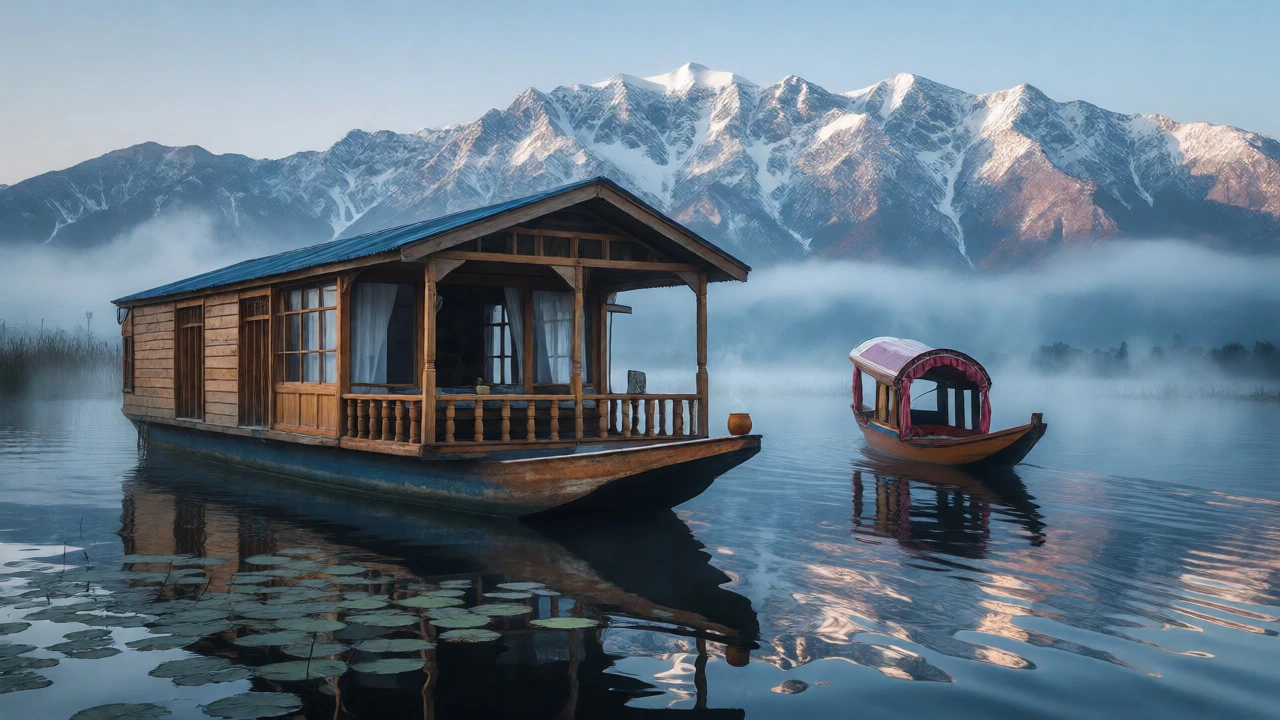
Is Kashmir worth the security checks and occasional travel disruptions? Absolutely. No other place in India looks quite like this. Dal Lake in Srinagar isn’t just a lake; it’s a floating community. Staying in a houseboat is a must-do experience. You sip kahwa (saffron tea) while watching shikara boats glide past lotus gardens.
Gulmarg is another gem. In winter, it’s a ski resort rivaling Europe. In summer, it’s a meadow of wildflowers so vibrant it looks photoshopped. Pahalgam is quieter, ideal for fishing and trout hunting. However, planning requires flexibility. Weather can close roads unexpectedly, especially in winter. Always check local conditions before booking non-refundable tours.
Punjab: The Underrated Foodie Paradise
People often overlook Punjab when thinking about tourism, focusing instead on neighboring states. Big mistake. Punjab is warm, welcoming, and arguably the best place to eat in North India. The food here is rich, buttery, and unapologetic.
Amritsar is the heart of the state. The Golden Temple is stunning, yes, but the Langar (community kitchen) feeding thousands daily is the real story. Walk across the border to Wagah to watch the flag-lowering ceremony-it’s theatrical, loud, and surprisingly moving. Beyond Amritsar, Chandigarh offers modernist architecture designed by Le Corbusier, providing a stark contrast to the rural countryside.
How to Choose Based on Your Travel Style
Still torn? Here is a quick decision tree:
- Choose Rajasthan if: You love history, photography, luxury stays, and don’t mind crowds. Best for couples and families.
- Choose Himachal Pradesh if: You want adventure, nightlife in mountain towns, and easy access from Delhi. Best for solo travelers and groups of friends.
- Choose Uttarakhand if: You seek spiritual peace, yoga, wildlife, or moderate trekking. Best for wellness seekers and nature lovers.
- Choose Kashmir if: You prioritize scenic beauty and unique experiences like houseboats. Best for honeymooners and photographers.
- Choose Punjab if: You are a foodie interested in culture and war history. Best for short trips and cultural immersion.
Practical Tips for North India Travel
No matter which state you pick, keep these practical points in mind. First, transportation. Trains are great for long distances between major hubs (like Delhi to Jaipur), but unreliable for remote mountain areas. Buses are cheap but can be uncomfortable. Hiring a car with a driver is often the best value for families or small groups.
Second, dress code. North India is conservative, especially in religious sites. Cover your shoulders and knees when visiting temples or mosques. In Rajasthan and Punjab, locals appreciate modest dressing, though tourists get a bit of leeway.
Finally, health. Tap water is a gamble. Stick to bottled or filtered water. Carry basic meds for stomach issues-spicy food plus new bacteria equals trouble for unprepared guts. Also, beware of scams in tourist-heavy areas like Old Delhi or Jaipur. Agree on prices before getting into auto-rickshaws, and always be skeptical of "special deals" that sound too good to be true.
Which state is safest for solo female travelers in North India?
Himachal Pradesh and Uttarakhand are generally considered safer and more welcoming for solo female travelers compared to the bustling plains of Rajasthan or Punjab. Hill stations tend to have a more relaxed atmosphere, and locals are accustomed to seeing tourists. However, standard precautions apply everywhere: avoid walking alone late at night, dress modestly, and use trusted transport apps.
What is the cheapest state to visit in North India?
Punjab and Uttarakhand are typically the most budget-friendly options. Accommodation costs are lower, and street food is incredibly cheap and delicious. Himachal Pradesh can also be budget-friendly if you stay in hostels in places like Kasol or McLeod Ganj, avoiding luxury resorts in Shimla or Manali.
Can I visit multiple states in one trip?
Yes, combining states is common. A popular route is Delhi to Agra (Uttar Pradesh) to Jaipur (Rajasthan). Another favorite is Delhi to Rishikesh (Uttarakhand) then onwards to Manali (Himachal Pradesh). Just account for travel time; mountain roads are slow, and traffic in plains can be unpredictable.
When is the worst time to visit North India?
Avoid the peak summer months (May-June) for Rajasthan and Punjab due to extreme heat. Avoid the monsoon season (July-August) for Himachal Pradesh and Uttarakhand due to landslide risks and blocked roads. Winter (December-January) is cold but beautiful in the mountains, though ensure you have proper gear.
Is English widely spoken in these states?
In tourist hubs like Jaipur, Manali, and Shillong (though Shillong is NE India, similar logic applies), English is commonly understood by service providers. In rural areas of Punjab, Rajasthan, or Uttarakhand, Hindi is dominant. Learning a few basic Hindi phrases goes a long way in building rapport with locals.