Goa Travel Planner
Select a month to see detailed conditions, or use the quick-pick buttons below to find your ideal window.
There is no single "perfect" month for everyone. The right time depends entirely on what you want from your trip. Do you want clear blue water for swimming? You need the winter months. Do you want lush green landscapes and empty beaches? You need the monsoon. Are you chasing a party atmosphere or religious festivals? That points to specific weeks in December or February.
Goa’s climate is tropical, driven by the Indian Ocean and the southwest monsoon. Understanding these shifts helps you avoid the worst crowds, the highest prices, and the wettest days. Here is how to match your travel style with the calendar.
The Winter Peak: October to February
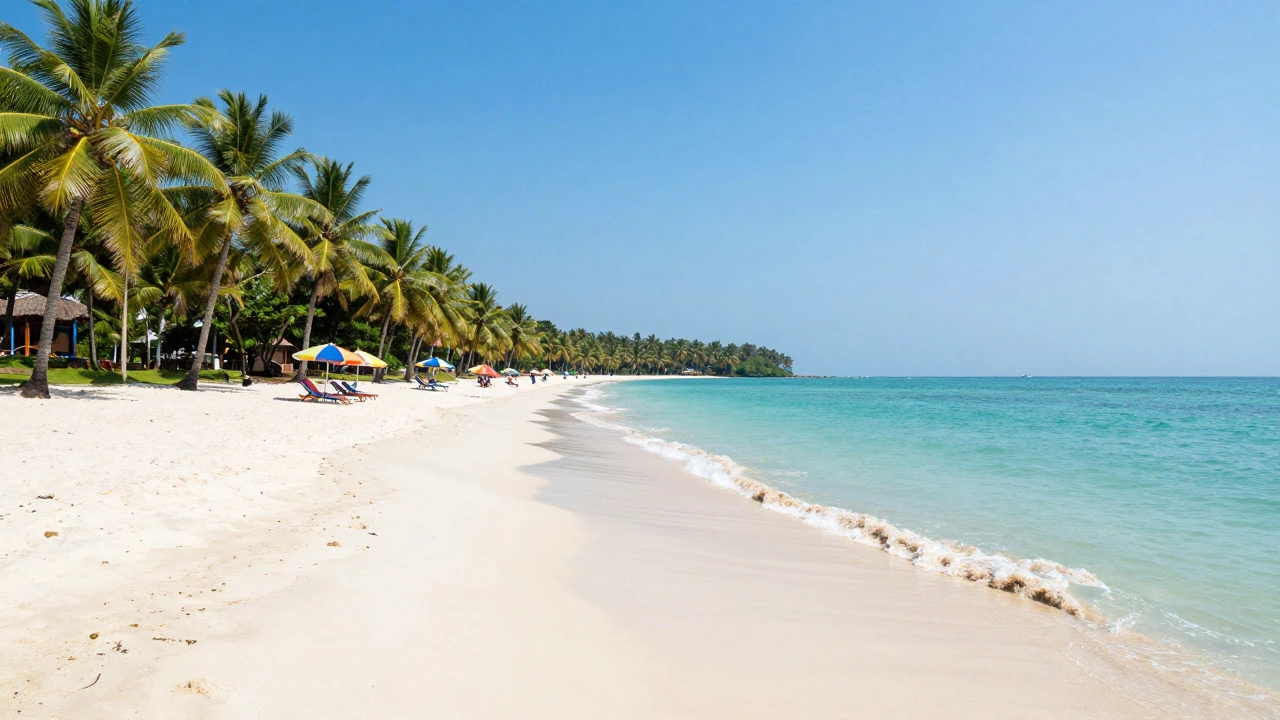
This is the high season for a reason. The weather is dry, sunny, and mild. Daytime temperatures hover between 25°C and 30°C (77°F to 86°F), while nights cool down to around 18°C (64°F). This period offers the best conditions for beach activities like swimming, sunbathing, and water sports.
Baga Beach and Candolim are bustling with tourists during this window. If you prefer quieter sands, head to Palolem in South Goa, which remains more relaxed even in peak season. However, expect higher hotel rates and crowded nightlife spots. This is also when the sea is calmest, making it ideal for families with young children who may not handle rough waves well.
The Monsoon Magic: June to September
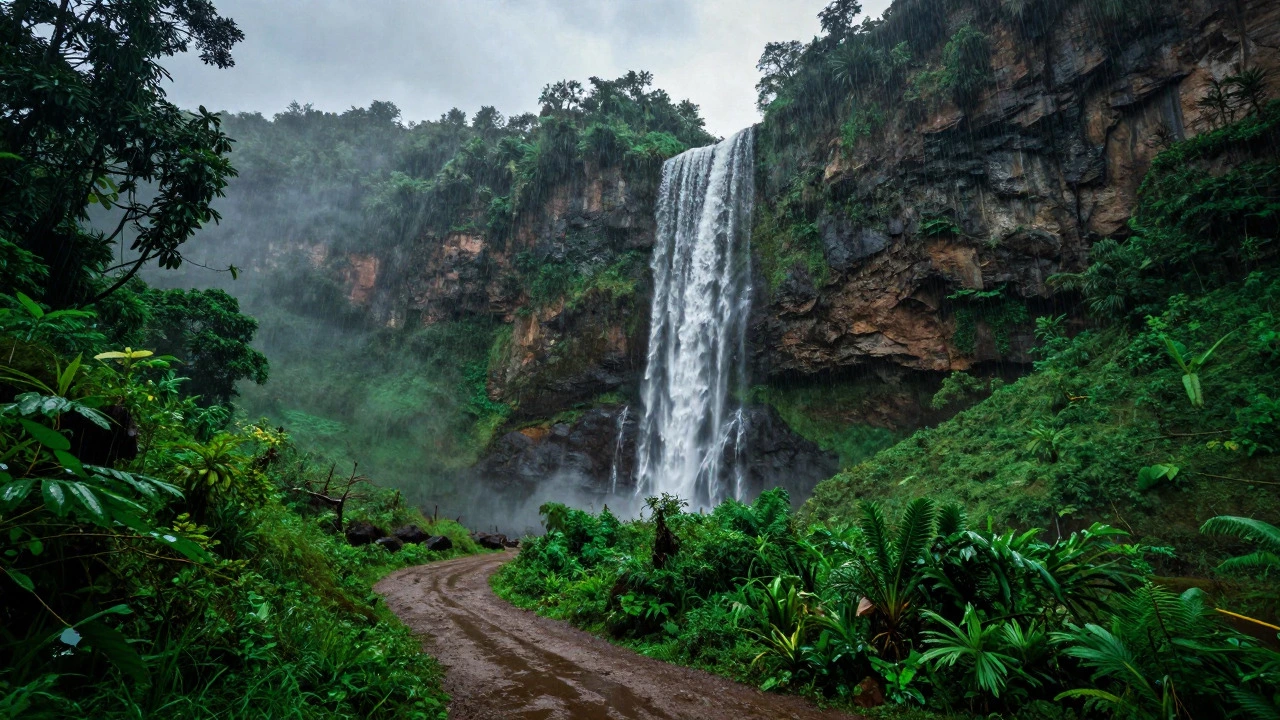
Most travelers skip this period, but it has its own charm. The southwest monsoon brings heavy rainfall, especially in July and August. Average monthly rainfall can exceed 400mm. While this means fewer sunny days, it transforms the landscape into vibrant greenery. Waterfalls like Dudhsagar Falls are at their most powerful, though access roads can be muddy or blocked.
Hotels drop prices significantly, often by 40-50% compared to winter. If you are a solo traveler, digital nomad, or nature lover, this is the sweet spot. The beaches are nearly empty, and you can enjoy long stretches of sand without fighting for a chair. Just pack waterproof gear and plan indoor activities like visiting spice plantations or museums for rainy afternoons. Note that some water sports operators close during heavy rains due to safety concerns.
The Shoulder Seasons: March to May
As winter ends, temperatures rise sharply. By April and May, daytime highs can reach 35°C to 40°C (95°F to 104°F). It gets humid, and the sun is intense. However, this period is perfect if you want to avoid the winter crowd without dealing with rain. Prices start to dip slightly as the heat sets in, and many resorts offer discounts to fill rooms.
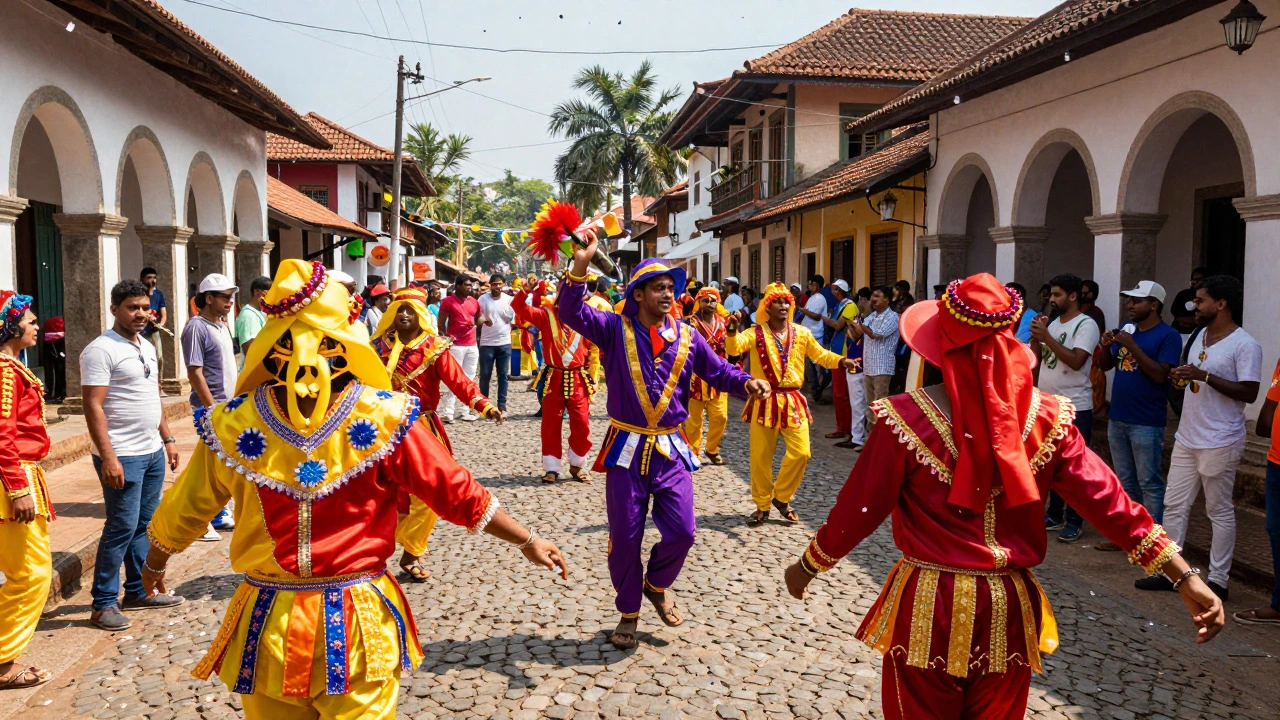
This is also the time for major cultural events. The Shigmo Festival takes place in February/March, featuring colorful processions and traditional dances. If you visit in late March or early April, you might catch the tail end of these celebrations before the heat peaks. Swimming is still possible, but the water temperature feels warmer, and UV protection is essential.
Special Event Windows
Some times of year are defined by events rather than just weather. Here are the key dates to consider:
- Christmas and New Year (Dec 20 - Jan 2): The busiest and most expensive period. Hotels sell out months in advance. Expect packed clubs, full restaurants, and premium pricing. Ideal for those who love a festive, high-energy vibe and don’t mind the cost.
- Goa Carnival (February): Held over four days leading up to Ash Wednesday. Streets fill with parades, music, and costumes. A unique cultural experience that blends Portuguese heritage with local traditions.
- Monsoon Retreats (July-August): Many yoga and wellness retreats operate only during this time, leveraging the quiet and greenery. Perfect for introspective travelers seeking solitude.
Cost Comparison by Season
Your budget will fluctuate dramatically depending on when you book. Below is a general comparison of average costs for mid-range accommodations and flights:
| Season | Months | Hotel Rate (Mid-Range) | Flight Price Trend | Crowd Level |
|---|---|---|---|---|
| Peak Winter | Nov - Feb | High (₹4,000 - ₹8,000+/night) | Highest | Very High |
| Shoulder | Mar - May | Moderate (₹2,500 - ₹5,000/night) | Moderate | Moderate |
| Monsoon | Jun - Sep | Low (₹1,500 - ₹3,500/night) | Lowest | Low |
Note that prices vary based on location; North Goa tends to be pricier than South Goa, especially near popular beach strips. Booking directly with hotels sometimes yields better deals than using third-party platforms, particularly during shoulder seasons.
Choosing Your Perfect Window
To help you decide, consider your primary goal:
- For Beach Relaxation & Swimming: Choose November to January. The sea is calm, and the weather is pleasant.
- For Budget Travelers: Target June to August. You’ll get significant savings on stays and food, plus exclusive use of the beaches.
- For Culture & Festivals: Plan for February (Carnival) or December (Christmas). Be prepared for crowds and higher costs.
- For Adventure & Nature: Late October or early March offer a balance of good weather and lower crowds, ideal for exploring forts and waterfalls.
Whichever time you choose, book accommodation in advance if traveling during peak periods. For monsoon visits, check road conditions daily, as landslides can occasionally disrupt travel to remote areas. Goa is beautiful year-round, but aligning your visit with your priorities ensures a smoother and more enjoyable experience.
Is it safe to swim in Goa during the monsoon?
It depends on the specific beach and day. During heavy rains, waves can be strong and currents unpredictable. Always check local flags and advice from lifeguards. Calmer bays like Palolem are safer than open coastlines like Anjuna during storms.
Which month has the least rain in Goa?
January typically has the least rainfall, averaging less than 5mm for the entire month. February follows closely with similar dry conditions.
Are hotels cheaper in May?
Yes, May is considered the end of the shoulder season. As temperatures rise, demand drops, leading to discounted rates compared to winter. However, it is still more expensive than the deep monsoon months.
What should I wear in Goa during summer?
Light, breathable fabrics like cotton or linen are essential. Bring sunglasses, a hat, and high SPF sunscreen. Evenings can be warm, so lightweight layers are sufficient for dining out.
Can I visit Dudhsagar Falls in winter?
You can visit, but the flow is minimal compared to the monsoon. The waterfall is still scenic, but if you want the full power and spray, aim for July or August. Access via jeep or trek requires checking current trail conditions.