
South India Travel Planner
Select a region and month to check if it's a good time to visit, considering monsoons and temperature.
You’ve probably heard that South India is hot. It’s not just hot; it’s a complex mix of tropical humidity, dry heat, and heavy rains depending on where you stand. If you book your tickets based on a generic "India" guide, you might end up stranded in Kerala during the peak monsoon or sweating through temple visits in Chennai when the temperature hits 40°C (104°F). The region doesn’t have one single best time. It has several, depending on which state you’re targeting.
Most travelers assume November to February is the golden window. And yes, for the western coast like Kerala and coastal Goa, this is prime time. But if you’re heading to the eastern side, specifically Tamil Nadu, that same period can be surprisingly wet due to the Northeast Monsoon. Meanwhile, the hill stations like Ooty and Munnar have their own microclimates that defy the mainland rules.
The Short Answer: A Quick Cheat Sheet
If you want the simplest answer without reading the whole breakdown, here is the general rule of thumb. However, treat these as starting points, not absolute laws.
| Region | Best Months | Avoid These Months | Why? |
|---|---|---|---|
| Kerala & Goa (West Coast) | September - March | June - August | Monsoons are intense here; roads get blocked. |
| Tamil Nadu & Pondicherry (East Coast) | October - March | November - December | Northeast monsoon brings flooding to Chennai. |
| Karnataka (Bangalore & Coorg) | October - May | July - September | Moderate rain makes travel slow but green. |
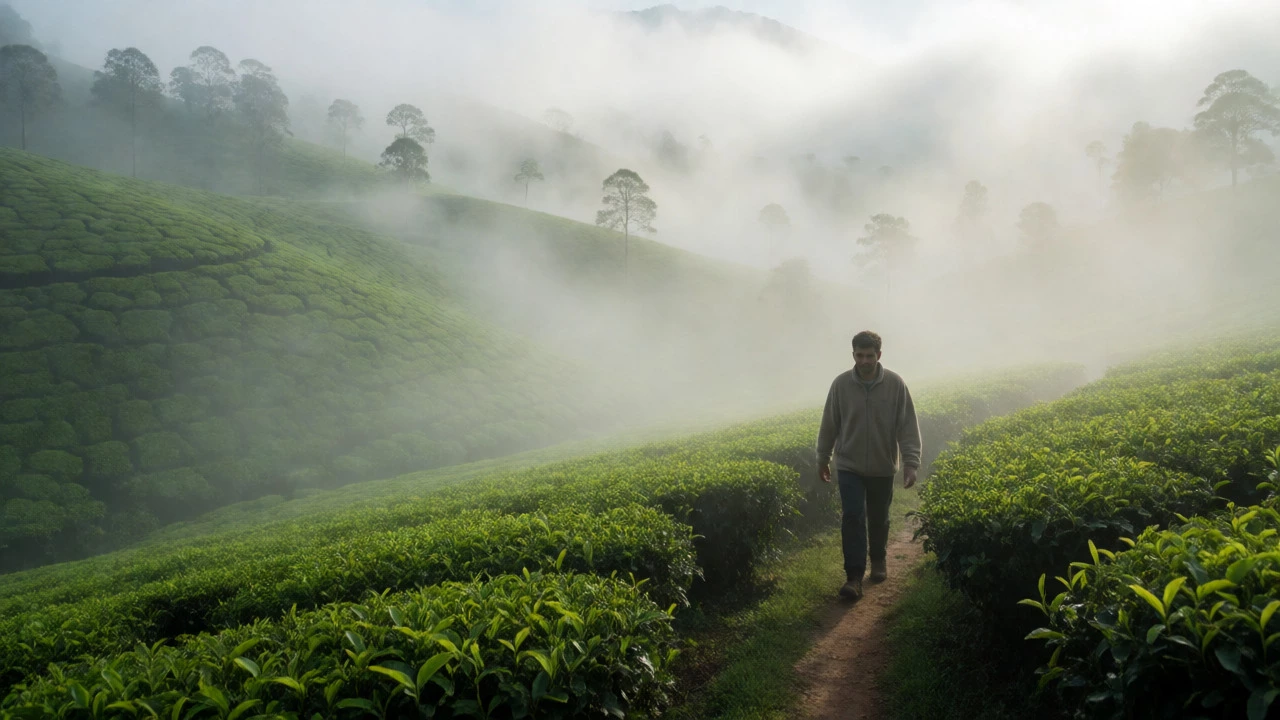
| Hill Stations (Ooty, Munnar) | April - June | December - January | Cold foggy mornings; perfect for escaping heat. |
Understanding the Three Seasons
To pick the right dates, you need to understand the three distinct phases of weather in the subcontinent. Unlike North India, which freezes in winter, South India stays warm year-round. The variation comes from rainfall and humidity levels.
The Winter Window (October to March)
This is what most tourists think of as "the good time." Temperatures hover between 20°C and 30°C (68°F-86°F) in coastal areas. In cities like Bengaluru, it’s crisp enough to wear a light jacket in the morning. This is ideal for sightseeing because you won’t collapse from heatstroke while walking around temples in Madurai or Thanjavur.
However, there’s a catch. This is peak tourist season. Hotel prices in Goa and Alleppey spike by 50-100%. If you’re looking for deals, this isn’t the time. You’re paying for comfort and predictability.
The Summer Heat (April to June)
Do not underestimate April and May. In places like Hyderabad and Vijayawada, temperatures routinely exceed 40°C (104°F). Humidity climbs, making it feel sticky and oppressive. For beach lovers, this is actually okay if you stay near the water, but inland travel becomes miserable.
There is an exception: the Hill Stations. While the plains bake, places like Wayanad and Coonoor remain pleasant. If you hate crowds, summer is actually great for visiting hill stations because fewer people brave the lowland heat to climb up. Just book early; locals also escape to the hills during this time.
The Monsoon Split (June to September)
Here is where most travel guides get confusing. There are two monsoons affecting South India, and they hit different sides at different times.
- The Southwest Monsoon (June-September): Hits the West Coast hard. Kerala, Karnataka coast, and Goa get drenched. Boat rides in Kerala backwaters often stop. Trekking in Western Ghats can be dangerous due to landslides.
- The Northeast Monsoon (October-December): Hits the East Coast. Tamil Nadu, including Chennai and Pondicherry, gets its main rainfall during late autumn. So, while Kerala is drying out in October, Chennai might be flooding.
If you plan to visit both coasts, timing is critical. Don’t try to do a grand tour of both Kerala and Tamil Nadu in November unless you check local forecasts daily.
State-by-State Breakdown
Let’s drill down into specific destinations because "South India" is too broad a term to give useful advice.
Kerala: The Backwater Rule
Kerala is synonymous with houseboats and spice plantations. The best time here is strictly September to March. Why? Because the southwest monsoon ends in September. By October, the rivers are full but navigable, and the air is fresh after months of rain.
Avoid June to August if you want to use houseboats. Many operators suspend services or reduce routes due to high water levels and strong currents. Also, leeches are common in trekking trails during peak monsoon. If you love rain, however, Kerala in July is lush, empty, and cheap. Just bring waterproof gear.
Tamil Nadu: Temples and Beaches
Tamil Nadu is vast. Coastal towns like Mahabalipuram and Pondicherry are best visited from October to March. But wait-remember the Northeast Monsoon? November and December can see heavy cyclonic activity in Chennai. Check weather alerts before booking flights to Chennai airport during these months.
Inland cities like Madurai and Trichy are scorching in summer. Visit them in winter. If you’re interested in the Chennai Music Season (Margazhi), it happens in December and January. It’s culturally rich but logistically chaotic due to crowds.
Karnataka: Coffee and Culture
Bangalore enjoys moderate weather almost year-round thanks to its elevation. You can visit anytime, but October to February is nicest. For coffee plantations in Chikmagalur and Coorg, aim for post-monsoon (October-February). The beans are harvested then, and the landscape is vividly green.
Avoid traveling to Coorg in July and August if you dislike mud. The plantation roads become slippery, and jeep safaris in Nagarhole National Park may close during peak rain.
Goa: The Party vs. Peace Debate
Goa is technically West India, but it’s often grouped with South India trips. Peak season is December to January. That’s when the sunburns happen, and the clubs are packed. Prices triple.
If you want quiet beaches and lower rates, go in February or March. The weather is still dry and sunny, but the Christmas/New Year crowd has left. Avoid June to September unless you enjoy dramatic skies and closed shacks. The sea turns rough, and swimming is often prohibited.

Special Considerations: Festivals and Wildlife
Your trip might align with major cultural events or wildlife seasons, which changes the "best time" calculus.
Festival Calendar
- Pongal (January): Harvest festival in Tamil Nadu. Great for culture, but expect hotel surcharges.
- Onam (August/September): Kerala’s biggest festival. Houseboat tours are festive but crowded.
- Dussehra/Diwali (October/November): Fireworks and lights everywhere. Traffic in cities like Mysore and Hyderabad can be gridlocked.
Wildlife Safaris
If you’re visiting Periyar National Park or Bandipur National Park, avoid the deep monsoon. Parks often close core zones during heavy rains. The best time for tiger sightings is generally April to May, when animals gather around shrinking water holes. Yes, it’s hot, but visibility improves significantly.
Practical Tips for Your Booking Strategy
Now that you know the seasons, how do you actually book smartly?
- Book Flights Early for Winter: If you’re traveling December-January, book flights 3-4 months in advance. Prices jump closer to the date.
- Use Shoulder Seasons: September and March are underrated. Weather is transitioning, but prices drop, and crowds thin out. You might get lucky with clear skies.
- Check Local Forecasts, Not General Ones: Rain in Bangalore doesn’t mean rain in Mangalore. Use apps like AccuWeather or IMD (India Meteorological Department) for city-specific data.
- Pack for Layers: Even in summer, hill stations get cold at night. Carry a light fleece. In winter, coastal areas are warm, but evenings can be breezy.
What to Pack Based on Timing
Your luggage should match the season. Here’s a quick checklist:
- Winter (Oct-Mar): Light cotton clothes, a scarf for evening breezes, comfortable walking shoes. Sunscreen is mandatory even if it’s cool.
- Summer (Apr-Jun): Breathable linen, hats, sunglasses, electrolyte powders. Stay hydrated.
- Monsoon (Jun-Sep): Waterproof backpack cover, quick-dry pants, sandals with grip, mosquito repellent. Leech socks if trekking in Kerala.
Common Mistakes Travelers Make
I’ve seen plenty of folks mess up their itineraries. Here are the big ones:
- Assuming One Weather Fits All: Planning a trip to Chennai and Munnar in the same week in November? You’ll face rain in the city and fog in the hills. Adjust expectations.
- Ignoring Domestic Flights: Roads in South India are good, but distances are long. Bangalore to Kochi is 700km. Flying saves hours. Book domestic legs early.
- Underestimating Humidity: Dry heat in Delhi is one thing; humid heat in Kochi is another. Acclimatize slowly. Don’t schedule intense yoga retreats on day one.
Is June a bad time to visit South India?
For most tourists, yes. The southwest monsoon hits Kerala and Karnataka hard, causing travel disruptions. However, if you love rain and want solitude, it’s beautiful. Just avoid outdoor-heavy itineraries.
Which part of South India is coldest in winter?
The hill stations like Ooty, Kodaikanal, and Munnar are coldest. Temperatures can drop below 10°C (50°F) at night. Coastal areas remain mild.
Can I visit Kerala during the monsoon?
Yes, but activities are limited. Houseboat cruises may stop, and trekking paths can be muddy. It’s a great time for Ayurvedic treatments and spa resorts, though.
Is December expensive in South India?
Yes, especially in Goa and Kerala. Hotel rates and flight costs peak. If budget is tight, consider February or March instead.
Does it snow in South India?
Rarely. Only very high peaks in the Western Ghats might see frost, but actual snowfall is extremely uncommon compared to North India.