Indian Island Destination Finder
Destination Name
Short description
- Feature 1
- Feature 2
- Feature 3
- Feature 4
Select your preferences and click "Find My Perfect Island" to get personalized recommendations.
Let’s be honest: the Maldives has a reputation problem. It is beautiful, sure, but it is also expensive, predictable, and increasingly crowded with tourists seeking that same overwater bungalow photo op. If you are looking for crystal-clear turquoise waters, powdery white sand, and world-class snorkeling without draining your bank account, you do not need to look as far as the Indian Ocean’s most famous archipelago. You just need to look closer.
India hides some of the most stunning island destinations on the planet, many of which offer better value, richer biodiversity, and more authentic cultural experiences than their Maldivian counterparts. Whether you want luxury resorts that rival the best in Asia or rugged backpacker adventures, these Indian islands are ready to steal the show.
Is Andaman better than Maldives?
For most travelers, yes. The Andaman Islands offer superior snorkeling and diving sites like Baratang and Havelock at a fraction of the cost. While the Maldives focuses on resort exclusivity, Andaman provides a mix of adventure, history, and nature that appeals to a broader range of budgets.
The Crown Jewel: Andaman and Nicobar Islands
If there is one place that consistently beats the Maldives on both beauty and value, it is the Andaman and Nicobar Islands, a union territory of India located in the Bay of Bengal. This archipelago comprises over 572 islands, only about 38 of which are inhabited. The sheer scale and diversity here make it a top contender for any beach holiday.
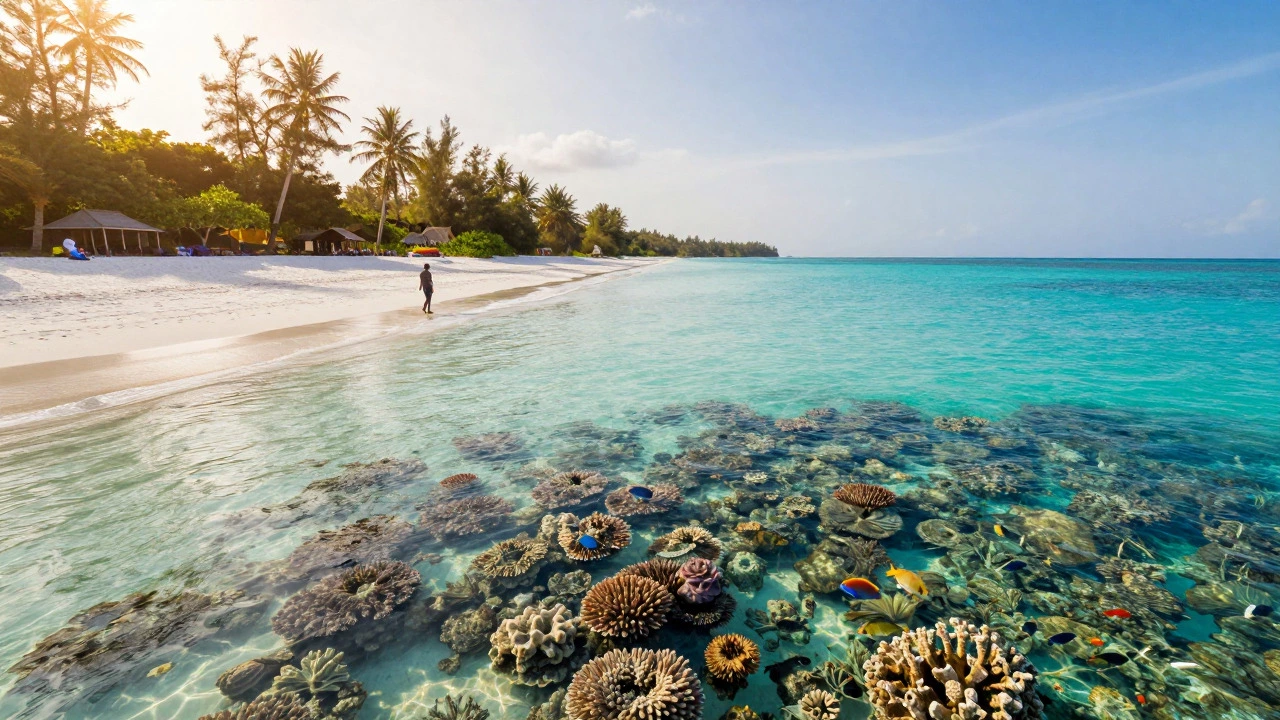
The star of the show is Havelock Island (officially known as Swaraj Dweep). Home to Radhanagar Beach, often voted among the best beaches in Asia, this destination offers the quintessential tropical postcard view. The water is shallow enough to walk into for hundreds of meters, revealing vibrant coral reefs teeming with life. Unlike the Maldives, where you might pay $50 for a boat trip to see fish, you can snorkel right off the shore here for free.
Beyond the beaches, the Andamans offer unique geological wonders. Visit Baratang Island to trek through dense rainforests and witness massive limestone caves filled with stalactites and stalagmites. You can also see mud volcanoes, a rare natural phenomenon that adds an adventurous edge to your relaxation. The marine life here is exceptional; spots like Neil Island (Shaheed Dweep) offer calm waters perfect for beginners, while deeper dive sites attract experienced divers from around the world.
Cost-wise, the difference is stark. A mid-range hotel in Port Blair or Havelock costs between $40 and $80 per night. In the Maldives, even a basic guesthouse on a local island starts at $100, with resort prices skyrocketing to thousands. Food in the Andamans is affordable, fresh, and heavily seafood-based, giving you a taste of local coastal culture that feels genuine rather than curated for tourists.
The Exclusive Paradise: Lakshadweep
If the Andamans are the adventurous alternative, Lakshadweep is the serene, untouched cousin. Located in the Arabian Sea off the coast of Kerala, this group of 36 islands is smaller, quieter, and strictly regulated to protect its fragile ecosystem. For those who find the Maldives too commercialized, Lakshadweep offers a pristine escape that feels like stepping back in time.
The key advantage here is preservation. Because access is controlled-non-residents need permission to visit-the islands remain largely undeveloped. There are no large international chains or flashy casinos. Instead, you get simple, clean accommodations run by the government or small private operators. The water clarity is arguably superior to many parts of the Maldives, with visibility often exceeding 30 meters, making it a diver’s dream.
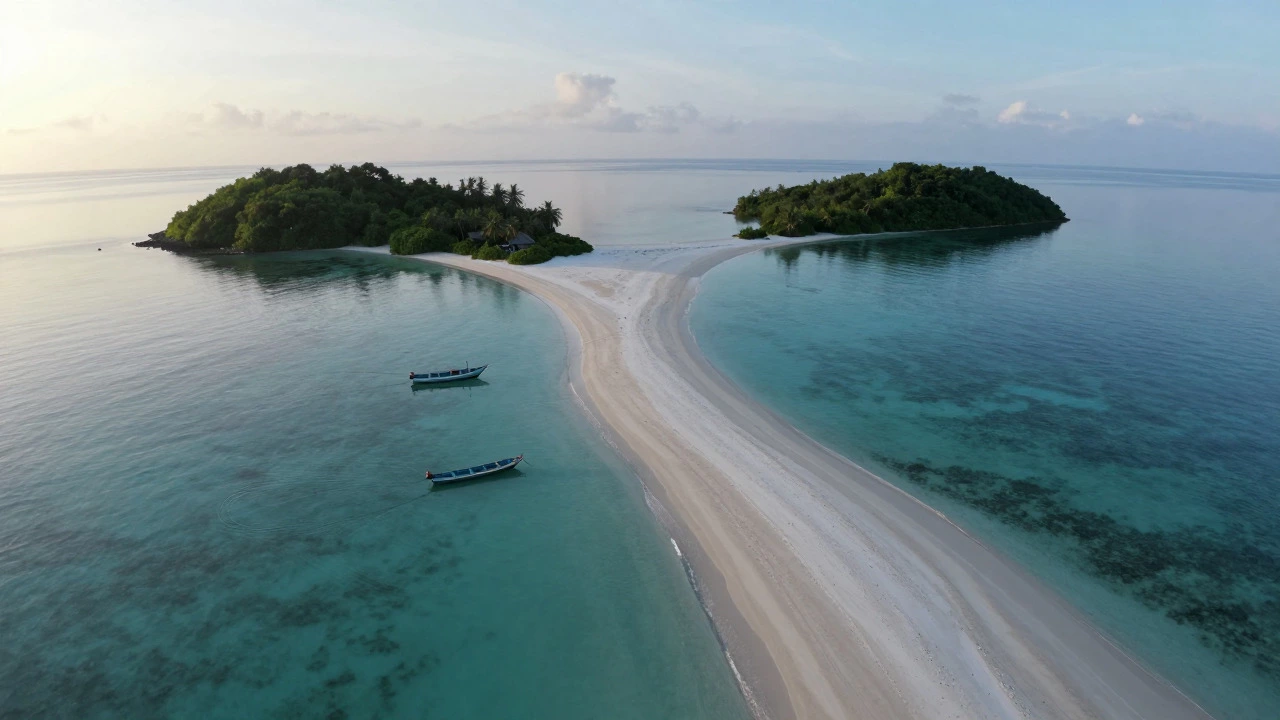
Agatti Island serves as the gateway, featuring one of the longest runways in India relative to its size, capable of handling large aircraft. From there, you can hop to Bangaram Island, known for its sandbar that connects two islands during low tide-a magical experience that feels surreal. Snorkeling here reveals healthy coral reefs that have not been damaged by mass tourism. The pace of life is slow, encouraging you to disconnect from technology and reconnect with nature.
However, planning is crucial. You must apply for permits in advance through the official Lakshadweep administration portal. This barrier keeps crowds away, ensuring that when you arrive, you might be the only ones on the beach. For travelers seeking solitude and ecological purity, this is worth the extra administrative step.
Luxury Without the Price Tag: Goa’s offshore islands
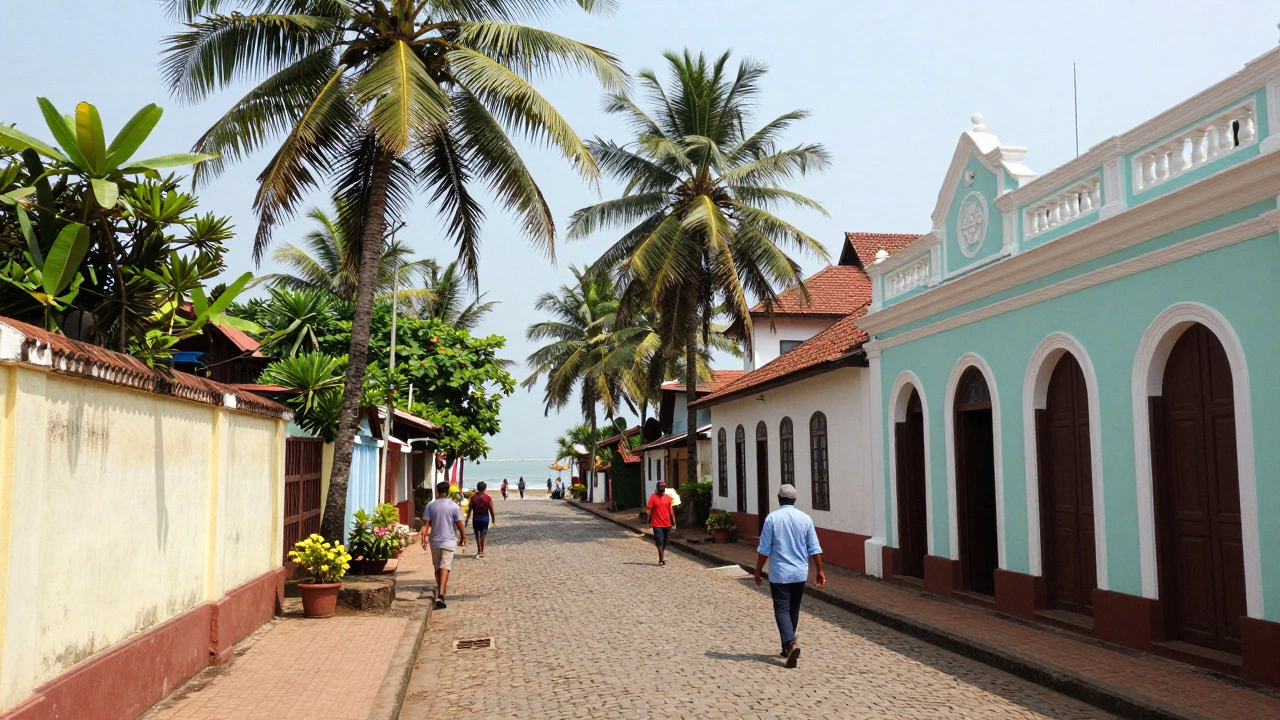
While mainland Goa is famous for its parties and nightlife, the offshore islands offer a different vibe entirely. Divar Island and Colva Island provide a blend of Portuguese heritage, lush greenery, and quiet beaches. These islands are easily accessible by ferry from Panaji or other coastal towns, making them perfect for day trips or short stays.
Divar Island, in particular, feels like a hidden gem. With its narrow lanes, ancient churches, and coconut groves, it offers a cultural depth that the Maldives lacks. You can explore colonial-era architecture, visit local farms, and enjoy fresh Goan cuisine without the hustle of the main tourist strips. The beaches here are smaller and less polished than Radhanagar, but they are charming and peaceful.
For those seeking luxury, Goa’s mainland resorts often match Maldivian standards in terms of service and amenities but at significantly lower prices. Many high-end properties in North Goa offer private pools, spa treatments, and gourmet dining for a fraction of what you would pay in the Maldives. Plus, you have the flexibility to venture out for food, shopping, and cultural experiences, whereas in the Maldives, you are often confined to your resort island.
Adventure and Culture: Minicoy and Great Nicobar
For the truly adventurous traveler, Minicoy Island in the Lakshadweep chain offers a unique cultural experience. It is the southernmost island of Lakshadweep and has a distinct population with roots in the Maldives and Sri Lanka. The language spoken here is Kuruviachchi, a dialect closely related to Dhivehi. This makes it a fascinating destination for cultural enthusiasts who want to understand the historical connections across the Indian Ocean.
Similarly, Great Nicobar Island in the Andaman chain remains largely inaccessible to tourists due to restricted areas and tribal reserves. However, limited eco-tourism initiatives are slowly opening up parts of the island for guided tours. Here, you can encounter rare species like the Nicobar pigeon and sea turtles in their natural habitat. It is raw, rugged, and incredibly rewarding for nature lovers.
Comparison: Why Choose India Over the Maldives?
| Feature | Maldives | Andaman & Lakshadweep |
|---|---|---|
| Average Daily Cost (USD) | $300 - $1,000+ | $50 - $200 |
| Snorkeling/Diving Quality | Good | Excellent (World-class reefs) |
| Cultural Experience | Limited (Resort-focused) | Rich (Local villages, history) |
| Accessibility | Easy (Direct flights) | Moderate (Permits/flights/ferry) |
| Privacy/Crowds | Crowded in peak season | Less crowded (Especially Lakshadweep) |
The table above highlights the key differences. While the Maldives wins on ease of access and luxury branding, Indian islands win on value, biodiversity, and authenticity. If your goal is to relax in style without breaking the bank, or if you want to combine beach time with exploration, India is the smarter choice.
Practical Tips for Visiting Indian Islands
Planning a trip to these islands requires some preparation. Here are essential tips to ensure a smooth journey:
- Best Time to Visit: The ideal window is from November to May. Monsoon season (June to September) brings heavy rains and rough seas, limiting boat travel and water activities.
- Permits: Foreign nationals need special permits for certain areas in Andaman and all of Lakshadweep. Indian citizens need permission for Lakshadweep. Apply online well in advance.
- Transport: Flights connect major cities to Port Blair (Andaman) and Agatti (Lakshadweep). Inter-island travel relies on ferries and speedboats. Book tickets early, especially during peak season.
- Packing: Bring reef-safe sunscreen, waterproof cameras, and comfortable walking shoes for island hikes. Cash is king in remote areas, so carry sufficient Indian Rupees.
- Sustainability: Respect local customs and environment. Avoid touching corals, dispose of trash properly, and support local businesses to help preserve these fragile ecosystems.
By choosing Indian islands over the Maldives, you are not just saving money; you are gaining a richer, more diverse travel experience. From the vibrant reefs of Havelock to the serene sands of Bangaram, these destinations prove that paradise does not have to come with a hefty price tag.
Do I need a visa for Andaman and Nicobar Islands?
Yes, foreign nationals need a valid Indian visa to enter the Andaman and Nicobar Islands. Additionally, some restricted areas may require special permits, which can be obtained upon arrival or in advance through authorized agents.
Is Lakshadweep safe for solo female travelers?
Generally, yes. Lakshadweep is considered very safe due to its strict regulations and close-knit community. However, as with any travel, it is wise to take standard precautions, respect local norms, and stay informed about weather conditions.
Can I drink alcohol in Lakshadweep?
Alcohol is available in Lakshadweep but is subject to local laws and availability. It is generally sold in licensed shops and hotels. Note that some islands may have restrictions, so check current regulations before traveling.
How long should I stay in Andaman?
A minimum of 5 to 7 days is recommended to explore Port Blair, Havelock, and Neil Island comfortably. If you want to include Baratang and Ross Island, extend your trip to 8-10 days to avoid rushing.
Are there direct flights to Lakshadweep?
Yes, there are direct flights from Kochi, Bangalore, and Mumbai to Agatti Airport in Lakshadweep. However, flight schedules can be limited, so booking in advance is highly advisable.