India Hiking Safety Checker
Select your planned hike details below to receive a personalized safety assessment and mitigation strategies.
Safety Assessment
Calculating...You’ve packed your boots, checked the weather app (twice), and you’re ready to hit the trail. But here’s the thing about hiking in India: the mountains don’t care about your Instagram plans. Whether you’re tackling the Western Ghats during monsoon or pushing through the thin air of Ladakh, knowing which situations to avoid can mean the difference between a great story and a rescue helicopter.
Hiking isn’t just about fitness; it’s about risk management. Many accidents happen not because people are unfit, but because they ignore obvious red flags. So, what exactly should you steer clear of? Let’s break down the critical scenarios every hiker in India needs to know.
The Monsoon Trap: When Rain Becomes Danger
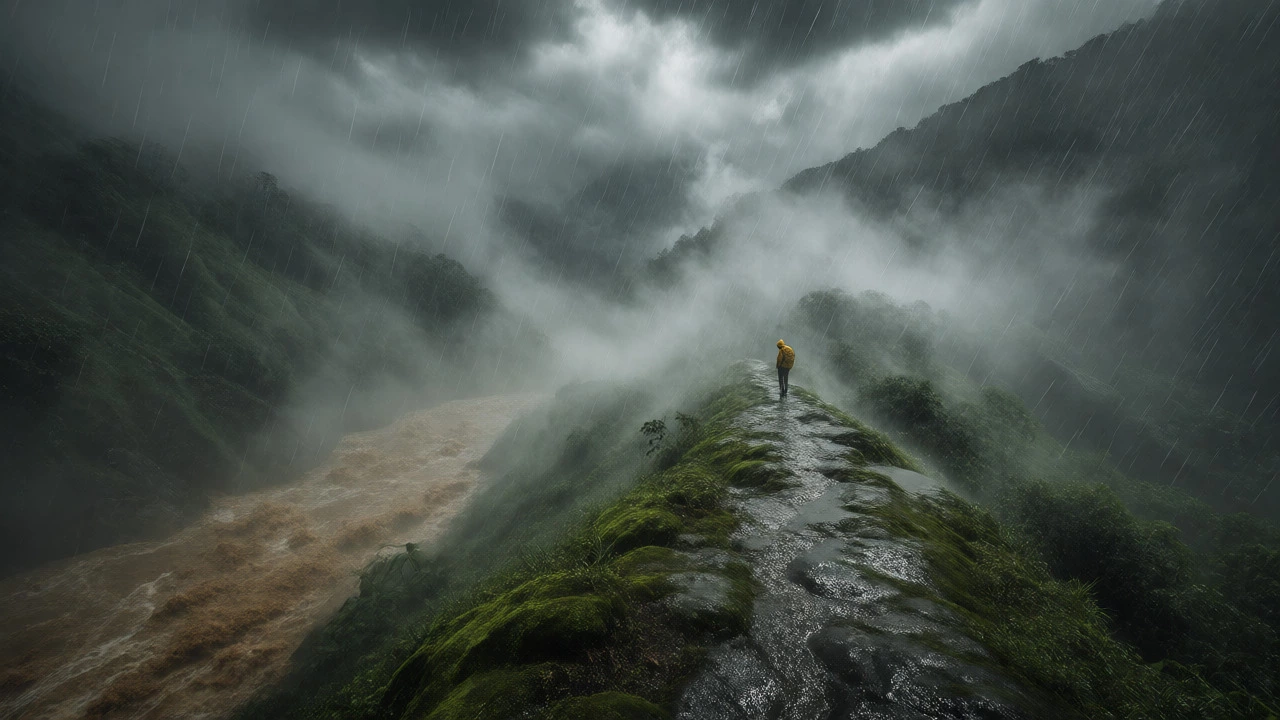
India’s monsoon is beautiful, but it’s also deceptive. A light drizzle in June can turn into a torrential downpour by afternoon. In regions like the Western Ghats, trails that look dry in the morning often become slippery mudslides by noon.
Avoid hiking alone on exposed ridges during heavy rain. Visibility drops rapidly, and rock surfaces lose their grip. If you see clouds forming over the peaks while you’re still at the base, turn back. It’s better to miss a view than to slide off a wet ledge. Also, watch out for leeches-they’re annoying, but more importantly, they indicate high humidity and potential fungal infections if you stay wet too long.
Altitude Sickness: The Silent Killer
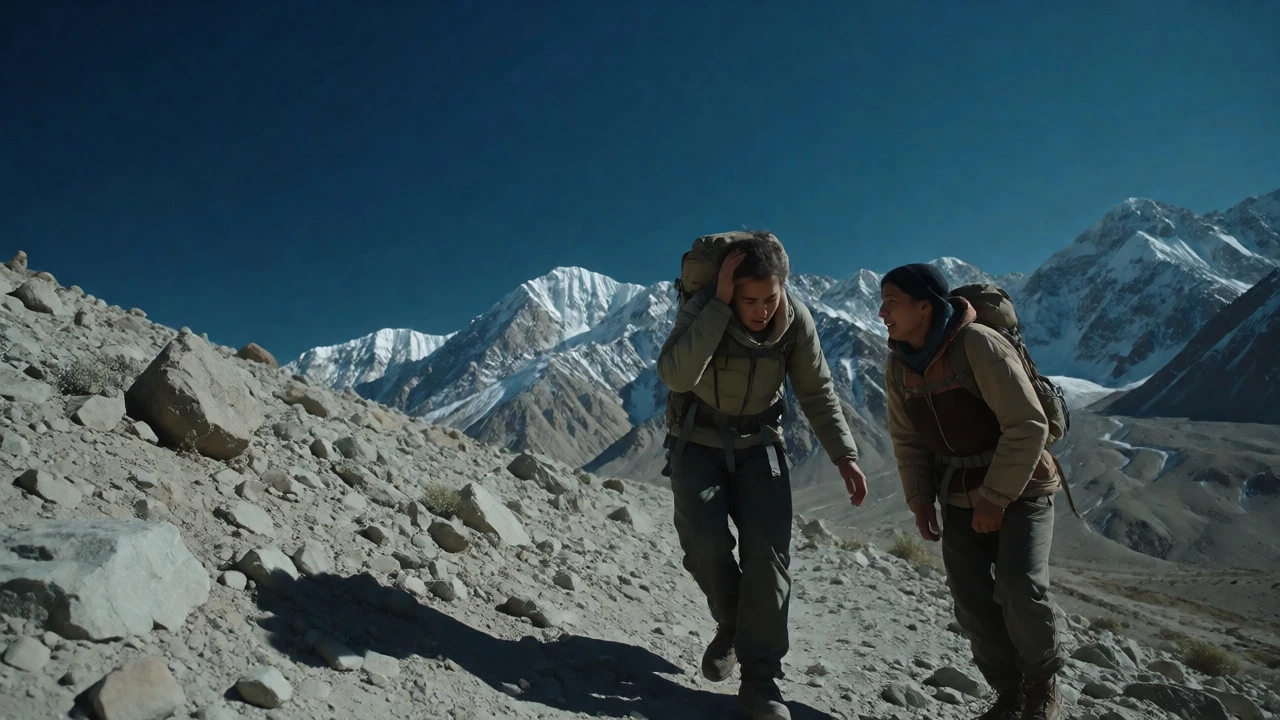
If you’re heading above 3,000 meters, such as in Ladakh or Sikkim, altitude sickness is real. It’s not just a headache; it can lead to High Altitude Pulmonary Edema (HAPE) or Cerebral Edema (HACE).
Never rush your ascent. The golden rule is "climb high, sleep low." If you feel dizzy, nauseous, or unusually tired, stop immediately. Do not push through. Many trekkers make the mistake of thinking they can "walk it off," but at high altitudes, oxygen is scarce. If symptoms worsen, descend immediately. There is no shame in turning around; there is plenty of danger in ignoring your body’s signals.
Wildlife Encounters: Respect the Space
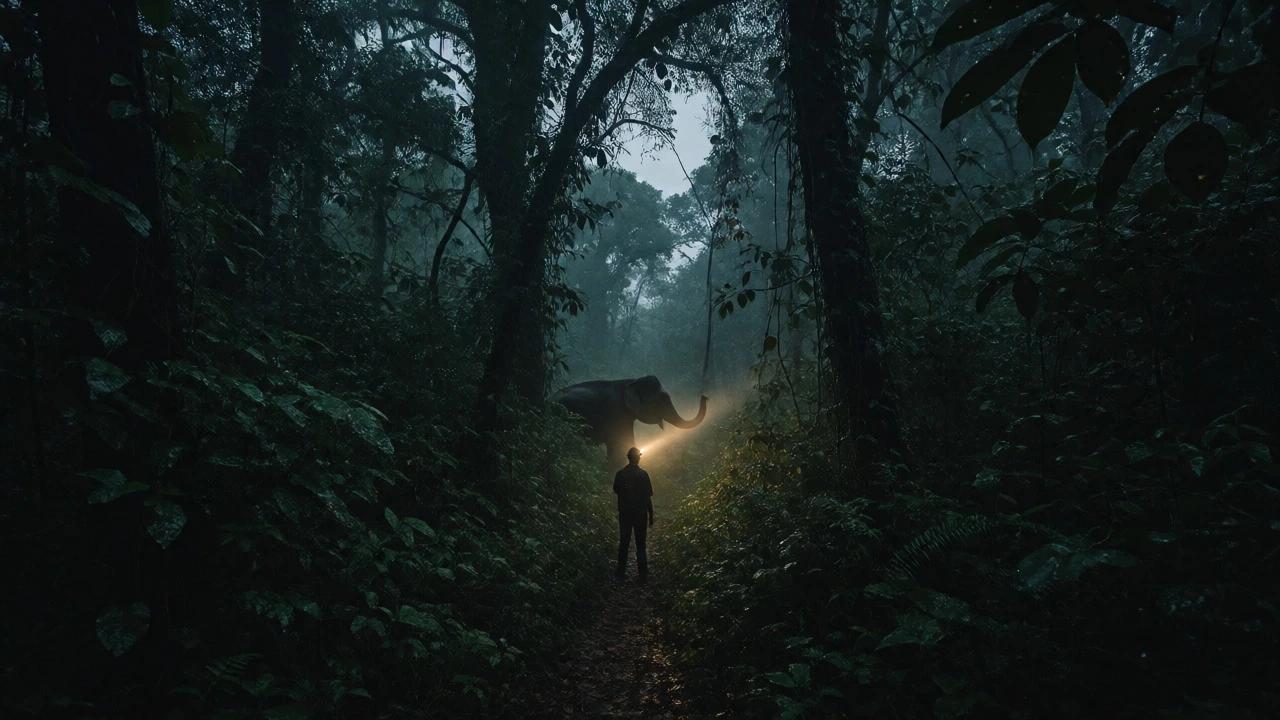
India’s forests are home to tigers, elephants, and leopards. While rare, encounters do happen. Avoid hiking through dense forest trails at dawn or dusk when animals are most active. Stay on marked paths. Venturing off-trail increases your chances of stumbling into a territorial animal.
Make noise. Sing, talk loudly, or use a bell. Animals usually flee from humans if they hear us coming. Silence is golden for hunters, but dangerous for hikers. If you see an elephant, keep a distance of at least 100 meters. They may look calm, but they can charge unexpectedly if they feel threatened or if calves are nearby.
Hydration and Water Sources
Dehydration sneaks up on you, especially in dry climates like Rajasthan’s Aravalli ranges or cold deserts like Spiti. You might not feel thirsty until it’s too late. Conversely, drinking untreated water from streams can lead to giardia or other gastrointestinal issues that ruin your trek.
Always carry enough water-minimum 3-4 liters per day for moderate hikes. Use purification tablets or filters. Don’t rely solely on local guides saying, "The next village has water." Sometimes villages are empty, or pumps are broken. Plan your water stops meticulously.
Ignoring Local Weather Forecasts
Mountain weather changes fast. A sunny forecast at 8 AM can turn into a blizzard by 2 PM in the Himalayas. Check multiple sources, including local meteorological departments, not just global apps. Apps often lack granular data for specific valleys.
Avoid starting a hike if there’s a warning for thunderstorms or landslides. Lightning strikes are common on open ridges. If you hear thunder, you’re close enough to be struck. Get off high points and seek shelter in low areas, but avoid isolated trees.
Comparison of Risk Factors by Region
| Region | Primary Risk | Season to Avoid | Mitigation Strategy |
|---|---|---|---|
| Western Ghats | Slippery trails, leeches, flash floods | June - September | Wear grippy shoes, avoid solo hikes in rain |
| Himalayas (North) | Altitude sickness, avalanches, hypothermia | December - February (extreme cold) | Acclimatize properly, check avalanche reports |
| Aravalli Hills | Heatstroke, dehydration, thorny vegetation | April - June (peak summer) | Hike early morning, carry extra water |
| Northeast India | Dense fog, difficult terrain, wildlife | Monsoon season | Use local guides, stick to marked trails |
Preparation Checklist Before You Go
- Check permits: Some areas in Sikkim or Ladakh require Inner Line Permits.
- Inform someone: Tell a friend or family member your route and expected return time.
- Pack essentials: First aid kit, whistle, headlamp, emergency blanket.
- Physical readiness: Train with weighted backpacks before attempting strenuous trails.
Final Thoughts on Staying Safe
Hiking in India offers unparalleled beauty, from the misty hills of Munnar to the stark landscapes of Spiti. But nature demands respect. By avoiding these common pitfalls, you ensure your adventure remains memorable for the right reasons. Listen to your gut, respect the environment, and never underestimate the power of preparation.
Is it safe to hike alone in India?
It depends on the region and trail. Popular trails in Uttarakhand or Himachal Pradesh are generally safe with precautions. However, remote areas in the Northeast or dense forests in Central India are safer with a group or guide due to wildlife and navigation challenges.
What is the best season for trekking in the Himalayas?
The best seasons are pre-monsoon (March to May) and post-monsoon (September to November). Winter treks are possible but require specialized gear and experience due to extreme cold and snow.
How do I prevent altitude sickness?
Ascend gradually, staying below 500 meters gain per day above 3,000 meters. Stay hydrated, avoid alcohol, and consider medication like Acetazolamide after consulting a doctor. Listen to your body and descend if symptoms persist.
Are leeches dangerous during Western Ghats treks?
Leeches are not poisonous but can cause prolonged bleeding and infection if not treated properly. Wear long pants tucked into socks, apply salt or insect repellent, and clean bites with antiseptic.
Do I need a guide for all treks in India?
Not always. Well-marked trails in popular hill stations can be done independently. However, for high-altitude treks, remote wilderness, or areas with complex navigation, hiring a certified local guide is highly recommended for safety and logistics.