India Trip Planner & Budget Estimator
10-Day Balanced Trip
A solid amount of time to explore one major region comfortably without rushing.
Estimated Total Cost
Daily Average
Suggested Focus:
India is not a weekend getaway. It is a continent-sized country with six distinct cultural zones, four major languages families, and weather patterns that shift dramatically from the Himalayas to the tropical coast. If you ask a seasoned traveler how many days are required to travel India, the honest answer is: it depends entirely on what you want to see and how fast you can handle the sensory overload.
For most first-time visitors, 15 to 21 days is the sweet spot. This window allows you to experience the highlights without spending your entire vacation in airports or train compartments. However, if you only have seven days, you can still have an incredible trip by focusing on one specific region, such as Kerala or Rajasthan. Trying to cover everything in two weeks usually leads to exhaustion rather than enrichment.
The Reality of Indian Distances
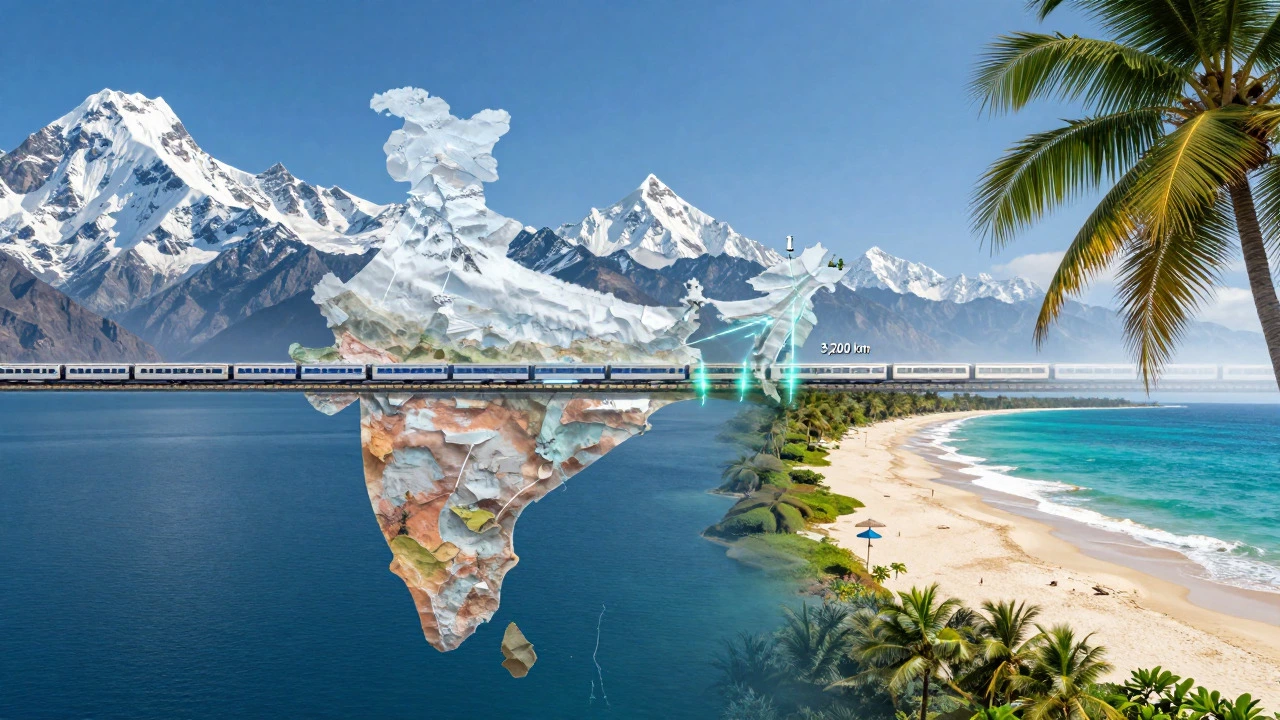
The biggest mistake tourists make is underestimating distance. India spans roughly 3,200 kilometers from north to south. That is wider than the United States from east to west. The internal infrastructure is improving, but traffic congestion in cities like Mumbai, Delhi, and Bangalore remains intense. A drive that looks short on a map can take twice as long due to local festivals, road conditions, or monsoon rains.
| Route | Mode of Transport | Estimated Duration |
|---|---|---|
| Delhi to Jaipur | Train (Shatabdi) | 6 hours |
| Mumbai to Goa | Flight | 1.5 hours |
| Bangalore to Kochi | Car/Bus | 7-9 hours |
| Varanasi to Kolkata | Train (Ganga Express) | 8-10 hours |
When planning your itinerary, always buffer extra time for transit. If a flight is scheduled for three hours, plan for a full day’s loss including security checks, potential delays, and hotel check-ins. This reality check helps you decide whether a 10-day trip is feasible or if you need to extend to 14 days.
Recommended Itineraries by Duration
Your available time dictates your route. Here is how to structure your trip based on common vacation lengths.
7 Days: The Deep Dive
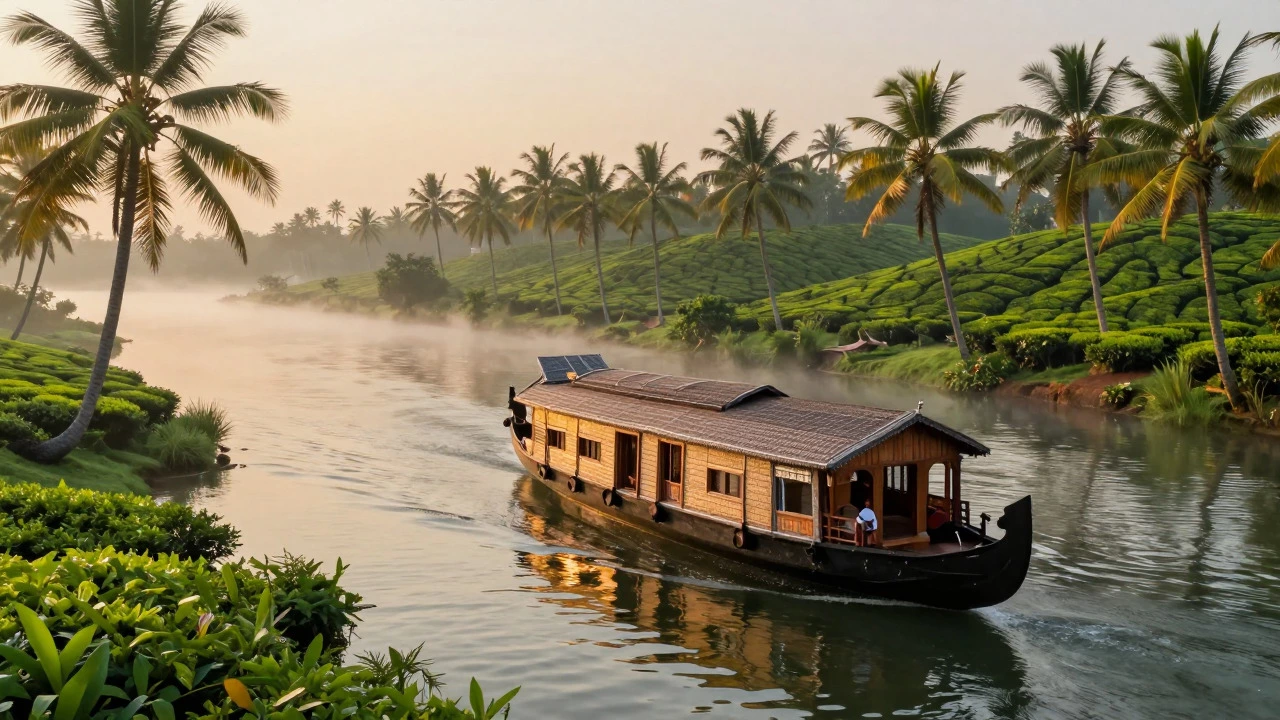
With one week, pick one state or theme. Do not try to cross the country. For example, a Kerala Backwaters Tour is a relaxing journey through houseboats, tea plantations, and coastal towns works perfectly in seven days. You can fly into Kochi, spend three nights on a backwater cruise, explore Munnar’s hills, and end in Fort Kochi. Alternatively, focus on Rajasthan’s golden triangle: Delhi, Agra, and Jaipur. This classic route covers history, architecture, and culture efficiently because these cities are well-connected by high-speed trains and short flights.
10-12 Days: Two Regions
This duration allows you to combine two contrasting experiences. A popular combination is North and South India, but be careful-this often means too much traveling and too little seeing. Instead, pair nearby regions. For instance, combine Tamil Nadu Temple Circuit is a historical tour covering ancient Dravidian architecture in Madurai, Thanjavur, and Chennai with the beaches of Pondicherry. Or mix the wildlife safaris of Ranthambore National Park with the heritage forts of Rajasthan. The key is to keep travel times under five hours between major stops.
15-21 Days: The Classic Overview
This is the ideal timeframe for a comprehensive first visit. You can start in Delhi, move to Agra and Jaipur, then fly to Varanasi for spiritual immersion. From there, head south to Hyderabad or Hampi for ancient ruins, and finish in Kerala or Goa for relaxation. This pace lets you adjust to the food, heat, and rhythm of life. You’ll have time to get lost in local markets, attend unexpected festivals, and recover from jet lag without feeling rushed.
Seasonal Factors That Change Your Plan
Weather plays a massive role in how many days you actually enjoy versus how many you spend indoors. India has three main seasons: winter, summer, and monsoon.
- Winter (October to March): This is peak tourist season. Temperatures are pleasant across most of the country. You can travel anywhere, from the snow-capped Himalayas to the tropical south. Because demand is high, book accommodations and trains at least two months in advance.
- Summer (April to June): Most of India becomes extremely hot, with temperatures exceeding 40°C (104°F) in northern plains. During this time, limit your travel to hill stations like Shimla, Darjeeling, or Ooty, or coastal areas like Goa where sea breezes provide relief. Avoid desert tours in Rajasthan unless you are prepared for extreme heat.
- Monsoon (July to September): Heavy rains affect different regions at different times. The southwest monsoon hits Kerala and Karnataka early, while the northeast gets rain later. While lush greenery is beautiful, landslides can disrupt travel in hilly areas. Train delays are common. If you travel during monsoon, build in flexible days for weather-related disruptions.
If you visit in July or August, expect wet conditions in South India. In contrast, North India might still be dry but humid. Adjust your packing list accordingly-light cotton clothes, waterproof bags, and sturdy sandals are essential.
Visa Processing and Entry Logistics
Don’t forget to account for visa processing time in your total trip duration. India offers e-Visas for citizens of over 160 countries, which can be approved within 72 hours. However, it is wise to apply at least two weeks before your departure date to avoid last-minute stress. The e-Visa is typically valid for 30 days from the date of issuance, so ensure your travel dates fall within this window. If you plan to stay longer, you may need a regular tourist visa applied for at an embassy, which takes additional time.
Also, consider the time needed for airport transfers upon arrival. Major airports like Indira Gandhi International in Delhi and Chhatrapati Shivaji Maharaj in Mumbai are large and busy. Allow at least two hours for immigration and customs clearance. Pre-book auto-rickshaws or taxi services to avoid confusion and negotiation hassles right after landing.
Budget Implications of Trip Length
Longer trips don’t always mean proportionally higher costs per day. In fact, extending your stay can reduce daily expenses. Accommodation rates often drop for weekly bookings, and you save on inter-city transport costs by moving less frequently. Food costs remain relatively stable, but you’ll have more opportunities to eat at local eateries rather than tourist-oriented restaurants.
However, health insurance coverage must match your trip duration. Ensure your policy covers medical evacuation and hospitalization for the exact number of days you’re in India. Medical tourism is advanced in cities like Chennai and Delhi, but rural healthcare varies significantly. Having adequate coverage gives peace of mind, especially if you plan to trek or visit remote areas.
Health and Safety Considerations
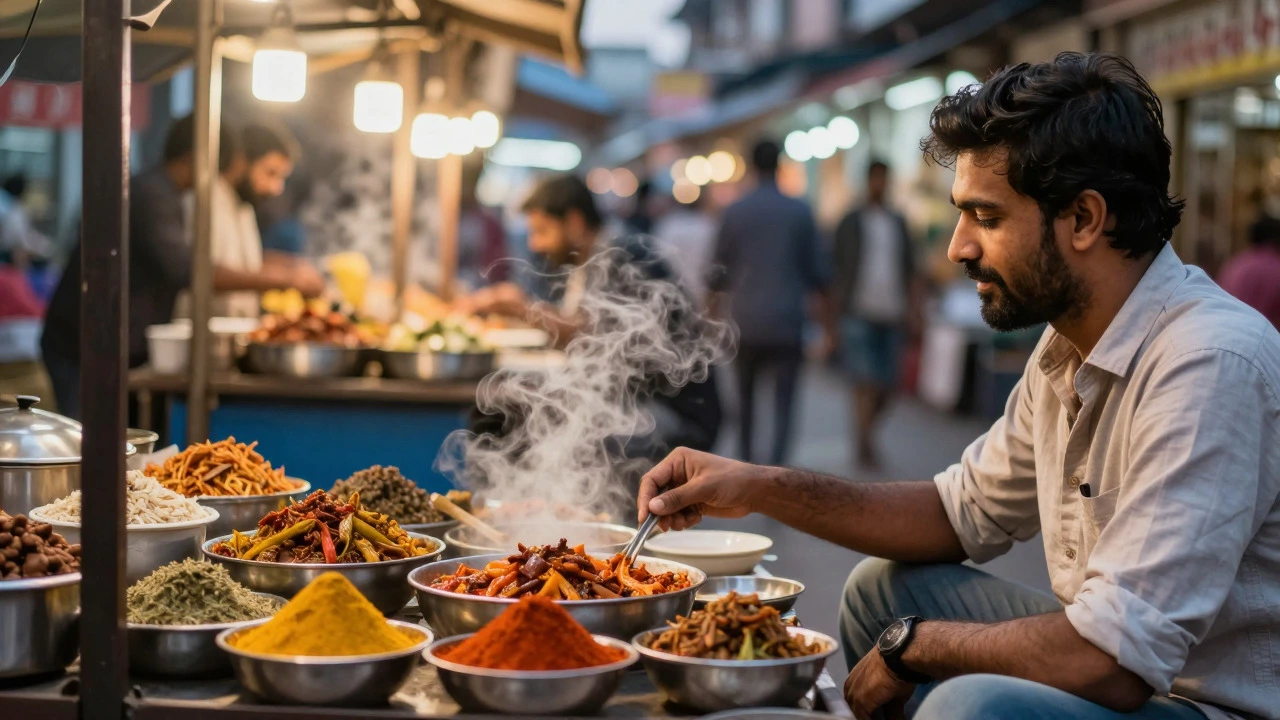
Your physical readiness affects how much you can achieve in a given timeframe. Jet lag can sap energy for the first two days. Acclimatizing to spicy food and different water quality takes time. Start with bottled water and mild meals until your stomach adjusts. Carry basic medications for diarrhea, allergies, and motion sickness.
Safety-wise, India is generally safe for tourists, but petty theft can occur in crowded places. Keep valuables secure, use reputable transport apps like Ola or Uber, and avoid walking alone at night in unfamiliar neighborhoods. Women travelers should dress modestly and research gender-specific safety tips for each city they visit.
Final Thoughts on Planning Your Duration
There is no single correct answer to how many days are required to travel India. It depends on your interests, budget, tolerance for chaos, and desire for depth versus breadth. Seven days offer a taste; fifteen days provide a solid overview; twenty-one days allow for genuine connection and exploration. Choose wisely, plan flexibly, and leave room for spontaneity-the best memories often come from unplanned moments.
Is 10 days enough to see India?
Ten days is sufficient if you focus on one region, such as Rajasthan or Kerala. Attempting to cover multiple distant regions will result in excessive travel time and superficial experiences. Stick to connected destinations to maximize enjoyment.
What is the best month to visit India?
The best time to visit most of India is between October and March when weather is cool and dry. Summer months (April-June) are very hot except in hill stations. Monsoon season (July-September) brings heavy rains but lush landscapes.
Can I travel India safely as a solo traveler?
Yes, millions of solo travelers visit India safely each year. Use registered taxis, stay in reputable accommodations, keep copies of important documents, and inform someone of your daily plans. Join group activities or tours for social interaction and added security.
Do I need vaccinations before traveling to India?
Consult your doctor about recommended vaccines like Hepatitis A, Typhoid, and Tetanus. Yellow fever vaccination is required if arriving from endemic countries. Routine vaccines should be up-to-date. Carry any prescription medications in original packaging.
How do I get around India efficiently?
Use domestic flights for long distances, overnight trains for medium journeys, and app-based cabs or pre-booked drivers for local travel. Book IRCTC train tickets online in advance. Avoid unmarked taxis and negotiate fares clearly before starting rides.
Is it expensive to travel in India?
India offers excellent value for money. Budget travelers can manage on $25-$40 per day, mid-range on $50-$100, and luxury options vary widely. Costs depend heavily on accommodation choices, dining preferences, and transportation modes selected.
Should I hire a private guide in India?
Hiring a licensed local guide enhances understanding of historical sites and cultural nuances. Guides help navigate language barriers, arrange entry permits, and provide context beyond guidebooks. Rates vary by location and expertise level.
What should I pack for an India trip?
Pack light cotton clothing, comfortable walking shoes, sunscreen, insect repellent, reusable water bottle with filter, power adapter (Type D/M), basic first aid kit, and modest attire for temple visits. Layering options help adapt to varying indoor/outdoor temperatures.