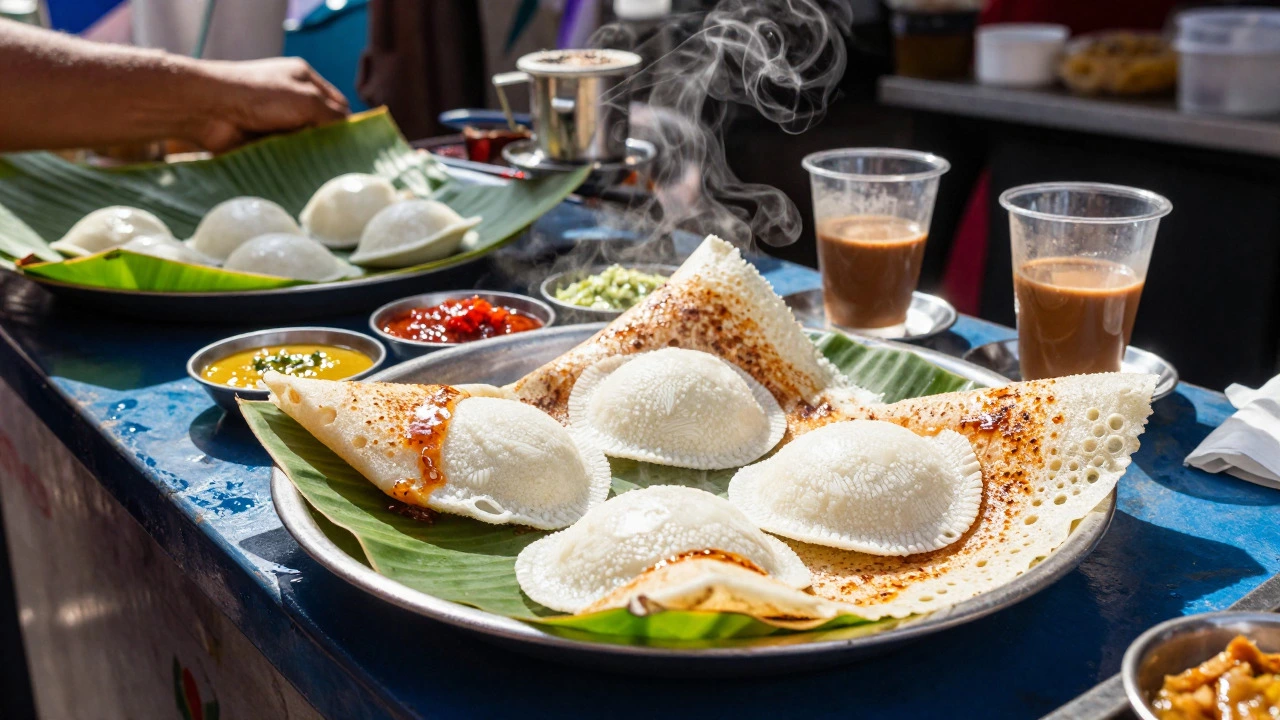
South India is not just a place; it is a completely different sensory experience compared to the rest of the country. You get spice markets that smell like cardamom and chili, ancient temples that have stood for centuries, lush green hills, and some of the most relaxing backwaters in the world. But because the region covers four distinct states-Kerala, Tamil Nadu, Karnataka, and Andhra Pradesh/Telangana-it can feel overwhelming to plan. Where do you start? How many days do you need? Which route makes sense?
The good news is that South India is incredibly well-connected by road and rail. If you stick to a logical loop, you can see the best of everything without spending half your trip stuck in traffic or confused by logistics. This guide will help you build a realistic itinerary based on what actually works on the ground.
Quick Summary / Key Takeaways
- Best Time to Visit: October to March is ideal. Avoid the monsoon (June-September) unless you specifically want rain-soaked greenery.
- Minimum Duration: You need at least 10 days to cover two states comfortably. For a full circuit, plan for 14-18 days.
- Top Route: Start in Bangalore, move to Mysore, then Hampi, down to Kerala (Alleppey/Munnar), and finish in Tamil Nadu (Chennai/Mahabalipuram).
- Transport: Rent a car with a driver for flexibility. Trains are great for long distances but slow for sightseeing.
- Must-Do: Stay in a houseboat in Kerala, explore the ruins of Hampi, and visit the Shore Temple in Mahabalipuram.
Decide Your Travel Window and Weather
Timing is everything in South India. Unlike the North, where winters are freezing, the South stays warm year-round. However, the humidity changes drastically depending on the season.
If you are visiting between October and February, you are in luck. The weather is pleasant, dry, and perfect for temple hopping and beach walks. This is peak tourist season, so book hotels early. If you travel during the summer (March-May), temperatures can hit 35°C to 40°C (95°F-104°F). It’s hot, but manageable if you stay near the coast or in hill stations like Ooty or Munnar.
Avoid June to September if you hate rain. This is the monsoon season. While Kerala looks stunningly green and tea plantations are vibrant, heavy rains can disrupt travel plans and make outdoor activities difficult. Some roads may flood, and ferry services might be suspended. If you love rain, go ahead-but pack waterproof gear and expect delays.
Choose Your Core Interests
South India offers diverse experiences. Before booking flights, ask yourself what excites you most. This will determine which states you prioritize.
- Nature & Relaxation: Focus on Kerala. Think backwaters, Ayurveda spas, tea gardens, and wildlife sanctuaries like Periyar.
- History & Architecture: Prioritize Tamil Nadu and Karnataka. Tamil Nadu has thousands of Dravidian-style temples. Karnataka offers the Vijayanagara Empire ruins in Hampi and colonial architecture in Bangalore.
- Beaches & Nightlife: Head to Goa (technically West Coast, but often grouped here) or the coastal towns of Tamil Nadu like Kanyakumari and Rameswaram.
- Culture & Food: Every state has unique cuisine. Try dosas in Chennai, idlis in Bangalore, and seafood in Kochi. Don’t miss the local street food scenes.
Most first-time visitors combine nature and history. A balanced trip usually includes Kerala for relaxation and Tamil Nadu/Karnataka for culture.
Build a Logical Route: The Classic Loop
Trying to jump randomly between cities wastes time. Instead, follow a geographic flow. Here is a proven 14-day itinerary that minimizes backtracking.
| Days | Location | Key Activities |
|---|---|---|
| 1-2 | Bangalore, Karnataka | Arrive, explore Cubbon Park, visit ISKCON temple, enjoy nightlife. |
| 3 | Mysore, Karnataka | Visit Mysore Palace, drive up to Chamundi Hill, shop for sandalwood soap. |
| 4-5 | Hampi, Karnataka | Explore boulder-strewn ruins, ride an elephant or bicycle through Virupapur Gaddige. |
| 6-7 | Coorg, Karnataka | Stay in a coffee plantation resort, try rafting on the Kabini River. |
| 8-9 | Ooty or Munnar | Ride the Nilgiri Mountain Railway or hike tea estates in Kerala. |
| 10-11 | Alleppey, Kerala | Sleep on a houseboat, take a canoe ride through narrow canals. |
| 12 | Kochi, Kerala | Visit Fort Kochi, see Chinese fishing nets, eat banana leaf meals. |
| 13 | Chennai, Tamil Nadu | Fly from Kochi, visit Kapaleeshwarar Temple, walk along Marina Beach. |
| 14 | Mahabalipuram | Day trip to see Pancha Rathas and Shore Temple before flying out. |
This route moves southward naturally. You start in the tech hub of Bangalore, move into historical Karnataka, cross into Kerala for nature, and end in Tamil Nadu for more history and a convenient airport exit. If you have less time, cut Coorg and Ooty/Munnar to focus on Hampi and Alleppey.
Transport Options: Getting Around
Getting around South India is easy, but choosing the right mode matters.
Rented Car with Driver: This is the best option for groups or families. Drivers know the roads, handle parking, and negotiate tolls. Expect to pay ₹1,500-₹2,500 per day depending on the vehicle. It gives you freedom to stop at roadside stalls or scenic viewpoints.
Trains: Indian Railways connects major cities efficiently. The Metro Water Train in Kerala is a fun experience. However, trains can be crowded, and schedules change. Book tickets online via IRCTC at least two weeks in advance. Use sleeper class for overnight journeys to save time and hotel costs.
Buses: State-run buses (KSRTC in Karnataka, TNSTC in Tamil Nadu) are affordable and reliable. They connect smaller towns that trains miss. AC deluxe buses are comfortable for long trips. Just avoid rush hours when possible.
Flights: Domestic flights link Bangalore, Chennai, Kochi, and Trivandrum. Use them only to skip long overland stretches. For example, fly into Bangalore and out of Chennai to avoid backtracking.
Accommodation: Where to Stay
South India has a wide range of lodging options. Budget travelers can find clean hostels and guesthouses for under $15 per night. Mid-range hotels cost $30-$60. Luxury resorts, especially in Kerala and hill stations, start at $100+.
In Kerala, look for homestays in villages like Varkala or Munnar. These offer authentic experiences with home-cooked meals. In Hampi, choose a resort with views of the Tungabhadra River. In cities like Bangalore and Chennai, stay near metro stations for convenience.
Book accommodations in advance during peak season (December-January). Popular spots like Alleppey houseboats sell out quickly.
Food Guide: What to Eat
South Indian food is famous worldwide, but eating locally is a different story. Each state has its own style.
- Tamil Nadu: Known for spicy chutneys and filter coffee. Must-try: Chettinad chicken curry, idli sambar, and jiggery poori.
- Kerala: Uses coconut and seafood heavily. Try appam with stew, puttu with kadala curry, and fresh prawn fry.
- Karnataka: Offers milder flavors. Don’t miss masala dosa, bangalore bun, and mysore pak (sweet).
- Andhra Pradesh: Extremely spicy. Only attempt if you can handle heat. Famous for hyderabadi biryani and gongura pickle.
Eat at local eateries marked with "SS" (South Indian Meals) signs. These places serve thali meals on banana leaves for very low prices. Always drink bottled water to avoid stomach issues.
Budget Planning: How Much Will It Cost?
Your budget depends on your travel style. Here’s a rough estimate per person per day:
- Budget: $25-$40 (hostels, street food, public transport)
- Mid-Range: $60-$100 (3-star hotels, mixed dining, shared taxi)
- Luxury: $150+ (resorts, private drivers, fine dining)
Add extra for activities like houseboat rentals ($100-$200 for 6 hours) and entrance fees to monuments (₹20-₹500). Carry cash in small denominations for tips and small vendors. Credit cards work in hotels and malls but not everywhere else.
Practical Tips for First-Timers
Before you go, keep these practical tips in mind:
- Dress Modestly: When visiting temples, remove shoes and cover shoulders/knees. Women should carry a scarf.
- Language: English is widely spoken in tourist areas. Learn basic phrases in Tamil, Malayalam, or Kannada to connect better.
- Health: Get vaccinated for Hepatitis A and Typhoid. Carry oral rehydration salts and anti-diarrheal medicine.
- Connectivity: Buy a local SIM card (Airtel or Jio) at the airport. Data is cheap and essential for maps and rides.
- Negotiate Prices: For taxis and souvenirs, always negotiate. Start at 50% of the quoted price.
What is the best month to visit South India?
The best months are November to February. The weather is cool and dry, making it ideal for sightseeing and outdoor activities. Avoid July and August due to heavy monsoon rains.
Is South India safe for solo female travelers?
Yes, South India is generally safe for solo female travelers. Cities like Bangalore and Kochi are very friendly. Stick to well-lit areas at night, use reputable transport apps, and dress modestly to respect local customs.
Can I visit South India in 7 days?
Yes, but limit yourself to one or two states. For example, spend 4 days in Kerala (Munnar and Alleppey) and 3 days in Tamil Nadu (Chennai and Mahabalipuram). Trying to cover too much will lead to exhaustion.
Do I need a visa to travel within South India?
No, since all these states are part of India, no internal visas are needed. Foreign tourists just need a valid Indian visa upon entry. Carry your passport copy at all times.
What should I pack for a South India trip?
Pack light cotton clothes, comfortable walking shoes, sunscreen, sunglasses, and a reusable water bottle. Bring a power bank and universal adapter. If traveling in monsoon, add a raincoat and quick-dry towels.
Are there vegetarian food options available?
Absolutely. South India is predominantly vegetarian-friendly. Most restaurants offer extensive veg menus. Look for green dots on menu boards indicating vegetarian dishes. Street food like dosa and idli is also vegetarian.