South India Travel Budget Calculator
Estimate your daily spending and total trip cost for South India (Kerala, Tamil Nadu, Karnataka, Andhra Pradesh). Exchange rate used: ₹83.50 per $1 USD.
What this covers:
You land in Chennai or Bangalore, pull out your wallet, and wonder: is my money going to stretch far here? The short answer is yes, but with a massive "it depends." $100 is not just a lot; it’s a week of luxury for a backpacker, a day of mid-range comfort for a couple, or barely enough for a high-end business trip. It all hinges on where you are, who you’re traveling with, and what kind of experience you want.
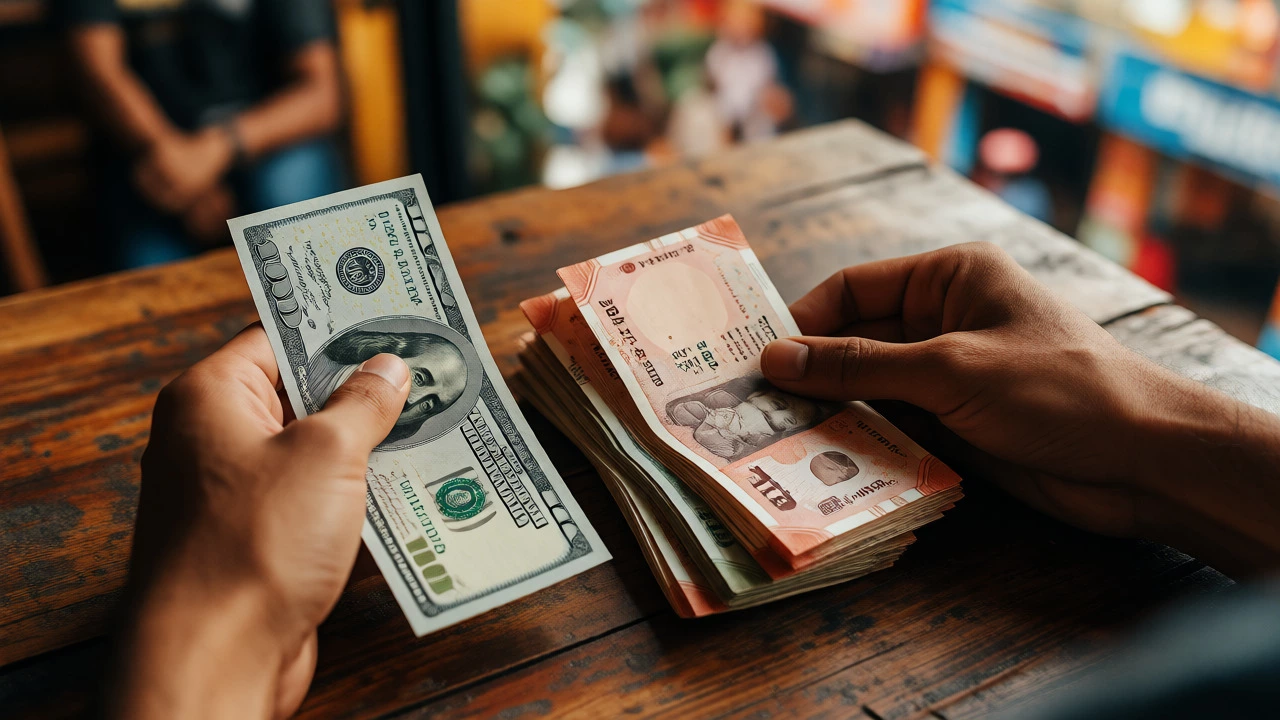
Let’s cut through the noise. If you’re planning a trip to South India-think Kerala backwaters, Tamil Nadu temples, Karnataka hills, or Andhra beaches-you need concrete numbers, not vague estimates. As of late 2026, the exchange rate hovers around ₹83-₹84 per US dollar. So, that crisp $100 bill translates to roughly ₹8,350. In most parts of India, this amount commands serious respect. But in tourist hotspots like Munnar or Pondicherry during peak season? It might vanish faster than you think.
What Does $100 Actually Buy You?
To understand the value, we have to break down the costs into categories that matter to travelers: food, transport, accommodation, and activities. Here’s the reality check based on current market rates in major South Indian hubs.
| Expense Category | Budget Backpacker | Mid-Range Traveler | Luxury Seeker |
|---|---|---|---|
| Accommodation | ₹500 - ₹1,200 ($6 - $15) | ₹2,500 - ₹5,000 ($30 - $60) | ₹10,000+ ($120+) |
| Food & Drink | ₹300 - ₹600 ($4 - $7) | ₹1,000 - ₹2,000 ($12 - $24) | ₹4,000+ ($48+) |
| Local Transport | ₹200 - ₹500 ($2 - $6) | ₹800 - ₹1,500 ($10 - $18) | Private Car: ₹3,000+ ($36+) |
| Activities/Tickets | Free/Low Cost | ₹500 - ₹1,500 ($6 - $18) | Guided Tours: ₹2,000+ ($24+) |
See the pattern? For a solo traveler staying in hostels and eating local thalis, $100 covers about five to seven days of comfortable travel. That includes occasional splurges on AC buses or nicer cafes. For a couple sharing a decent hotel room and taking Uber/Ola rides, $100 is exactly one day’s budget. If you’re dreaming of houseboats in Alleppey or boutique resorts in Coorg, $100 might only cover half a night’s stay plus dinner.
The Regional Price Gap: Why Location Matters
Not all of South India is priced equally. This is where many first-time visitors get burned. They assume because India is "cheap," everything is uniformly affordable. Wrong.
Kerala is arguably the most expensive state in the region for tourists. High taxes on alcohol, premium pricing for Ayurvedic treatments, and seasonal surges in places like Kovalam or Wayanad drive costs up. A simple meal at a tourist-facing restaurant in Fort Kochi can cost ₹800 ($10), whereas the same quality food in a local eatery in Tirunelveli, Tamil Nadu, might be ₹150 ($2).
Conversely, Tamil Nadu offers incredible value outside of Chennai. Cities like Madurai, Thanjavur, and Trichy are significantly cheaper. Accommodation under ₹1,000 ($12) is easy to find, and street food-idli, dosa, vada-is nutritious, delicious, and costs less than ₹50 ($0.60) for a filling plate.
Karnataka sits in the middle. Bangalore (Bengaluru) has international-level pricing for coffee, coworking spaces, and fine dining. But head two hours out to Hampi or Gokarna, and prices drop by 40%. Andhra Pradesh and Telangana are often overlooked gems with very low costs, especially for food and heritage site entry fees.
Food: The Biggest Variable in Your Budget
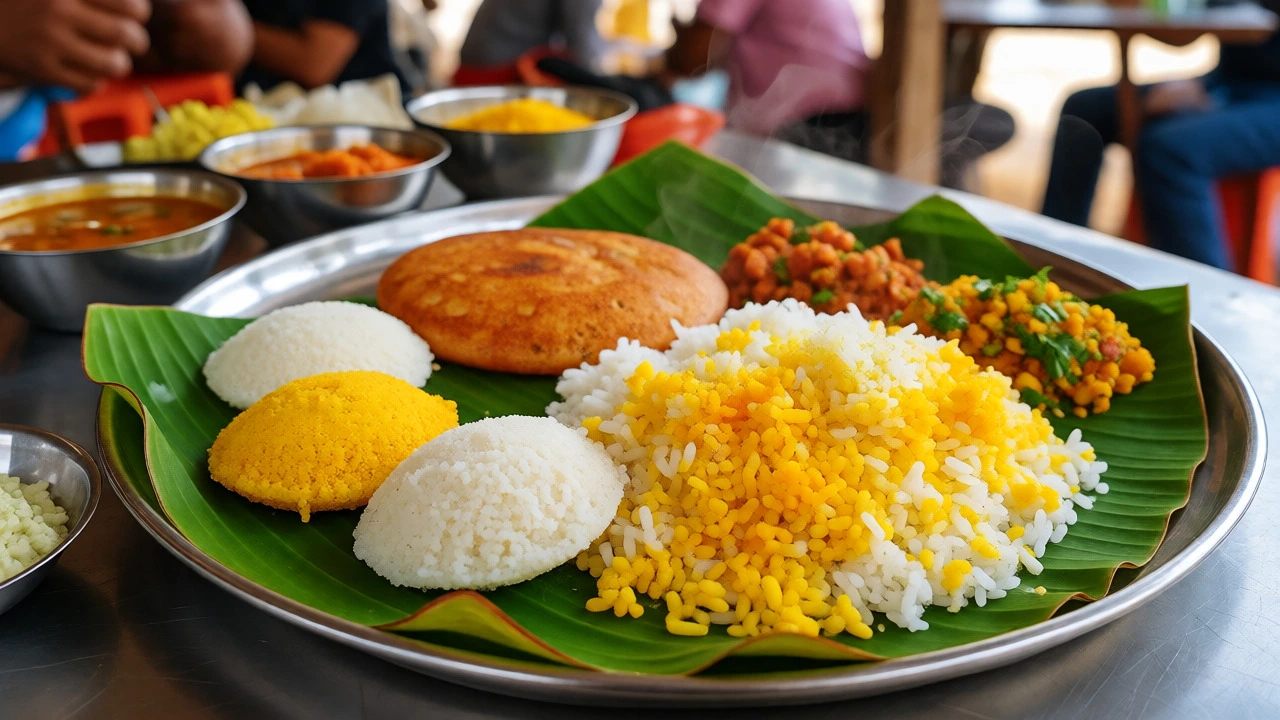
Food is where you either save big or blow your budget. South Indian cuisine is inherently affordable if you stick to local habits. A traditional vegetarian meal served on a banana leaf (Thali) ranges from ₹150 to ₹300 ($2-$4) in local restaurants. Add non-veg items like chicken curry or fish fry, and expect to pay ₹250-₹450 ($3-$5).
Here’s the trap: Western cafes and air-conditioned chain restaurants. A cappuccino in Bangalore might cost ₹250 ($3). A pizza could set you back ₹600 ($7). If you eat three Western-style meals a day, your food bill alone hits $20-$25 daily. Stick to local eateries, and you can eat incredibly well for $5 a day.
Pro tip: Water safety matters. Buying bottled water adds up. Use a filtered bottle or buy large 20-liter dispensers for guesthouses. Avoid ice in drinks unless you’re sure of its source, as bad water can lead to medical costs that dwarf your food savings.
Transportation: Navigating Without Getting Ripped Off
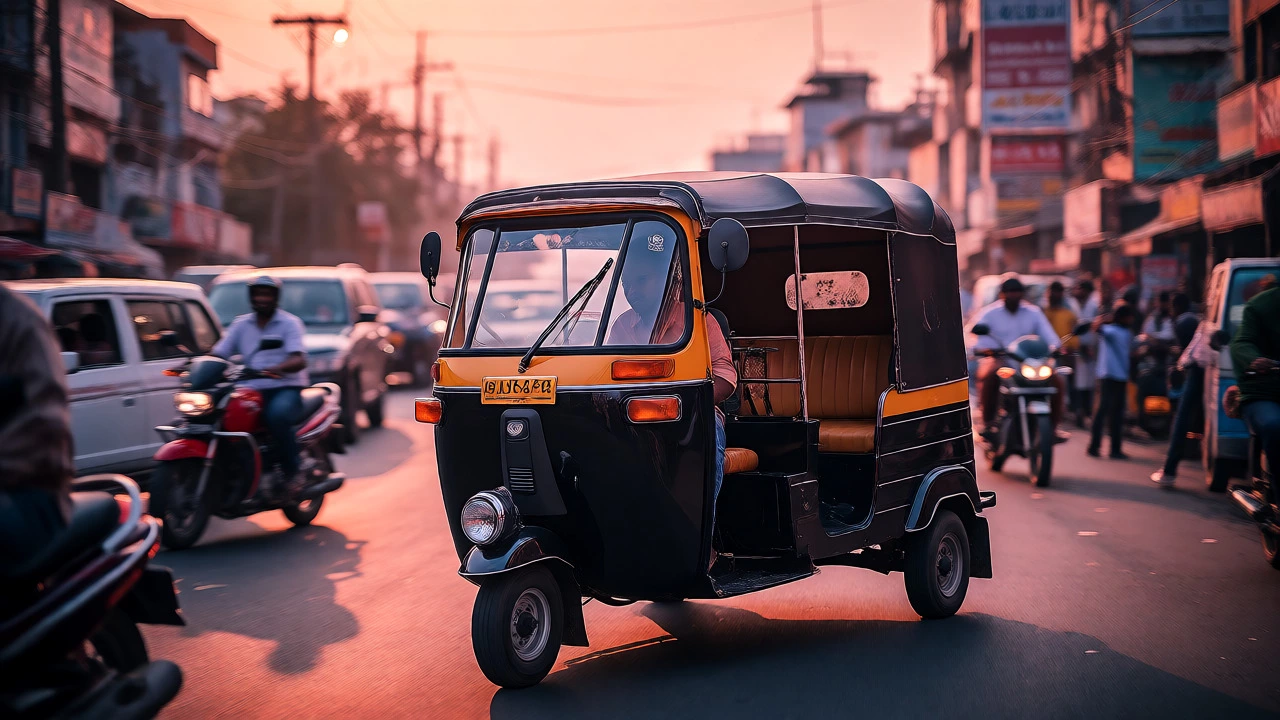
Getting around South India is efficient but requires strategy. Auto-rickshaws are iconic but notorious for overcharging tourists. Always insist on using the meter, or agree on a price before getting in. A 5km ride should cost ₹80-₹120 ($1-$1.50). If they ask for ₹300 ($3.50), walk away.
Apps like Ola and Uber work reliably in cities and offer transparent pricing. In rural areas, government-run KSRTC (Karnataka State Road Transport Corporation) or SETC buses are dirt cheap. A long-distance bus journey from Bangalore to Mysore costs around ₹200 ($2.50). Trains via IRCTC are even cheaper for longer distances, with sleeper class tickets often under ₹500 ($6) for overnight journeys.
If you hire a private car with a driver for sightseeing, expect to pay ₹2,500-₹3,500 ($30-$42) per day. This is standard for families or groups who want flexibility. Splitting this cost among four people makes it surprisingly affordable.
Accommodation: From Dorms to Palaces
Your choice of lodging will dictate whether $100 lasts a week or a day. Hostels in tourist hubs charge ₹400-₹800 ($5-$10) for dorm beds. Private rooms in budget hotels start at ₹1,000 ($12). These aren’t five-star experiences, but they’re clean, safe, and functional.
Mid-range options (₹2,500-₹5,000 / $30-$60) give you AC, attached bathrooms, and sometimes breakfast. This is the sweet spot for most travelers wanting comfort without breaking the bank. Luxury stays (₹8,000+ / $95+) include heritage homes, beach resorts, and treehouses. Note that weekends and festival seasons (like Onam in Kerala or Pongal in Tamil Nadu) see prices spike by 50-100%. Book early.
Hidden Costs and Cultural Nuances
It’s not just about sticker prices. Tipping isn’t mandatory but appreciated. Round up bills or leave 5-10% for good service. Bargaining is expected in markets and auto-rickshaws but not in fixed-price stores or restaurants.
Alcohol is expensive due to high state taxes. A beer might cost ₹150-₹300 ($2-$4) depending on the city. Wine and spirits are pricier. If you plan to party, factor this into your daily budget. Also, camera fees at some temples and monuments can add up. Carry small change (coins and ₹10/₹20 notes) for donations and tips.
Finally, consider the "tourist tax" effect. Places heavily marketed to foreigners often inflate prices. Venture slightly off the main strip, and you’ll find locals’ prices. For example, shopping for spices in a local market vs. a packaged gift shop can save you 30%.
Verdict: Is $100 a Lot?
Yes, $100 is a significant amount in India for everyday spending. For a local family, it represents several days’ worth of groceries and utilities. For a traveler, it’s a powerful tool. It buys freedom, comfort, and experiences.
- Solo Backpacker: $100 = 5-7 days of solid travel.
- Couple Mid-Range: $100 = 1 day of comfortable touring.
- Luxury Traveler: $100 = Half a night’s stay + dinner.
Plan accordingly. If you have $1,000 for a two-week trip, you can live like royalty if you’re smart about choices. If you spend $100 daily, you’ll enjoy a premium experience. The key is aligning your spending with your priorities. Do you care more about gourmet food or seeing more sites? Adjust your budget mix, and South India will reward you with incredible value.
Is $100 enough for a day in South India?
For a solo traveler, yes, $100 is more than enough for a full day, including nice meals, transport, and activities. For a couple or family, $100 covers basic needs but may feel tight if you opt for private tours or upscale dining.
Which part of South India is cheapest?
Tamil Nadu (outside Chennai) and Andhra Pradesh generally offer the lowest costs for food and accommodation. Kerala tends to be the most expensive due to tourism infrastructure and taxes.
Do I need cash or cards?
Digital payments (UPI) are widespread, but foreign cards don’t always work on UPI apps. Carry cash for small vendors, auto-rickshaws, and rural areas. ATMs are widely available in cities.
How much does a typical meal cost?
A local vegetarian thali costs ₹150-₹300 ($2-$4). Non-vegetarian meals range from ₹250-₹500 ($3-$6). Western meals in cafes cost ₹400-₹800 ($5-$10).
Is tipping necessary in India?
Tipping is not mandatory but customary for good service. Rounding up the bill or leaving 5-10% is appreciated in restaurants. For drivers and guides, ₹100-₹200 ($1.20-$2.50) per person is a polite gesture.