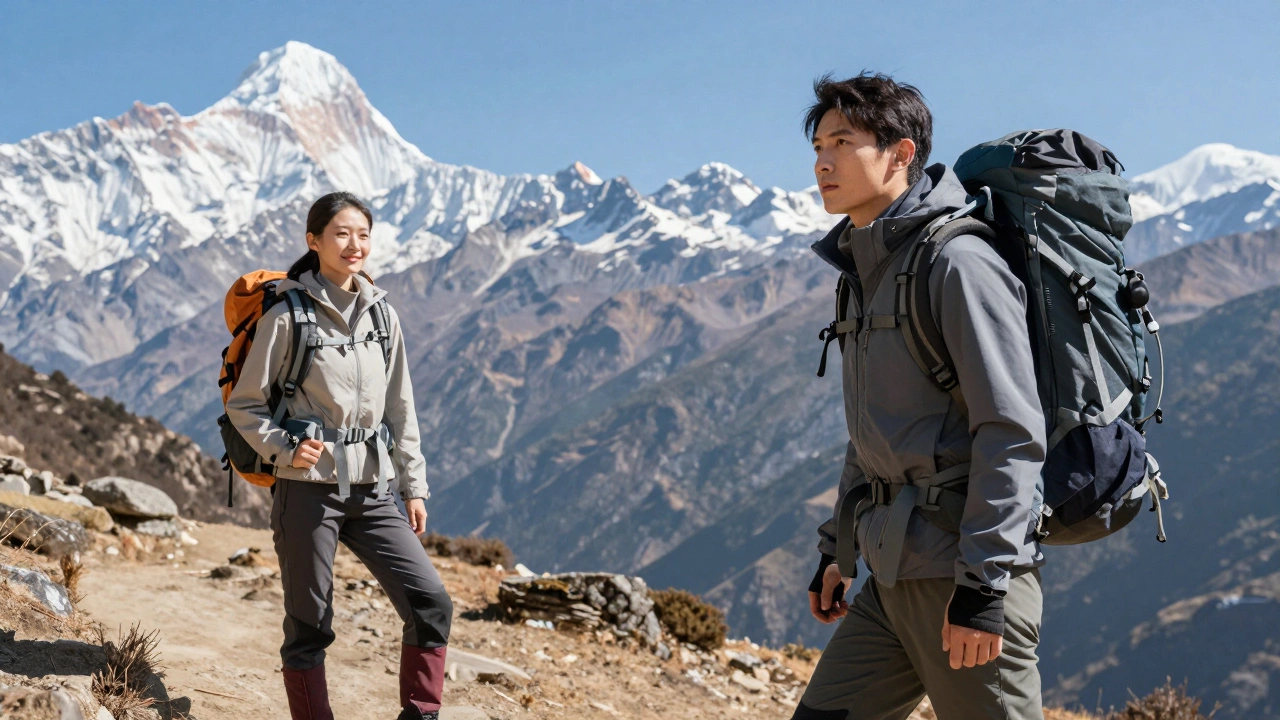
Adventure Selector: Hiking vs. Backpacking
Not sure if you should go for a day hike or a multi-day trek? Answer these questions to find out which adventure suits your current fitness, budget, and time availability.
You stand at the trailhead. One person has a 60-liter pack, a tent, and a sleeping bag. The other has a daypack with water and snacks. Both are walking on the same path. Are they doing the same thing? The short answer is no. While there is overlap, backpacking and hiking are distinct activities with different goals, gear requirements, and physical demands. Understanding this difference is crucial, especially if you are planning an adventure in diverse terrains like the Himalayas or the Western Ghats.
Confusing these two can lead to being underprepared for a multi-day expedition or overburdened for a simple afternoon walk. Let’s break down exactly what sets them apart, how your gear changes, and where you can experience both in India.
The Core Difference: Duration and Destination
The biggest distinction lies in time and accommodation. Hiking is a recreational activity involving walking on trails, typically completed within a single day. You start from a base, walk out, and return before nightfall. Your goal is often the summit view, a waterfall, or simply getting steps in. Since you sleep in a bed (or your car) that night, you don’t need to carry shelter or cooking equipment.
Backpacking, in the context of outdoor adventure, is multi-day trekking where you carry all necessary survival gear in your backpack. Also known as wilderness camping or trekking, it involves sleeping outdoors. You are not just visiting a spot; you are living in it for a few days. This means carrying food, water filtration, a tent, and warm layers. In India, this is often referred to as 'trekking,' which bridges the gap between casual hiking and serious mountaineering.
| Feature | Hiking | Backpacking/Trekking |
|---|---|---|
| Duration | Half-day to full day | 2 days to several weeks |
| Accommodation | Hotel, home, or hostel | Tent, hammock, or basic campsites |
| Pack Weight | Light (5-10 kg) | Heavy (15-25+ kg) |
| Gear Focus | Comfort, hydration, sun protection | Survival, shelter, cooking, warmth |
| Physical Demand | Moderate cardiovascular effort | High endurance + load-bearing strength |
Gear: What’s in the Bag?
Your gear list dictates the experience. For a hike, you prioritize mobility. A lightweight daypack holds water bottles, a rain jacket, energy bars, and maybe a first-aid kit. You might bring a camera or binoculars because weight isn’t a major constraint.
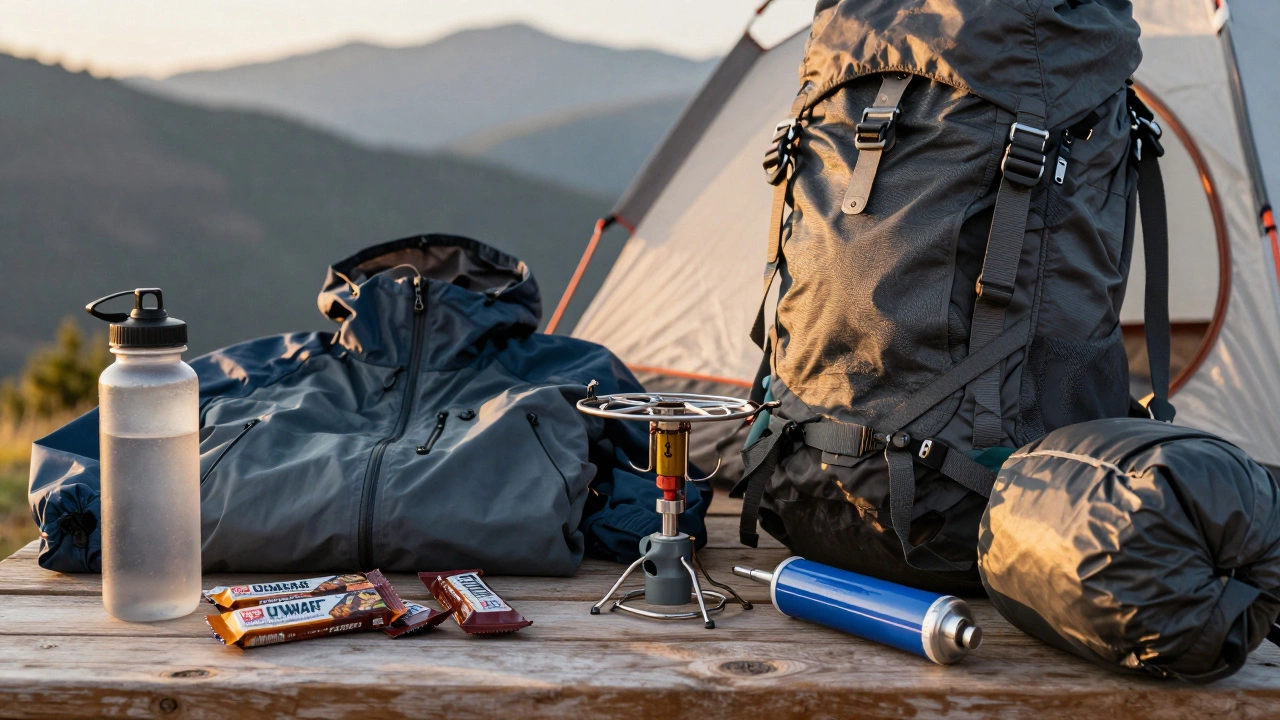
For backpacking, every gram counts. You need a robust frame pack to distribute weight across your hips. Inside, you’ll find:
- Shelter: A 3-season tent or a tarp system.
- Sleep System: Sleeping bag rated for expected nighttime lows and an insulating pad.
- Cooking Kit: Stove, fuel, pot, and utensils. You can’t rely on restaurants in remote areas like the Zanskar Valley or Spiti.
- Water Filtration: A filter or purification tablets are mandatory since natural water sources aren’t safe to drink directly.
- Layered Clothing: Base layers, insulation, and waterproof outer shells. Weather in the mountains can shift from sunny to stormy in minutes.
A common mistake beginners make is packing too much clothing. You only need enough for three days. If you get wet, you dry it. Carrying extra jeans is a waste of space and weight.
Physical Demands and Training
Hiking builds cardiovascular health. It’s great for knee joints if done on flat terrain, but steep ascents challenge your quads and heart rate. You can recover quickly after a day hike.
Backpacking adds a mechanical stressor: the load. Carrying 20 kilograms changes your center of gravity. It strains your lower back, shoulders, and knees more than body weight alone. It requires specific muscle conditioning. Before attempting a trek like the Hampta Pass or Roopkund, train with a weighted pack. Start with 10% of your body weight and gradually increase. Practice walking on uneven surfaces to strengthen your ankles. Balance is key when fatigue sets in after six hours of walking.
Cost and Logistics
Hiking is generally cheaper per trip. You pay for transport to the trailhead and maybe entry fees. Food costs are minimal since you eat at home before and after.
Backpacking has higher upfront costs due to specialized gear. However, daily expenses on the trail can be low if you cook your own meals. But logistics are complex. You need to plan resupply points. In India, many treks require hiring porters or mules because certain sections are too rugged for self-supported backpacking. For example, on the Valley of Flowers trek, you might carry your personal gear but hire local help for heavy communal supplies. This supports the local economy but adds to the cost.
Top Trekkings Places in India for Both Activities
India offers incredible landscapes for both hikers and backpackers. Here are some standout locations categorized by activity type.
Best for Day Hiking
- Munnar, Kerala: Lush tea plantations with gentle slopes. Perfect for beginners and families. Trails like the Eravikulam National Park walks offer scenic views without extreme altitude.
- Ooty, Tamil Nadu: The Nilgiri Biosphere Reserve has well-marked trails through shola forests. The Pykara Falls trail is a favorite for its moderate difficulty and beautiful scenery.
- Darjeeling, West Bengal: Short hikes to Tiger Hill or Batasia Loop provide stunning Himalayan views without requiring overnight stays.
Best for Backpacking/Trekking
- Hampta Pass, Himachal Pradesh: A classic 4-day trek connecting Kullu Valley to Lahaul-Spiti. It transitions from green meadows to arid desert-like landscapes. Moderate difficulty, suitable for fit beginners.
- Roopkund Lake, Uttarakhand: Known as the Skeleton Lake, this high-altitude trek reaches nearly 5,000 meters. It requires acclimatization and sturdy gear. The views of Trishul peak are unforgettable.
- Valley of Flowers, Uttarakhand: A UNESCO World Heritage site. While easier than Roopkund, it involves significant elevation gain. Best visited in July-August when flowers bloom. Requires a permit and careful planning due to monsoon conditions.
- Markha Valley, Ladakh: A high-altitude desert trek. Dry air and intense sun demand rigorous hydration strategies. The landscape is starkly beautiful, with ancient monasteries along the route.
Safety and Environmental Responsibility
Whether hiking or backpacking, safety comes first. Always inform someone of your itinerary. Carry a whistle and a headlamp. In remote Indian treks, mobile network coverage is unreliable. Download offline maps using apps like Maps.me or AllTrails.
Environmental impact is critical. Follow Leave No Trace principles. Pack out all trash, including biodegradable waste like banana peels, which take months to decompose at high altitudes. Stay on marked trails to protect fragile alpine flora. In places like the Valley of Flowers, trampling vegetation destroys ecosystems that take decades to recover.
Choosing the Right Adventure for You
If you have limited time and want to enjoy nature without logistical hassle, choose hiking. It’s accessible and rewarding. If you crave immersion, solitude, and the challenge of self-reliance, opt for backpacking. Start with a weekend camping trip to test your comfort level before committing to a week-long trek in the Himalayas.
Both activities connect you with the earth in profound ways. The difference is in the depth of that connection. Hiking lets you visit; backpacking lets you live. Decide based on your fitness, budget, and desire for adventure.
Can I go backpacking without expensive gear?
Yes, but with compromises. You can rent tents and sleeping bags in major trek hubs like Manali or Delhi. However, boots and backpacks should be bought new to prevent blisters and back pain. Borrowing ill-fitting gear is a recipe for injury. Start with used items from online marketplaces if budget is tight, but ensure they are in good condition.
What is the best season for trekking in India?
The best seasons are spring (April-May) and autumn (September-November). Winter treks are possible in lower altitudes but require extreme cold gear. Monsoon (June-August) brings landslides and leeches, making most Himalayan treks dangerous. Southern India treks are better during winter months.
Do I need a guide for backpacking in India?
For popular treks like Valley of Flowers or Hampta Pass, guides are optional but recommended for navigation and cultural insights. For remote or high-altitude treks like Stok Kangri or Chadar Trek, a guide is essential for safety. Local guides also support community economies and know emergency protocols.
How do I handle altitude sickness?
Acclimatize properly. Spend a night at intermediate altitudes before ascending further. Drink plenty of water, avoid alcohol, and ascend slowly. Symptoms include headache, nausea, and dizziness. If symptoms worsen, descend immediately. Diamox medication can help but consult a doctor first.
Is vegetarian food available on treks?
Yes, most Indian trek operators provide vegetarian meals. Staples include dal, rice, potatoes, and bread. High-energy snacks like nuts and chocolate are widely available. Inform your operator about dietary restrictions in advance to ensure adequate nutrition.