India Travel Safety & Monsoon Checker (August 2026)
Click on a region below to view detailed safety insights, weather impacts, and practical advice for your trip.
Region Name
Safety LevelMonsoon Impact
...
Best For
...
Key Concerns & Risks
There’s a persistent myth that India is either a paradise or a minefield. The truth sits comfortably in the middle. For most travelers, visiting India is a safe and rewarding experience, provided you respect local customs and stay aware of your surroundings. But "safe" isn't a binary switch. It depends on where you go, when you go, and how you prepare. Since we are looking at late August 2026, you’re hitting the tail end of the monsoon season. This changes the landscape significantly, especially if you’re heading to South India. Here’s what you actually need to know before you book that flight.
The Monsoon Factor: Why Timing Matters
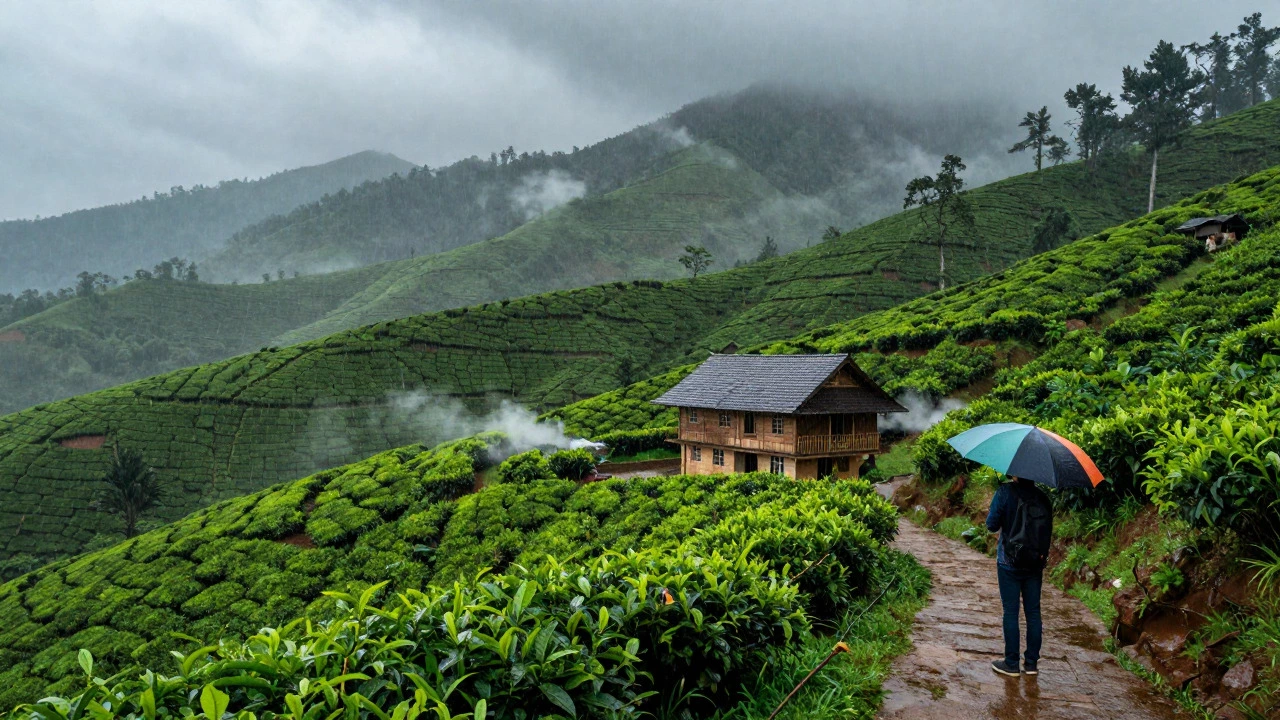
You can’t talk about safety in August without talking about rain. The southwest monsoon brings heavy rainfall to most of the country from June through September. By late August, the intensity starts to taper off in the north, but the south-particularly Kerala, Karnataka, and Tamil Nadu-often sees its peak or near-peak rains until mid-September. Does this make it unsafe? Not necessarily, but it does change the risk profile.
- Floods and Landslides: In hilly areas like Munnar (Kerala) or Coorg (Karnataka), landslides are a real possibility during heavy downpours. Check local news daily if you’re planning trekking or mountain drives.
- Transport Delays: Trains may be delayed due to waterlogged tracks. Flights into smaller airports in the south might face diversions. Build buffer days into your itinerary.
- Health Risks: Stagnant water breeds mosquitoes, increasing the risk of dengue fever and malaria. Use repellent with DEET or picaridin, especially in rural or forested areas.
If you prefer dry, predictable weather, consider shifting your trip to October or November. But if you love lush greenery and fewer crowds, late August is actually a sweet spot for photography and cultural immersion, as long as you pack waterproof gear and stay flexible.
Regional Safety Breakdown: North vs. South
India is huge. What’s true in Varanasi isn’t always true in Kochi. Let’s break it down by region, focusing on what matters for your safety and comfort.
| Region | Safety Level | Monsoon Impact | Key Concerns | Best For |
|---|---|---|---|---|
| South India (Kerala, Tamil Nadu, Karnataka) | High | Heavy rain, possible floods in hills | Mosquito-borne diseases, road closures | Culture, backwaters, temples, food |
| North India (Delhi, Rajasthan, Uttar Pradesh) | Medium-High | Drying up, heat returning | Air quality, traffic, scams in tourist hubs | Heritage sites, forts, cities |
| West India (Goa, Maharashtra) | High | Peak monsoon, beaches closed | Tidal surges, limited beach access | Not ideal for beach holidays; good for Mumbai city breaks |
| East India (Odisha, West Bengal) | Medium | Cyclone risk (late Aug/Sept) | Weather disruptions, infrastructure gaps | Wildlife sanctuaries, tribal culture |
For most first-time visitors, South India offers the best balance of safety, accessibility, and cultural richness. Cities like Chennai, Bangalore, and Hyderabad have robust healthcare, English-speaking populations, and well-maintained infrastructure. Rural areas are generally peaceful, but you’ll need to plan transport carefully.
Health and Hygiene: The Unspoken Safety Issue
Many travelers worry about crime, but the bigger risk is usually gastrointestinal. "Delhi Belly" is a real thing, even in upscale hotels. Here’s how to protect yourself:
- Drink bottled or filtered water only. Avoid ice unless you’re sure it’s made from purified water. Tap water is not potable in most parts of India.
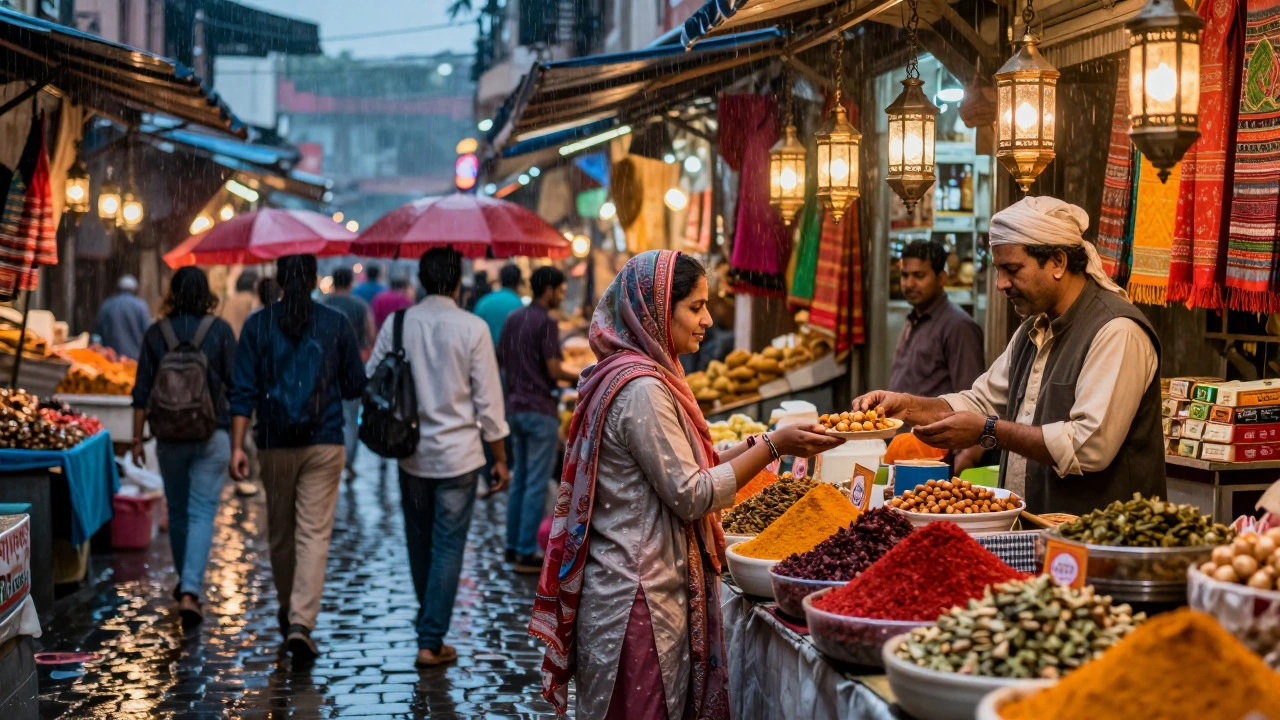
- Eat fresh, hot food. Street food is delicious but risky. Look for stalls with high turnover (freshly cooked) and avoid raw salads or unpeeled fruits.
- Carry basic meds. Anti-diarrheals, oral rehydration salts, and antacids are essential. Visit a pharmacy in your first day to get local brands if needed.
- Vaccinations. Hepatitis A and Typhoid vaccines are recommended. If you’re going to rural areas, consult your doctor about Japanese Encephalitis or Rabies.
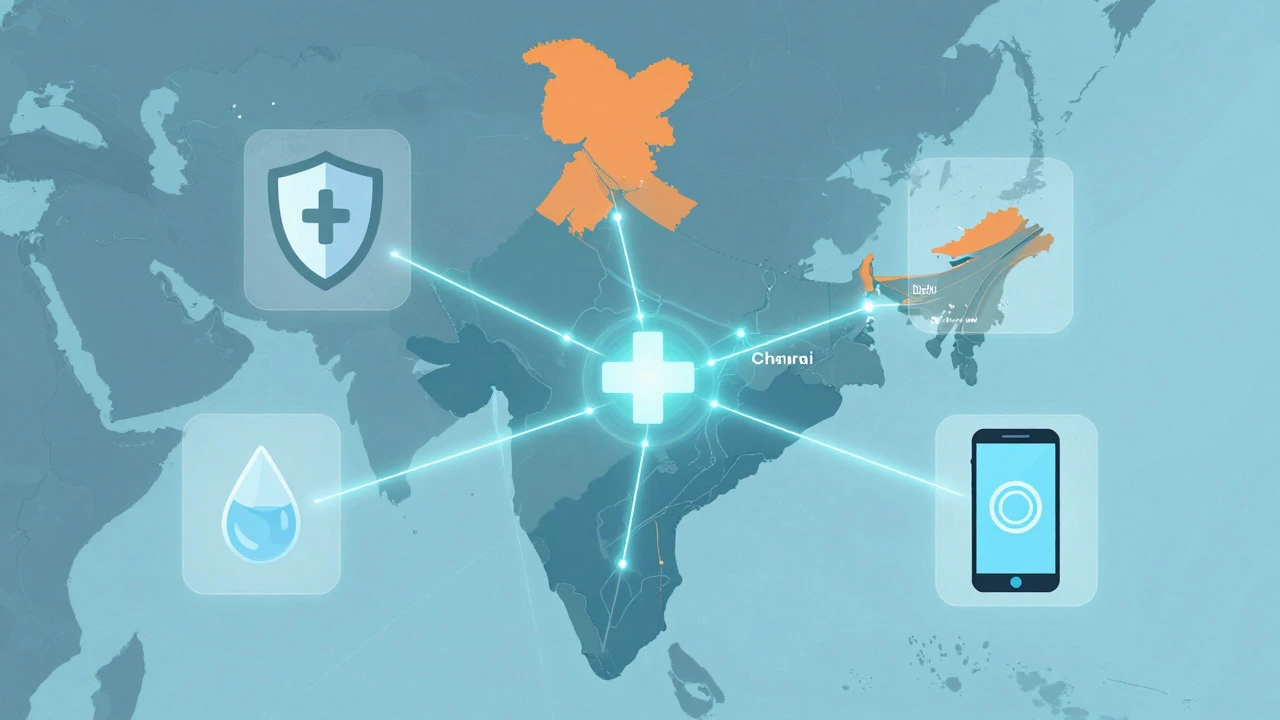
Healthcare in major Indian cities is excellent and affordable. Hospitals like Apollo (Chennai) or Fortis (Bangalore) meet international standards. Carry a copy of your travel insurance policy and know the nearest hospital to your accommodation.
Cultural Etiquette: How to Avoid Unintentional Missteps
Safety isn’t just about physical security; it’s about social harmony. A few simple rules will go a long way in making your trip smooth and respectful.
- Dress modestly. In temple towns and rural areas, cover shoulders and knees. Women should avoid tight clothing in conservative settings.
- Remove shoes before entering homes and temples. This is non-negotiable in many places.
- Use your right hand for eating and giving/receiving items. The left hand is considered unclean in traditional contexts.
- Ask permission before photographing people. Especially children, elders, and religious figures. A smile and a nod often work better than a camera flash.
Indians are generally warm and welcoming to foreigners. Locals often go out of their way to help tourists. But always trust your gut. If a situation feels off, move to a public place or ask a hotel staff member for guidance.
Practical Safety Tips for 2026
Technology has changed how we travel. Here are some modern tips that apply specifically to India in 2026:
- Download offline maps. Internet connectivity can be spotty in rural areas. Google Maps works well, but download regions before you lose signal.
- Use reputable ride-hailing apps. Uber and Ola are reliable in cities. Agree on fares for auto-rickshaws before starting the journey.
- Keep digital copies of documents. Passport, visa, insurance, and hotel bookings should be stored in cloud storage and emailed to yourself.
- Register with your embassy. Most countries have an online registration system for citizens abroad. It helps in case of emergencies.
Crime against tourists is relatively low compared to other large countries. Petty theft (pickpocketing) is the most common issue, especially in crowded markets and train stations. Keep valuables secure and avoid flashing expensive jewelry or electronics.
When to Reconsider Your Trip
While India is generally safe, there are scenarios where you might want to adjust plans:
- Cyclone Season (Oct-Nov): If you’re traveling to Odisha or Andhra Pradesh coast, check weather forecasts closely. Cyclones can cause major disruptions.
- Political Unrest: While rare, local protests can block roads. Follow local news and avoid large gatherings if tensions rise.
- Personal Health Conditions: If you have chronic illnesses requiring specific medications, ensure they’re available in India or bring enough supply. Some drugs require prescriptions.
Check your government’s foreign affairs website for current travel advisories. As of mid-2026, no major warnings exist for standard tourist routes in South India, but always verify before departure.
Frequently Asked Questions
Is India safe for solo female travelers in 2026?
Yes, but with precautions. Stay in well-reviewed accommodations, use trusted transport, and dress modestly in rural areas. Major cities like Bangalore and Chennai are very traveler-friendly. Join women-only tour groups if you prefer added security.
Do I need a visa to visit India in August 2026?
Most nationalities require a visa. India offers e-Visas for tourism, which are easy to apply for online. Processing time is typically 72 hours. Apply at least two weeks before your trip to allow for any delays.
What is the best time to visit South India?
October to March is the ideal period, offering pleasant weather and minimal rain. Late August is acceptable if you don’t mind showers and enjoy lush landscapes, but be prepared for occasional disruptions.
How much money do I need for a week in India?
Budget travelers can manage on $40-$60 USD per day, including mid-range hotels, meals, and local transport. Mid-range travelers should budget $100-$150 USD per day. Luxury travel can easily exceed $300 USD per day.
Are credit cards widely accepted in India?
In cities and tourist areas, yes. However, carry cash for small vendors, temples, and rural areas. ATMs are widely available in cities, but less so in remote locations. Notify your bank before traveling to avoid card blocks.