Maldives Trip Readiness Checker
Are you ready? Use this tool to double-check your documents, health prep, and accommodation rules based on current 2026 regulations.
Entry Docs
--
Based on passport validity & tickets
Health Prep
--
Insurance, Repellent, Water
Cultural Fit
--
Dress code & Alcohol laws
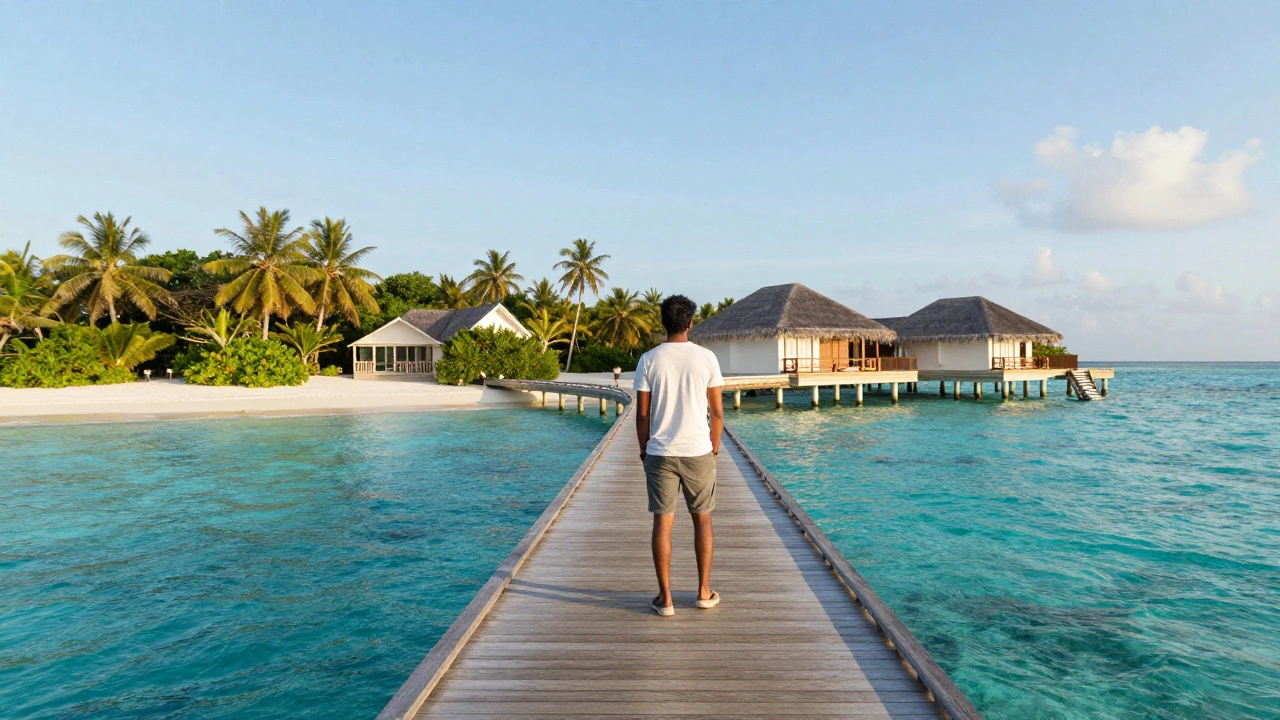
Imagine standing on the edge of a turquoise lagoon, the water so clear you can see the coral reef below. For many Indians dreaming of a quick escape from the hustle of Mumbai or Delhi, the Maldives is a tropical paradise located just a few hours' flight away. But before you book that ticket, a common question pops up: Is it actually safe to go right now? Especially with changing global dynamics and local regulations, travelers want peace of mind.
The short answer is yes. The Maldives remains one of the safest destinations in the world for tourists, including those traveling from India. However, "safe" doesn't just mean low crime rates. It involves understanding visa rules, health protocols, cultural norms, and even how your money works there. Let’s break down everything you need to know to travel with confidence in 2026.
Political Stability and General Safety
When we talk about safety, most people worry about crime or political unrest. In the Maldives, these concerns are largely misplaced. The country has maintained a stable political environment since the transition to democracy in 2008. While there have been periodic protests in the capital, Malé is the densely populated capital city where most government buildings are located, tourist areas like Hulhumalé and resort islands remain completely unaffected.
Violent crime against tourists is extremely rare. The Maldivian police force takes tourism seriously because it accounts for nearly 30% of the GDP. You won’t find pickpockets lurking in alleys or scams targeting visitors at airports. That said, petty theft can happen if you leave valuables unattended on public beaches in local islands, but this is true anywhere in the world.
If you’re staying in a resort, you’re essentially in a private bubble. Resorts employ their own security teams, and access is controlled. Even if you choose to stay in guesthouses on local islands (which opened up to tourists in 2015), the community-driven nature of island life means locals look out for visitors. Just keep standard travel sense: lock your room, don’t flash expensive jewelry, and be aware of your surroundings at night.
Visa Requirements for Indian Citizens
One of the biggest hurdles for international travel is visas. Fortunately, the Maldives offers a hassle-free entry process for Indian passport holders. You get a free 30-day tourist visa on arrival. No prior application needed.
To qualify, you need three things:
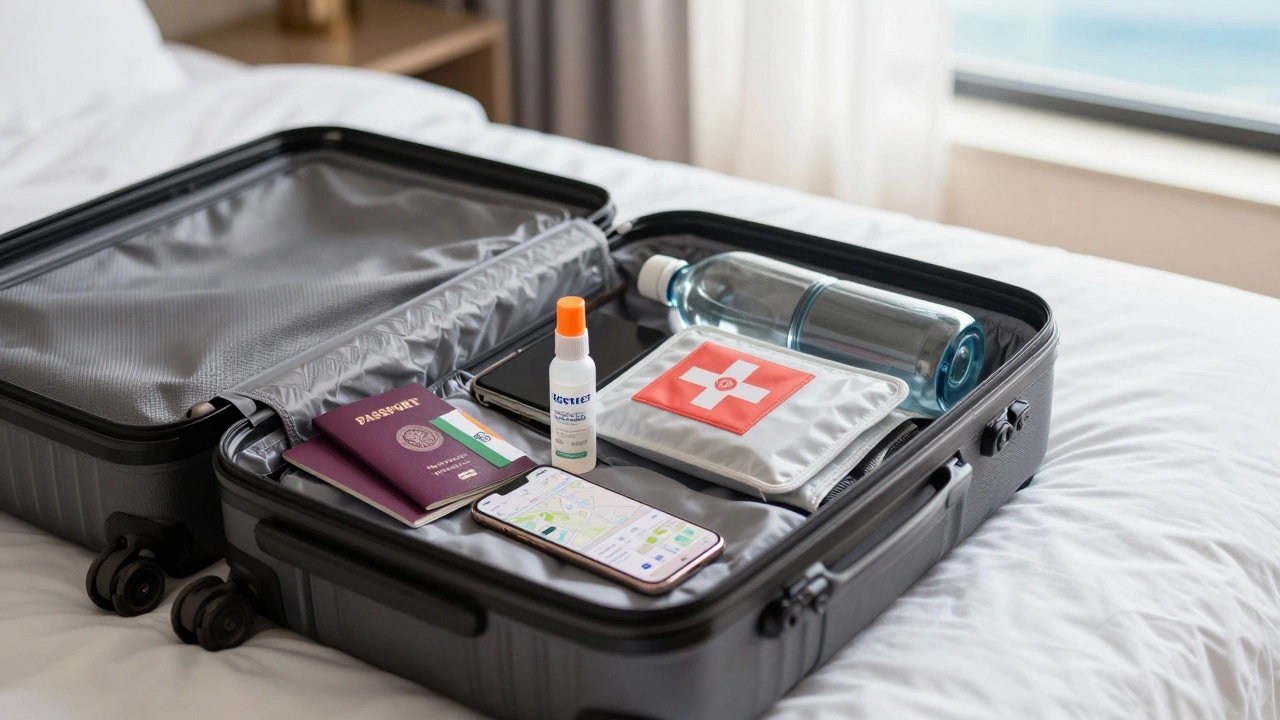
- A passport valid for at least six months from your date of entry.
- Proof of onward or return travel (your flight ticket).
- Confirmation of accommodation (hotel booking) or sufficient funds (around $100 per day).
Indian travelers should note that immigration officers may ask for proof of funds if your hotel isn’t prepaid. Keep a credit card statement or some cash handy. Also, ensure your passport has at least two blank pages. If you plan to stay longer than 30 days, you must apply for an extension through the Maldives Immigration Department before your initial visa expires. Overstaying can lead to fines and bans, so track your dates carefully.
Health Precautions and Medical Facilities
Health safety is another critical layer. The Maldives has clean drinking water in resorts and most urban areas, but tap water on local islands might not meet international standards. Stick to bottled water everywhere unless told otherwise by your host.
Dengue fever is present in the Maldives, especially during the monsoon season (May to November). Use insect repellent containing DEET, wear long sleeves in the evening, and check if your accommodation has mosquito nets. Malaria is not endemic to the Maldives, so anti-malarial medication is generally unnecessary.
Medical facilities vary significantly between Malé and remote islands. Malé has several private hospitals equipped with modern technology, such as Aashiyana Hospital is a leading private hospital in Malé offering emergency and specialized care. However, if you’re on a remote resort island, medical evacuation might be required for serious issues. This is why comprehensive travel insurance is non-negotiable. Ensure your policy covers medical evacuation, repatriation, and pre-existing conditions if applicable. Don’t skimp here-getting stranded without coverage can cost tens of thousands of dollars.
Cultural Norms and Religious Sensitivity
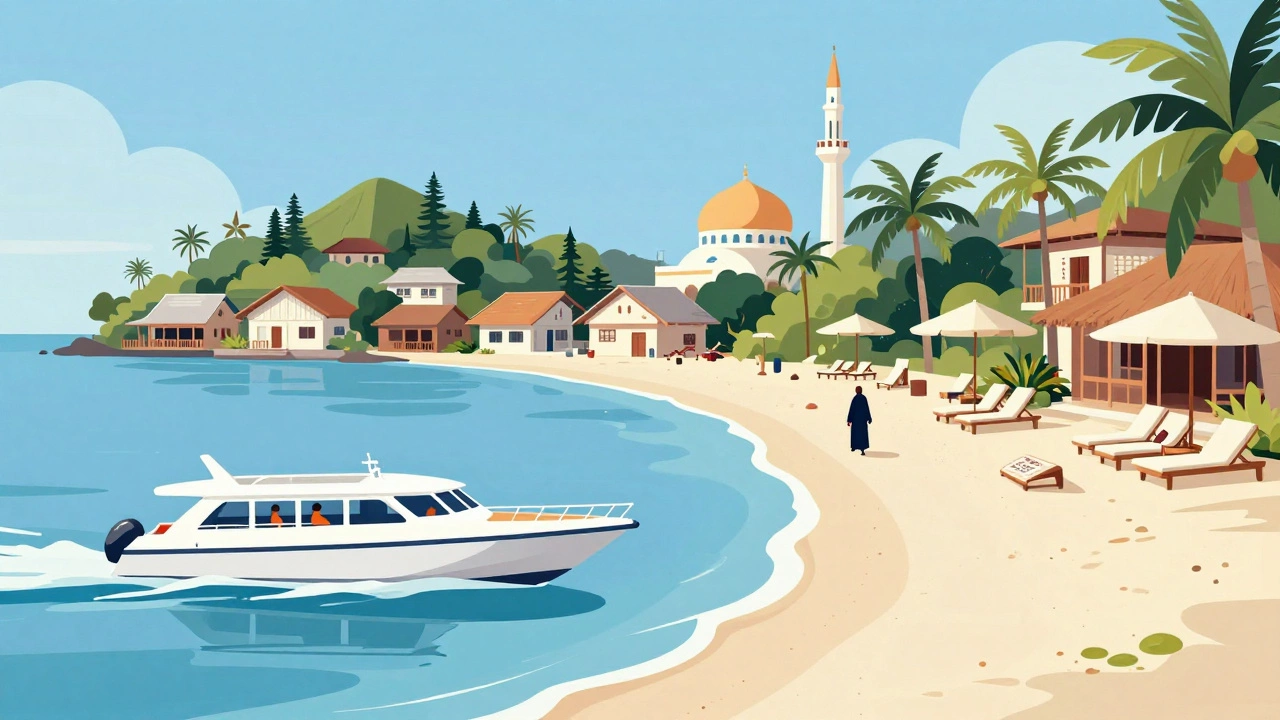
The Maldives is a Muslim-majority country, and Islamic law influences daily life. This doesn’t mean you can’t enjoy your vacation; it means you need to respect local customs. Alcohol and pork are prohibited on local islands and in Malé. They are only available in licensed resort islands. If you’re staying in a guesthouse on a local island, do not bring alcohol with you-it will be confiscated, and you could face legal trouble.
Dress modestly when visiting local islands or Malé. Cover your shoulders and knees. Swimwear is acceptable only on resort islands or designated beach clubs. During Ramadan, eating, drinking, or smoking in public during daylight hours is disrespectful and sometimes illegal. Most resorts cater to international guests and allow dining throughout the day, but local restaurants may close or serve limited menus.
Photography etiquette matters too. Always ask permission before taking photos of people, especially women. Avoid photographing government buildings, military installations, or airports, as this can raise security concerns.
Natural Hazards and Weather Considerations
The Maldives sits in the Indian Ocean, which brings its own set of natural risks. Cyclones are rare but possible, typically occurring between April and October. The meteorological department provides accurate forecasts, and resorts will guide you on safety measures if a storm approaches. Most hotels have reinforced structures designed to withstand high winds.
Jellyfish stings are more common than cyclones. Box jellyfish and Portuguese man-o-war can appear near shorelines, especially after heavy rains. Wear protective clothing like rash guards while snorkeling, and heed warning flags on beaches. Resorts usually provide vinegar sprays for stings, but seek medical help for severe reactions.
Strong currents can also pose a risk to swimmers. Never swim alone, and always follow lifeguard instructions. Water sports operators are certified and trained to handle emergencies, but verify their credentials before booking activities like jet skiing or diving.
Financial Safety and Scams
Scams targeting tourists are uncommon in the Maldives, but financial pitfalls exist. The official currency is the Maldivian Rufiyaa (MVR), but US Dollars are widely accepted, especially in resorts. Credit cards work almost everywhere, but cash is king for small purchases on local islands.
Beware of unofficial tour operators. Always book excursions through your hotel or reputable agencies. Some unlicensed vendors may offer cheap boat rides or fishing trips without proper insurance or safety gear. If something sounds too good to be true, it probably is.
Exchange rates fluctuate, so check current rates before exchanging money. ATMs are available in Malé and larger islands, but they may charge high fees. Notify your bank before traveling to avoid card blocks due to suspicious activity abroad.
| Feature | Resort Islands | Local Islands |
|---|---|---|
| Alcohol Availability | Allowed in licensed venues | Strictly prohibited |
| Medical Access | On-site clinic + evacuation support | Basic clinic; transfer to Malé for emergencies |
| Dress Code | Swimwear allowed in resort areas | Modest dress required in public |
| Security Level | High (private security) | Moderate (community-based) |
| Cost of Living | Higher (all-inclusive packages) | Lower (budget-friendly guesthouses) |
Best Practices for Indian Travelers
To make your trip smoother, consider these tips tailored for Indian nationals:
- Book Early: Peak seasons (December to April) fill up quickly. Secure flights and accommodations months in advance.
- Choose Your Island Wisely: If you want luxury and privacy, opt for a resort. If you prefer cultural immersion and lower costs, try a local island guesthouse. Research each island’s amenities beforehand.
- Connectivity: Buy a local SIM card at Velana International Airport. Providers like Dhiraagu and Ooredoo offer affordable data plans. Wi-Fi is reliable in resorts but spotty on local islands.
- Food Preferences: Halal food is standard, but vegetarian options are abundant. Many resorts offer Indian cuisine, but specify dietary needs when booking. On local islands, street food is delicious but ensure hygiene standards are met.
- Emergency Contacts: Save the number for the Maldives Police Service (+960 333 3333) and your embassy in Malé. Share your itinerary with family back home.
Traveling to the Maldives from India is not just safe-it’s rewarding. With proper planning and respect for local customs, you’ll experience unparalleled beauty and hospitality. Whether you’re seeking romance, adventure, or relaxation, the Maldives delivers. Just remember: safety starts with preparation. Pack smart, insure well, and immerse yourself in the culture responsibly.
Is it safe for solo female travelers to visit the Maldives?
Yes, the Maldives is generally safe for solo female travelers. Harassment is rare, and locals are respectful. However, stick to well-lit areas at night, avoid isolated beaches, and inform someone of your whereabouts. Resort islands are particularly secure due to controlled access.
Can I drink alcohol on local islands in the Maldives?
No, alcohol is strictly prohibited on local islands and in Malé. It is only permitted in licensed resort islands. Bringing alcohol into local areas can result in confiscation and legal penalties. Always confirm your accommodation type before purchasing beverages.
Do I need malaria tablets for the Maldives?
No, malaria is not endemic to the Maldives. Anti-malarial medication is unnecessary. Focus instead on preventing dengue fever by using insect repellent and wearing protective clothing during peak mosquito hours (dusk and dawn).
What should I do if I lose my passport in the Maldives?
Report the loss immediately to the local police and obtain a report. Then contact the Indian Embassy in Malé (+960 332 7474) for assistance with a temporary travel document. Keep digital copies of your passport and visa in the cloud for faster processing.
Is tap water safe to drink in the Maldives?
Tap water is safe in Malé and most resort islands, but it may taste salty due to desalination processes. On local islands, tap water quality varies. To be safe, drink bottled water or use purification tablets, especially if you have a sensitive stomach.