Rameshwaram: Jyotirlinga vs. Char Dham Explorer
Choose how you are viewing your visit to Rameshwaram to see relevant details:
Jyotirlinga Status
One of the 12 sacred abodes of Lord Shiva
There is a common mix-up among travelers planning their spiritual journey to South India. You hear about the Ramanathaswamy Temple in Rameshwaram, and you wonder: Is this place one of the sacred Jyotirlingas, or is it part of the famous Char Dham circuit? The short answer is yes to both, but with important distinctions that change how you plan your visit.
Rameshwaram is a town in Tamil Nadu known for its ancient temple dedicated to Lord Shiva. It holds a unique dual status in Hindu pilgrimage. It is home to the Ramanathaswamy Jyotirlinga, making it one of the twelve most powerful abodes of Lord Shiva. Simultaneously, it serves as the southern anchor of the Char Dham Yatra, the four holy sites visited by devotees across India. Understanding this difference helps you respect the rituals and history you are stepping into.
The Jyotirlinga Status of Rameshwaram
To understand why Rameshwaram matters, you first need to look at the concept of a Jyotirlinga is a sacred representation of Lord Shiva in the form of a column of light. There are exactly twelve such sites across India, each marking a spot where Shiva appeared as an infinite pillar of fire to settle a dispute between Brahma and Vishnu. These temples are considered the most potent places for worshiping Shiva.
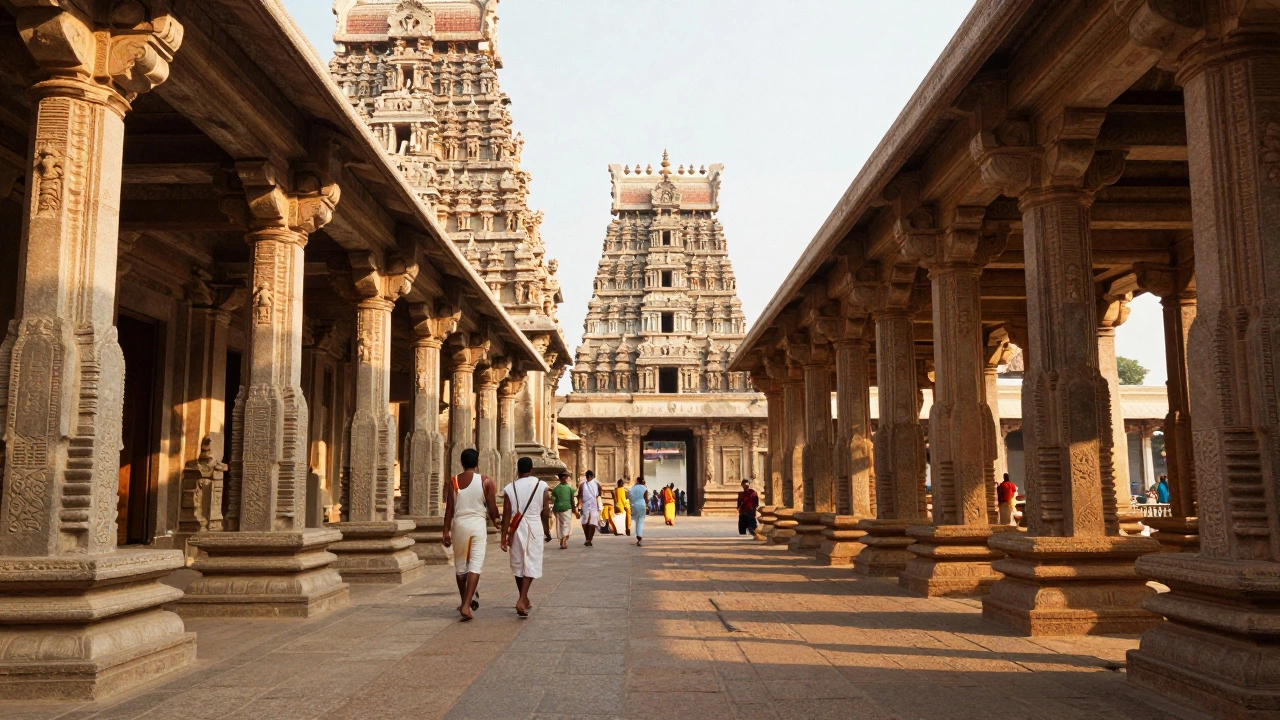
The temple in Rameshwaram houses the twelfth Jyotirlinga. Unlike some other Jyotirlinga temples which might be smaller or less accessible, the Ramanathaswamy Temple is massive. It is actually the largest functioning temple complex in all of India. The sheer scale of the architecture reflects its importance. Devotees believe that bathing in the Agni Theertham tank before entering the sanctum cleanses sins committed since birth. This specific ritual is tied directly to its status as a Jyotirlinga site.
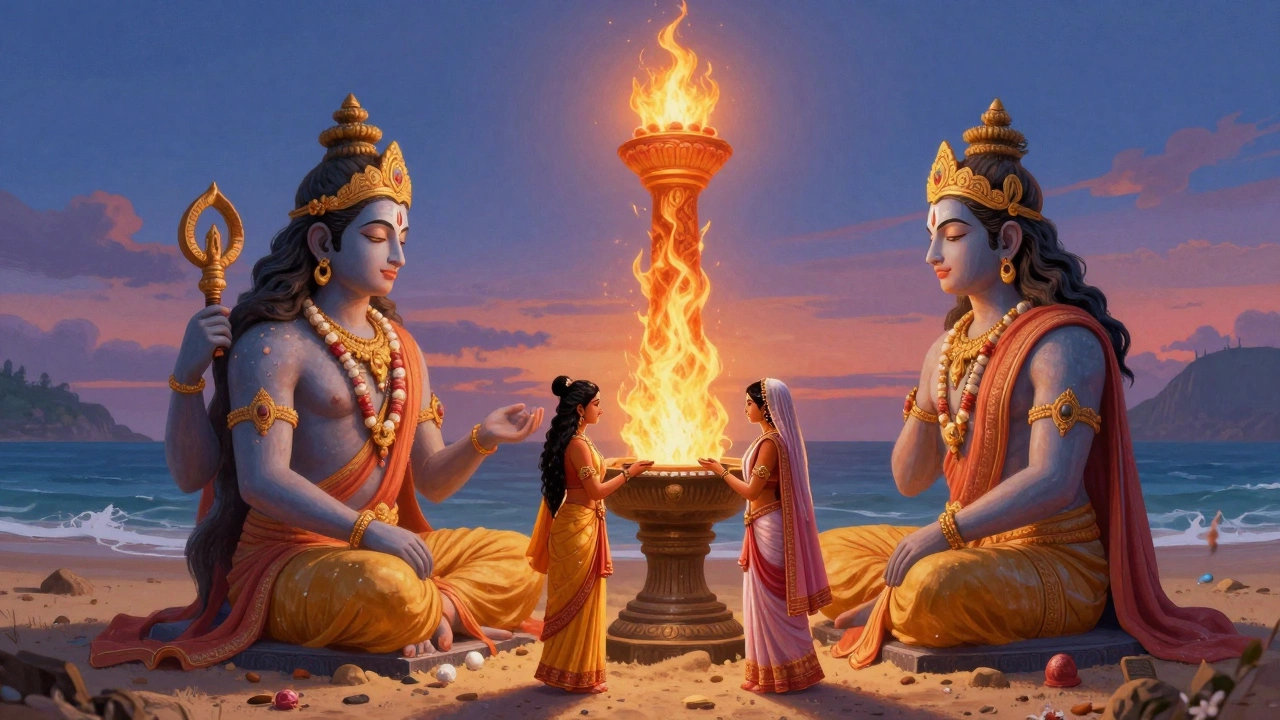
The legend here is distinct from other Jyotirlingas. According to the Ramayana, after Lord Rama killed Ravana in Lanka, he was asked by his wife Sita to perform penance for the sin of killing a Brahmin (since Ravana was a scholar). Rama sent Hanuman to bring a Linga from Mount Kailash. When Hanuman was delayed, Sita made a small Linga out of sand to continue the prayers. Later, Hanuman arrived with the original Linga. To honor both acts of devotion, two Lingas were installed. This duality makes the Rameshwaram Jyotirlinga unique in its narrative.
Rameshwaram as Part of the Char Dham
Now, let’s talk about the Char Dham is a set of four pilgrimage sites in India associated with Lord Vishnu. Traditionally, these four sites are Badrinath in the north, Dwarka in the west, Puri in the east, and Rameshwaram in the south. This creates a rectangular boundary around the Indian subcontinent. Completing the Char Dham Yatra is believed to liberate the soul from the cycle of rebirth.
Here is where people get confused. The Char Dham is primarily associated with Lord Vishnu, yet Rameshwaram is a Shiva temple. Why is it included? The connection lies with Lord Rama, who is an avatar of Vishnu. Since Rama performed his penance here and worshipped Shiva, the site became integral to the Vaishnava tradition as well. In Rameshwaram, the presiding deity is Shiva, but the temple also has significant shrines dedicated to Rama and Sita. This syncretism allows it to fit perfectly into the Vishnu-centric Char Dham circuit.
When you visit Rameshwaram as part of the Char Dham, the focus shifts slightly. While you still worship the Jyotirlinga, you also pay homage to the footprints of Rama on the rock island of Mandapam. The bridge connecting Rameshwaram to Dhanushkodi is said to be the same bridge built by Rama’s army. Walking this path connects you physically to the epic story, reinforcing its role in the broader Dham network.
| Aspect | Jyotirlinga Context | Char Dham Context |
|---|---|---|
| Primary Deity Focus | Lord Shiva | Lord Vishnu (via Rama) |
| Total Sites | 12 across India | 4 across India |
| Spiritual Goal | Moksha through Shiva worship | Liberation from karmic debt |
| Key Ritual | Bathing in Agni Theertham | Visiting Rama’s footprints |
| Geographic Role | One of many power centers | Southern corner of the sacred rectangle |
Planning Your Visit: Logistics and Timing
Knowing the religious significance is one thing; getting there is another. Rameshwaram is located on Pamban Island in Tamil Nadu. The most common route is via Madurai, which is about 150 kilometers away. From Madurai Junction, you can take a train to Rameswaram Junction. The ride takes roughly three hours and offers a scenic view of the coastal landscape.
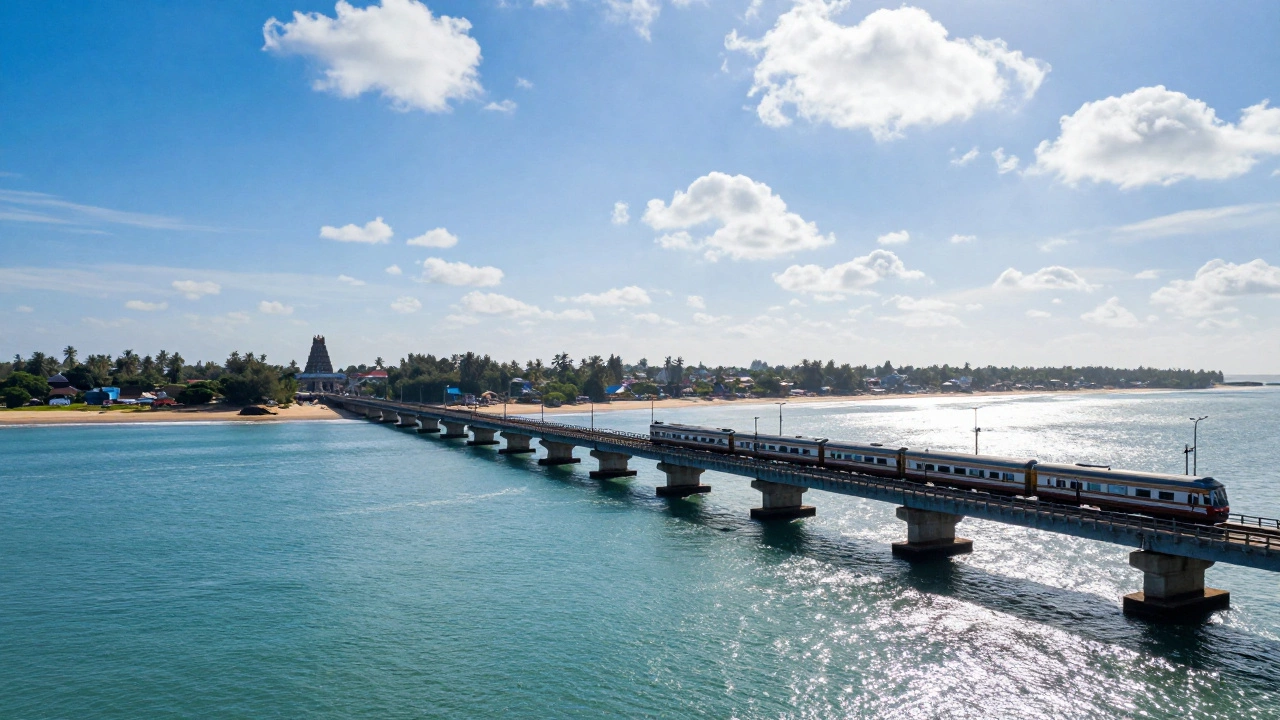
If you are driving, you must cross the Pamban Bridge. This is a historic railway-cum-road bridge built during the British era. It is an engineering marvel that connects the mainland to the island. During high tides, the road portion may close, so check local schedules if you are arriving by car. Ferries are available as an alternative, offering a quick crossing.
The best time to visit is between October and March. The summer months in Tamil Nadu can be extremely hot, with temperatures soaring above 40°C. Performing rituals like bathing in the tanks under such heat can be exhausting. The monsoon season brings heavy rains, which might disrupt travel plans due to flooding on the island.
What to Do Beyond the Main Temple
Your trip shouldn’t end after darshan at the main shrine. Rameshwaram has several other sites that add depth to your experience. First, visit the Kothandaramar Temple. This is the only temple in the world where Lord Rama is worshipped as the primary deity alongside Sita and Lakshmana. It is located just a kilometer from the main temple and is quieter, allowing for more personal reflection.
Next, head to the Dhanushkodi. This is the tip of the island where the Ram Setu bridge is believed to start. The area was devastated by a cyclone in 1964, leaving behind a hauntingly beautiful landscape of ruins and white sands. You can drive down to the end of the road and see the meeting point of the Bay of Bengal and the Indian Ocean. The contrast between the turquoise water and the arid land is striking.
Don’t miss the Agni Theertham itself. Even if you don’t bathe, watching the thousands of devotees line up to take a dip is a powerful sight. The water is said to be heated by the fire of Shiva’s linga beneath the earth. Locals believe that drinking this water cures various ailments. Make sure to wear clean cotton clothes, as synthetic fabrics are not allowed in the temple premises.
Common Mistakes to Avoid
Many first-time visitors make simple errors that ruin their experience. One big mistake is assuming you can carry electronic devices into the temple. Mobile phones, cameras, and even smartwatches must be left in the lockers outside. The security checks are strict. Plan extra time for this process, especially during peak hours when queues stretch back hundreds of meters.
Another error is underestimating the physical effort required. The temple corridors are long and covered, but walking the entire perimeter can take hours. If you have mobility issues, ask for assistance early. There are provisions for wheelchair access, but they require prior arrangement or patience during busy times.
Finally, do not skip the local food. Rameshwaram is famous for its banana chips and coconut water. After your spiritual duties, sit down at a local eatery near the bus stand. Try the filter coffee and fresh fruits. It grounds you in the local culture and provides energy for the rest of your day.
Frequently Asked Questions
Is Rameshwaram the only Jyotirlinga in South India?
No, it is not the only one, but it is the most prominent. Another Jyotirlinga, the Thillai Nataraja Temple (also known as Chidambaram), is located in Chidambaram, Tamil Nadu. However, Rameshwaram is often more visited due to its dual status as a Char Dham site and its association with the Ramayana.
Can I complete the Char Dham Yatra in one trip?
It is possible but challenging. The four sites are spread across different corners of India. Most pilgrims break the journey into multiple trips over several years. Starting with Rameshwaram is a good idea because it is easily accessible year-round, unlike Badrinath which closes in winter.
Why is the corridor of Ramanathaswamy Temple so long?
The temple has the longest corridor of any Hindu temple in the world, stretching over 400 meters. It was expanded over centuries by various kings and devotees. The length symbolizes the infinite nature of God and provides shade for pilgrims walking in the tropical climate.
Do I need to book tickets in advance?
For general entry, no booking is required. However, if you want special darshan passes or guided tours, you should book online through the official Tamil Nadu Hindu Religious and Charitable Endowments Department website. This saves hours of waiting in line.
Is it safe for solo female travelers?
Yes, Rameshwaram is generally safe for solo female travelers. The town is deeply religious and respectful. However, standard precautions apply: avoid isolated areas at night, dress modestly, and keep your belongings secure. Many women travel alone for pilgrimage without issues.