South India Destination Matcher
Where Should You Go?
Find your ideal spot in the Southern PeninsulaYour Perfect Match:
--
--
Why it fits you:
Select options above to see why.
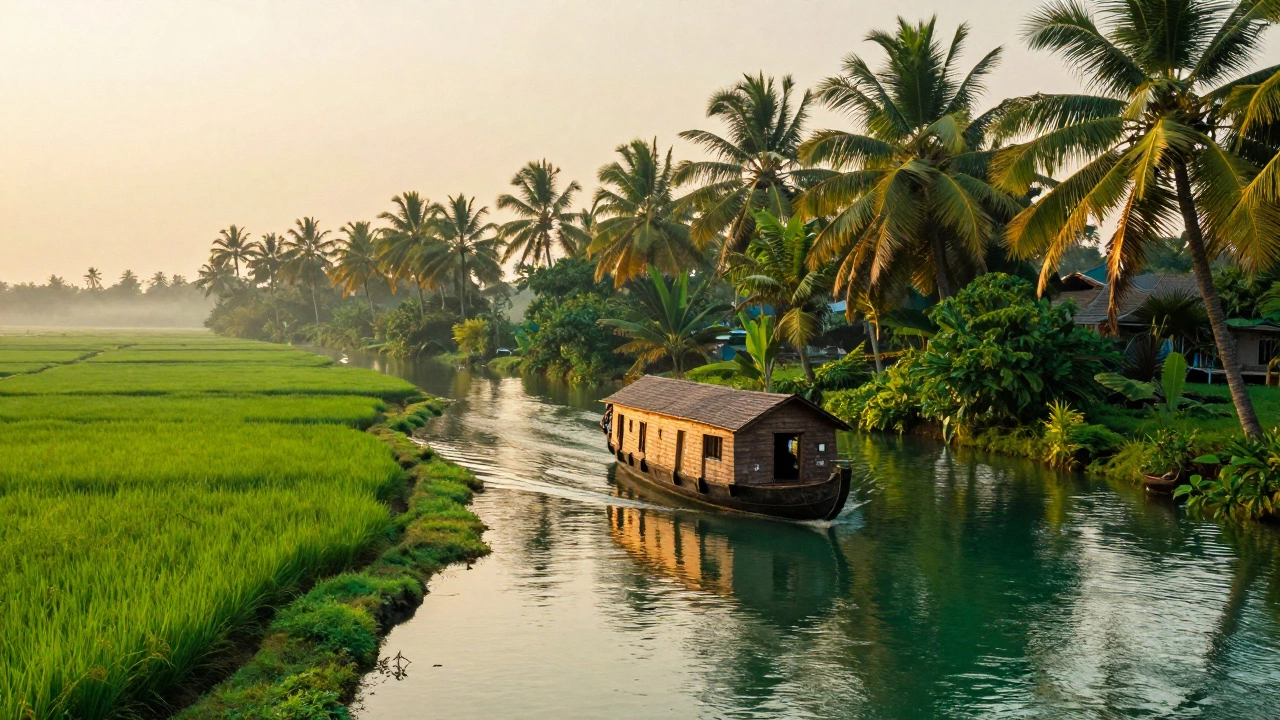
You hear stories about India being chaotic, overcrowded, and overwhelming. Then you look at photos of palm-fringed lagoons, misty hill stations, and pristine beaches, and you wonder if you're missing out on the real magic. The short answer is yes. South India offers a completely different experience than the north, one that feels slower, greener, and more organized. But before you book that flight, you need to know exactly what you are signing up for.
I've spent years exploring everything from the humid backwaters of Kerala a state known for its tropical climate and high literacy rate to the bustling streets of Chennai. Based on these experiences, here is the unvarnished truth about whether this region deserves your money and time.
The Quick Verdict
- Vibe: Less chaotic than Northern India, with better infrastructure and cleaner cities.
- Scenery: Dominated by green landscapes, coconut trees, and Arabian Sea coastlines rather than dry plains.
- Budget: Affordable luxury; you can stay in heritage hotels for reasonable prices compared to global standards.
- Safety: High visibility for tourists, very low crime rates targeting visitors specifically.
- Timing: Best visited between October and March when humidity drops significantly.
How the Experience Differs from North India
If you have read guidebooks about India, they often describe Delhi or Rajasthan. While those places offer history, they also bring intense heat and dust. In contrast, the southern peninsula feels like a separate country. The climate here is tropical, meaning lush vegetation year-round. You won't see the golden sand deserts typical of Rajasthan unless you head far inland.
The social atmosphere is distinct too. In the south, there is a deep respect for tradition mixed with modern efficiency. Traffic moves faster because road discipline is generally stricter. Public toilets exist more frequently, and street cleanliness varies but often beats the northern average. When you visit Bengaluru the capital of Karnataka known as the Garden City of India, you find coffee culture and startup energy that rivals any Silicon Valley hub. It is less about ancient royalty and more about living heritage.
Must-Visit Regions and What They Offer
South India isn't just one block of land. It spans four major states, each with a unique identity. Picking the right spot depends on what you want to see.
Kerala: God's Own Country
This is usually the entry point for travelers. The
Region
Best For
Vibe
Kerala
Nature & Relaxation
Calm, Lush
Tamil Nadu
Architecture & History
Vibrant, Spiritual
Karnataka
Modern & Heritage Mix
Urban, Hilly
Andhra Pradesh
Food & Beaches
Rustic, Coastal
Tamil Nadu: The Heart of Culture
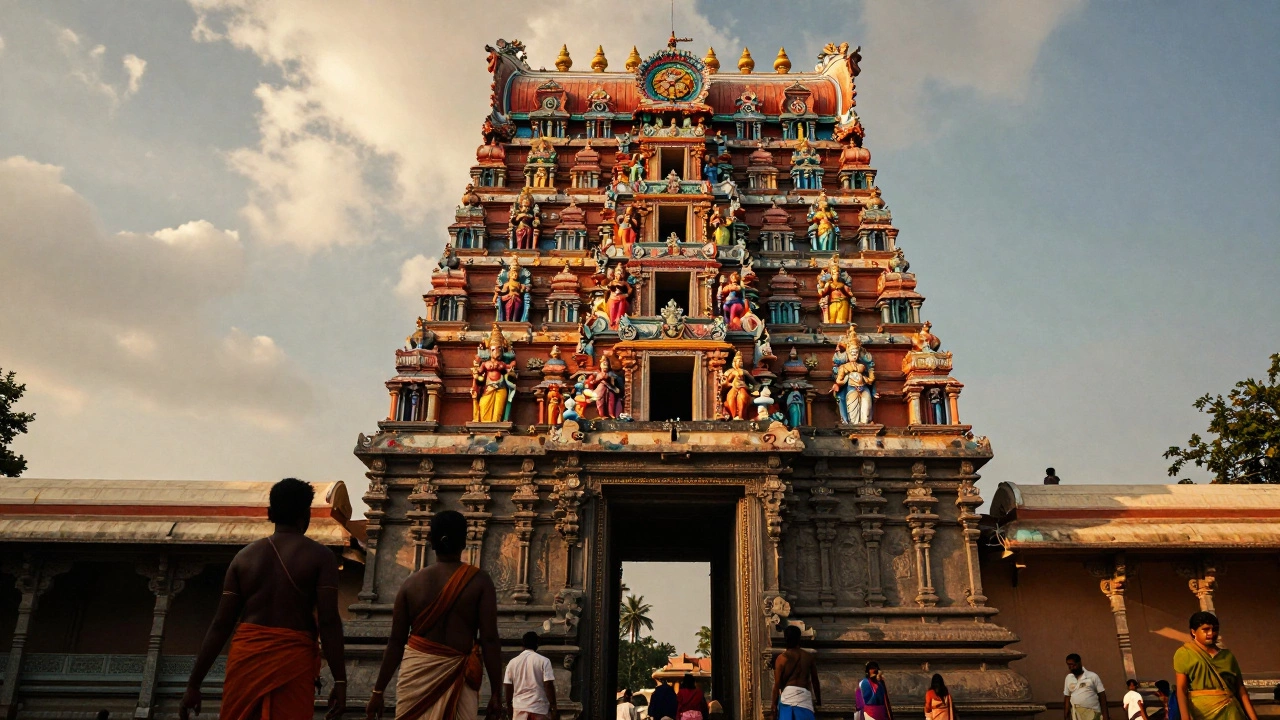
If you care about architecture, head to Chennai the commercial capital of Tamil Nadu or Madurai. The temples here date back over a thousand years. The Meenakshi Amman Temple in Madurai is not just a building; it is a functioning university of art where dance performances happen daily during festivals. The intricate carvings alone justify the trip. You don't just walk around; you learn about Hindu philosophy through stone.
Karnataka: History Meets Modernity
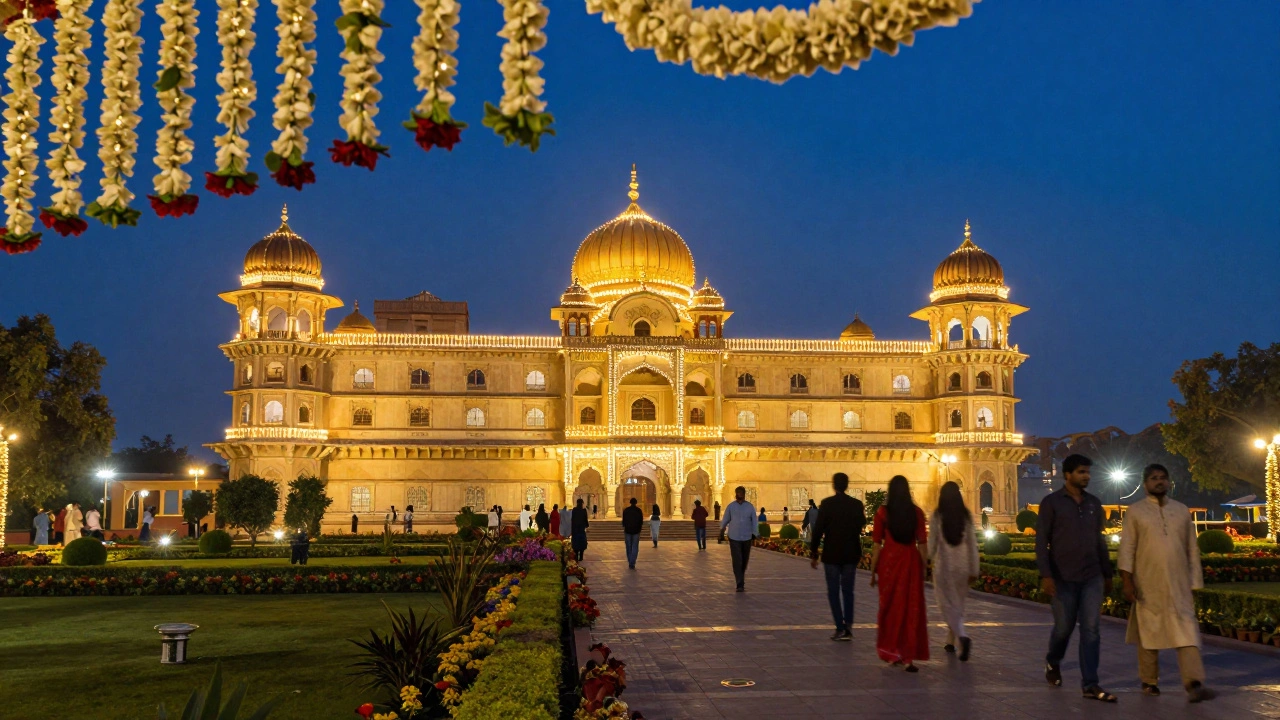
Mysore serves as the perfect counterpoint. You can watch the Mysore Palace light up at night while walking through palatial gardens filled with roses. Further up, the hill station of Kodagu (Coorg) lets you tour spice plantations and taste organic coffee directly from the growers. This area appeals to people who want silence and elevation rather than city noise.
A Realistic Budget Breakdown
Many ask if South India is expensive. Compared to Bangkok or Bali, it remains incredibly cheap, but prices have risen since the pandemic. A mid-range traveler shouldn't expect backpacker prices from two decades ago. Here is how a day looks in 2026 currency terms.
A decent hotel in Kochi costs roughly 2,500 to 4,000 Indian Rupees per night. Meals vary wildly. Street food like dosa or
Luxury trains like the Deccan Odyssey offer high-end experiences where rooms resemble five-star suites, costing upwards of $1,000 USD per night. If you aren't doing that extreme tier, you are still spending far less than you would in Europe for a similar level of comfort.
The Language Barrier and Social Etiquette
English proficiency is higher here than almost anywhere else in the country. Because of colonial history and high literacy rates, signs are often bilingual, and locals in tourist zones speak English fluently. However, don't expect everyone in rural villages to understand you perfectly.
Learn three local words to show respect. Saying 'Namaskaram' (Hello) in Tamil Nadu works well across the border. Locals appreciate the effort even if you mess up the pronunciation. Unlike some tourist traps where vendors ignore you, interactions here are genuinely polite. Shop owners will explain price breakdowns rather than aggressively haggling.
Dress codes matter significantly. While cities like Bengaluru dress casually, covering your shoulders and knees shows respect when entering religious sites. Women often face fewer unsolicited approaches here compared to crowded metros in the north, making solo travel feel safer.
When Should You Visit?
Right now in late March, temperatures are climbing. If you plan to come between April and June, the heat can reach 40 degrees Celsius in the interior. It gets muggy near the coast but remains manageable if you avoid midday outdoor activity. The ideal window is November to February. During these months, the monsoon rains have stopped, and the air is cool enough to hike or explore ruins without sweating buckets.
However, the southwest monsoon arrives in June. If you want to see forests turn vibrant green and waterfalls roar, July is actually amazing despite the rain. Just pack a good rain jacket and waterproof bag. Flooding happens occasionally in low-lying areas like Kozhikode, so check news reports during the peak rainy season.
Common Pitfalls to Avoid
- Relying solely on Google Maps: GPS accuracy in dense temple towns is poor. Ask drivers to navigate based on landmarks.
- Eating Unfiltered Water: Tap water is unsafe. Buy sealed bottled water even in expensive hotels to avoid stomach issues.
- Missing Train Tickets: The IRCTC website fills up instantly. Book trains via authorized agents or apps well in advance.
- Ignoring Visa Requirements: Apply for the e-Visa online at least two weeks before arrival to avoid airport stress.
- Underestimating Distance: Driving from Chennai to Madurai takes six hours without stops. Plan breaks every two hours.
Frequently Asked Questions
Is it safe for solo female travelers?
Yes, South India is statistically one of the safest regions in the world for solo females. Harassment is rare, especially in tourist hubs. Standard precautions apply-avoid dark alleys at night and do not share accommodation details with strangers.
Do I need vaccines before visiting?
No special mandatory vaccines are required for entry. However, doctors usually recommend Hepatitis A, Typhoid, and routine tetanus shots due to food hygiene variability.
Can I find vegetarian food everywhere?
Absolutely. Tamil Nadu and Kerala have huge populations of vegetarians. Restaurants display orange flags indicating strict vegetarian kitchens. Non-veg options like prawns and chicken are available but labeled clearly.
What is the cheapest way to get around?
Long-distance buses and trains are incredibly affordable. For short distances within cities, metro trains in Bengaluru and Chennai are fast, AC-cooled, and very cheap compared to auto-rickshaws.
Are credit cards widely accepted?
Major malls and hotels accept cards, but small shops, local train counters, and roadside stalls operate on cash. Always carry small notes of 100 or 50 Rupees for smooth transactions.
The bottom line is this: if you want a traditional India experience without the chaos factor, South India delivers. It combines affordability with high comfort levels and cultural depth. You get the exoticism without the exhaustion. Just pack your sunscreen, learn a greeting, and keep an open mind about the local rhythm of life.