Jallianwala Bagh Interactive Timeline & Quiz
Click on events to see details about the political climate leading up to April 13, 1919.
The Massacre (April 13, 1919)
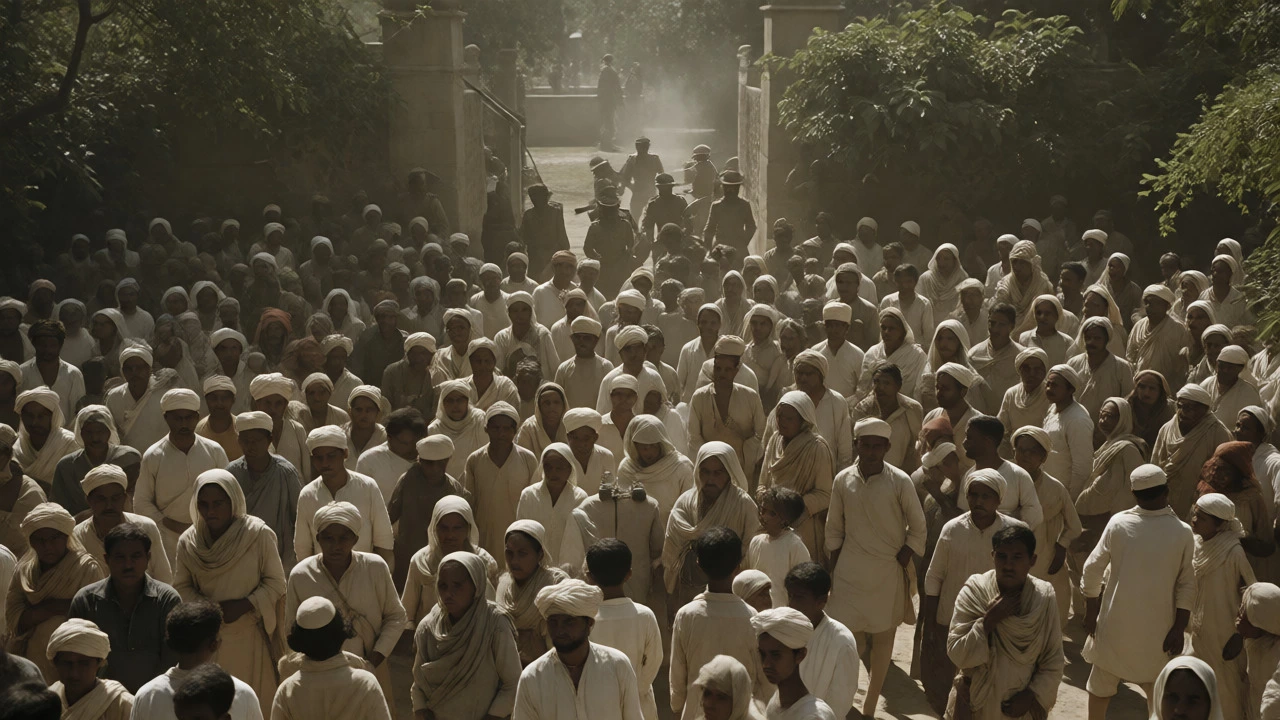
During the Baisakhi festival, Brigadier-General Reginald Dyer ordered troops to fire on a peaceful crowd at Jallianwala Bagh without warning, blocking the only exit. This event galvanized the Indian independence movement.
Test your understanding of the article's key points.
What was the primary reason for the gathering at Jallianwala Bagh?
When you hear "City of Blood" in the context of India, your mind might jump to a battlefield or a crime scene. But this nickname isn't about gang wars or ancient conquests. It points directly to Amritsar, a city in the state of Punjab. The title stems from one specific, horrific event that changed the course of Indian history forever: the Jallianwala Bagh massacre. This isn't just a trivia question; it's a gateway into understanding the raw emotion behind India's fight for freedom.
Why does this matter to you? If you're planning a trip to North India, ignoring Amritsar means missing the emotional core of the region. You aren't just visiting a temple or eating butter chicken. You're walking through a place where hundreds of people died standing still, refusing to run because there was nowhere to go. Let's break down why Amritsar earned this bloody reputation, what actually happened, and how you can experience its legacy today without getting lost in dry textbooks.
The Origin of the Nickname
The phrase "City of Blood" is a grim shorthand for the violence inflicted upon unarmed civilians by British colonial forces. While other cities like Kolkata (Calcutta) saw significant unrest, Amritsar holds the darkest singular incident. On April 13, 1919, during the festival of Baisakhi, thousands gathered at Jallianwala Bagh, an enclosed public garden near the Golden Temple. They weren't armed rebels plotting a coup. Many were farmers, traders, and families celebrating the harvest festival.
Brigadier-General Reginald Dyer arrived with troops and blocked the only narrow exit. Without warning, he ordered his soldiers to open fire. They fired until their ammunition ran low. The official British count said 379 dead, but Indian estimates went much higher, potentially over 1,000. The blood soaked into the soil so deeply that locals began referring to the ground itself as stained red. Hence, the association with blood became permanent.
Understanding the Political Climate
You might wonder, "Why did they shoot peaceful crowds?" To understand the anger, you have to look at the backdrop. The Rowlatt Act had recently passed, allowing the British to imprison Indians without trial. People were furious. Protests erupted across Punjab. In Amritsar, tensions boiled over after two local leaders, Satyapal and Saifuddin Kitchlew, were arrested and secretly deported.
The British administration felt threatened. They imposed martial law, banning public gatherings. Yet, on the day of the massacre, many attendees didn't know the ban was in effect, or they chose to ignore it out of defiance. General Dyer viewed the crowd not as citizens exercising rights, but as a rebellious mob that needed a "moral effect." His goal wasn't just to disperse them; it was to terrorize the entire province into submission. He succeeded, but at a cost that galvanized the nation against colonial rule.
Visiting Jallianwala Bagh Today
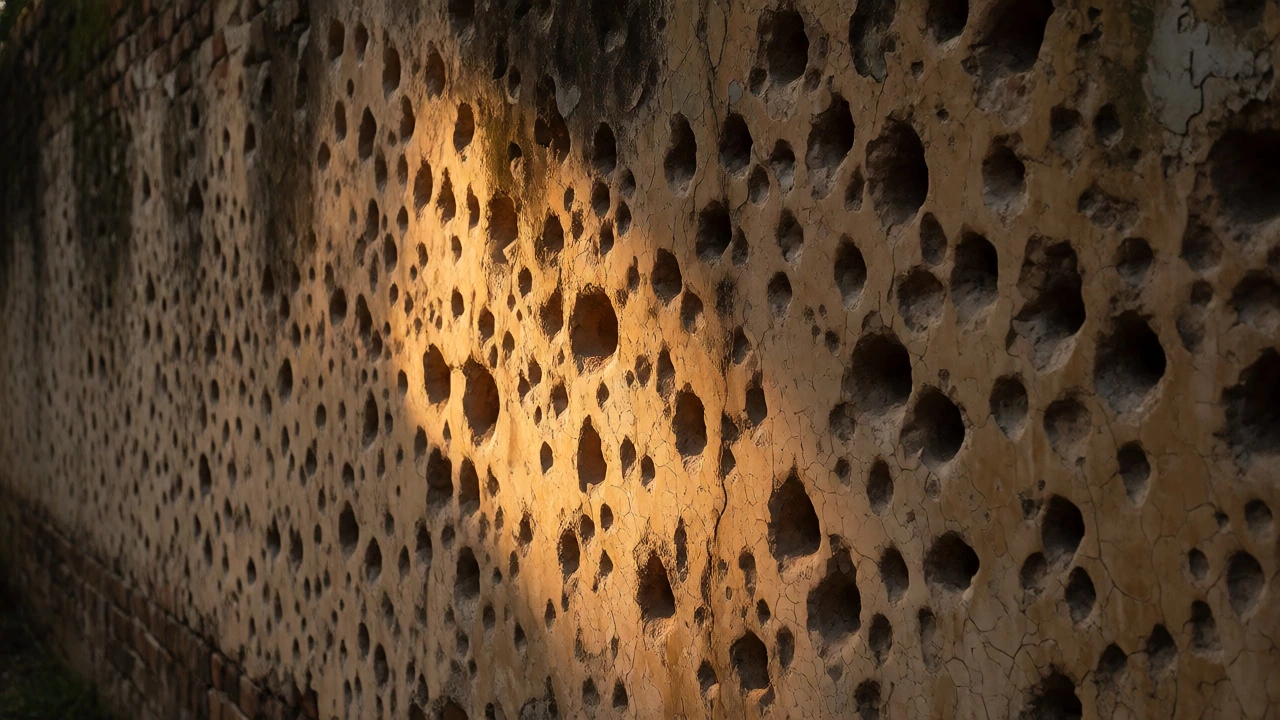
If you visit Amritsar, Jallianwala Bagh is non-negotiable. It’s located right next to the Harmandir Sahib (Golden Temple), making it easy to combine both sites in one afternoon. The memorial park preserves the physical evidence of that tragic day.
Here is what you will see when you walk through the gates:
- The Bullet-Holed Walls: The original boundary wall remains intact. You can literally count the bullet holes. It’s a chilling reminder of the intensity of the firing.
- The Well: There is a small well in the corner. Dozens of people jumped into it to escape the gunfire. The water level rose quickly due to the number of bodies. It is now covered, but the depth tells its own story.
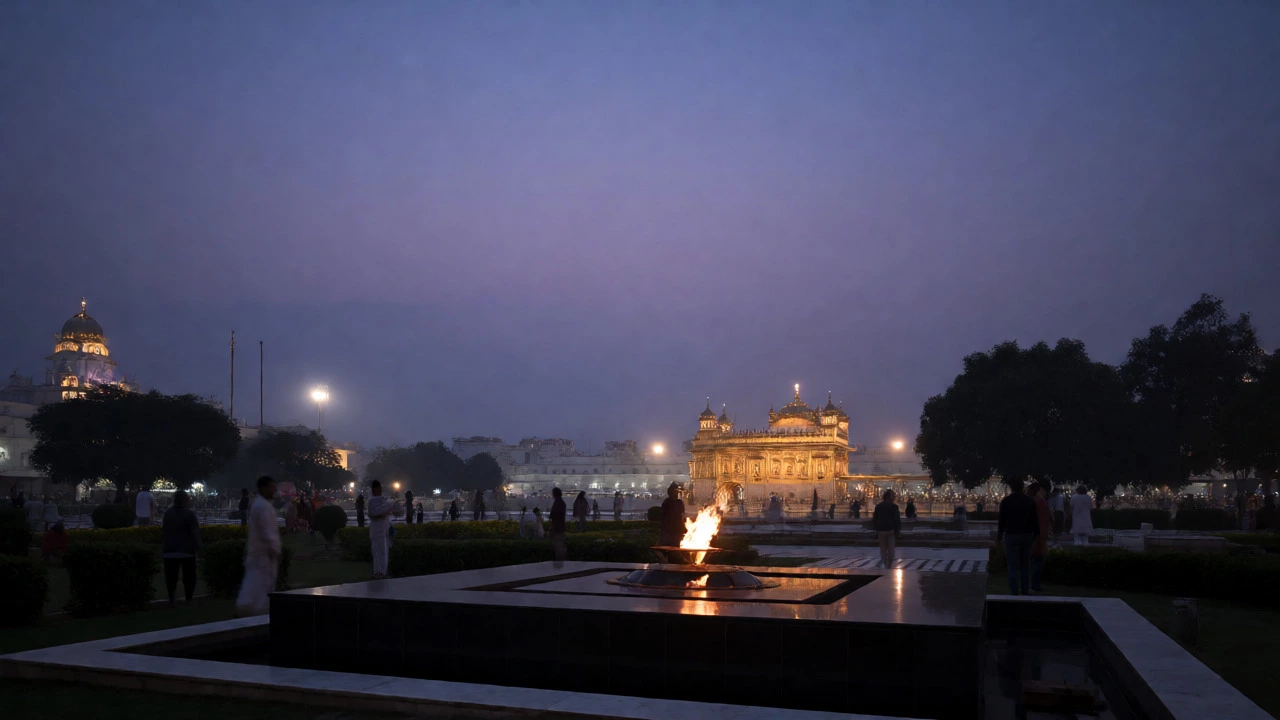
- The Flame of Liberty: A central monument features an eternal flame, symbolizing the spirit of those who died.
- Martyrs' Memorial: Inscriptions list the names of known victims, though many remained unidentified.
Pro tip: Go early in the morning or late evening. Midday heat in Punjab is brutal, and the site lacks extensive shade. Also, try to catch the evening light show if available; it narrates the history visually, which hits harder than reading plaques.
Beyond the Massacre: Amritsar’s Cultural Richness
Don’t let the dark history overshadow the vibrant culture. Amritsar is also famous for its food and spirituality. After reflecting on the sacrifice at Jallianwala Bagh, head to the Golden Temple complex. The contrast between the somber memorial and the serene, golden-domed shrine is powerful. It shows resilience-how life continues despite tragedy.
And you must eat. Amritsari Kulcha, stuffed with potatoes and served with chole (chickpeas), is iconic. Pair it with lassi from a roadside stall. The richness of the food mirrors the richness of the history here. It’s heavy, flavorful, and unforgettable.
| Aspect | Detail |
|---|---|
| Date | April 13, 1919 |
| Location | Jallianwala Bagh, Amritsar, Punjab |
| Commander | Brigadier-General Reginald Dyer |
| Casualties (Official) | 379 killed, ~1,200 injured |
| Casualties (Indian Estimates) | Over 1,000 killed |
| Reason for Gathering | Baisakhi Festival & Protest against Rowlatt Act |
Why This History Still Resonates
Some argue that dwelling on colonial atrocities is outdated. I disagree. The Jallianwala Bagh massacre wasn't just a historical footnote; it was the turning point that turned moderate political demands into a mass movement for independence. Mahatma Gandhi, initially supportive of the British war effort, lost faith in their justice system after this event. It fueled the Non-Cooperation Movement.
For modern travelers, understanding this context transforms a sightseeing tour into an educational experience. You realize that the freedom enjoyed in India today was paid for with literal blood in places like Amritsar. It adds weight to every step you take on the pavement. It makes the smiles of the locals feel more precious, knowing what they endured.
Is Amritsar safe for tourists?
Yes, Amritsar is generally very safe for tourists. Like any major city, standard precautions apply regarding petty theft, but violent crime against visitors is rare. The locals are known for their hospitality and warmth.
How much time do I need for Jallianwala Bagh?
You should allocate at least 1 to 1.5 hours for Jallianwala Bagh. This allows time to read the inscriptions, view the bullet marks, and reflect on the atmosphere without rushing.
Can I enter the Golden Temple immediately after visiting Jallianwala Bagh?
Absolutely. The two sites are within walking distance of each other. Many visitors combine them in a single itinerary, moving from the somber history of the massacre to the spiritual peace of the temple.
Was there an apology for the massacre?
The British government never issued a formal apology. However, in 2019, UK Prime Minister Theresa May expressed deep regret. In 2024, King Charles III visited the site and acknowledged the pain caused, marking a significant diplomatic moment.
What is the best time to visit Amritsar?
October to March offers pleasant weather. Avoid May and June due to extreme heat. Visiting around Vaisakhi (mid-April) is special for cultural reasons, but expect large crowds and hot temperatures.