Lakshadweep Trip Planner & Cost Estimator
Plan your visit to India's island paradise. Enter your travel details below to get an estimated budget range in USD.
Trip Details
Enter your trip details and click "Estimate Cost" to see your budget.
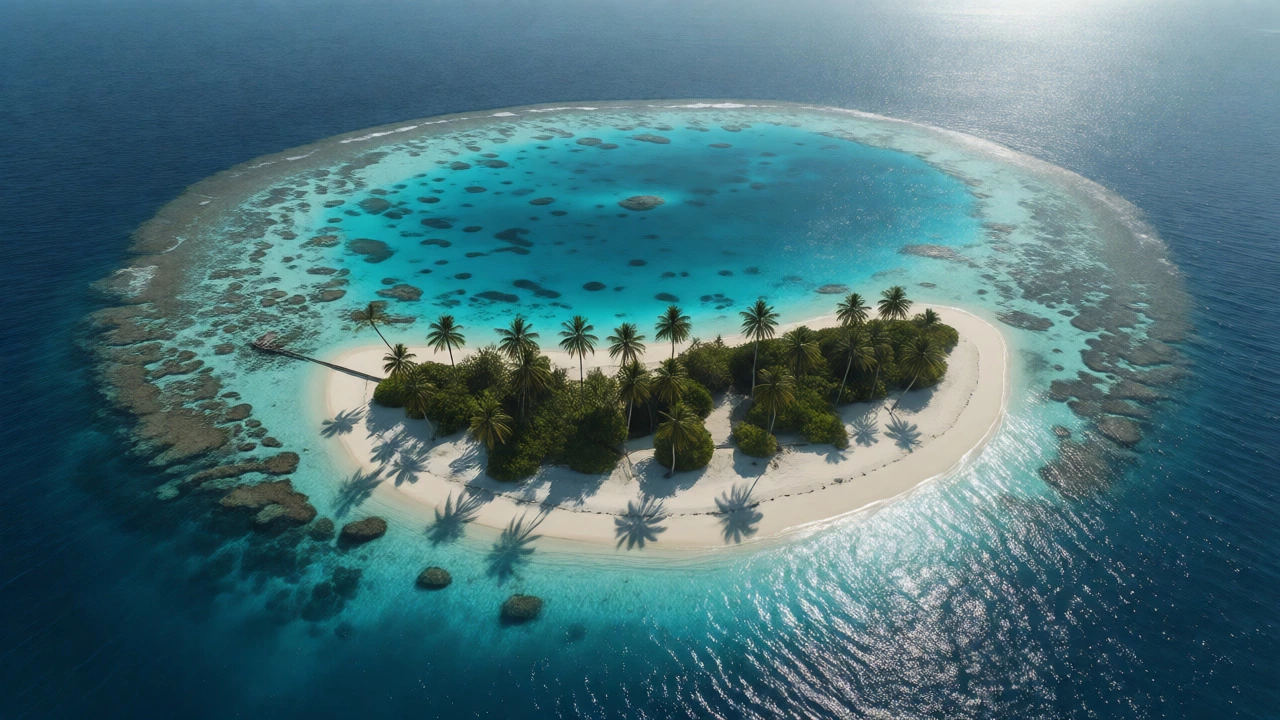
You’ve seen the photos. Crystal-clear turquoise water, white sand that looks like powdered sugar, and palm trees swaying over lagoons so calm they mirror the sky. You assume you need a flight to the Indian Ocean’s remote archipelagos or a hefty budget for the Maldives proper. But what if I told you there’s a place just off India’s southwestern coast that offers nearly identical visuals for a fraction of the cost? It’s often called the Mini Maldives of India, but its real name is Lakshadweep.
So, where exactly is this hidden gem? And more importantly, how do you actually get there without getting bogged down in bureaucracy? This guide breaks down everything you need to know about visiting India’s island paradise.
The Short Answer: Where is the Mini Maldives?
If you’re looking at a map of India, look at the southwestern tip of the mainland, near Kerala. Just out in the Arabian Sea, roughly 200 to 440 kilometers (124 to 273 miles) from the city of Kochi, lies a cluster of coral atolls. This is Lakshadweep. The term "Mini Maldives" isn’t an official government designation; it’s a nickname travelers use because the geography-coral reefs surrounding shallow lagoons-is strikingly similar to its famous neighbor across the sea.
Unlike the Maldives, which is an independent nation, Lakshadweep is a Union Territory of India. This means you don’t need a passport or visa if you’re an Indian citizen, but you do need a permit. For international tourists, the process is slightly different but manageable. The islands are small, uninhabited in many cases, and fiercely protected, which is why they remain uncrowded compared to Goa or Andaman.
Why Call it the Mini Maldives?
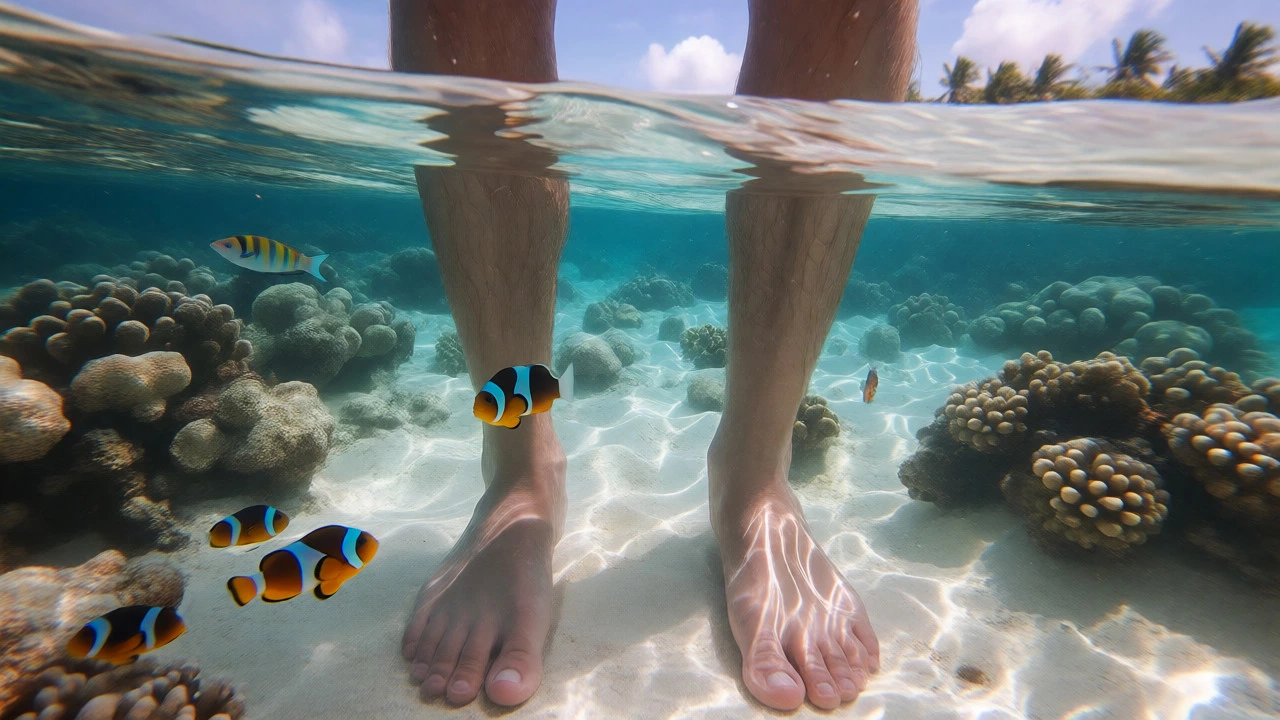
The comparison isn’t just marketing hype. The geological formation is almost identical. Both regions sit on submerged volcanic mountains capped with coral reefs. In Lakshadweep, these reefs create natural breakwaters, protecting the inner lagoons from rough ocean waves. The result? Water that stays incredibly clear year-round, allowing you to see fish darting around your ankles while you stand waist-deep.
But here’s the key difference: accessibility and infrastructure. The Maldives has hundreds of luxury resorts on private islands. Lakshadweep has fewer developed spots, meaning you stay closer to local culture and nature. You won’t find overwater villas with infinity pools everywhere, but you will find pristine beaches that feel exclusively yours. If you prefer raw beauty over polished luxury, this is your spot.
Top Islands to Visit in Lakshadweep
Lakshadweep consists of 36 islands, but only ten are inhabited. When planning your trip, you can’t just pick any island. Access is restricted, and permits are issued for specific locations. Here are the three most popular choices for those seeking the "Maldives vibe."
Agatti Island
Agatti Island is the gateway. It’s the only island in Lakshadweep with an airport. If you fly from Kochi, you land here. Because of this, it’s the most accessible. However, it’s also the most crowded. The lagoon side is stunning, perfect for snorkeling and glass-bottom boat rides. The ocean side, however, is rougher. If you want convenience and don’t mind sharing the beach with other tourists, start here.
Bangaram Island
This is the crown jewel. Bangaram Island is uninhabited by locals, reserved mostly for tourism. Why does this matter? No fishing boats clutter the horizon. No village life interferes with the silence. The water clarity here is arguably better than Agatti. It’s home to the only resort in Lakshadweep that operates independently of local village administration, offering a more secluded experience. To get here, you usually take a ferry from Agatti. Book early; space is limited.
Kavaratti Island
Kavaratti is the administrative capital. It’s larger and has more infrastructure, including hospitals and schools. While less "resort-like," it offers a deeper dive into local life. You can visit the marine aquarium and see traditional lacquer work. If you’re interested in culture as much as beaches, split your time between Kavaratti and a nearby uninhabited island like Pitt Island, which is known for its unique birdlife and untouched shores.
How to Get There: Flights vs. Ships
Your mode of transport depends on your budget and patience. There are two main ways to reach Lakshadweep from the mainland.
- Flying: Air India Express operates flights from Kochi International Airport to Agatti. The flight takes about 90 minutes. It’s expensive, often costing ₹8,000-₹15,000 ($100-$180) one way depending on the season. But it saves you days of travel time.
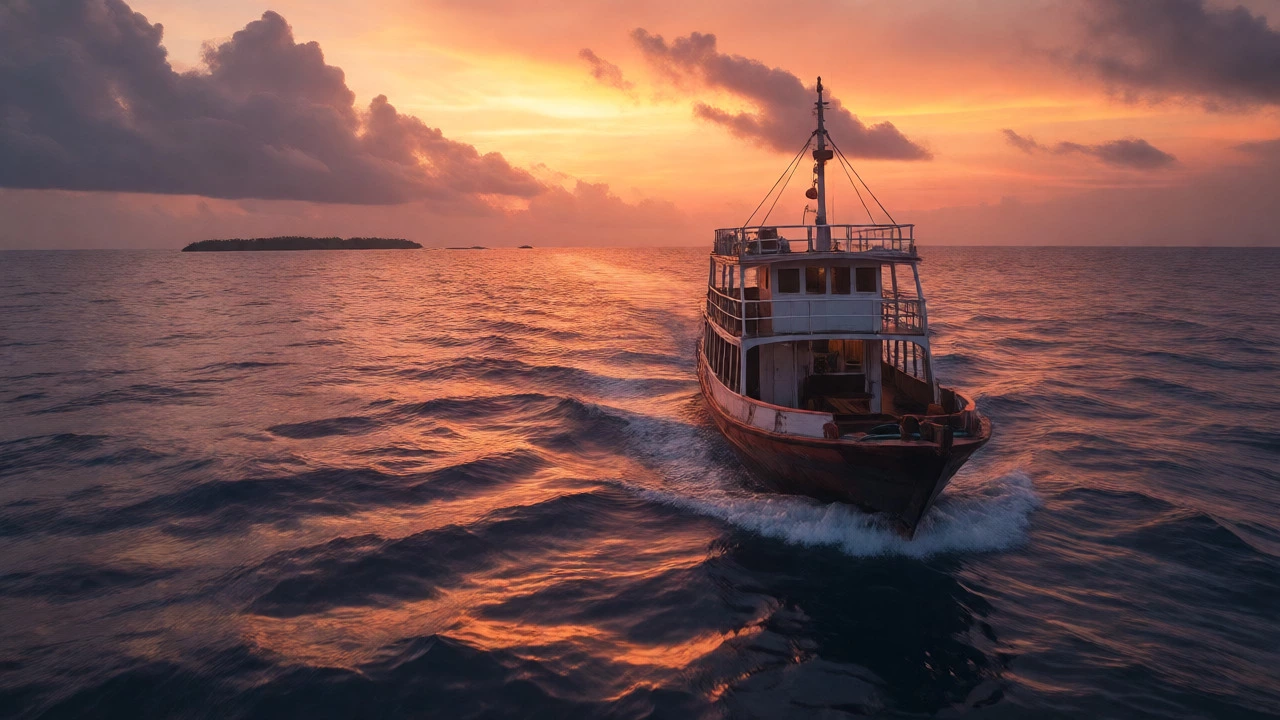
- Cruising: Several ships operate from Kochi to various islands, including Agatti, Bangaram, and Kavaratti. The journey takes 14 to 20 hours. It’s significantly cheaper (starting around ₹2,000-₹4,000) and offers a scenic ride across the Arabian Sea. However, schedules are infrequent-sometimes only once a week per route-and cancellations due to weather are common.
Pro tip: Most travelers combine both. Fly in to save time and energy, then cruise back if you have spare days, or vice versa. Check the latest schedules before booking, as they change seasonally.
The Permit Process: Don’t Skip This
This is where many trips fall apart. Lakshadweep is a restricted area. You cannot just show up and walk onto a beach. You need a permit from the Lakshadweep Administration.
For Indian citizens, you must apply online through the official portal or via a registered tour operator. You’ll need ID proof and details of your accommodation. Processing takes 2-4 weeks. Apply well in advance.
For foreign nationals, the rules are stricter. You generally need to book through a government-approved tour package. Independent travel is harder to arrange. You’ll need a passport, visa (if applicable), and medical clearance. Some islands require additional health checks. Always confirm current regulations before finalizing plans, as policies can shift based on security and environmental concerns.
Best Time to Visit
Timing is critical. The monsoon season (June to September) brings heavy rains and rough seas. Ferries stop running, and many resorts close. Avoid this window unless you enjoy stormy skies and empty islands.
The best time is October to May. During these months, the weather is dry, the seas are calm, and visibility underwater is excellent. Peak season is December to February, when temperatures are mild and festive vibes are high. If you want lower prices and fewer crowds, aim for March or April. It’s hotter, but still comfortable enough for water activities.
What to Do Beyond Swimming
Don’t think you’re stuck lying on the sand. The ecosystem here is vibrant.
- Snorkeling and Scuba Diving: The coral reefs are healthy. You’ll see parrotfish, clownfish, and even sea turtles. Agatti and Bangaram have dedicated diving centers.
- Sandbank Visits: Many tours include visits to temporary sandbars that appear during low tide. These are perfect for picnics and photos.
- Cultural Tours: Visit local villages to see coconut harvesting. Coconuts are the lifeline here. Try fresh tender coconut water-it’s sweeter than anything you’ll buy in a city.
- Water Sports: Kayaking, jet skiing, and banana boat rides are available, though equipment may be basic compared to commercial hubs.
Practical Tips for First-Timers
Bring cash. ATMs are scarce on smaller islands. Carry enough rupees for food, souvenirs, and emergencies. Network connectivity is spotty; BSNL works best, but expect dead zones. Download offline maps and entertainment beforehand.
Pack light. Luggage limits are strict on ferries and flights. Soft bags are preferred over hard suitcases. Bring reef-safe sunscreen; chemical sunscreens harm the coral. And respect local customs. Lakshadweep is predominantly Muslim. Dress modestly when walking through villages. Swimwear is fine on designated tourist beaches, but cover up elsewhere.
| Feature | Lakshadweep (India) | Maldives |
|---|---|---|
| Airport Access | Only Agatti has an airport | Multiple international airports |
| Visa Requirement | Permit required (Domestic/Intl) | Free Visa on Arrival for many |
| Average Daily Cost | $50 - $150 USD | $200 - $500+ USD |
| Infrastructure | Basic, eco-focused | Luxury, extensive |
| Crowds | Very Low | Moderate to High |
Frequently Asked Questions
Is Lakshadweep safe for solo female travelers?
Yes, it is generally very safe. Crime rates are extremely low. Locals are respectful and accustomed to tourists. However, dress conservatively outside beach areas and inform your host of your movements, especially if traveling alone on ferries.
Can I drink alcohol in Lakshadweep?
Alcohol is prohibited on most inhabited islands due to local laws. However, some resorts on uninhabited islands like Bangaram serve alcohol to guests. Check with your specific accommodation provider before expecting drinks with dinner.
Do I need a passport for Lakshadweep?
Indian citizens do not need a passport but must carry valid photo ID (Aadhaar, Voter ID, or Passport). Foreign nationals require a valid passport and often a visa, along with the mandatory entry permit.
Is mobile internet available?
Connectivity is limited. BSNL provides the most reliable coverage, particularly on Agatti and Kavaratti. Private networks like Jio or Airtel may work intermittently but often fail on smaller islands. Plan for digital detox.
What is the cost of a trip to the Mini Maldives?
A 5-day trip for two people can range from ₹25,000 to ₹60,000 ($300-$750) excluding flights. Costs vary based on accommodation type (government guesthouse vs. private resort) and activity packages. Flying in increases costs significantly compared to cruising.