Adventure Matchmaker: Trekking vs. Mountaineering
Answer these three questions to find out which activity matches your current profile.
Estimate the total cost of your Indian mountain adventure based on duration and type.
You’ve probably seen photos of climbers scaling snowy peaks with ropes and ice axes, while others stroll along forest trails with just a backpack. Which one is trekking, and which is mountaineering? The confusion is common, but the distinction matters if you’re planning your next trip to the Himalayas or the Western Ghats.
The short answer? Trekking is walking on established paths. Mountaineering is climbing rock or ice using technical gear. One gets you up a mountain; the other gets you over it. Let’s break down exactly how they differ so you can pick the right adventure for your skill level.
Defining the Core Activities
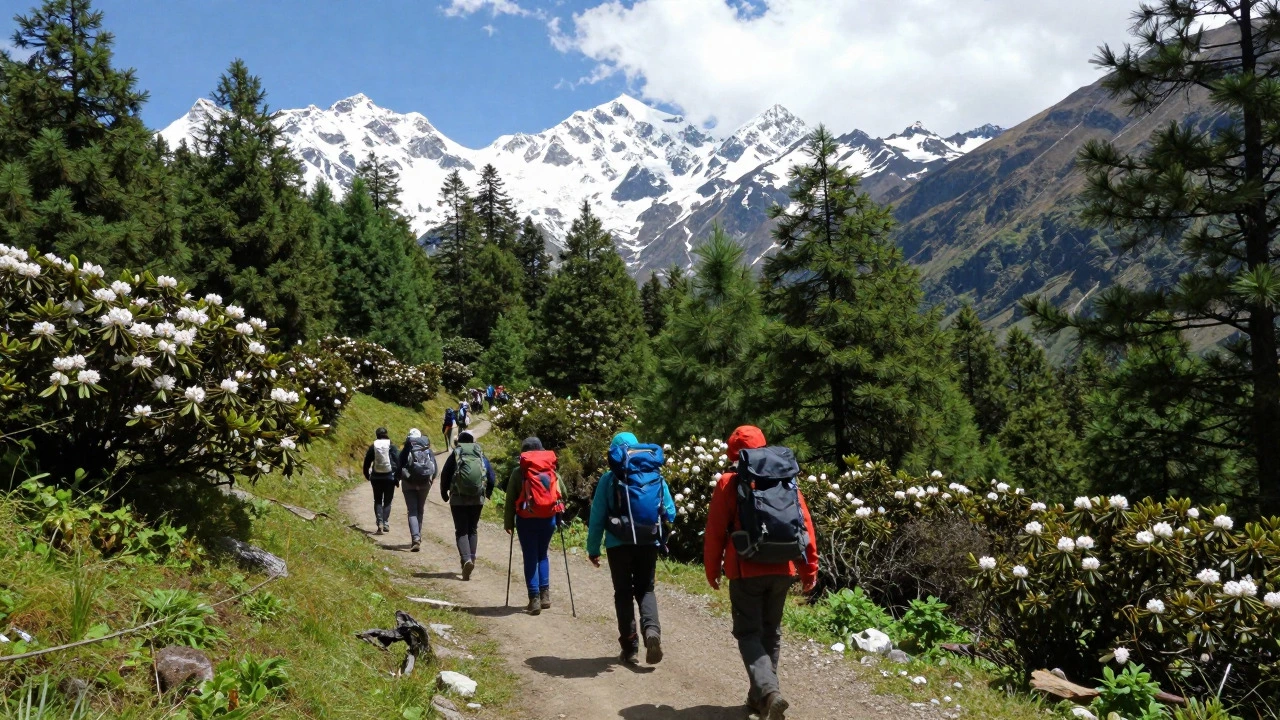
Trekking is a form of multi-day hiking that follows marked trails through natural landscapes. It relies on foot power alone. You carry a pack, follow a path, and sleep in huts or tents at designated camps. Think of it as an extended walk with scenery. In India, popular treks like Kedarkantha or Hampta Pass involve steep climbs but no ropes or crampons. Your legs do the work, not your hands.
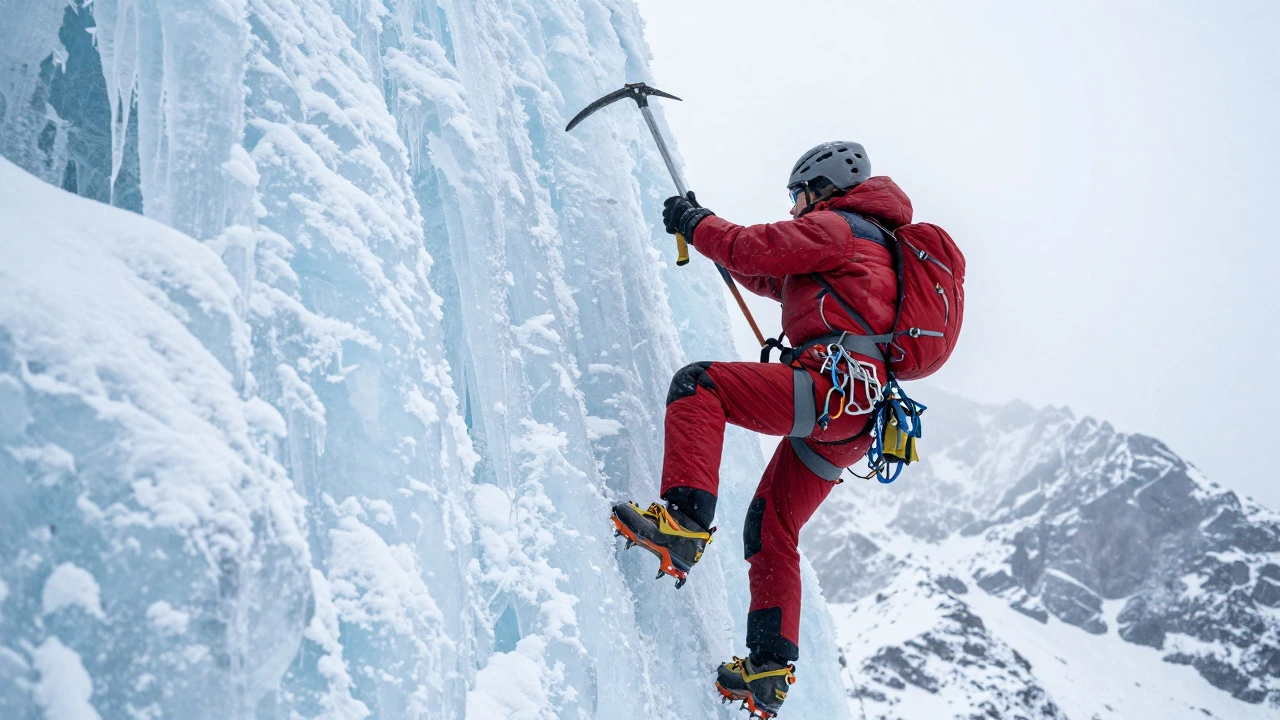
Mountaineering is the sport of climbing mountains, often involving technical skills like rope work, ice axe usage, and navigation of exposed terrain. Unlike trekking, you might need to climb vertical rock faces or cross glaciers. Gear becomes critical here. You’ll use harnesses, carabiners, and sometimes fixed ropes. A classic example is climbing Nanda Devi East or Everest. Here, the route isn’t always a path-it’s a line you create or follow up the rock or ice.
Gear and Equipment Comparison
The gear list tells the story better than any definition. For trekking, you need sturdy boots, a warm layer, a rain shell, and a sleeping bag if you’re camping. Most Indian trekking operators provide duffel bags and basic shelter. You don’t need to know how to tie a knot. If you can walk uphill for six hours, you have the physical tools ready.
Mountaineering demands a completely different kit. Beyond base layers, you need:
- Crampons for traction on ice
- An ice axe for self-arrest
- A harness and helmet for protection
- Ropes and protection hardware (bolts, cams)
| Feature | Trekking | Mountaineering |
|---|---|---|
| Primary Movement | Walking/Hiking | Climbing (Rock/Ice) |
| Technical Skills | None required | Rope work, self-arrest, belaying |
| Key Gear | Hiking boots, backpack | Crampons, ice axe, harness |
| Route Type | Established trails | Technical lines/crevasses |
| Training Needed | Cardio fitness | Formal climbing courses |
Skill Level and Training
Trekking is accessible to most fit adults. You don’t need prior experience. A good cardio base helps, especially for altitudes above 12,000 feet where air is thinner. But technically, you’re just walking. Many first-timers complete their first Himalayan trek without ever touching a rope.
Mountaineering is a specialized discipline. Before tackling a peak like Chomolhari or Kamet, climbers usually undergo weeks of training. This includes indoor bouldering, outdoor rock climbing, and glacier travel practice. You learn how to set up a tent in wind, manage altitude sickness, and navigate whiteouts. The learning curve is steep because mistakes can be fatal. It’s not just about being strong; it’s about being skilled under pressure.
Altitude and Exposure Risks
Both activities take you to high places, but the risks differ. In trekking, the main dangers are weather changes, slips on muddy trails, and altitude sickness. Since you stay on the ground, exposure to falling rocks or ice is low unless you’re near a cliff edge. Most Indian treks stay below 18,000 feet, where acclimatization is manageable.
In mountaineering, exposure is constant. You’re often above the tree line, on slopes that drop hundreds of meters. Crevasses-hidden cracks in glaciers-are a major hazard. Falling into one can be deadly. Plus, you’re dealing with objective hazards like avalanches and seracs (ice towers). These risks require constant vigilance and decision-making. A trekker sees a storm coming and seeks shelter. A mountaineer might have to retreat from a fixed rope anchor point in freezing winds.
Popular Destinations in India
If you want to try trekking, look at these well-established routes:
- Kedarkantha: Beginner-friendly, snow-covered views, 12,500 ft summit.
- Hampta Pass: Dramatic landscape shift from green valleys to barren moonscapes.
- Valley of Flowers: Cultural and botanical focus, lower altitude.
For mountaineering, the options are more exclusive:
- Nanda Devi East: Advanced expedition, requires prior climbing experience.
- Chamoli Peak: Technical ice and rock climbing, popular for advanced courses.
- Trisul: High-altitude trek with some scrambling sections, bridges the gap between the two.
Cost and Commitment
Trekking is affordable. A standard 5-day trek in Uttarakhand costs between $300 and $600 per person. This covers food, accommodation, guides, and permits. You can book these online easily. The time commitment is minimal-just a few days off work.
Mountaineering is expensive. An expedition to a 20,000-foot peak can cost $3,000 to $10,000+. This includes specialized gear rental, high-altitude support staff, oxygen cylinders (sometimes), and longer duration (2-4 weeks). The financial barrier reflects the higher risk and logistical complexity. You’re paying for safety systems, not just transport.
Which Should You Choose?
Ask yourself three questions:
- Do I want to walk or climb? If you enjoy long walks in nature, choose trekking. If you crave the challenge of vertical ascent, choose mountaineering.
- How much time do I have? Treks fit into a weekend or week. Expeditions require a month.
- What is my budget? If you’re tight on cash, start with a trek. Save up for a climbing course later.
Is trekking harder than mountaineering?
Not necessarily. Trekking is physically demanding due to distance and altitude, but technically easy. Mountaineering is less about endurance and more about precision and skill. A fit person can struggle with a simple ice axe technique, while a less fit climber might handle a long hike fine if they know how to move safely on rock.
Can beginners go mountaineering in India?
Yes, but only on beginner-grade peaks like Kalsubai or Harinagar. These are lower-altitude summits that introduce basic climbing skills. Avoid high-altitude technical peaks until you have completed at least one intermediate course. Safety depends on matching your skill to the terrain.
What is the best season for both activities in India?
Summer (May-June) and Autumn (September-November) are ideal. Snow melts enough to clear trails, and weather is stable. Winter trekking exists but is limited to lower passes. Winter mountaineering is possible on specific peaks but requires extreme cold gear and experience.
Do I need a guide for trekking or mountaineering?
For trekking, a guide is recommended for navigation and local knowledge, but experienced hikers can solo well-marked trails. For mountaineering, a certified guide or instructor is mandatory. The technical nature of the sport makes independent travel dangerous without proper supervision and rescue planning.
How does altitude sickness affect each activity differently?
In trekking, you ascend gradually over days, allowing your body to adapt. Symptoms are usually mild and manageable with rest. In mountaineering, rapid ascents on technical sections can trigger acute symptoms faster. Climbers must monitor themselves closely because stopping to treat AMS (Acute Mountain Sickness) on a steep face is difficult and risky.