Mumbai vs Bangalore: Your Travel Match
Answer a few questions about your preferences and we'll tell you which city better matches your travel style.
When you think of India’s biggest cities, Mumbai and Bangalore often come up in the same conversation. But they’re not twins-they’re cousins raised in different houses. One pulses with coastal energy, the other hums with tech-driven calm. If you’re planning a trip to India and trying to decide where to spend your time, asking Mumbai vs Bangalore isn’t just about weather or food. It’s about what kind of experience you want.
Mumbai: The City That Never Sleeps
Mumbai doesn’t whisper. It shouts. From the dawn call to prayer at the Haji Ali Dargah to the late-night chai stalls in Colaba, the city runs on pure adrenaline. It’s where 20 million people squeeze into a space smaller than Greater London, yet somehow make it feel alive, not crowded.
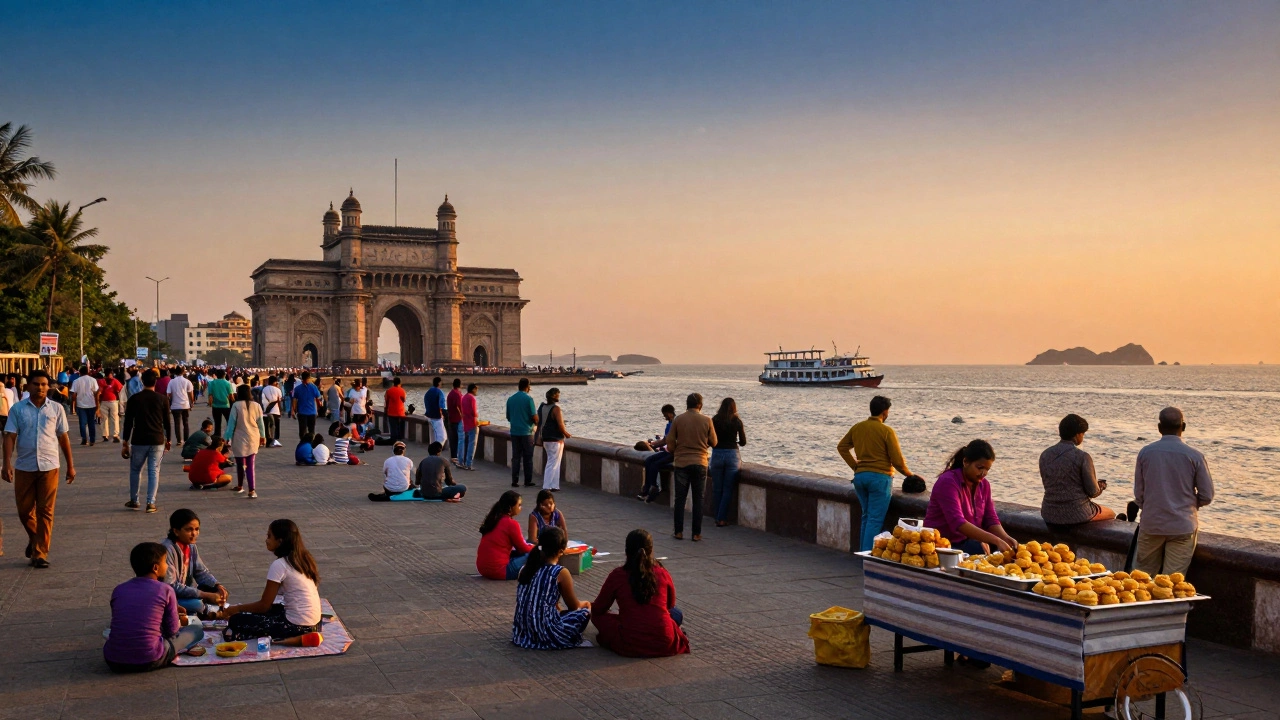
Walk down Marine Drive at sunset and you’ll see families picnicking on the promenade, street vendors selling bhel puri, and couples watching the Arabian Sea roll in. This isn’t just a view-it’s a ritual. The Gateway of India isn’t just a monument; it’s the starting point for ferries to Elephanta Cave, where 1,500-year-old Hindu carvings hide in stone. You can’t miss the colonial architecture of the Chhatrapati Shivaji Maharaj Terminus, a UNESCO site that still handles 800,000 commuters daily.
Food here is a religion. Vada pav, the Mumbai burger, costs 20 rupees and tastes like home. At Juhu Beach, you’ll find people eating pav bhaji while listening to live music. And if you want something fancy, the city has more Michelin-starred restaurants than any other in India. But don’t skip the dhabas-some of the best butter chicken you’ll ever taste comes from a tiny stall behind a gas station.
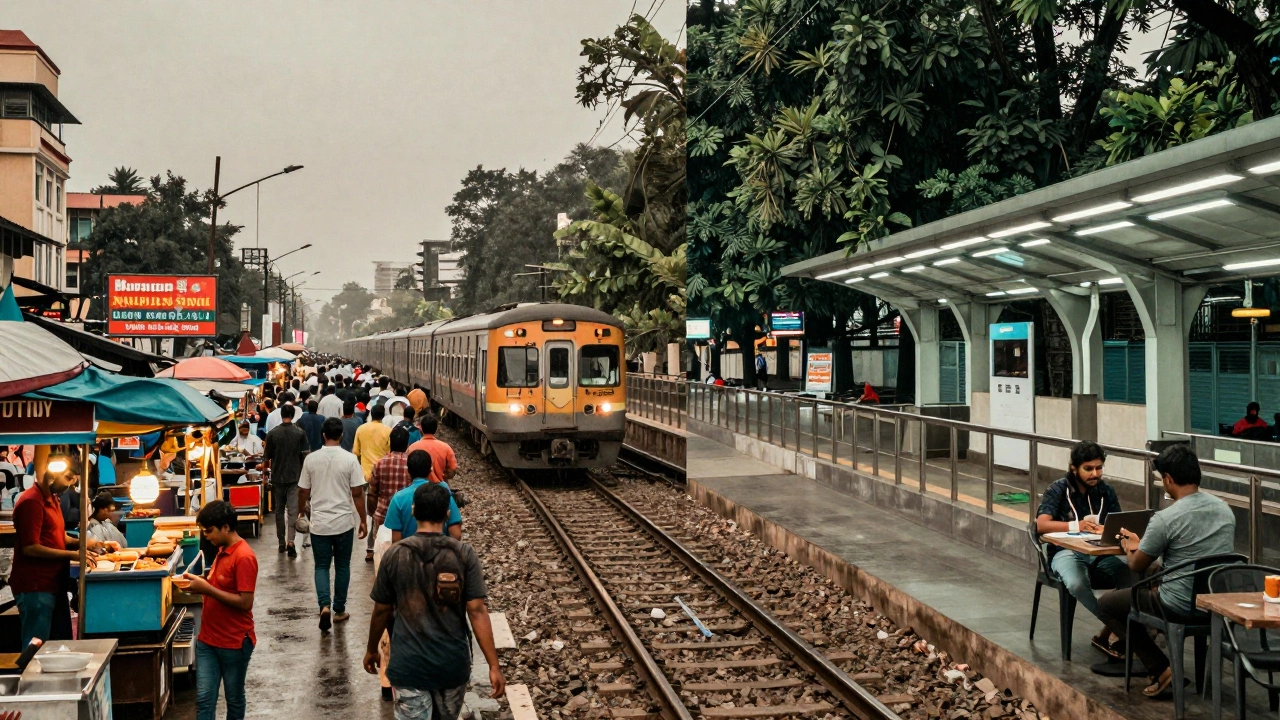
Transport? It’s chaotic. The local trains are packed like sardines, but they’re the fastest way to get around. Auto-rickshaws haggle hard. Ride-hailing apps work fine, but traffic can turn a 10-minute trip into an hour. If you’re not used to sensory overload, Mumbai will wear you down. But if you thrive on energy, noise, and endless motion, it’s unforgettable.
Bangalore: The Garden City with a Tech Heart
Bangalore feels different from the moment you step off the plane. The air is cleaner. The streets are quieter. Trees line the roads instead of billboards. It’s no accident-this city was planned as a retreat for British officers, and it still carries that relaxed vibe.
Bengaluru (its official name) is India’s Silicon Valley. Over 1,200 tech companies call it home, from startups in Koramangala to giants like Infosys and Wipro. But don’t think it’s all suits and laptops. The city’s soul lives in its cafes. You’ll find third-wave coffee shops next to old-school tiffin centers serving masala dosa. The food here is lighter, spicier, and more varied than Mumbai’s. Don’t miss the idli sambar at Mavalli Tiffin Room, a 90-year-old institution.
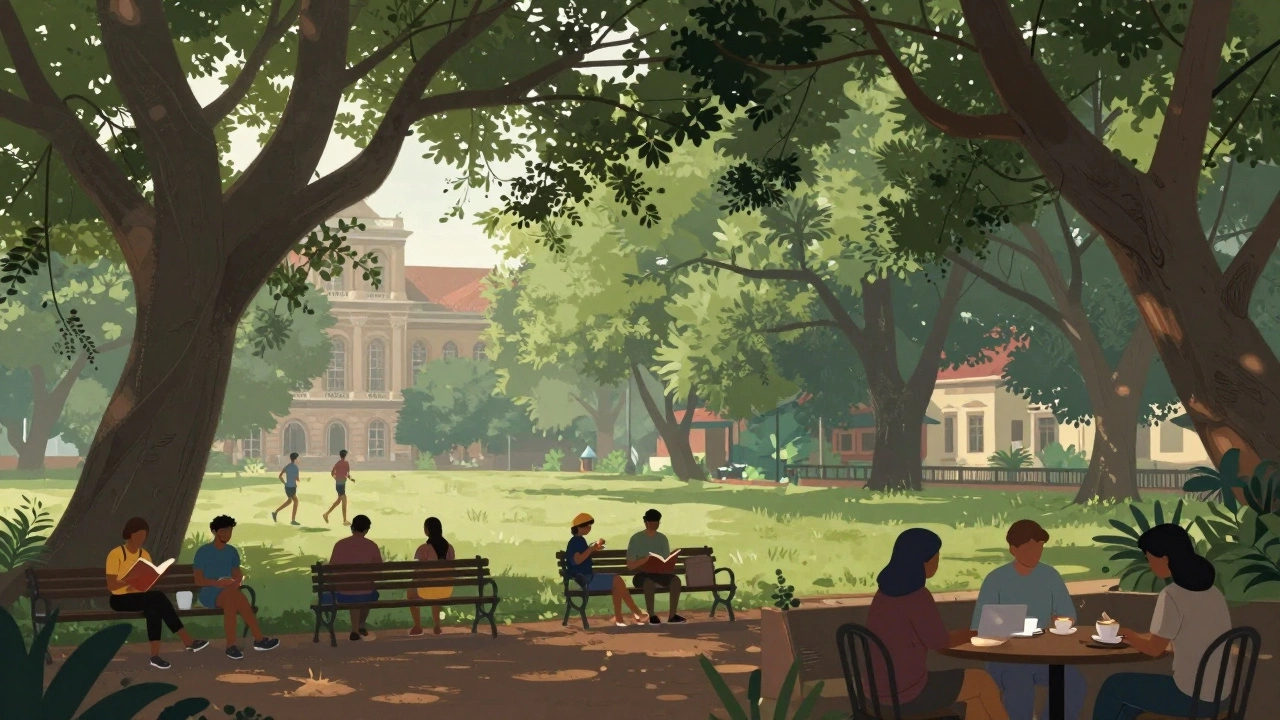
Green spaces matter here. Cubbon Park is the city’s lung-locals jog, read, and nap under its banyan trees. Lal Bagh Botanical Garden holds rare plants and a glasshouse built in 1889. On weekends, families flock to Ulsoor Lake for paddle boats and street food. Unlike Mumbai, Bangalore doesn’t force you to move fast. You can sit for hours at a café, people-watch, and not feel judged.
Getting around is easier than in Mumbai. The metro covers key areas, and ride-hailing is reliable. Traffic exists, but it’s not the same kind of gridlock. The city is more walkable in neighborhoods like Indiranagar and Brigade Road. If you’re a solo traveler or digital nomad, Bangalore gives you space to breathe-and Wi-Fi that actually works.
Weather: Sweat vs. Sunshine
Mumbai’s climate is tropical and relentless. From June to September, monsoon rains flood streets. Humidity sticks to your skin like a second layer. Even in December, temperatures hover around 30°C. You’ll sweat through your clothes no matter what you wear.
Bangalore, on the other hand, sits at 750 meters above sea level. Its elevation keeps things cooler. Daytime highs in January average 27°C, with nights dipping to 16°C. It’s the only major Indian city where you might actually need a light jacket. Rain comes in short bursts, mostly between May and October. If you hate sticky heat, Bangalore wins by a mile.
Cost of Living: Pay More for the Rush
Both cities are expensive-but differently. A one-bedroom apartment in South Mumbai can cost over ₹60,000 a month. In Bangalore, you’ll pay ₹35,000-₹45,000 for something similar in a good area. Groceries and street food are about the same price. But Mumbai’s nightlife and luxury hotels come with a premium. A cocktail at a rooftop bar? ₹1,200. In Bangalore, you can get the same drink for ₹800.
Public transport is cheaper in Mumbai, but the cost of your sanity? That’s harder to calculate. Bangalore’s higher rent is offset by better work-life balance. If you’re staying longer than a week, Bangalore feels less like a survival mission and more like a staycation.
Who Should Go Where?
If you want:
- History and drama → Mumbai. The Taj Mahal Palace, Chhatrapati Shivaji Terminus, and the Dharavi slum tour offer layers of stories you won’t find anywhere else.
- Relaxation and comfort → Bangalore. Parks, cafes, and mild weather make it ideal for slow travel.
- Food adventures → Mumbai. The variety is insane-from Parsi dhansak to Goan fish curry to Irani chai.
- Work and stay → Bangalore. Co-working spaces are everywhere, and the digital infrastructure is built for remote workers.
- Photography and culture → Both. Mumbai’s street life is cinematic. Bangalore’s blend of tradition and modernity makes for great contrast shots.
Final Verdict: It’s Not About Better-It’s About Right
Mumbai and Bangalore aren’t rivals. They’re different flavors of India. One is a thunderstorm. The other is a cool breeze.
If you’re short on time and want the full sensory overload of India-its chaos, its color, its raw energy-pick Mumbai. You’ll leave exhausted but changed.
If you want to experience modern India without the burnout, if you care about clean air, good coffee, and quiet corners to read a book, Bangalore is your city.
Most travelers who come to India for the first time think they need to see Mumbai. But many end up staying longer in Bangalore because it feels like home. That’s not a mistake. It’s a sign.
You don’t have to choose just one. Many people fly into Mumbai, spend a few days, then take the 12-hour train to Bangalore. It’s the perfect combo: chaos first, calm after.
Is Mumbai safer than Bangalore for solo travelers?
Both cities are generally safe for solo travelers, but in different ways. Mumbai has more crowded public spaces, which can feel reassuring-there’s always someone around. But pickpocketing on local trains is common. Bangalore is quieter and less overwhelming, making it easier to navigate alone, especially at night. The city has a strong expat and digital nomad community, so you’ll find friendly faces and safe neighborhoods like Indiranagar and Koramangala. Always avoid isolated areas after dark in either city.
Which city has better public transportation?
Mumbai has the most extensive system: local trains carry 7.5 million people daily, and buses cover every corner. But they’re packed, dirty, and overwhelming for newcomers. Bangalore’s metro is newer, cleaner, and easier to use, but it only covers about 40% of the city. For short distances, ride-hailing apps like Ola and Uber work well in both cities. If you’re not used to chaos, Bangalore’s transport system is more beginner-friendly.
Can I visit both cities in one trip?
Absolutely. The train between Mumbai and Bangalore takes about 12-14 hours and costs under ₹1,500 for a sleeper class ticket. Many travelers split their time: 3-4 days in Mumbai for culture and energy, then 4-5 days in Bangalore to unwind. Flying takes just over 2 hours and costs ₹4,000-₹8,000 depending on booking time. If you have 10-14 days, doing both gives you the full contrast of urban India.
Which city is better for foodies?
Mumbai wins on variety. You can eat Punjabi, Gujarati, Goan, Parsi, and street food all in one day. The diversity reflects its history as a port city. Bangalore offers excellent South Indian food-dosas, vada, ragi mudde-and has exploded in global cuisine options. But if you want to try something you can’t find anywhere else, like Bombay duck fry or kheema pav, Mumbai is the place. For balance, try both: Mumbai for bold flavors, Bangalore for refined, fresh meals.
Is Bangalore more expensive than Mumbai?
Not overall. Mumbai has higher rent and luxury costs-think rooftop bars, designer hotels, and premium shopping. But daily expenses like food, transport, and street snacks are similar. A meal at a local joint costs ₹100-₹150 in both cities. If you’re on a budget, Bangalore gives you more comfort for your money: cleaner hostels, quieter parks, and less stress. Mumbai demands more energy-and sometimes more cash-to keep up.
What’s Next?
If you’ve decided on Bangalore, consider extending your trip to Mysore or Coorg-both are under 4 hours away and offer palaces, waterfalls, and coffee plantations. If Mumbai is your pick, take a day trip to Lonavala for hill views or to Elephanta Island for ancient caves. Neither city is the whole of India, but together, they show you two of its most powerful faces.