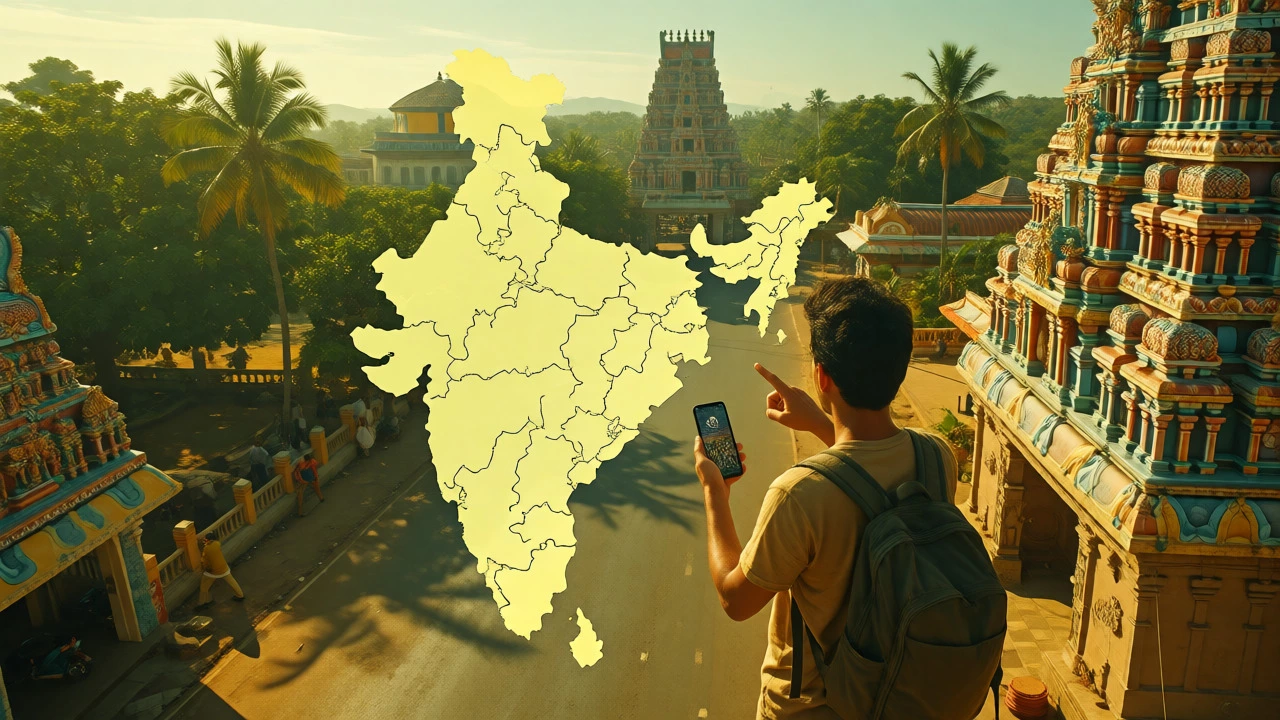
Taj Mahal Location & Travel Planner
Click on a city marker to see distance and travel time estimates from New Delhi to that destination.
(Taj Mahal)
Distance from New Delhi:
-- km
Estimated Travel Time:
--
Key Fact
The Taj Mahal is located in Northern India (Agra, Uttar Pradesh), not the South. It is approximately 230km south of New Delhi.
You are standing in the humid heat of Chennai, looking at a map on your phone. You want to see the Taj Mahal. Your finger hovers over the southern tip of the peninsula, then drifts northward. It is a common confusion for first-time visitors to India. The country is massive, and its cultural landmarks often blur together in the mind of a traveler planning their first trip. But here is the definitive answer that saves you from booking a flight to the wrong end of the subcontinent: Taj Mahal is located in Agra, Uttar Pradesh, which places it firmly in Northern India.
This isn't just a trivial geographic detail. Knowing where the monument sits changes how you plan your entire itinerary. If you think it's in the south, you might miss out on the Golden Triangle, skip the best food markets in Delhi, or waste days traveling across states. Let's clear up the geography, explain why this confusion happens, and show you exactly how to get there without losing your mind.
The Geographic Reality: Why It’s North
To understand why the Taj Mahal is in the north, you have to look at the history that built it. The Mughal Empire, which constructed the monument in the 17th century, ruled from centers in the north. Cities like Delhi, Agra, and Lahore were the power hubs. The river Yamuna, which flows behind the Taj Mahal, is a tributary of the Ganges, a river system that defines northern India.
Agra itself is about 200 kilometers (124 miles) south of New Delhi. In the context of India’s vast size, that is practically next door. When you fly into Indira Gandhi International Airport in Delhi, you are already halfway there. Contrast this with the southern cities like Bangalore, Hyderabad, or Chennai. These places are over 1,500 kilometers away. That is not a day trip; that is a domestic flight plus hours of ground transport.
| City | Region | Distance from New Delhi | Travel Time by Air from Delhi |
|---|---|---|---|
| Agra (Taj Mahal) | North | ~230 km | N/A (Train/Car accessible) |
| Mumbai | West | ~1,400 km | 2 hours 15 minutes |
| Bangalore | South | ~2,100 km | 3 hours 30 minutes |
| Chennai | South | ~2,200 km | 3 hours 45 minutes |
Why Do People Think It’s in the South?
It seems odd that anyone would guess south, right? But consider the mental image many people have of "exotic" destinations. The south of India is famous for its lush greenery, backwaters, and distinct Dravidian architecture. The north is often associated with deserts, mountains, and arid plains. Because the Taj Mahal is white marble and incredibly ornate, some travelers subconsciously associate it with the intricate temple gopurams of Tamil Nadu or Kerala. They assume the aesthetic matches the region they perceive as more "cultural" or "traditional," even though both regions are deeply traditional.
Another factor is the popularity of South India for wellness tourism. Yoga retreats in Rishikesh (which is actually in the north, near the Himalayas) are often marketed alongside Ayurvedic treatments in Kerala. This blurs the lines for someone who hasn't studied a map. Additionally, if you are coming from Southeast Asia, you might land in Chennai or Bangalore first, making the south feel like the "entry point" to India, leading to the assumption that major sights are nearby.
The Golden Triangle: Your Best Route
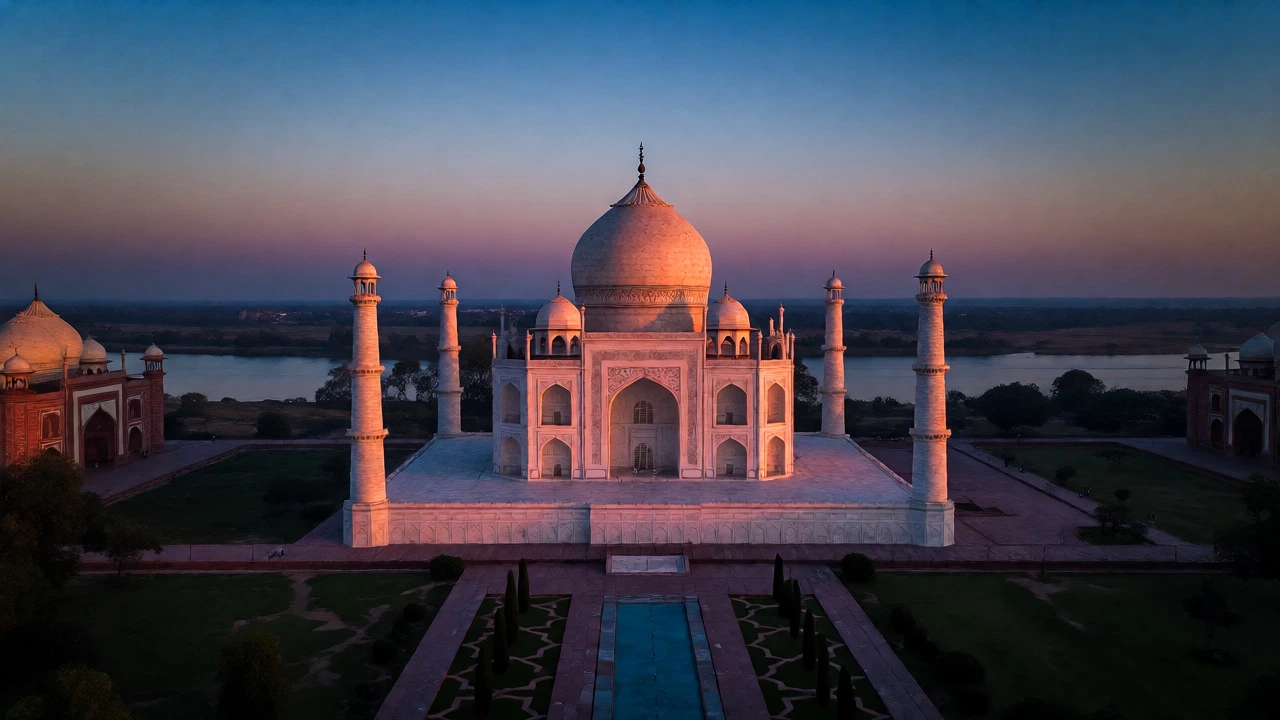
Since the Taj Mahal is in the north, you should structure your trip around the Golden Triangle. This is the most popular tourist circuit in India, connecting three major cities: Delhi, Agra, and Jaipur. It forms a triangle on the map, hence the name. This route minimizes travel time and maximizes exposure to the core heritage of North India.
- Delhi: Start here. Visit the Red Fort, Qutub Minar, and Humayun’s Tomb. Humayun’s Tomb is particularly important because it was the architectural inspiration for the Taj Mahal. Seeing it first gives you context for what you will see in Agra.
- Agra: Take a train or car to Agra. Stay overnight if possible to catch the sunrise at the Taj Mahal. Also visit the Agra Fort, which offers views of the Taj from the outside.
- Jaipur: Continue to the Pink City. See the Amber Fort and Hawa Mahal before returning to Delhi or flying out.
Trying to squeeze the Taj Mahal into a South India itinerary usually results in rushed travel. You spend more time in transit than you do appreciating the monuments. Unless you have two full weeks, stick to one region per leg of your journey.
Getting There: Practical Logistics
Once you accept that the Taj Mahal is in the north, the logistics become simple. Here is how experienced travelers handle the Agra leg.
By Train: The Gatimaan Express and Shatabdi Express run daily between New Delhi and Agra Cantt station. The ride takes under two hours. It is clean, punctual, and comfortable. Book tickets via the IRCTC website or app well in advance, as these trains sell out quickly during peak season (October to March).
By Car: The Yamuna Expressway connects Delhi to Agra. It is a smooth, toll road that allows private cars or hired taxis to make the trip in about 3 to 4 hours, depending on traffic leaving Delhi. This option gives you flexibility to stop at Mathura, the birthplace of Lord Krishna, along the way.
By Air: Agra has an airport, but flights are limited and often unreliable due to weather and low demand. Flying into Delhi and taking ground transport is almost always faster and cheaper than trying to fly directly to Agra from international hubs.
What to Expect Upon Arrival
Agra is hot. The climate in Northern India can be extreme. Summers reach 45°C (113°F), while winters drop to 5°C (41°F) at night. Plan accordingly. The Taj Mahal is closed on Fridays. This is a crucial detail that trips up many tourists who book tours blindly. If your itinerary falls on a Friday, you need to shift your schedule.
Security is tight. You cannot bring large bags, cameras with long lenses, tripods, or food inside the main mausoleum area. Lockers are available at the entrance. Buy your tickets online through the official Archaeological Survey of India portal to skip the massive ticket queues. Foreigner tickets cost significantly more than Indian citizen tickets, but they include access to all four minarets and the main tomb.
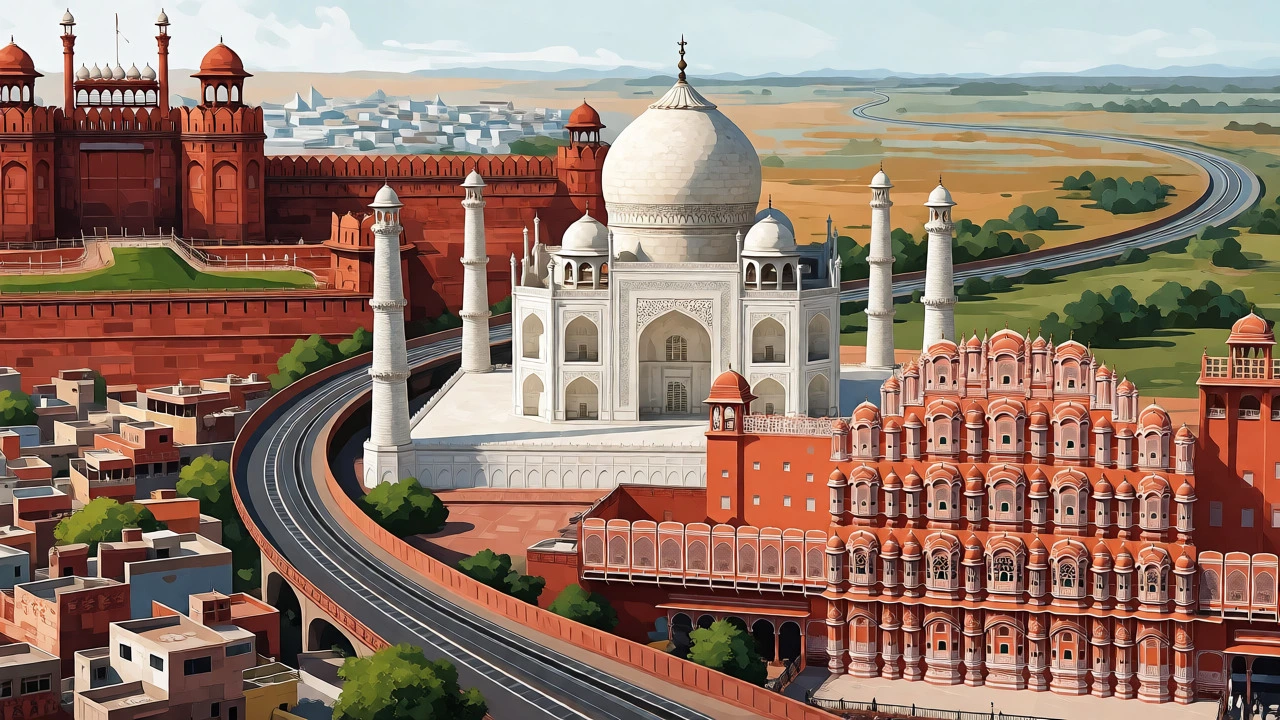
The experience is sensory. You walk through charbagh gardens, cross a bridge over the reflecting pool, and stand before the central dome. The light changes throughout the day. Sunrise offers a pink hue, noon is stark white against blue skies, and sunset turns the marble gold. Moonlight viewing sessions are also available on specific nights around the full moon, requiring separate tickets booked months in advance.
Beyond the Taj: Other Northern Gems
If you are visiting for the Taj Mahal, don’t leave immediately after seeing it. Northern India is packed with sites that rival the Taj in beauty and historical significance. Since you are already in the region, leverage the proximity.
Fatehpur Sikri, a ghost city built by Emperor Akbar, is only 37 kilometers from Agra. It is a UNESCO World Heritage site featuring red sandstone palaces and mosques. It feels abandoned and eerie, offering a different vibe from the pristine restoration of the Taj.
Then there is Varanasi, further east in Uttar Pradesh. It is one of the oldest living cities in the world. Watching the evening Ganga Aarti ceremony on the ghats is a spiritual shock to the system. It is chaotic, loud, and profoundly moving. Most travelers combine Agra and Varanasi in a 7-day North India loop.
Remember, the Taj Mahal is not just a building; it is a symbol of love and loss. Shah Jahan built it for his wife Mumtaz Mahal. Understanding the emotional weight of the site requires you to slow down. Don’t rush. Sit by the riverbank. Watch the locals. Eat petha, the local sweet made from ash gourd. Engage with the culture of the Gangetic plain.
Is the Taj Mahal closer to Mumbai or Delhi?
The Taj Mahal is much closer to Delhi. Agra is approximately 230 kilometers from New Delhi, whereas it is over 1,200 kilometers from Mumbai. Traveling from Delhi is significantly faster and cheaper.
Can I visit the Taj Mahal in one day from Delhi?
Yes, it is possible to do a day trip from Delhi using early morning trains like the Gatimaan Express. However, staying overnight in Agra is recommended to avoid fatigue and to witness the sunrise or sunset, which offer better lighting for photography.
Which state is the Taj Mahal in?
The Taj Mahal is located in the state of Uttar Pradesh, in the northern part of India. Specifically, it is situated in the city of Agra.
Is Agra safe for solo female travelers?
Agra is generally safe for tourists, especially in areas surrounding the Taj Mahal and main hotels. However, standard precautions apply: avoid walking alone late at night, use registered taxi services, and dress modestly to respect local customs.
Why is the Taj Mahal closed on Fridays?
The Taj Mahal is closed on Fridays for prayers at the mosque located within the complex. Visitors must plan their itineraries to avoid scheduling their visit on this day.