Wildlife Sanctuary Impact Calculator
Plan Your Visit
Estimate the tangible impact of your contribution to a sanctuary.
Your Conservation Contribution
Enter your details above to see how tourism revenue directly supports sanctuary operations.
You might picture a wildlife sanctuary as a giant, open-air zoo where animals roam freely while humans watch from behind fences. It’s a nice image, but it doesn’t capture the gritty, complex reality of what these places actually do. When you ask what do sanctuaries do to animals, the answer isn’t just "protect them." It involves veterinary intervention, habitat restoration, conflict mediation, and sometimes, difficult decisions about population control.
Sanctuaries are not passive parks. They are active management zones. Whether it’s a government-run reserve in India or a private rescue center in Australia, the goal is always the same: keeping species alive in a world that is shrinking their natural homes. But how they achieve this varies wildly depending on the animal, the location, and the threats involved.
The Core Mission: Habitat Protection and Legal Shielding
The first thing a sanctuary does for an animal is give it a legal address. In many parts of the world, land is bought, sold, and developed with little regard for the creatures living there. A sanctuary changes that. By designating an area as protected, governments or organizations freeze development. This means no new roads cutting through migration corridors, no logging in critical nesting grounds, and no hunting permits issued within those boundaries.
For example, consider the role of sanctuaries in protecting the Bengal tiger. In India, projects like Project Tiger established reserves that legally banned poaching and restricted human entry. This legal shield allows populations to recover because the animals can exist without the constant threat of being killed for their skins or bones. Without this legal status, the animals would be vulnerable to the same market forces that drive deforestation and urban sprawl.
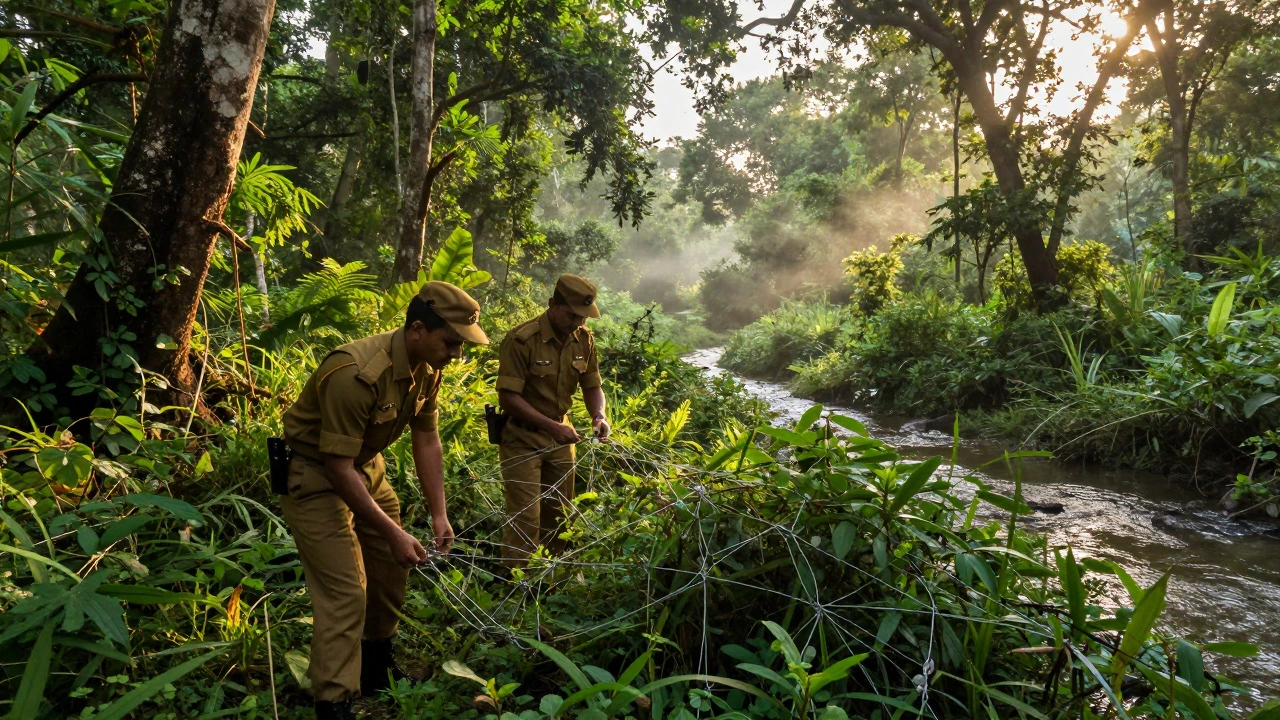
However, protection isn’t just about saying "no" to humans. It’s about actively managing the land. Rangers patrol these areas to remove illegal snares, monitor water sources during droughts, and ensure that invasive plant species don’t choke out the native flora that animals need to eat. This active stewardship is what separates a sanctuary from a simple national park where nature is left entirely to its own devices.
Rescue, Rehabilitation, and Release
When people think of sanctuaries, they often think of rescue operations. This is a huge part of the job, especially for private sanctuaries. These facilities take in animals that have been injured by vehicles, orphaned by wildfires, or confiscated from the illegal pet trade. The process here is intense and medical.
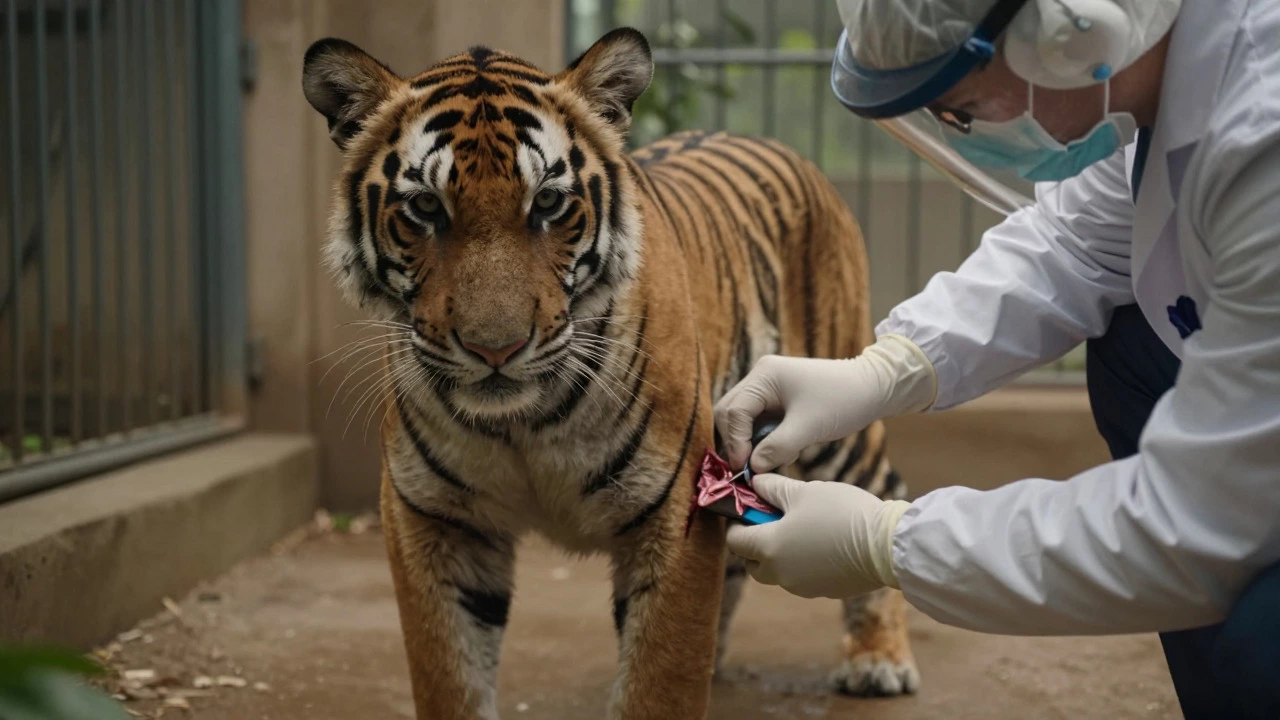
Take the case of sea turtles in coastal regions. Many hatchlings die before reaching the ocean due to predators or human interference. Sanctuaries collect eggs from vulnerable beaches, incubate them in safe conditions, and release the hatchlings into the sea at night when predation risk is lower. For larger animals, like rhinos or elephants, the work involves surgery. Poachers often leave wounds that require antibiotics, wound cleaning, and long-term care before the animal can be returned to the wild.
Rehabilitation is the bridge between rescue and freedom. It’s not enough to heal the physical injury; the animal must also retain its fear of humans. If a rescued leopard loses its instinctual wariness of people, it becomes a danger to both itself and nearby communities. Therefore, keepers use minimal contact techniques, hiding behind screens and using remote cameras, to ensure the animal remains wild-hearted. Once healthy and behaviorally sound, the goal is always release back into a suitable habitat.
Managing Human-Wildlife Conflict
This is the unglamorous side of sanctuary work that rarely makes it into brochures. As human populations grow, they push against the edges of sanctuaries. Elephants raid crops, leopards attack livestock, and bears break into trash bins. When this happens, local communities often view the animals as pests rather than treasures. If the sanctuary doesn’t intervene, farmers may kill the animals in retaliation.
Sanctuaries act as mediators. They deploy rangers to chase away encroaching animals before damage occurs. They install electric fences around crop fields to deter elephants without harming them. In some cases, they provide insurance schemes for farmers who lose crops to wildlife, funded by tourism revenue or government grants. This reduces the economic incentive to kill the animals.
In places like the Sundarbans in India or the Daintree in Australia, this conflict is daily life. Sanctuaries employ community liaison officers who educate locals on coexistence strategies. They teach villagers how to store food securely and recognize animal tracks. By reducing direct conflict, sanctuaries maintain social license to operate. If the local people hate the sanctuary, the animals inside won’t stay safe for long.
Scientific Research and Monitoring
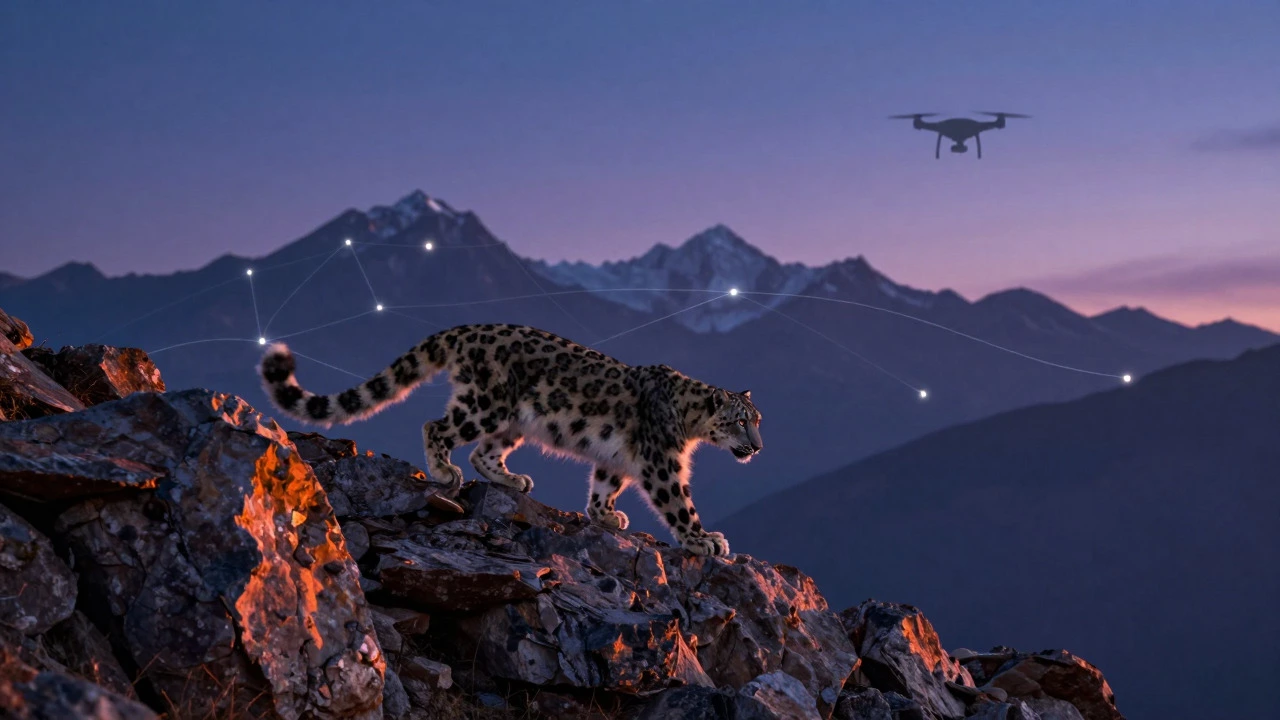
You can’t manage what you don’t measure. Sanctuaries are hotbeds for scientific research. Biologists set up camera traps, track GPS collars, and conduct census counts to understand population dynamics. This data tells us if a species is recovering or declining. For instance, tracking the movement of snow leopards helps scientists identify which corridors are essential for genetic diversity between isolated groups.
This research informs policy. If data shows that a particular bird species needs a specific type of wetland, the sanctuary managers can focus restoration efforts on creating or preserving those wetlands. It also helps in detecting diseases early. An outbreak of canine distemper in lions, for example, was tracked and contained thanks to monitoring programs in African reserves. Without this scientific backbone, conservation would be guesswork.
Furthermore, sanctuaries serve as baseline controls. Scientists compare animal health and biodiversity inside the sanctuary versus outside. This provides concrete evidence of the impact of human activity. It proves whether conservation measures are working or if new strategies are needed. This evidence is crucial for securing funding and political support.
Population Control and Genetic Diversity
Here is a hard truth: sanctuaries sometimes have to cull animals. It sounds cruel, but unchecked population growth can lead to starvation, disease, and habitat degradation. If a deer population explodes in a small reserve, they will overgraze the vegetation, leading to soil erosion and the collapse of the ecosystem. Other predators may starve if their prey disappears.
Managers use non-lethal methods first, such as contraception for elephants or translocating excess animals to other reserves with more space. Translocation is risky and stressful for the animals, but it balances populations. When culling is necessary, it is done humanely and based on strict scientific criteria. The goal is to maintain a carrying capacity that the land can support indefinitely.
Genetic diversity is another concern. Small, isolated populations suffer from inbreeding, which weakens their immune systems and reproductive success. Sanctuaries collaborate with other reserves to swap individuals, ensuring a healthy gene pool. This network approach treats the landscape as a connected system rather than isolated islands.
| Role | Primary Action | Benefit to Animals |
|---|---|---|
| Habitat Protection | Legal zoning, anti-poaching patrols | Safety from hunting and habitat loss |
| Rescue & Rehab | Medical care, orphan fostering | Survival after trauma or abandonment |
| Conflict Mediation | Fencing, compensation, education | Reduced retaliatory killings |
| Research | Tracking, census, disease monitoring | Data-driven management decisions |
| Population Management | Translocation, controlled breeding | Prevention of starvation and inbreeding |
The Role of Tourism and Funding
Conservation is expensive. Salaries for rangers, fuel for patrols, medical supplies, and fence repairs all cost money. Most sanctuaries rely on a mix of government funding, international grants, and tourism revenue. Responsible tourism plays a vital role here. When visitors pay for safaris or eco-lodges, that money goes directly into conservation efforts.
However, tourism must be managed carefully. Too many jeeps circling a lion pride causes stress, which affects their heart rates and hunting success. Sanctuaries enforce strict codes of conduct: limited vehicle numbers, speed limits, and quiet zones. The best sanctuaries prioritize low-impact tourism, such as walking safaris or boat tours, which generate less disturbance.
Tourism also creates jobs for local communities. When people see economic benefits from living animals, they become allies in conservation. Guides, cooks, and drivers employed by the sanctuary have a vested interest in keeping the wildlife alive. This shifts the narrative from seeing animals as threats to seeing them as assets.
Challenges and Future Threats
Despite their efforts, sanctuaries face mounting challenges. Climate change alters rainfall patterns, drying up waterholes and changing vegetation types. Animals are forced to move beyond sanctuary boundaries in search of resources, exposing them to new dangers. Disease outbreaks, facilitated by global travel and trade, pose another threat. Avian flu, for instance, has devastated bird populations in protected areas worldwide.
Poaching remains a persistent issue, driven by demand for ivory, rhino horn, and traditional medicines. Corruption and lack of resources can undermine enforcement. Additionally, political instability can lead to the downgrading of protected areas, opening them up to mining or logging interests. Sanctuaries must constantly advocate for their status and adapt to these shifting landscapes.
Technology is helping. Drones monitor remote areas, AI analyzes camera trap images to identify individual animals, and blockchain tracks the origin of timber and minerals to prevent illegal exploitation. These tools enhance efficiency and allow rangers to cover more ground with fewer resources.
How You Can Support Sanctuaries
If you want to make a difference, start by choosing responsible tourism operators. Look for certifications that guarantee a portion of profits goes to conservation. Avoid attractions that offer direct contact with wild animals, such as cub petting or elephant rides, as these often involve abusive training practices.
Donate to reputable organizations with transparent financial records. Support policies that protect habitats and fund ranger salaries. Educate yourself and others about the importance of biodiversity. Every action, no matter how small, contributes to the broader effort of keeping our planet’s wildlife alive.
Sanctuaries are not perfect. They are complex, challenging, and often underfunded. But they are our best hope for preserving the incredible diversity of life on Earth. By understanding what they do and supporting their mission, we help ensure that future generations can still witness the majesty of the wild.
Do sanctuaries keep animals in cages?
Most wildlife sanctuaries aim to keep animals in large, naturalistic enclosures or release them into the wild. Cages are typically used only temporarily for medical treatment or rehabilitation. Private sanctuaries may house non-releasable animals in spacious habitats that mimic their natural environment, avoiding small bars or concrete floors common in zoos.
How are sanctuaries different from zoos?
Zoos primarily focus on exhibition and education, often housing animals in smaller enclosures for public viewing. Sanctuaries prioritize rescue, rehabilitation, and retirement, focusing on the well-being of the animal rather than entertainment. Sanctuaries usually limit public access and avoid breeding programs unless necessary for conservation.
Can anyone visit a wildlife sanctuary?
Access depends on the sanctuary. Government-run reserves often allow guided tours for tourists, while private rescue sanctuaries may restrict visits to volunteers, donors, or researchers to minimize stress on the animals. Always check specific rules and book guided experiences to ensure responsible interaction.
What happens to animals that cannot be released?
Animals that are too old, injured, or habituated to humans may remain in the sanctuary for life. These facilities provide lifelong care, including specialized diets, veterinary attention, and social companionship with other animals. The goal is to ensure a high quality of life until natural death.
Is culling in sanctuaries ethical?
Culling is a controversial but sometimes necessary tool for maintaining ecological balance. It is used as a last resort when population density threatens the health of the herd or the habitat. Decisions are made by biologists based on scientific data, aiming to minimize suffering and preserve the overall ecosystem.