Post-Trek Recovery Checker
How are you feeling?
Recovery Guidance
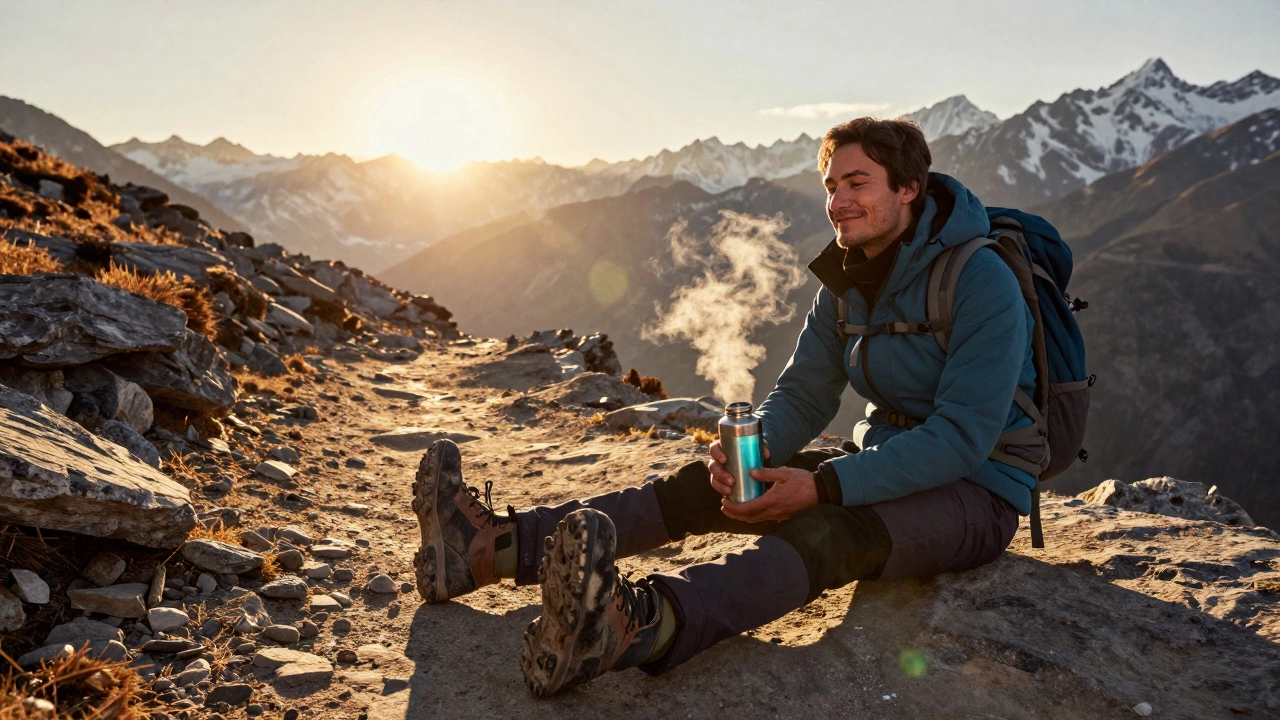
When you finish a long trek in the Himalayas or the Western Ghats, you might feel a rush of pride-but also soreness, fatigue, and maybe even a strange kind of emptiness. That’s normal. Trekking doesn’t just change your view of the mountains; it changes your body. And understanding what’s happening inside you after you step off the trail can help you recover faster, stay healthy, and plan your next adventure smarter.
Your muscles are repairing themselves
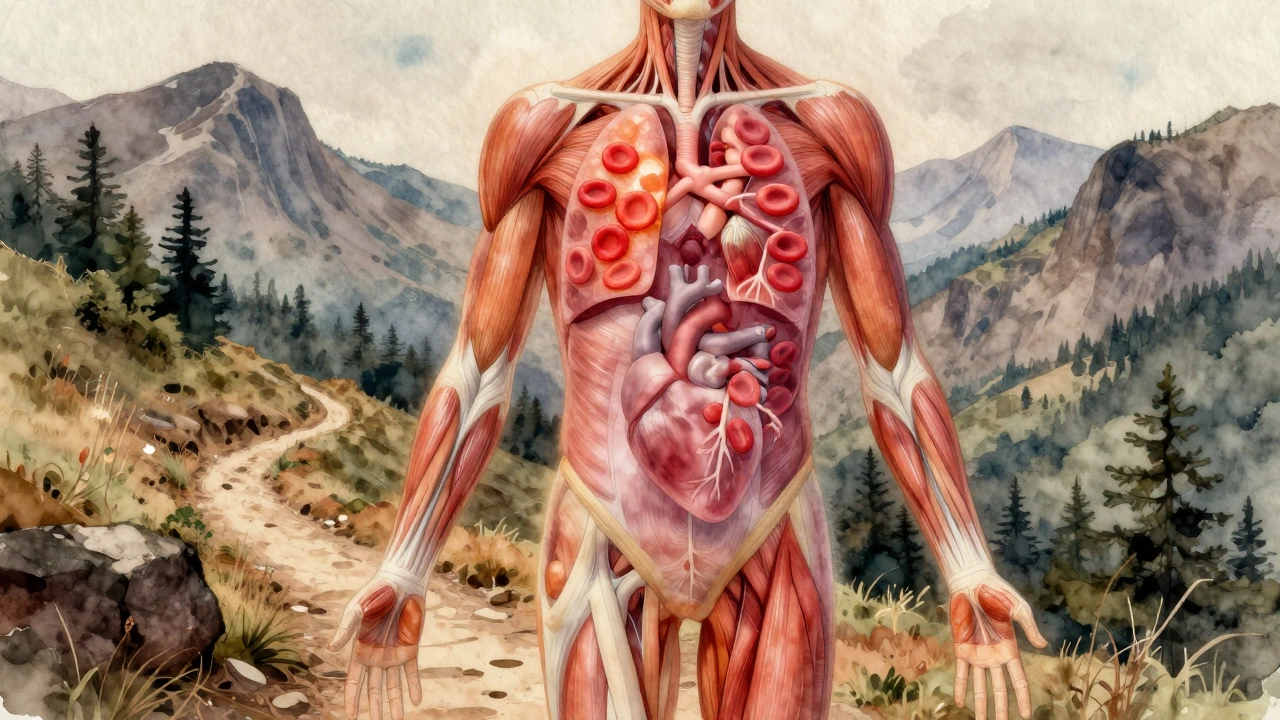
After a day of steep climbs and rocky descents, your legs might feel like they’re made of concrete. That’s delayed onset muscle soreness (DOMS), and it’s not a sign you did something wrong-it’s proof you did something right. Trekking uses muscles you rarely activate: your glutes, hamstrings, calves, and even your core. These muscles develop tiny tears during long hikes. Your body responds by rebuilding them stronger and more efficient. This process peaks 24 to 72 hours after your trek. Don’t skip rest. Light walking or stretching helps blood flow, which speeds up healing. Ice baths or cold showers? They help some people, but for most, gentle movement and sleep do the trick.
Your heart is working smarter
At high altitudes, your heart has to pump harder to deliver oxygen to your muscles. Over days of trekking, your heart adapts. It becomes more efficient-beating slower at rest but moving more blood with each beat. Studies show that regular trekkers can see up to a 15% improvement in cardiovascular efficiency within just a few weeks. This isn’t just good for hiking. It lowers your resting heart rate, reduces blood pressure, and cuts long-term risk of heart disease. That’s why people who trek regularly often say they feel more energetic even after returning to city life.
Your lungs are adjusting to thinner air
If you trekked above 2,500 meters, your body had to cope with less oxygen. In response, your body produces more red blood cells and hemoglobin to carry oxygen more effectively. This process, called erythropoiesis, starts within hours and can last for weeks. You might notice you’re less winded climbing stairs or carrying groceries after your trek. That’s your body holding onto those extra oxygen-carrying cells. It’s one of the most powerful physiological changes you can trigger without a gym.
Your hydration levels are out of balance
Trekking in India often means hiking under the sun, sweating heavily, and sometimes forgetting to drink enough water. Dehydration doesn’t just make you tired-it throws off your electrolytes. Sodium, potassium, and magnesium drop, leading to cramps, headaches, or dizziness. After your trek, your body is still trying to rebalance. Drink water with a pinch of salt or an oral rehydration solution. Eat bananas, nuts, yogurt, or coconut water. Don’t just chug plain water. You’ll flush out the minerals you need to recover. A 2023 study from the Indian Institute of Tropical Medicine found that 68% of trekkers returning from Himalayan trails reported muscle cramps in the first 48 hours-mostly due to poor rehydration.
Your digestion is slowing down-or going haywire
Change in diet, stress, altitude, and disrupted sleep can mess with your gut. You might feel bloated, constipated, or suddenly have loose stools. That’s because your gut microbiome, the trillions of bacteria in your intestines, reacts to environmental shifts. Trekking in India often means eating unfamiliar foods-spicier, oilier, or less processed than what you’re used to. Your gut needs time to adjust. Eat bland, fiber-rich foods like oats, rice, bananas, and boiled vegetables for a few days. Probiotics from yogurt or fermented foods help too. Avoid alcohol and heavy fried food-it’ll only delay recovery.
Your mood shifts-sometimes unexpectedly
It’s not just physical. After days of quiet trails, mountain air, and no screens, returning to traffic, noise, and notifications can feel jarring. Many people report a low mood or even mild depression after trekking. This is called the “post-trek blues.” You’re not broken-you’re adjusting. Your brain has been flooded with endorphins, dopamine, and serotonin from physical exertion and nature exposure. When that drops, so does your mood. Try to keep moving: walk in a park, meditate, journal, or reconnect with friends. Don’t rush back into work. Give yourself a few days to reintegrate.
Your sleep gets deeper-then harder
On the trail, you probably slept like a rock. The exhaustion from hiking, combined with fresh air and no screens, triggers deep, restorative sleep. But once you’re back home, your body might struggle to fall asleep. Why? Your circadian rhythm got reset. Your body clock was synced to sunrise and sunset. Now, artificial light, caffeine, and stress are throwing it off. Try to go to bed and wake up at the same time for the first week. Avoid screens an hour before bed. Keep your room cool and dark. You might need a few nights, but your sleep quality will return.
You’ll crave movement-again
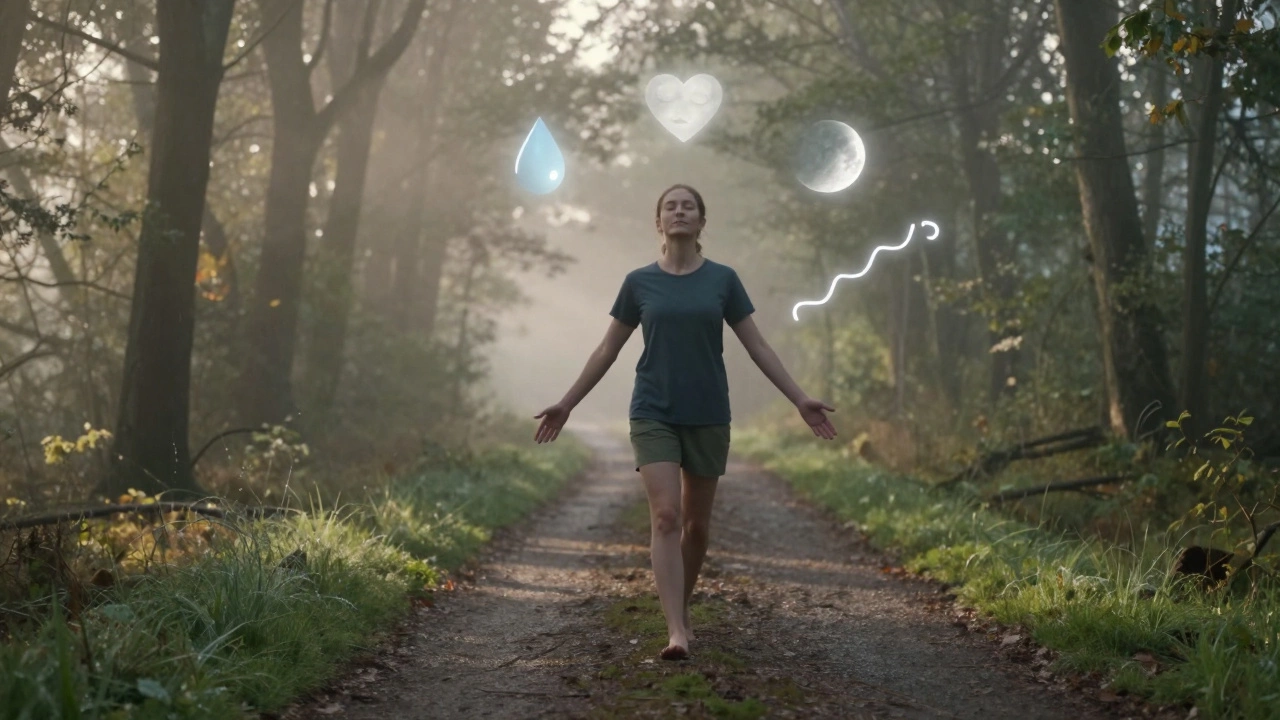
Here’s the weird part: after all that exhaustion, you might start missing the trail. That’s not just nostalgia. Your body craves the rhythm of movement. Studies on long-distance hikers show that 73% of people start planning their next trek within two weeks of returning. That’s because trekking rewires your brain’s reward system. The sense of accomplishment, the rhythm of walking, the connection with nature-it becomes addictive. Don’t fight it. Channel it. Go for long walks. Try hiking local trails. Join a weekend group. Your body isn’t done with adventure.
What to avoid after trekking
- Don’t jump into intense workouts right away. Give your muscles 3-5 days to recover.
- Avoid alcohol for at least 48 hours-it dehydrates you further and slows muscle repair.
- Don’t ignore persistent pain. If your knee or ankle still hurts after a week, see a physiotherapist.
- Don’t skip meals. Your body needs protein and complex carbs to rebuild.
- Avoid heavy, greasy food. It stresses your digestive system when it’s already recovering.
How to recover like a pro
- Hydrate with electrolytes for the first 48 hours.
- Get 7-9 hours of sleep every night for the first week.
- Do light stretching or yoga daily-focus on hips, hamstrings, and calves.
- Eat protein-rich meals (eggs, lentils, chicken, tofu) with vegetables and whole grains.
- Take a warm bath with Epsom salts to ease muscle tension.
- Walk for 20-30 minutes each day to keep blood flowing.
- Give yourself permission to feel tired. Recovery isn’t lazy-it’s necessary.
Trekking in India isn’t just a trip. It’s a full-body reset. Your muscles, heart, lungs, gut, and mind all change. And if you treat your recovery with the same care you gave your hike, you’ll come back stronger-not just physically, but mentally too. The mountains don’t just change your view. They change you. And that change lasts long after you’ve packed away your boots.
How long does it take to recover after a trek in India?
Most people feel back to normal within 5 to 7 days, but full recovery-especially after high-altitude treks-can take up to two weeks. Factors like trek length, elevation, fitness level, and hydration affect recovery time. If you’re still sore, dizzy, or fatigued after 10 days, consult a doctor.
Why do I feel dizzy after trekking?
Dizziness after trekking often comes from dehydration, low blood sugar, or a sudden drop in altitude. When you descend quickly, your body adjusts to higher oxygen levels, which can temporarily affect blood pressure. Drink fluids with electrolytes, eat a balanced meal, and avoid standing up too fast. If dizziness lasts more than 24 hours or comes with nausea or confusion, seek medical advice.
Can trekking cause long-term joint damage?
Not if you do it right. Trekking strengthens joints by building supporting muscles. But if you hike with poor footwear, carry too much weight, or ignore pain, you risk injury. People with pre-existing knee or hip issues should use trekking poles and avoid steep descents. Most joint pain after trekking is temporary muscle strain-not cartilage damage. If pain persists, get it checked.
Should I take supplements after trekking?
Generally, no. Whole foods are better. Focus on protein, magnesium (from nuts and leafy greens), and potassium (bananas, potatoes). If you’re deficient in iron or vitamin D, a doctor might recommend supplements, but most people get enough from diet. Avoid over-the-counter recovery pills-they’re often overpriced and unregulated.
Why do I sleep better after trekking?
Trekking increases your body’s need for restorative sleep. Physical exertion, natural light exposure, and reduced stress lower cortisol levels and boost melatonin. Your body naturally resets its sleep cycle. Even after returning home, if you maintain a regular sleep schedule and avoid screens before bed, you can keep some of that deep sleep quality.