Dark Tourism Explorer & Quiz
Explore key dark tourism destinations in India and test your knowledge on their historical significance and respectful visitation guidelines.
Jallianwala Bagh
Amritsar, Punjab
Cellular Jail
Port Blair, Andaman
Partition Museum
Amritsar, Punjab
Bhangarh Fort
Rajasthan
Dharavi Slum Tour
Mumbai, Maharashtra
Key Experience:
Test Your Knowledge
Quiz Complete!
Your Score: 0/0
Imagine standing in a room where silence feels heavier than the humidity outside. You are not just visiting a building; you are stepping into a moment of collective trauma that shaped a nation. This is Dark Tourism, defined as travel to sites associated with death, tragedy, and suffering. In India, this isn't about ghost stories or thrill-seeking. It is about confronting the brutal realities of colonial rule, partition violence, and natural disasters that left permanent scars on the landscape.
You might wonder why anyone would choose to visit a prison or a memorial instead of a sunny beach. The answer lies in emotional resonance. Dark tourism offers a visceral connection to history that textbooks cannot replicate. When you walk through the corridors of the Cellular Jail in Port Blair, you feel the isolation that freedom fighters endured for decades. It transforms abstract dates into human experiences. For many travelers, understanding these sites is essential to grasping the full complexity of Indian identity.
Why Visit Sites of Suffering?
The term "dark tourism" was coined by academics John Lennon and Malcolm Foley in the 1990s, but the practice is ancient. People have always visited battlefields and martyrdom sites. However, modern dark tourism in India has shifted from mere pilgrimage to educational engagement. It challenges visitors to ask difficult questions: How did we get here? What did it cost? Unlike standard sightseeing, which often sanitizes history, dark tourism refuses to look away. It acknowledges that beauty and brutality often coexist. Consider the Taj Mahal. While celebrated for its white marble symmetry, it is also a mausoleum built over a grave, born from grief. Most tourists focus on the aesthetics, but a dark tourism lens highlights the sorrow behind the architecture. This dual perspective enriches the travel experience, adding layers of meaning to every photograph taken.
For students and history enthusiasts, these sites serve as open-air classrooms. They provide context for political movements and social changes. Seeing the bullet marks at Jallianwala Bagh makes the concept of British repression tangible. It stops being a paragraph in a schoolbook and becomes a physical reality you can touch. This immediacy fosters empathy and a deeper respect for the sacrifices made during the independence struggle.
Key Dark Tourism Destinations in India
India’s vast geography means dark tourism sites are scattered across the country, each telling a different story. Here are the most significant locations that define this niche.
| Site Name | Location | Historical Context | Key Experience |
|---|---|---|---|
| Jallianwala Bagh | Amritsar, Punjab | 1919 Massacre by British troops | Bullet-riddled walls and eternal flame |
| Cellular Jail | Port Blair, Andaman Islands | Colonial penal colony (1857-1945) | Light and sound show depicting torture |
| Partition Museum | Amritsar, Punjab | 1947 Partition of India | Oral histories and refugee artifacts |
| Bhangarh Fort | Rajasthan | Abandoned city due to curse/famine | Archaeological ruins and local legends |
| Dharavi Slum Tour | Mumbai, Maharashtra | Urban poverty and resilience | Living conditions and economic hubs |
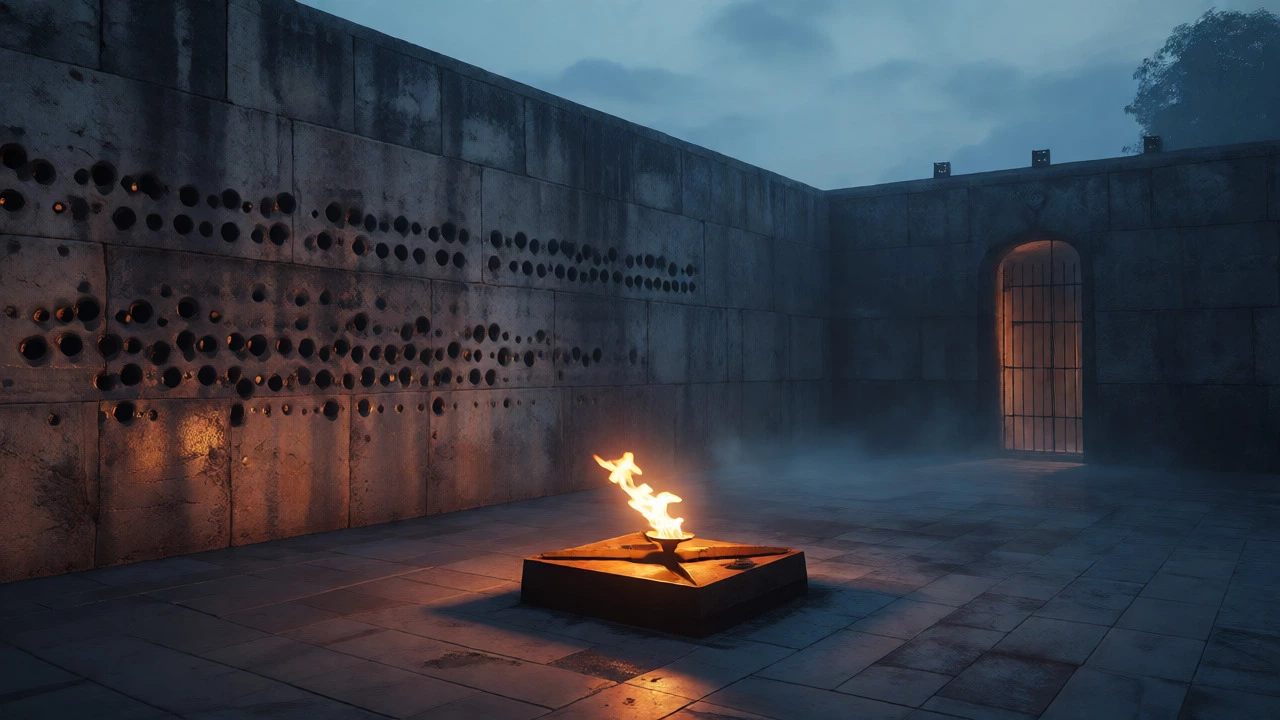
Jallianwala Bagh remains the most poignant site for many Indians. On April 13, 1919, Brigadier-General Reginald Dyer ordered troops to fire on a peaceful gathering without warning. Hundreds died. Today, the garden preserves the wall where people tried to escape the gunfire. The narrow exit, barely wide enough for two people side-by-side, explains the panic. Standing there, you understand the sheer terror of being trapped. The memorial does not shy away from the bloodshed; it centers it.
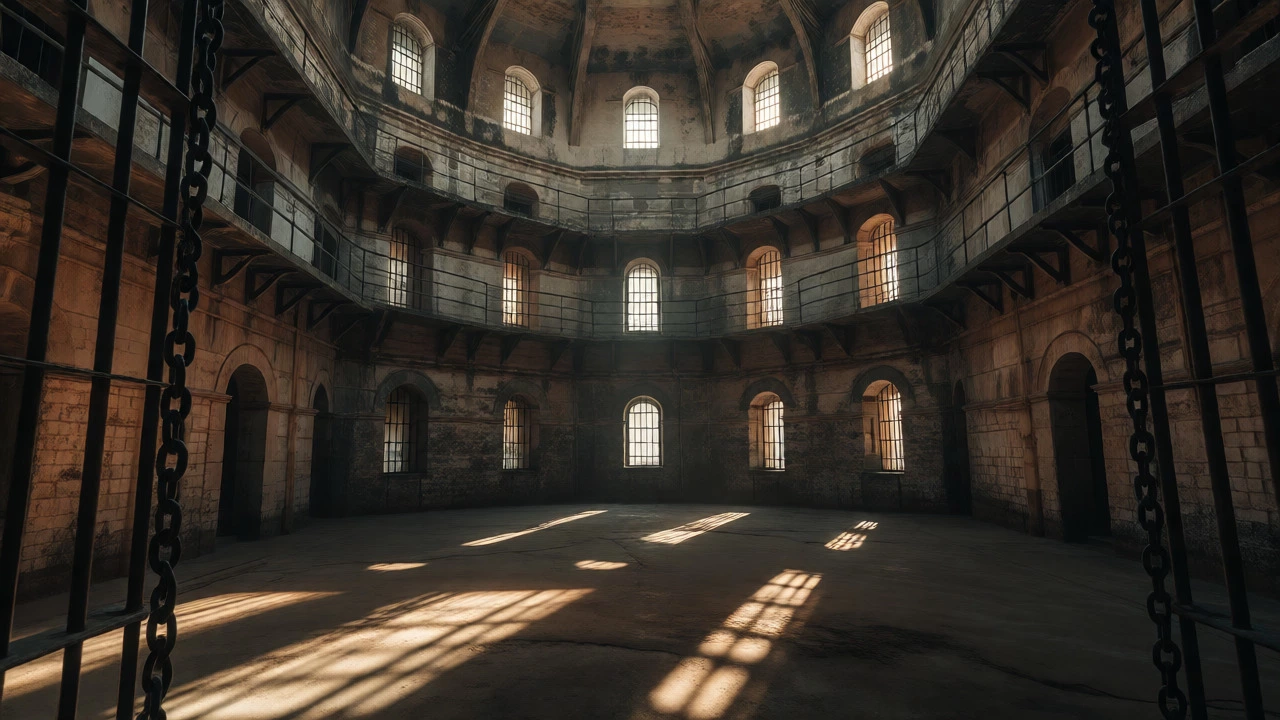
Further south, the Cellular Jail in the Andaman Islands represents the darkest chapter of colonial punishment. Built to exile rebels after the 1857 uprising, it was designed to break the spirit. The central tower allowed guards to monitor all wings simultaneously. Prisoners were subjected to solitary confinement and hard labor. The site now includes a museum showcasing the tools of torture used by the British. Visiting requires a ferry ride, which itself adds to the sense of isolation felt by those who never returned home.
The Psychology of Visiting Tragic Places
Why do we feel drawn to these places? Psychologists suggest that dark tourism helps us process mortality and historical injustice. It provides a safe space to confront fear and sadness. When you visit a site like the Red Fort’s war museum, you are engaging in what experts call "thanatourism"-tourism of death. But unlike morbid curiosity, ethical dark tourism promotes reflection rather than exploitation.
This type of travel demands emotional readiness. Not everyone is prepared to stand in a place where thousands suffered. Some visitors find it cathartic, allowing them to connect with ancestors who lived through similar times. Others may feel overwhelmed. It is crucial to approach these sites with respect. Avoid taking selfie videos in front of memorials dedicated to mass graves. Silence is often the most appropriate response.
Moreover, dark tourism can drive conservation efforts. Revenue from ticket sales often funds the maintenance of fragile historical structures. Without tourist interest, sites like the ruins of Hampi (which include evidence of past conflicts) might deteriorate faster. Your visit contributes to preserving these narratives for future generations.
Ethical Guidelines for Dark Travelers
Not all visits to tragic sites are created equal. There is a fine line between remembrance and voyeurism. To ensure your visit is respectful, follow these guidelines:
- Dress modestly: Many dark tourism sites are also religious or cultural spaces. Cover shoulders and knees if required.
- Listen more than you speak: If guided tours are available, take them. Local guides provide context that signs cannot.
- Avoid intrusive photography: Do not photograph grieving families or sensitive exhibits without permission.
- Support local economies: Buy crafts or food from vendors near the site to help communities affected by the historical events.
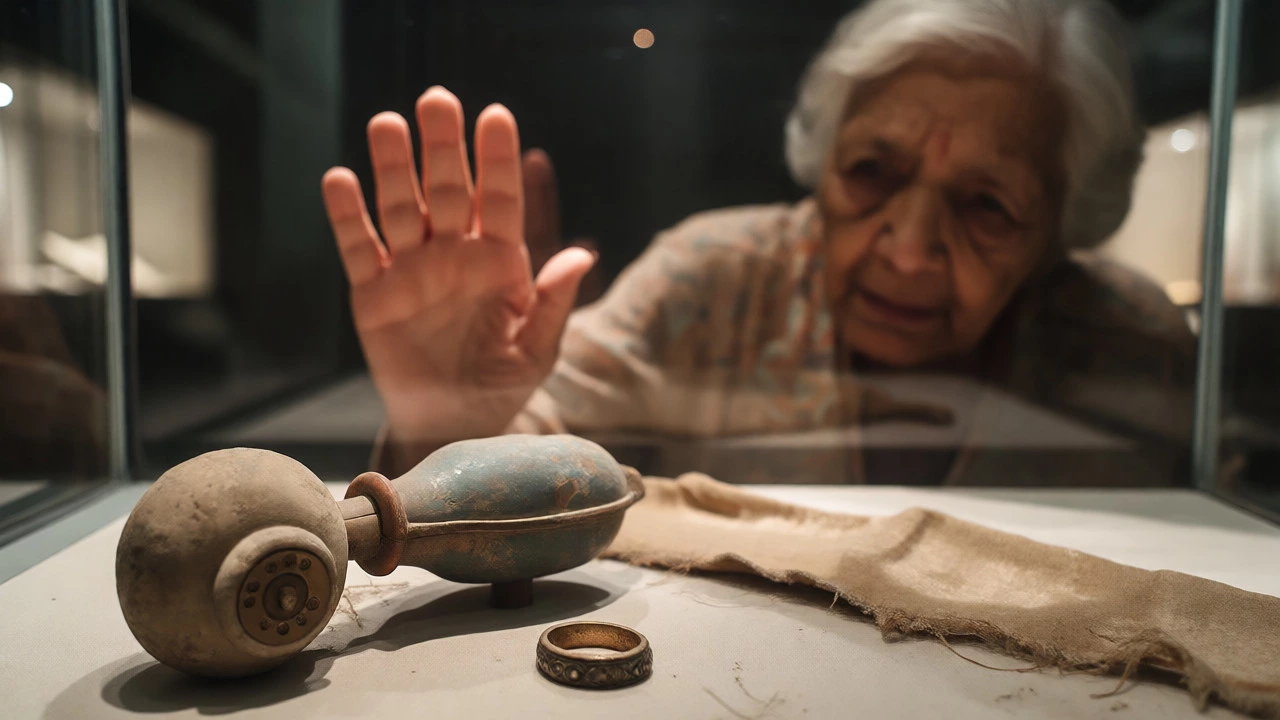
Consider the Partition Museum in Amritsar. It houses personal items left behind by refugees fleeing across the border. Seeing a child’s toy or a wedding ring evokes immediate empathy. Visitors are encouraged to leave their own messages of peace. This interactive element transforms passive observation into active participation in healing.
Beyond Death: Poverty and Industrial Dark Tourism
Dark tourism isn’t limited to battles and prisons. It also encompasses sites of industrial disaster and urban hardship. Dharavi in Mumbai is a prime example. Often labeled the largest slum in Asia, it is a hub of small-scale manufacturing. Tours here focus on resilience and community organization rather than pity. Critics argue that such tours can be exploitative, turning poverty into a spectacle. However, well-run tours emphasize dignity and highlight the entrepreneurial spirit of residents.
Similarly, the aftermath of natural disasters serves as a form of dark tourism. The Kutch Earthquake Memorial in Gujarat commemorates the 2001 quake that killed over 20,000 people. It stands as a reminder of nature’s power and the fragility of life. These sites teach humility and the importance of disaster preparedness.
Planning Your Dark Tourism Trip
If you plan to explore these sites, timing matters. Summer heat in North India can make outdoor memorials unbearable. October to March offers pleasant weather for walking tours. Book accommodations near historical districts to save time. For the Cellular Jail, check ferry schedules in advance, as they depend on weather conditions. Combine dark tourism with other cultural activities. After visiting Jallianwala Bagh, explore the Golden Temple nearby. The contrast between the serene spiritual center and the violent history of the massacre creates a powerful narrative arc. Similarly, pair the Cellular Jail with the natural beauty of Havelock Island. This balance prevents emotional fatigue.
Remember, dark tourism is not about seeking thrills. It is about bearing witness. By visiting these places, you acknowledge the pain of the past and honor those who endured it. You become part of the memory, ensuring that these stories are not forgotten in the rush of modern development.
Is dark tourism suitable for children?
It depends on the age and maturity of the child. Older children (10+) can benefit from the historical lessons, especially at sites like the Cellular Jail or Jallianwala Bagh. Younger children might find the atmosphere heavy or confusing. Parents should prepare them beforehand with simple explanations of the history.
Do I need a guide for dark tourism sites?
While not always mandatory, a guide significantly enhances the experience. Guides provide oral histories, anecdotes, and context that plaques miss. At complex sites like the Cellular Jail or Dharavi, a guide ensures you understand the layout and significance of specific areas.
Is Bhangarh Fort actually haunted?
Legends say it is cursed, and local authorities prohibit entry after sunset. Historically, it was abandoned due to famine and conflict. Whether you believe in ghosts or not, the eerie silence and ruined structures create a haunting atmosphere that fits the dark tourism theme perfectly.
How much does it cost to visit these sites?
Costs vary widely. Jallianwala Bagh is free to enter. The Cellular Jail has a nominal entry fee plus ferry costs. Specialized tours in Dharavi or the Partition Museum may charge higher fees, ranging from $5 to $50 depending on the depth of the tour and group size.
What is the difference between dark tourism and heritage tourism?
Heritage tourism focuses on cultural preservation and aesthetic value. Dark tourism specifically targets sites associated with death, tragedy, or suffering. All dark tourism sites are heritage sites, but not all heritage sites are dark tourism destinations. For example, a palace is heritage; a battlefield is both.