Himalayan Peak Risk Comparator
Select a peak below to analyze its specific dangers compared to other major Himalayan giants.
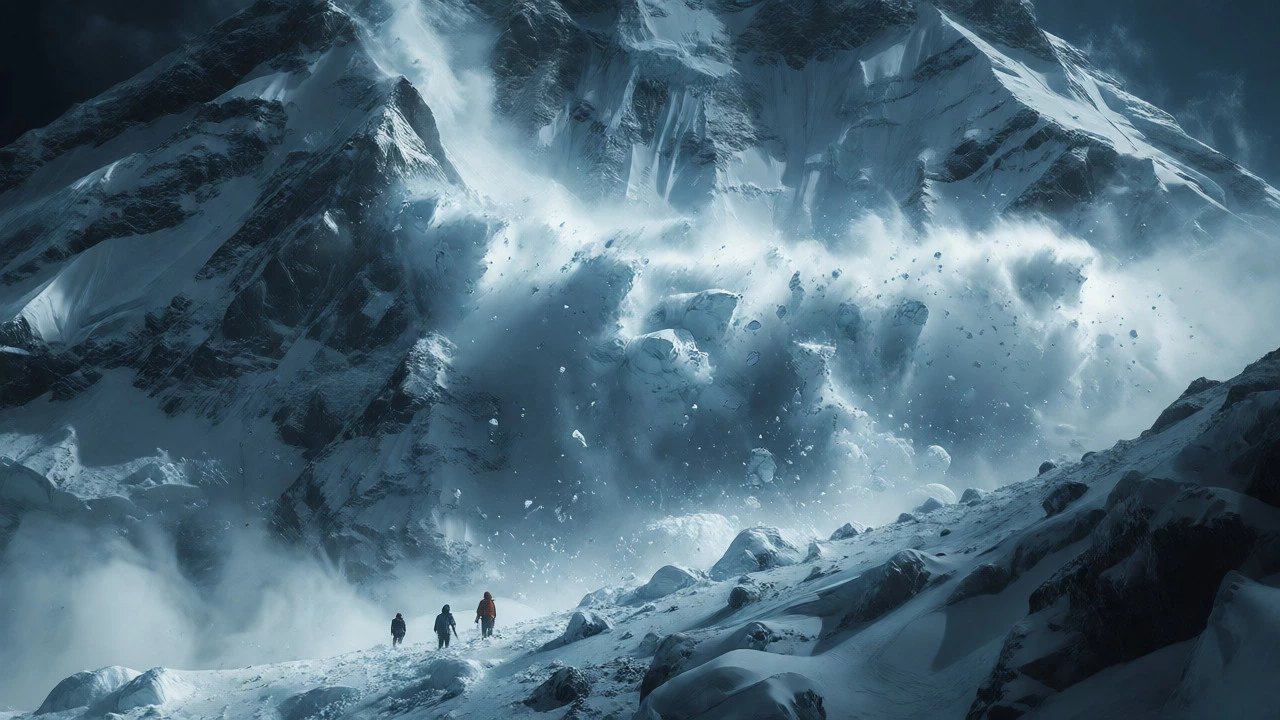
Annapurna is prone to massive avalanches due to unstable ice walls. The terrain shifts constantly, offering little mercy for climbers. While technically challenging, the sheer unpredictability of snow slides makes it statistically the deadliest per attempt.
Quick Comparison Guide
| Feature | Annapurna | K2 | Everest |
|---|---|---|---|
| Fatality % | ~32% | ~25% | ~4% |
| Main Killer | Avalanches | Weather/Exhaustion | Crowds/Altitude |
| Rescue | Hard | Very Hard | Moderate |
You might think Mount Everest is the most dangerous mountain on Earth. After all, it’s the highest, and we’ve all seen those photos of queues near the summit. But if you’re looking for the place where you are statistically most likely to die, you need to look away from the world’s tallest peak. The answer to what is the deadliest climb in the world isn’t a simple one, but the data points squarely at two names: Annapurna I and K2.
While Everest has become a commercialized highway with fixed ropes and Sherpa support, other peaks remain brutal, unforgiving tests of human endurance. For trekkers and climbers inspired by the rugged landscapes of the Indian Himalayas-like the challenging routes in Uttarakhand or Himachal Pradesh-understanding these giants provides crucial context. It’s not just about height; it’s about weather, avalanche risk, and rescue accessibility. Let’s break down why these specific mountains earn their deadly reputations and what makes them so different from your average trekking trail.
The Statistical Reality: Annapurna I
If we go strictly by numbers, Annapurna I is often cited as the deadliest mountain in the world. Located in Nepal, just west of the Kali Gandaki River, this peak holds an unenviable record. Historically, the fatality-to-summit ratio hovered around 32%. That means for every three people who reached the top, one didn’t make it back down. While recent improvements in logistics have lowered this number slightly, it remains significantly higher than any other 8,000-meter peak.
Why is it so lethal? It’s not because it’s the hardest technically-some routes on K2 are more difficult. It’s because Annapurna is incredibly prone to avalanches. The south face is a massive wall of ice that shifts constantly. One wrong move, or one unexpected snowfall, can trigger slides that wipe out entire camps. Unlike Everest, where you can sometimes wait out bad weather in relative safety, Annapurna offers little mercy. The weather turns violent quickly, and the terrain is unstable. If you’re planning a high-altitude adventure, remember that stability matters more than elevation.
K2: The Savage Mountain
Then there is K2. Standing at 8,611 meters, it is the second-highest mountain on Earth, located on the border between Pakistan and China. Climbers call it "The Savage Mountain" for good reason. While Annapurna kills through avalanches and falls, K2 kills through sheer physical and mental exhaustion combined with extreme weather.
K2 sits deep within the Karakoram range, far from any road or village. This isolation is its biggest danger. If you get sick or injured on K2, help is days away. On Everest, a helicopter might reach Base Camp relatively quickly. On K2, you are on your own. The weather patterns here are notoriously unpredictable. Storms can trap climbers in the "Death Zone" (above 8,000 meters) for days, leading to frostbite, hypothermia, and cerebral edema. The technical difficulty is also higher; steep rock faces and seracs (ice towers) create constant hazards. Many experienced climbers argue that while Annapurna is statistically deadlier per attempt, K2 is psychologically harder to survive.
Comparing the Giants: Annapurna, K2, and Everest
To really understand the risk, you have to compare these peaks side-by-side. It helps to visualize the differences in environment, rescue capability, and objective hazards. Here is how the three most famous 8,000-meter peaks stack up against each other.
| Feature | Annapurna I | K2 | Mount Everest |
|---|---|---|---|
| Elevation | 8,091 m | 8,611 m | 8,849 m |
| Fatality Rate (Historical) | ~32% | ~25% | ~4% |
| Primary Danger | Avalanches | Weather & Isolation | Crowds & Altitude Sickness |
| Rescue Access | Difficult | Very Difficult | Moderate (Helicopter possible) |
| Technical Difficulty | High | Extreme | Moderate (Standard Route) |
Notice the stark difference in fatality rates. Everest’s low percentage doesn’t mean it’s safe-it’s just heavily managed. Thousands of people attempt it every year, many with guided teams. Annapurna and K2 see fewer attempts, and those attempts are usually by serious alpinists who take bigger risks. When you look at Indian trekking destinations like Nanda Devi or Kamet, they share some characteristics with these giants: remote locations and limited rescue infrastructure. Understanding the risks of Annapurna helps you appreciate why permits for certain Indian high-altitude zones are so tightly controlled.
Why Are These Mountains So Dangerous?
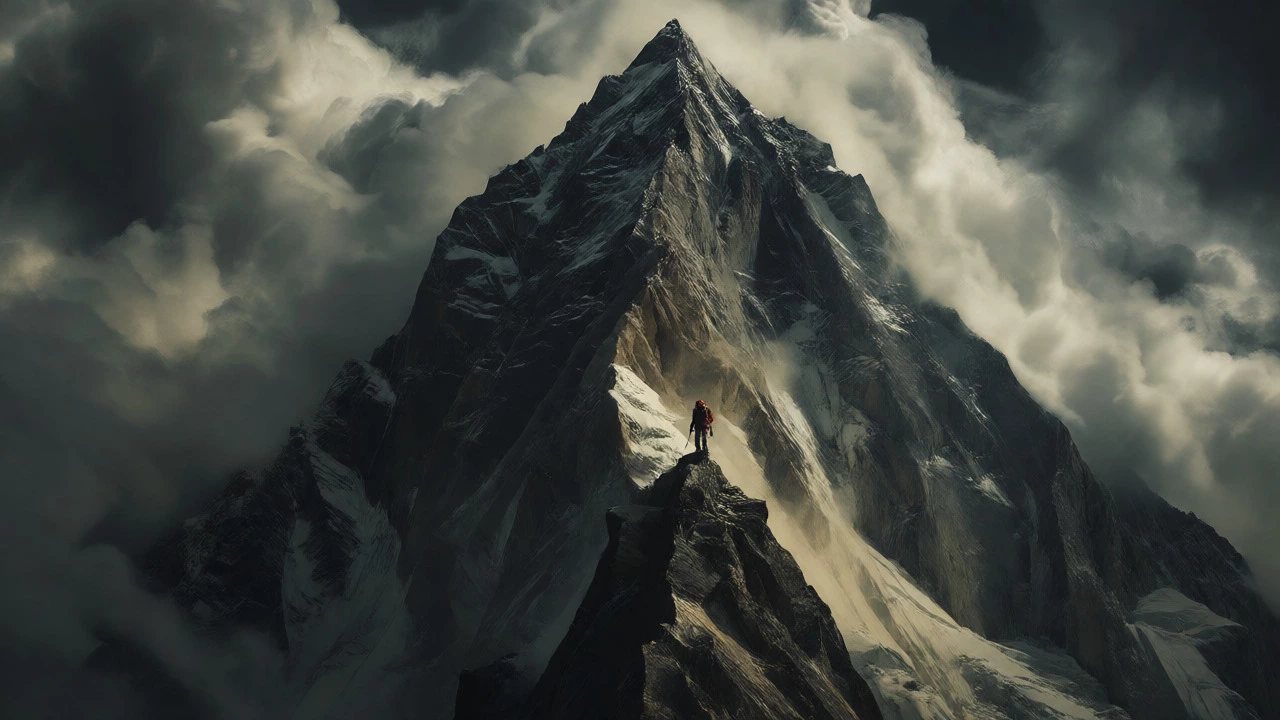
It’s easy to blame the cold, but the real killers are more complex. At altitudes above 8,000 meters, your body begins to shut down. Oxygen levels drop to about one-third of sea level. Your brain swells, your judgment clouds, and your coordination fails. This is the Death Zone. You aren’t supposed to stay there long. Most deaths happen during descent, when climbers are exhausted, running low on oxygen, and making poor decisions.
On Annapurna, the terrain itself is the enemy. The slopes are steep and covered in loose ice. A small slip can lead to a fatal fall into a crevasse. On K2, it’s the wind. Gusts can reach hurricane speeds, blowing climbers off ledges. Then there’s the psychological toll. Seeing bodies left on the mountain serves as a grim reminder of mortality. For trekkers in India, such as those heading to Valley of Flowers or Rupin Pass, the stakes are lower, but the principles remain: respect the weather, acclimatize properly, and know your limits.
Lessons for Indian Trekkers
You don’t need to climb Annapurna to learn from its dangers. The Indian Himalayas offer plenty of challenging treks that require similar preparation. Take the Hampta Pass Trek in Himachal Pradesh. It involves crossing a high pass at over 4,200 meters. Weather changes rapidly, and river crossings can be treacherous after monsoon rains. Or consider the Markha Valley Trek in Ladakh. The altitude is significant, and the remoteness means medical help is scarce.
What separates successful trekkers from those who end up in trouble? Preparation. Research the history of the route. Check recent trip reports. Look for signs of instability, like fresh landslide scars or unusual snow patterns. Hire local guides who know the micro-climates of the region. In places like Trekking in Uttarakhand, local knowledge is invaluable. They know which paths flood during the afternoon rain and which campsites are safe from rockfalls.
How to Stay Safe on High-Altitude Adventures
Whether you are aiming for the base camp of K2 or just tackling a high pass in Sikkim, safety protocols are non-negotiable. First, acclimatization is key. Don’t rush upward. Follow the rule: never increase your sleeping altitude by more than 500 meters per day once you are above 3,000 meters. Rest days are not optional; they are part of the climb.
Second, invest in proper gear. Cold weather kills slowly. Hypothermia sets in when you are wet and windy. Carry layers that wick moisture, insulate heat, and block wind. Third, monitor your health. Learn the signs of Acute Mountain Sickness (AMS): headache, nausea, dizziness. If symptoms worsen, descend immediately. No summit is worth your life.
Finally, respect the local culture and regulations. In India, many high-altitude areas require special permits. These aren’t just bureaucratic hurdles; they ensure you are prepared and insured. Skipping them can leave you stranded without support in case of emergency.
Frequently Asked Questions
Is Mount Everest still the deadliest mountain?
No, historically Annapurna I has had a higher fatality-to-summit ratio. While Everest sees more total deaths due to the sheer volume of climbers, the percentage of climbers who die is much lower compared to Annapurna or K2.
Why is K2 considered harder than Everest?
K2 is steeper, more exposed to severe weather, and lacks the established infrastructure of Everest. There are no fixed ropes on most sections, rescue options are minimal, and the technical rock and ice climbing required is significantly more demanding.
Can beginners attempt climbs like Annapurna?
Annapurna Base Camp is a popular trek suitable for fit beginners. However, climbing Annapurna I (the summit) requires advanced mountaineering skills, experience with crampons and ice axes, and prior high-altitude exposure. It is not a beginner activity.
What are the safest high-altitude treks in India?
Trekking routes like the Valley of Flowers in Uttarakhand or the Tarsar Marsar trek in Kashmir are generally safer than high-pass crossings. They involve lower maximum altitudes, better access to villages, and established trails with regular foot traffic, reducing the risk of isolation-related emergencies.
How does climate change affect these deadly climbs?
Climate change is increasing glacial melt and instability. On mountains like Annapurna and K2, warmer temperatures cause ice bridges to collapse and avalanches to occur more frequently. This unpredictability adds a new layer of risk even for experienced climbers.