Honeymoon Duration Planner
Your Travel Profile
Trip Feasibility Score
-- / 100
The Quick Getaway (5-7 Days)
EfficientBest for domestic trips or nearby international spots. High energy, lower total cost.
The Sweet Spot (10-14 Days)
RecommendedIdeal for international travel. Allows time to recover from jet lag and explore deeply.
The Extended Escape (21+ Days)
LuxuryPerfect for sabbaticals or multi-continent tours. Requires high budget and generous leave.
Enter your details to discover the perfect honeymoon duration for you.
There is no single "right" answer to how long a honeymoon should last. The perfect duration depends entirely on your budget, your vacation time allowance, and the distance you are traveling. However, industry standards and traveler experiences suggest that honeymoon length typically falls into three distinct categories: the quick getaway (5-7 days), the standard trip (10-14 days), and the extended adventure (21+ days). Understanding which category fits your lifestyle is the first step in planning a stress-free post-wedding escape.
The 7-Day Standard: Quick, Intense, and Efficient
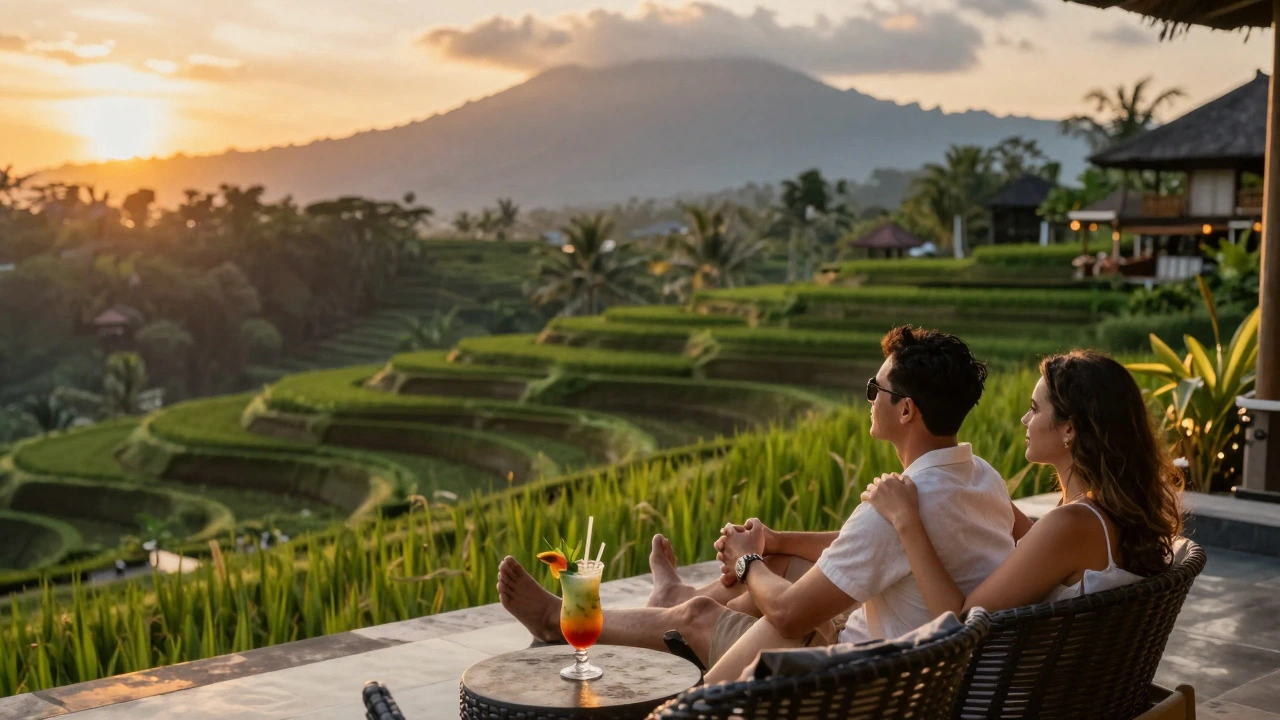
For many couples, especially those working in corporate environments with limited paid time off, a one-week honeymoon is the practical choice. This duration works exceptionally well for domestic travel or nearby international destinations where flight times are under six hours. Think of trips to places like Bali from Australia, Mexico City from the US East Coast, or the Amalfi Coast from Northern Europe.
| Aspect | Benefit | Challenge |
|---|---|---|
| Budget | Lower total cost; easier to justify financially | Daily costs may be higher due to premium accommodation needs |
| Pacing | High energy; every moment feels special | Risk of burnout if trying to see too much |
| Logistics | Easier to book; less disruption to work life | Less buffer time for delays or relaxation |
The key to making a week-long trip work is restraint. Do not try to visit three countries. Instead, pick one base location-perhaps a luxury resort in Phuket or a boutique hotel in Tuscany-and stay there. This eliminates packing and unpacking, allowing you to actually relax rather than manage logistics. If you choose this route, aim for a destination that offers diverse activities within a small radius so you don't feel like you're missing out by staying put.
The 10-to-14 Day Sweet Spot: Balance and Depth
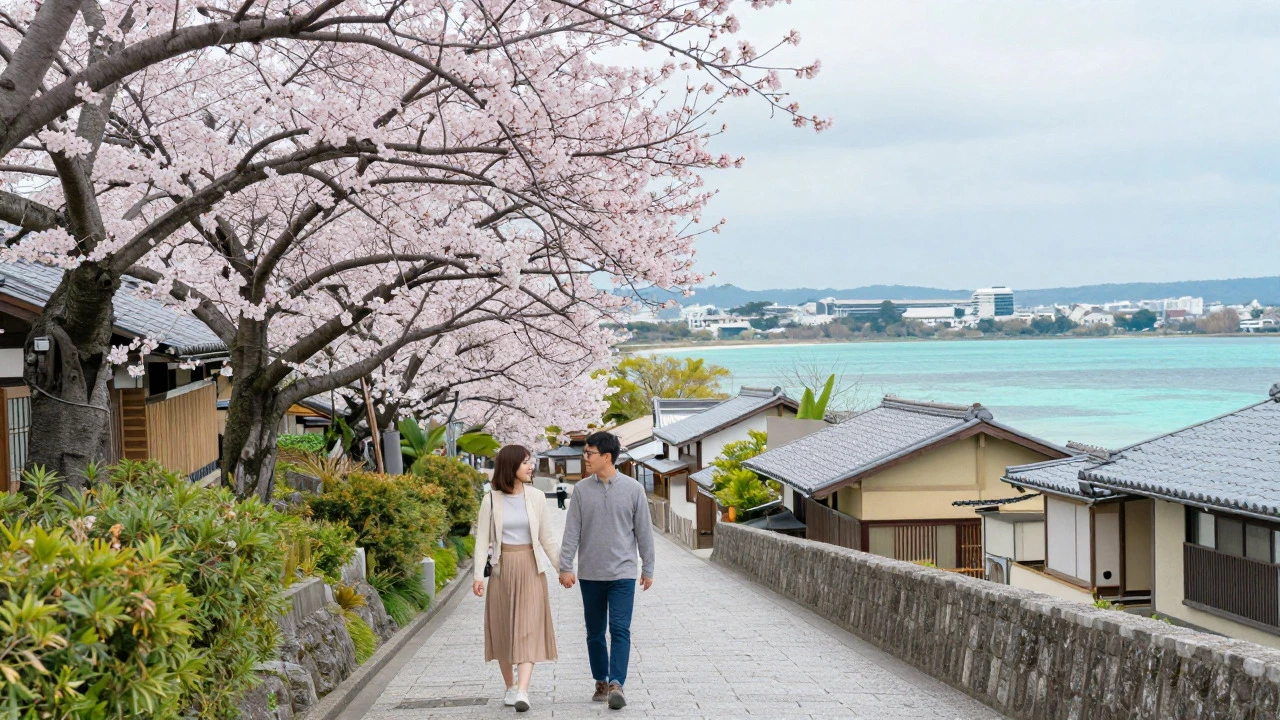
Two weeks is widely considered the ideal honeymoon length for international travel. It provides enough time to overcome jet lag, settle into a rhythm, and truly immerse yourself in a new culture without feeling rushed. This duration allows for a multi-destination itinerary, such as spending five nights in Paris followed by seven nights in the French Riviera, or exploring the historical sites of Kyoto before relaxing in Okinawa.
This timeframe strikes a balance between novelty and comfort. The first few days are often spent adjusting to the new environment, dealing with minor travel hiccups, or simply recovering from wedding festivities. By day five or six, you hit your stride. The remaining week allows for deeper exploration, whether that means taking cooking classes, hiking national parks, or simply enjoying slow mornings with coffee on a balcony. For long-haul flights exceeding eight hours, two weeks is highly recommended to ensure the travel time doesn't eat up half your experience.
The Extended Escape: 21 Days and Beyond
If you have the financial flexibility and generous leave policies, extending your honeymoon to three weeks or more transforms the trip from a vacation into a sabbatical. This is particularly effective for couples who want to visit multiple continents or engage in slow travel. Imagine starting in India, moving through Southeast Asia, and ending in Oceania. With this amount of time, you can afford to linger in each place, forming genuine connections with locals and experiencing daily life rather than just sightseeing.
Extended honeymoons also offer significant cost advantages per night. Many hotels and resorts offer weekly or monthly rates that are substantially lower than nightly bookings. Additionally, you avoid the fatigue of constant movement. The downside is the logistical complexity. You need to plan carefully to ensure you don't run out of funds or face visa restrictions. Countries like Thailand, Vietnam, and Indonesia are popular for these longer stays due to their affordability and ease of inter-island or inter-city transport.
Key Factors Influencing Your Decision
When deciding on your timeline, consider these critical variables:
- Vacation Time Availability: Be realistic about what your employer allows. Taking four weeks off might require burning through all your annual leave plus unpaid time, which could impact your finances.
- Flight Duration: If your flight takes 12+ hours, factor in at least two full days for recovery. A 7-day trip with a 14-hour flight leaves you with only five days of actual enjoyment, which can feel cramped.
- Budget Constraints: Longer trips mean more meals, more activities, and more accommodation nights. Calculate your daily spend limit and multiply it by the number of days to see if it fits your post-wedding budget.
- Travel Style: Are you adrenaline junkies who want to hike, dive, and party? Or do you prefer spa days and reading books? Active travelers often need more days to fit everything in, while relaxation-focused couples might find 10 days sufficient.
Common Mistakes to Avoid
One of the biggest errors couples make is overpacking their itinerary. Just because you have 14 days doesn't mean you need 14 different activities scheduled. Leave blank spaces in your calendar. Some of the best honeymoon memories come from spontaneous decisions, like wandering into a local market or staying in bed until noon. Another mistake is underestimating the emotional toll of travel. Even when things go right, navigating foreign languages, currency exchanges, and transportation systems can be draining. Build in rest days, especially after long flights or intense sightseeing days.
Also, consider the season. Traveling during peak tourist seasons can mean crowds and higher prices, which might shorten your desired stay if you run out of money faster than expected. Off-season travel can stretch your budget further, allowing for a longer trip without sacrificing quality.
Tailoring the Length to Specific Destinations
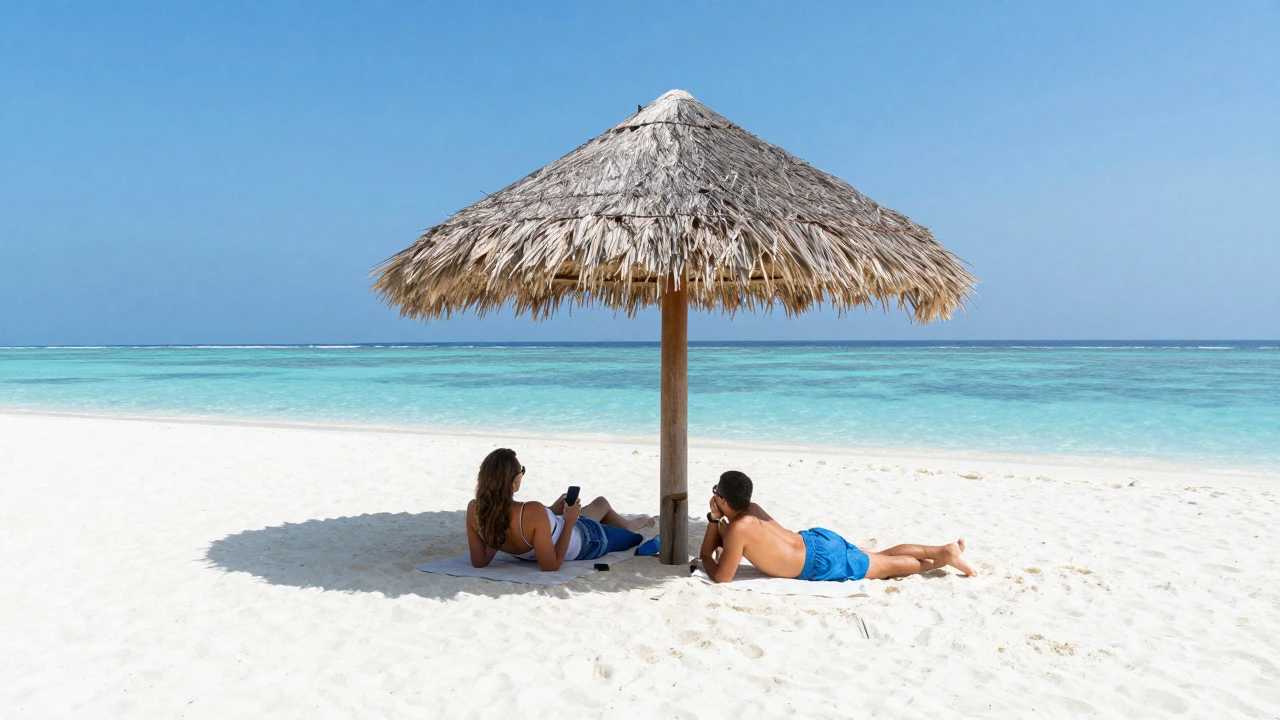
Certain destinations naturally lend themselves to specific durations. For example, a city break in Rome or London can be satisfying in 5-7 days if you focus on major landmarks and dining. In contrast, vast countries like India, Australia, or the USA require at least 10-14 days to appreciate even a fraction of their diversity. Island destinations like the Maldives or Fiji are designed for relaxation; staying longer than a week allows you to truly disconnect from technology and reconnect with your partner.
If you are considering a cruise as part of your honeymoon, note that cruises often have fixed itineraries ranging from 7 to 14 days. These provide a structured pace, which can be helpful if you dislike planning details. However, they may lack the spontaneity and deep cultural immersion of land-based travel.
Making the Most of Any Duration
Regardless of whether you choose 7 days or 21, the success of your honeymoon hinges on preparation and mindset. Book accommodations in advance, especially for popular dates. Research local customs to avoid faux pas. Pack light to minimize stress at airports. Most importantly, communicate with your partner about expectations. Discuss what you both hope to achieve-whether it's adventure, romance, or pure rest-and align your itinerary accordingly. Remember, the goal is to start your marriage on a positive, relaxed note, not to check off a bucket list.
Is 7 days enough for a honeymoon?
Yes, 7 days is sufficient for a focused, relaxing trip, especially if you are traveling to a nearby destination or sticking to one base location. It works well for couples with limited vacation time or tighter budgets. The key is to avoid over-scheduling and prioritize relaxation over sightseeing.
What is the average honeymoon length?
The average honeymoon lasts between 8 and 10 days. This duration balances the desire for a substantial break with practical constraints like work commitments and budget. It allows for a mix of travel time, adjustment period, and actual leisure activities.
Should I extend my honeymoon if I am traveling internationally?
If your flight time exceeds 8 hours, extending your trip to at least 10-14 days is advisable. Long-haul travel causes fatigue and jet lag, which can ruin the first few days of a short trip. Extra time allows you to recover and fully enjoy the destination.
How does budget affect honeymoon length?
Budget directly limits your options. Longer trips require more funds for accommodation, food, and activities. However, some destinations offer better value for longer stays, such as weekly rental discounts. Calculate your daily spend limit to determine a realistic duration that won't cause financial stress post-trip.
Can I combine a honeymoon with other travel plans?
Absolutely. Many couples extend their honeymoon into a longer vacation, visiting family or exploring additional regions afterward. Just ensure the core honeymoon portion remains focused on the couple, with dedicated romantic activities and privacy, before transitioning to other travel modes.