Low-Impact Activity Calculator
Select Your Activities
Joint Impact Assessment
Select activities and time to see your joint impact score
When you’re looking to stay active without wrecking your knees, back, or joints, the question isn’t just what sport is easiest on the body-it’s which one actually lets you keep moving for years without pain. Too many people think exercise means pushing through discomfort, but that’s not true. Some of the most effective, sustainable workouts barely register as effort-yet deliver real results.
Walking: The Forgotten Powerhouse
Walking isn’t glamorous. No trophies, no Instagram reels, no sweat-drenched selfies. But it’s the most joint-friendly activity on the planet. A 2023 study from the American College of Sports Medicine tracked 12,000 adults over five years. Those who walked at least 30 minutes a day had 40% fewer joint issues than those who did high-impact sports like running or basketball. Walking doesn’t slam your hips or compress your spine. It’s steady. It’s silent. It’s sustainable.
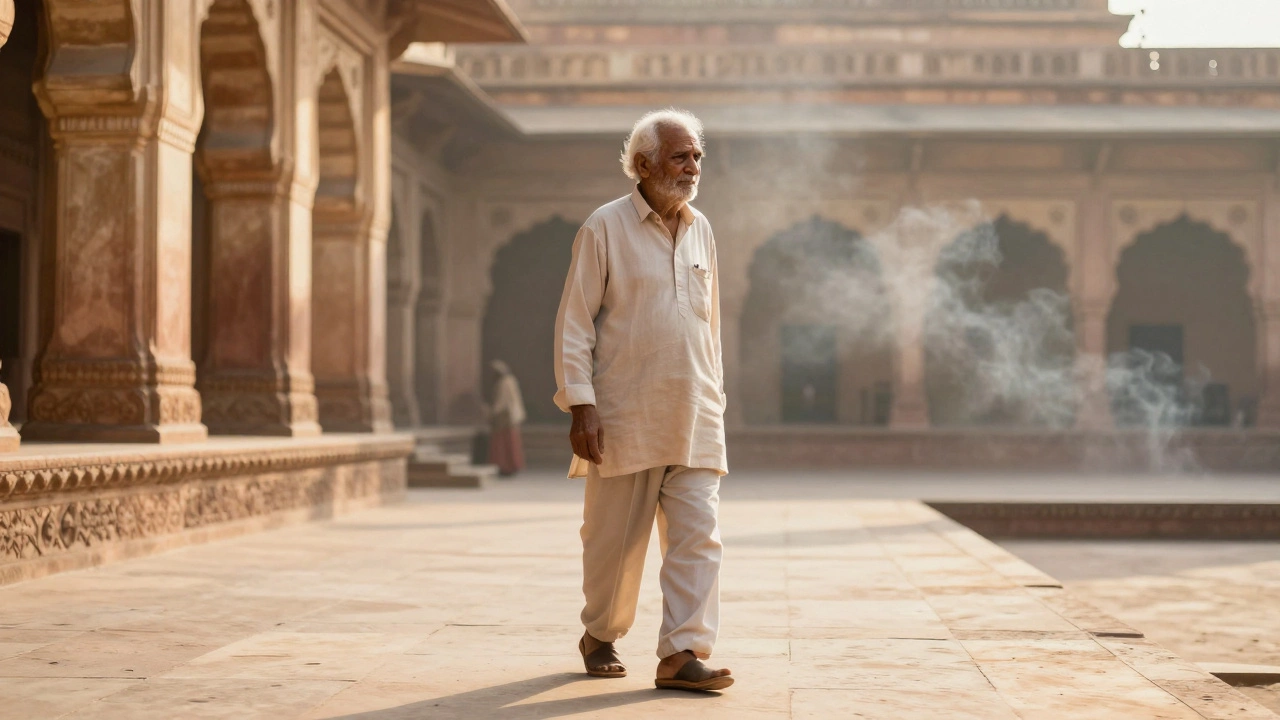
You can do it anywhere. In a park, on a beach, through a temple courtyard in Jaipur, or along the backstreets of Cochin. No equipment needed. No gym membership. Just shoes and a little time. Start with 15 minutes. Build to 45. Your body will thank you in 10 years.
Swimming: Zero Gravity, Full Body
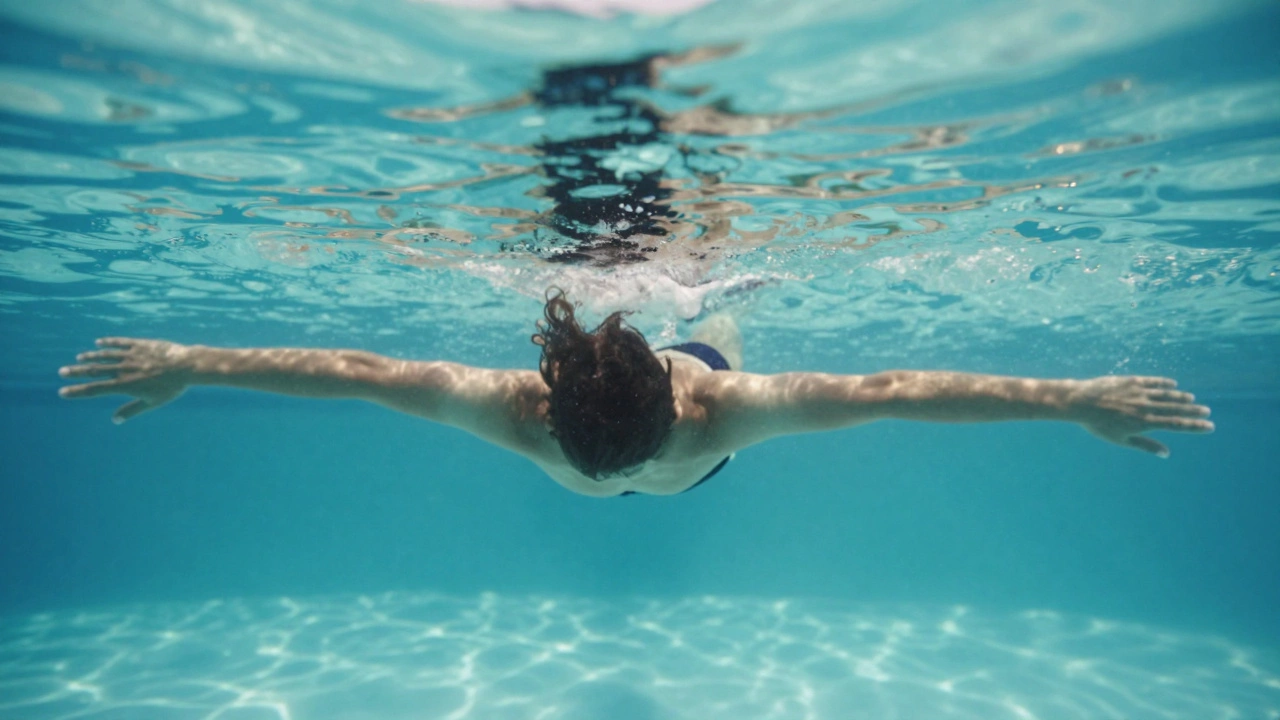
Water takes your weight away. That’s the magic. Swimming doesn’t just ease stress on your joints-it removes it. The buoyancy of water supports your spine, hips, and knees, letting you move freely without grinding bone on bone. A 2024 review in the Journal of Sports Rehabilitation found swimmers reported 60% less chronic pain than runners or cyclists with similar activity levels.
It’s also one of the few full-body workouts that builds endurance, strength, and flexibility at once. You’re not just moving your arms and legs-you’re engaging your core, stabilizing your shoulders, and controlling your breath. Even the breaststroke, often called the slowest stroke, is gentle on the neck and lower back if done with proper form.
If you’re in India and near a pool, lake, or beach, swimming is a no-brainer. Public pools in cities like Pune, Ahmedabad, or even Goa often have early morning sessions with low crowds. No need to be fast. Just consistent.
Cycling: Smooth Motion, Low Shock
Cycling is where physics meets comfort. The seated position takes pressure off your spine. The pedaling motion is circular, not jarring. Unlike running, where your feet hit the ground with up to three times your body weight, cycling applies smooth, continuous force. A 2022 study from the University of California found cyclists had significantly lower rates of hip and knee osteoarthritis compared to runners.
Choose a hybrid or comfort bike with upright handlebars. Avoid aggressive road bikes that force you into a hunched position. Adjust your seat so your knee is slightly bent at the bottom of the pedal stroke-this prevents strain. Even a 20-minute ride around a quiet neighborhood or along the backwaters of Kerala counts.
And if you’re worried about traffic? Many Indian cities are adding bike lanes. Delhi’s cycle tracks, Bengaluru’s Green Belt, and even smaller towns like Mysore now have safe, car-free paths perfect for low-impact rides.
Elliptical Training: The Gym’s Best-Kept Secret
If you’re stuck indoors, the elliptical machine is your best friend. It mimics walking or running-but without impact. Your feet never leave the pedals. No pounding. No jolts. Just smooth, gliding motion that works your legs, arms, and heart.
Many people skip the elliptical because it feels too easy. But that’s the point. You can go longer. You can go more often. A 40-minute session burns as many calories as a 30-minute run, but leaves your joints untouched. It’s ideal for people recovering from injury, managing arthritis, or just tired of feeling sore after every workout.
Set the resistance low. Focus on posture. Keep your shoulders relaxed. Don’t grip the handles like you’re trying to lift weights. Let the machine do the work. Even 20 minutes three times a week makes a difference.
Tai Chi and Qigong: Movement as Medicine
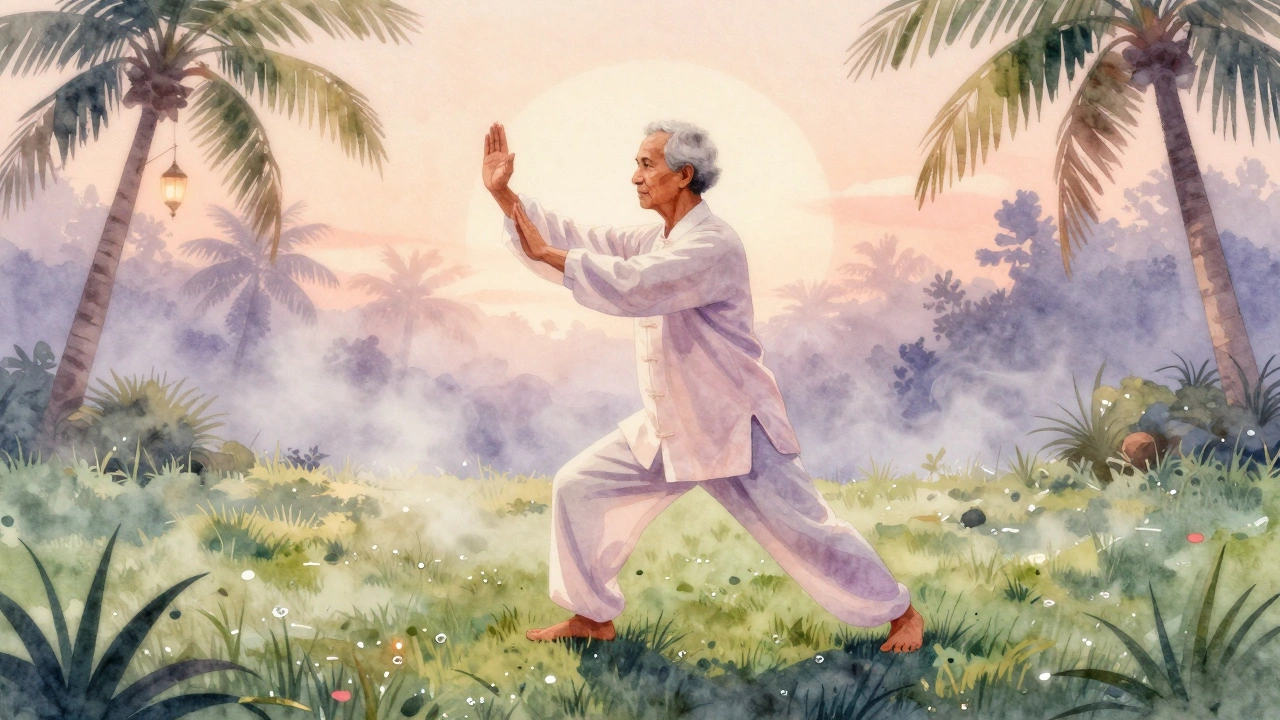
These ancient Chinese practices aren’t sports in the Western sense. But they’re among the most effective low-impact activities for long-term health. Tai Chi moves are slow, controlled, and flowing. They improve balance, reduce stiffness, and calm the nervous system-all without raising your heart rate too high.
A 2023 meta-analysis in the British Journal of Sports Medicine showed older adults who practiced Tai Chi twice a week cut their risk of falls by nearly 50%. That’s not just about safety-it’s about independence. You stay mobile. You stay confident.
Many yoga studios in India now offer Tai Chi or Qigong classes. Look for sessions labeled "gentle" or "senior-friendly." Even 15 minutes a day, done quietly in your backyard or hotel room, adds up. You don’t need a mat. You don’t need a class. Just breathe and move.
Why High-Impact Sports Are Riskier Than You Think
Running, jumping, tennis, and HIIT workouts aren’t bad. But they’re not gentle. Each footstrike sends shockwaves through your body. Over time, that adds up. A 2021 study from the Arthritis Foundation found that 30% of regular runners over 45 developed knee pain severe enough to limit activity. That number jumps to 50% for those who started running in their 20s and kept going.
It’s not about being weak. It’s about biology. As we age, cartilage thins. Ligaments lose elasticity. Muscles don’t recover as fast. Pushing through pain isn’t toughness-it’s self-sabotage. The goal isn’t to be the fastest or strongest. It’s to move for life.
What to Avoid (Even If It Looks Fun)
Some activities look easy but aren’t. Skiing? High risk for knee twists. Rock climbing? Puts massive strain on fingers, shoulders, and wrists. Ziplining? Sudden stops can jar your spine. Even yoga, if done aggressively, can hurt your lower back or hips if you’re not warmed up.
Stick to activities where your body feels supported, not stressed. If your joints ache during or after, it’s a sign. Not to push harder-but to switch.
How to Start Without Overdoing It
Here’s the simple rule: Move daily, but never to pain. Start with 10-15 minutes. Do it three days a week. If you feel good, add a day. If you feel stiff, take a rest. No guilt. No pressure.
Track your progress not by distance or speed, but by how you feel. Can you climb stairs without catching your breath? Can you get up from a chair without using your hands? Can you walk for an hour without needing to sit? Those are real wins.
And if you’re traveling in India? Bring your walking shoes. Find a quiet temple courtyard. Walk slowly. Watch the light change. Let the rhythm of your steps become your meditation. That’s fitness. That’s life.
Bottom Line: The Easiest Sport Is the One You’ll Keep Doing
The best exercise isn’t the hardest. It’s the one you’ll still be doing at 60, 70, 80. Walking, swimming, cycling, elliptical, Tai Chi-they’re not flashy. But they’re reliable. They don’t burn you out. They don’t break you down. They just keep you moving.
Choose one. Stick with it. Don’t chase intensity. Chase consistency. Your body will carry you farther than any trophy ever could.
Is walking really good for your joints?
Yes. Walking is one of the safest activities for joints because it’s low-impact and doesn’t slam your body with force. Studies show regular walkers have fewer joint problems than runners or people who do high-intensity sports. It strengthens muscles around the knees and hips without wearing them down.
Can swimming help with back pain?
Absolutely. Water supports your spine, reducing pressure on discs and nerves. Many physical therapists recommend swimming for people with chronic back pain because it builds core strength and improves posture without strain. The freestyle and backstroke are especially gentle on the lower back.
Is cycling better than running for knee health?
Yes. Cycling puts far less stress on the knees than running. Running creates impact forces up to three times your body weight with each step. Cycling applies smooth, circular pressure that strengthens the knee without grinding cartilage. For anyone with knee issues, cycling is the safer choice.
What’s the best low-impact exercise for seniors?
Walking and Tai Chi are the top choices. Both improve balance, reduce fall risk, and build endurance without stressing joints. Tai Chi also helps with coordination and mental calm. Many community centers in India offer free or low-cost classes designed specifically for older adults.
Can you lose weight with low-impact sports?
Yes, if you do them consistently. Weight loss comes from burning more calories than you consume-not from how hard you sweat. Swimming for 45 minutes burns about 400-500 calories. Walking an hour burns 250-350. Do that daily, pair it with healthy eating, and the scale will move. It’s slower than HIIT, but far more sustainable.
How often should you do low-impact exercise?
Aim for at least 150 minutes per week-that’s 30 minutes, five days a week. But even 10 minutes a day helps. The key is regularity, not intensity. If you miss a day, don’t stress. Just get back on track the next day. Movement, not perfection, is the goal.