
Honeymoon Budget Planner
Estimated Cost Breakdown
Staycation
Local hotel/Airbnb + cooking fancy meals + local exploration.
Domestic Road Trip
Driving fuel + mid-range hotels + mix of local restaurants.
Camping / Glamping
Campsite fees/glamping rental + outdoor cooking + nature activities.
International Resort (Traditional)
Flights + luxury accommodation + resort dining + tours.
Imagine this: you just got married. The confetti is still settling, the cake is gone, and everyone expects you to fly off to some exotic island with white sand and endless cocktails. But then you look at your bank account. It’s empty. Or worse, it’s barely covering the wedding costs. Panic sets in. You feel like you’ve failed because you can’t afford the traditional honeymoon is a post-wedding vacation taken by newlyweds to celebrate their marriage. Here’s the truth: you haven’t failed. You’re just practical. And honestly? Most couples who splurge on expensive trips end up stressed about money for months after they return.
You don’t need a private villa in Bali or a first-class ticket to Paris to have a meaningful start to your marriage. In fact, skipping the overpriced package might give you a better experience. So, what do you do when the budget says 'no' but your heart says 'yes'? Let’s break down realistic, romantic, and totally affordable ways to celebrate without going into debt.
Rethink the Definition of a Honeymoon
The biggest trap is thinking a honeymoon has to be a trip abroad. Society sells us an image that if it’s not Instagram-worthy, it doesn’t count. That’s nonsense. A honeymoon is simply time spent together, away from the chaos of wedding planning, to bond as a married couple. It’s about connection, not geography.
If you can’t afford to fly somewhere, don’t. Instead, focus on the quality of time. Maybe it’s a weekend where you turn off your phones, cook dinner together, and actually talk. Maybe it’s hiking a trail you’ve never explored. The goal isn’t to check a box; it’s to create a memory. When you remove the pressure of spending thousands of dollars, you free yourself to enjoy each other’s company. That’s worth more than any resort suite.
The Power of the Staycation
A staycation is a holiday spent at home or nearby, rather than traveling to a distant destination. sounds boring until you realize how much money you save. No flights, no airport security lines, no currency exchange fees. Just you, your partner, and a change of scenery within driving distance.
Here’s how to make a staycation feel special:
- Book a local boutique hotel or Airbnb. Even if it’s just two hours away, being out of your house changes your mindset. Look for places with a nice view or a cozy fireplace.
- Create a 'No-Work' Zone. Tell friends and family you’re unavailable. Use that time to reconnect. Play board games, read together, or take long walks.
- Cook a fancy meal. Skip the restaurant. Buy good ingredients, light some candles, and prepare a three-course meal. It feels luxurious and costs a fraction of dining out.
- Explore your own city like tourists. Visit museums, parks, or cafes you usually ignore. Seeing your hometown through fresh eyes can be surprisingly romantic.
I’ve seen couples spend $50 on a staycation and have a better time than those who spent $5,000 abroad. Why? Because they weren’t worrying about the bill. They were present.
Domestic Travel: Closer Than You Think
If you want to travel, keep it domestic. Flying internationally adds hundreds, sometimes thousands, to your cost. Staying within your country cuts transportation costs significantly. Plus, you avoid jet lag, which means you actually enjoy your trip instead of sleeping through it.
Look for hidden gems in your region. For example, if you live in Australia, consider the Gold Coast or Byron Bay instead of Fiji. If you’re in the US, think about national parks or small towns in the Appalachians. These places offer beauty, adventure, and romance without the premium price tag of popular international hubs.
Tips for cheap domestic travel:
- Travel during shoulder season. Avoid peak holidays. Prices drop, crowds thin out, and locals are friendlier.
- Use public transport or drive. Renting a car can be expensive. Trains or buses often provide scenic routes and save money.
- Eat like a local. Skip tourist traps. Go to markets, food stalls, and family-owned restaurants. The food is better and cheaper.
Work Exchange Programs: Trade Time for Accommodation
This is one of my favorite options for budget-conscious couples. Platforms like Workaway is an online community that connects travelers with hosts who offer accommodation and food in exchange for help with various tasks. or WWOOF is World Wide Opportunities on Organic Farms, a network that allows people to learn organic farming methods while providing labor on farms. let you trade a few hours of work per day for free lodging and meals. Yes, you’re working, but you’re also experiencing life in a new place deeply.
Imagine staying on an organic farm in Tuscany, helping with harvests, and eating homemade pasta every night. Or volunteering at a hostel in Thailand, cleaning rooms in the morning, and exploring temples in the afternoon. This isn’t just saving money; it’s building character and shared memories through effort. Many hosts appreciate the extra hands, and you get a unique perspective that tourists miss.
Just be clear about expectations. Agree on hours, tasks, and amenities upfront. Some programs offer full board (meals included), others only accommodation. Read reviews carefully to ensure the host is reliable.
Camping and Glamping: Nature’s Luxury
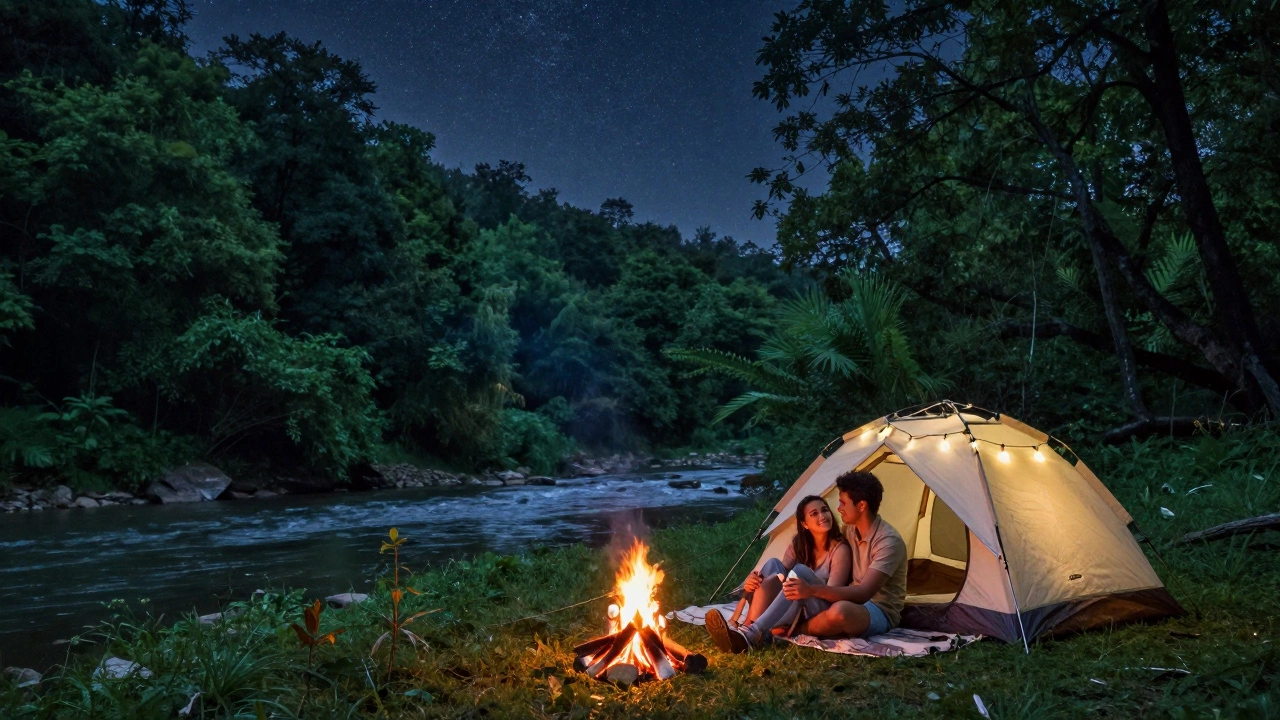
Nature is free. Well, mostly. Camping is one of the cheapest ways to disconnect and reconnect. You don’t need expensive gear either. Borrow a tent from a friend, use sleeping bags you already own, and pack simple meals. The key is getting away from screens and noise.
If roughing it isn’t your style, try glamping. Glamping is glamorous camping, combining the comfort of hotels with the outdoor experience of camping. offers tents with beds, electricity, and sometimes even hot tubs. Prices vary, but many glamping sites are more affordable than hotels, especially in rural areas. You get the romance of stars above you without the discomfort of sleeping on rocks.
Pro tip: Check state or national park websites for discounted passes. An annual pass might pay for itself if you plan multiple trips. Also, look for campsites with fire pits. Nothing beats roasting marshmallows under the sky.

Delay the Trip: Save First, Play Later
There’s no rule saying you must go on your honeymoon immediately after the wedding. In fact, waiting can be smarter. Wedding expenses often drain savings. Give yourself six months to a year to rebuild your finances. Set up a dedicated honeymoon fund. Automate small transfers-$50 a week adds up quickly.
When you delay, you can also wait for sales. Flight prices fluctuate. Hotels run promotions. By being patient, you might secure a deal that makes your dream destination affordable. Plus, you’ll go with less financial stress, which enhances enjoyment.
Communicate this plan to family and friends. Some might gift you cash or travel vouchers instead of physical presents. Make it known that experiences matter more to you than toaster ovens.
Comparison: Traditional vs. Budget Honeymoons
| Option | Estimated Cost (USD) | Pros | Cons |
|---|---|---|---|
| International Resort | $3,000 - $10,000+ | Luxury, convenience, iconic photos | High cost, crowded, stressful planning |
| Staycation | $100 - $500 | Very low cost, flexible, relaxing | Limited novelty, requires creativity |
| Domestic Road Trip | $500 - $1,500 | Scenic, freedom, moderate cost | Driving fatigue, limited luxury |
| Work Exchange | $0 - $300 (travel only) | Free accommodation, cultural immersion | Requires work, variable conditions |
| Camping/Glamping | $200 - $800 | Nature, privacy, low cost | Weather dependent, basic amenities |
Making the Most of Limited Funds
No matter which option you choose, maximize value. Pack snacks to avoid expensive impulse buys. Bring reusable water bottles. Download offline maps to save data. Learn basic phrases if traveling abroad-it shows respect and often leads to better service.
Focus on activities that cost little but mean a lot. Sunrise hikes, beach picnics, stargazing, writing letters to each other. Romance isn’t bought; it’s built. Your future self will thank you for prioritizing peace over prestige.
Is it normal to skip a traditional honeymoon?
Absolutely. Many couples skip traditional honeymoons due to budget constraints, health issues, or personal preference. What matters is celebrating your union in a way that feels authentic to you. There’s no universal standard for success.
How can I convince my partner to accept a budget honeymoon?
Start with open communication. Share your financial goals and fears. Emphasize that the focus is on bonding, not spending. Suggest compromises, like a shorter trip or a different destination. Show enthusiasm for the alternative plan so they see it as exciting, not disappointing.
Are work exchanges safe for couples?
Generally yes, if you research thoroughly. Read recent reviews, verify host identities, and communicate clearly before arrival. Stick to reputable platforms like Workaway or WWOOF. Trust your instincts-if something feels off, walk away. Safety should never be compromised for savings.
Can a staycation really be romantic?
Yes, if you put effort into creating atmosphere. Decorate your space, dress up, cook special meals, and eliminate distractions. Romance comes from intentionality, not location. A well-planned staycation can foster deeper intimacy than a rushed overseas trip.
Should I delay my honeymoon to save money?
Delaying can be wise if it prevents debt. Use the time to build a dedicated fund. Set automatic transfers and track progress. When you finally go, you’ll enjoy it more knowing you paid for it comfortably. Patience pays off in reduced stress and enhanced enjoyment.
What are some free romantic activities for a honeymoon?
Try sunrise hikes, beach walks, stargazing, cooking together, visiting free museums, writing love letters, or having a picnic in a park. These activities require minimal money but create lasting memories. Focus on presence and connection rather than expense.
How do I handle family pressure for an expensive honeymoon?
Politely but firmly set boundaries. Explain your financial priorities and values. Remind them that your happiness doesn’t depend on spending. If gifts are offered, suggest contributions to a honeymoon fund instead. Most families respect honesty and clarity.
Is camping suitable for a honeymoon?
Camping can be wonderful if you enjoy nature and simplicity. It offers privacy, tranquility, and affordability. Choose established campgrounds with facilities if you’re inexperienced. Prepare for weather changes and pack essentials. It’s a great way to bond through shared adventure.