
Southern India Travel Planner
Find Your Perfect Travel Time
Southern India's seasons dramatically affect your travel experience. Tell us your preferences and we'll recommend the best time for your trip.
Southern India isn’t just one place-it’s a mosaic of coastlines, hills, ancient temples, and bustling cities, each with its own rhythm. You could be walking barefoot on a quiet beach in Kerala at dawn, climbing through misty tea plantations in Munnar, or listening to classical Carnatic music in a 1,000-year-old temple in Madurai. But if you show up at the wrong time, you could be stuck in monsoon floods, sweltering in 40°C heat, or missing out on festivals that only happen once a year. So when should you go? The answer isn’t simple, but it’s clear once you know what kind of experience you’re after.
October to March: The Sweet Spot for Most Travelers
This six-month window is when southern India feels like it was made for visitors. The monsoon rains have cleared, the humidity drops, and temperatures hover between 22°C and 30°C. It’s the peak season for a reason.
In Kerala, backwaters are calm and lush. Houseboats glide silently through coconut-lined canals without the risk of sudden downpours. In Tamil Nadu, temples like Meenakshi in Madurai and Brihadeeswarar in Thanjavur are easier to explore without sweat dripping off your forehead. Karnataka’s Mysore Palace lights up in the evenings, and the hill station of Coorg has crisp air perfect for coffee plantations and short treks.
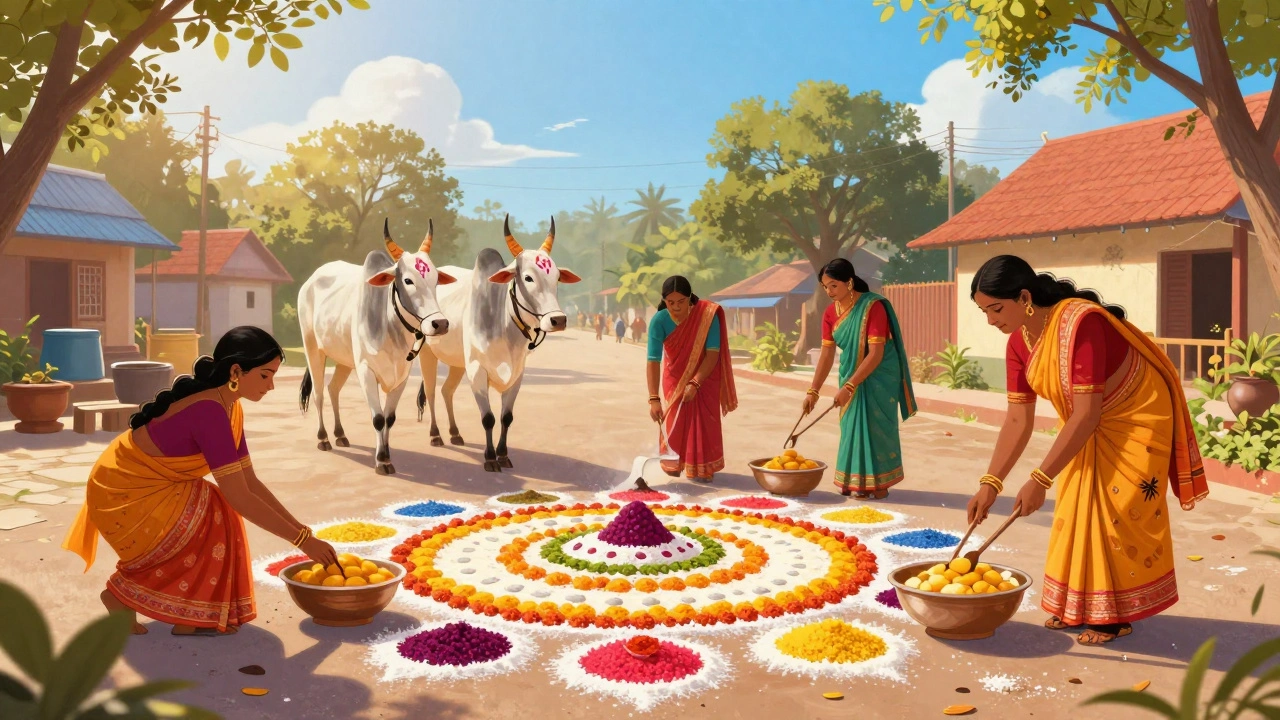
This is also when major festivals shine. The Onam festival in Kerala (August-September) still lingers in the air with floral carpets and boat races. In January, Pongal in Tamil Nadu turns villages into colorful celebrations of harvest with rice decorations, cow parades, and traditional sweets. If you’re in Hyderabad in February, you might catch the Charminar Festival with folk dances, food stalls, and craft bazaars.
Hotels and flights fill up fast during this time, so book at least two months ahead. But the trade-off? You’ll get the full, unfiltered experience-clean streets, clear skies, and locals who are happy to share their culture.
April to June: Heat, But Also Hidden Rewards
If you can handle heat above 35°C and high humidity, this is when southern India slows down-and you get it all to yourself. The cities feel quieter. The beaches are empty. Prices drop by 30-50% in many places.
Is it comfortable? Not really. But if you’re flexible, you can still make it work. Start your days before sunrise. Head to the Beaches of Gokarna in Karnataka by 6 a.m. and be done by 9 a.m. Then spend the afternoon in a shaded ayurvedic spa or reading under a fan in a heritage hotel. In Chennai, you can visit the Government Museum or the San Thome Basilica during the coolest hours.
This is also the season for monsoon-prep festivals. In April, the Chithirai Festival in Madurai reenacts the divine wedding of Meenakshi and Sundareswarar with processions that last days. Locals don’t mind the heat-they’re too busy celebrating.
Travelers who come in this window often say it felt like they had southern India to themselves. You’ll get better service, lower prices, and more time with guides who aren’t juggling ten groups a day. Just pack light cotton clothes, a wide-brimmed hat, and drink bottled water religiously.
July to September: The Monsoon Season-Yes, Really
Most guidebooks warn you away from southern India during monsoon. But if you’ve ever wanted to see the Western Ghats explode in green, or hear rain drumming on a rooftop in Munnar while sipping chai, this is your time.
The Southwest Monsoon hits Kerala first, usually in early June, and rolls up through Karnataka and Tamil Nadu by July. Rainfall can be heavy-sometimes over 250 mm in a single day-but it doesn’t last all day. Mornings are often clear. Afternoons bring storms. Evenings? Clear again.
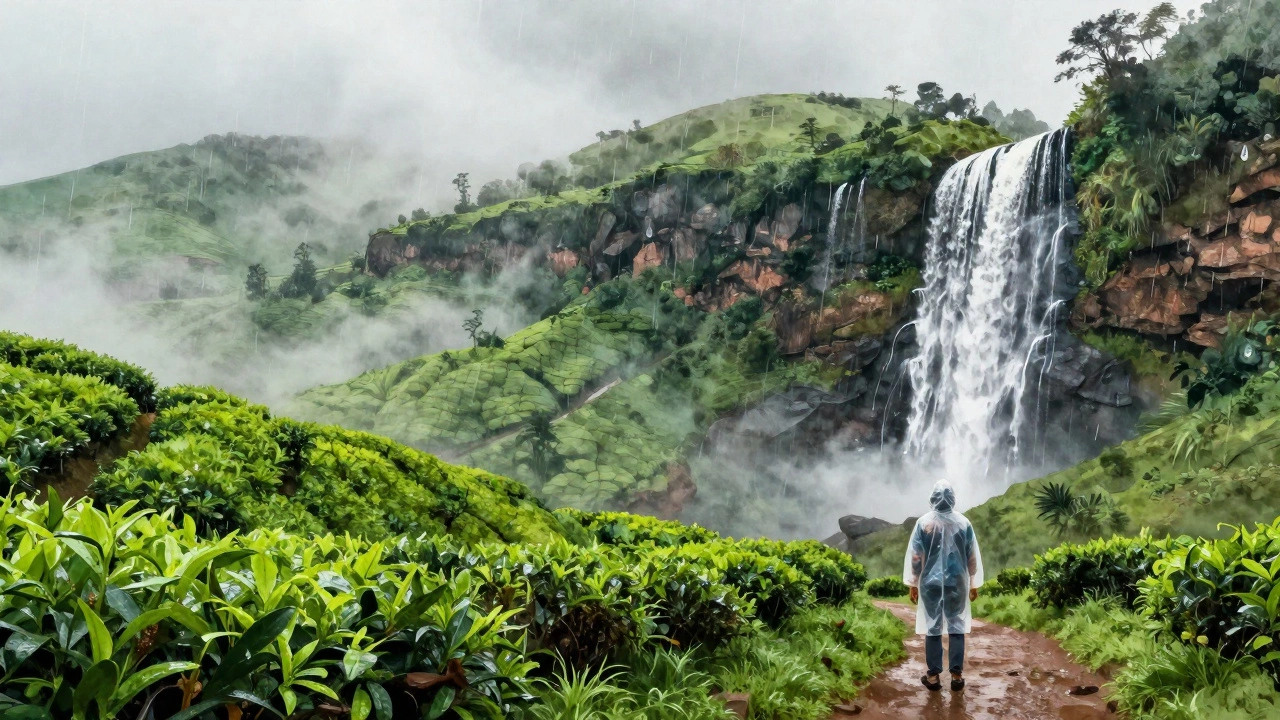
Kerala becomes a paradise for photographers. Waterfalls like Athirapally roar. The backwaters are full, and the rice paddies glow emerald. In Coorg, coffee farms are alive with blooming flowers and the smell of wet earth. In Wayanad, you can spot elephants wandering through misty forests.
But here’s the catch: roads can flood. Some hill routes close. Boat rides in Alleppey might get canceled. Hotels in remote areas may reduce services. If you’re planning to trek in the Nilgiris or visit remote temples, check local conditions daily.
Still, if you’re a photographer, a nature lover, or someone who wants to avoid crowds entirely, this is the most underrated time to go. You’ll find guesthouses with empty courtyards, local guides willing to take you on private walks, and prices slashed by up to 60%. Just pack waterproof gear, quick-dry clothes, and a sense of adventure.
What You’ll Miss If You Go at the Wrong Time
Timing matters more here than in most places because southern India’s rhythm is tied to nature and tradition.
If you visit in May and expect to climb the 1,300 steps to the Sabarimala Temple, you’ll be disappointed-it’s closed. If you come in August and miss Onam, you’ll miss the biggest cultural event in Kerala, with traditional meals served on banana leaves and fireworks lighting up the night sky.
And if you show up in January hoping to swim in the Arabian Sea near Kovalam, you’ll find chilly, choppy water. The best swimming months are October to December. In January, the sea is too rough.
Even temple timings change with the seasons. In summer, many temples open at 5 a.m. and close by 11 a.m. to avoid the heat. In winter, they stay open until 8 p.m. You won’t know unless you ask.
Regional Breakdown: When to Visit Each State
Don’t treat southern India as one big destination. Each state has its own climate and calendar.
- Kerala: Best October-March. Avoid July-August if you’re doing houseboat tours-flooding can delay trips.
- Tamil Nadu: October-March for temples and cities. July-September for misty hill stations like Ooty and Kodaikanal.
- Karnataka: October-March for Mysore and coastal spots. April-June for Coorg’s coffee harvest. July-September for waterfall hikes.
- Andhra Pradesh & Telangana: October-March for Hyderabad’s Charminar and Amaravati ruins. Avoid June-August if you’re sensitive to humidity.
Pro tip: If you’re planning to visit multiple states, start in Kerala in October, move to Tamil Nadu in November, then head to Karnataka in December. You’ll ride the sweet spot across the region.
What to Pack, No Matter When You Go
Here’s what works year-round:
- Light, breathable cotton clothes (long sleeves for temple visits)
- Waterproof sandals (you’ll walk through wet streets)
- Small umbrella or compact raincoat (even in dry season, afternoon showers happen)
- Rechargeable power bank (power cuts are common during monsoon)
- Hand sanitizer and wet wipes (public restrooms aren’t always clean)
- Small bottle of mosquito repellent with DEET (especially in Kerala and coastal areas)
Don’t bring heavy jackets. Even in December, it rarely drops below 18°C. And leave the hiking boots at home unless you’re going to the Nilgiris or Kodagu in monsoon.
Final Tip: Listen to Locals, Not Just Guidebooks
Ask your hotel staff or a local guide: “What’s the best time to visit right now?” They’ll tell you if the beaches are clear, if the temple festivals are on, or if the roads to the hills are open. They know the weather patterns better than any app.
One traveler I met in Munnar told me she came in August, thinking she’d be stuck indoors. Instead, she spent three days in a cozy homestay, drinking cardamom tea, watching rain fall over tea leaves, and learning how to make local sweets from her host’s grandmother. She called it her favorite trip ever.
There’s no perfect time to visit southern India. But there’s a perfect time for you. Decide what kind of experience you want-crowds and culture, quiet and heat, or rain-soaked serenity-and plan around that.
Is it safe to travel to southern India during monsoon season?
Yes, it’s safe if you plan carefully. Roads may flood, some tours get canceled, and power outages happen, but most tourist areas are well-prepared. Stick to main routes, avoid driving at night during heavy rain, and check local weather updates daily. Many hotels offer free rebooking if monsoon disrupts your plans.
What’s the cheapest month to visit southern India?
July and August are the cheapest months. Flights and hotels drop by 40-60% compared to peak season. You’ll also find better deals on guided tours and private drivers. Just be ready for rain and fewer crowds.
Can I visit temples during monsoon?
Yes, most temples stay open. Some even have covered walkways and indoor spaces for rituals. But check opening hours-many shorten their hours during heavy rain. Bring a small umbrella or raincoat. Don’t wear sandals with open toes; some temples require covered footwear.
Is it worth visiting southern India in April?
Absolutely-if you’re okay with heat. April is the best time to see cultural festivals like Pongal and Chithirai without crowds. Hotels are cheaper, and guides are more available. Just start your days early, stay hydrated, and avoid midday sun. Many travelers say it’s the most authentic experience.
Which part of southern India is best for families?
Kerala is the top choice for families. The backwaters are calm, beaches like Kovalam are safe for kids, and many resorts have pools and kids’ activities. Tamil Nadu’s temples are culturally rich but can be crowded. Karnataka’s Mysore and Coorg offer quieter, nature-focused trips with easy hikes and wildlife parks.
Do I need a visa for southern India?
India requires a visa for most nationalities. Apply for an e-Visa online at least 4 days before travel. It’s valid for 60 days and covers all of India, including southern states. Make sure your passport has at least six months of validity and two blank pages.
Southern India doesn’t wait for you. It moves with the seasons, the rains, and the rhythms of centuries-old traditions. The best time to go isn’t just about weather-it’s about matching your travel style to the land’s pulse. Choose your season, pack smart, and let the south surprise you.