India Budget Travel Calculator
Trip Parameters
Cost Comparison & Savings
Potential Savings vs. Peak:
$0
Enter details to see recommendations.
Here is the hard truth about traveling to India: timing isn't just about weather; it’s about your wallet. If you want to stretch your rupees further and avoid the tourist tax that comes with peak seasons, you need to pick the right window. The short answer? The cheapest months to travel to India are typically July through September (monsoon) and late December to early January (post-Christmas lull), depending on where you go.
But "cheap" in India is relative. A backpacker hostel in Delhi might cost $10 a night year-round, while a luxury resort in Goa triples its price during Christmas. To save real money, you have to align your destination with the off-season calendar. Let’s break down exactly when to go, where to go, and how to keep costs down without sacrificing safety or experience.
The Monsoon Advantage: Why July-September Is the Budget Sweet Spot
If you aren’t afraid of rain, the monsoon season (July to September) is arguably the most affordable time to visit India. Tourist numbers drop significantly because many travelers fear the heavy rains. This drop in demand leads to steep discounts on flights and accommodations.
| Expense Category | Peak Season (Oct-Mar) | Monsoon (Jul-Sep) | Potential Savings |
|---|---|---|---|
| International Flights | $800-$1,200 | $500-$800 | 30-40% |
| Mid-Range Hotel (per night) | $60-$100 | $30-$50 | 40-50% |
| Domestic Flights | $100-$150 | $40-$70 | 50-60% |
| Guided Tours | Full Price | 10-20% Discount | Variable |
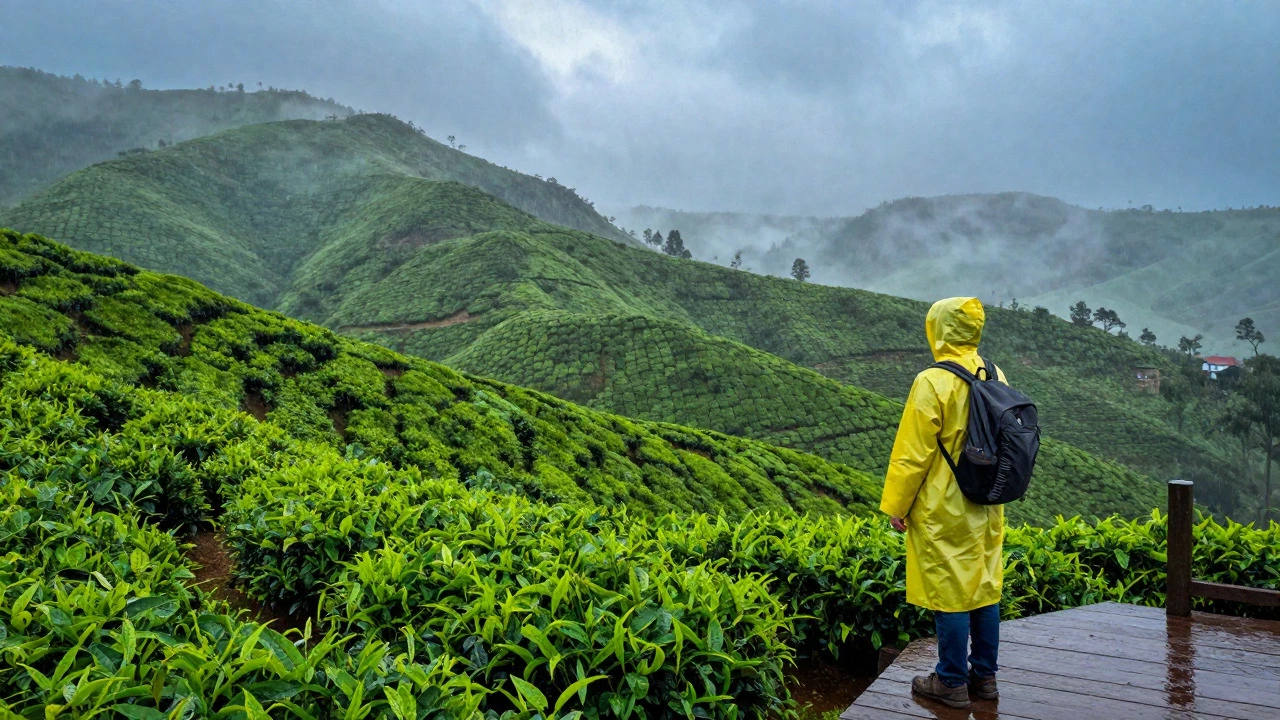
During these months, regions like Kerala, Meghalaya, and parts of North East India transform into lush green paradises. Yes, it rains, but it often pours in short, intense bursts followed by clear skies. You’ll find empty beaches in Gokarna, misty tea gardens in Munnar, and crowded-free temples in Tamil Nadu. The trade-off? Some trekking routes may be slippery, and outdoor photography can be challenging. But for pure cost efficiency, this is the winner.
The Post-Holiday Dip: Late December to Early January
Everyone knows Christmas and New Year’s in Goa are expensive. Hotels charge premium rates, and flights sell out months in advance. But here’s a trick most tourists miss: wait until January 5th to 10th. Once the holiday crowds disperse, prices plummet back to normal levels almost overnight. You still get the pleasant winter weather, but you lose the "festive surcharge."
This window also applies to Rajasthan and the Golden Triangle (Delhi, Agra, Jaipur). While November and December are peak times due to comfortable daytime temperatures, early January sees a slight dip as travelers head home after the holidays. It’s not as cheap as the monsoon, but it’s a sweet spot between good weather and reasonable pricing.
Regional Variations: Where to Go When
India is massive. What is "off-season" in one state might be "peak season" in another. To save money, you must match your destination to its local climate cycle.
- North India (Rajasthan, Delhi, Kashmir): Avoid summer (April-June) if you hate heat, but know that hotels offer deep discounts then because it’s too hot for tourists. However, comfort suffers. For the best balance of cost and comfort, aim for March or October.
- South India (Kerala, Tamil Nadu, Karnataka): The monsoon (June-August) is actually a great time to visit Kerala for Ayurveda treatments and houseboat stays at lower rates. In Tamil Nadu, October to February is ideal, but May and June are cheaper despite the heat.
- Goa: The absolute cheapest time is June to September. Many shacks close, but the ones that stay open offer massive discounts. You’ll have the beach mostly to yourself.
- Ladakh & Himachal Pradesh: These hill stations are inaccessible in winter due to snow. The only time to go is June to September. Prices are highest in August. Try visiting in June or late September for better deals before the roads close.

Hidden Costs That Can Ruin Your Budget
Finding a cheap flight is only half the battle. In India, hidden costs can creep up quickly if you’re not careful. Here’s what to watch out for:
- Domestic Transport: Trains are cheap, but booking last-minute tickets during any "shoulder season" can mean paying for unreserved seats or expensive tatkal (emergency) fares. Book IRCTC tickets 120 days in advance.
- Tipping Culture: Tipping is expected in restaurants (10%) and for guides/drivers. In high season, service charges are sometimes added automatically, but in low season, you might pay more directly to staff who rely on tips more heavily due to lower volume.
- Health Precautions: During monsoon, waterborne diseases are more common. Budget for quality water purification tablets or bottled water. Don’t skimp here; a week of illness will cost more than savings on hotels.
Pro Tips for Maximizing Savings
Beyond picking the right month, how you book matters. Here are actionable strategies to cut costs further:
- Use Local Aggregators: International sites like Booking.com often show higher prices for Indian properties. Use MakeMyTrip or Goibibo for domestic hotels and flights. They frequently have exclusive "local" discounts.
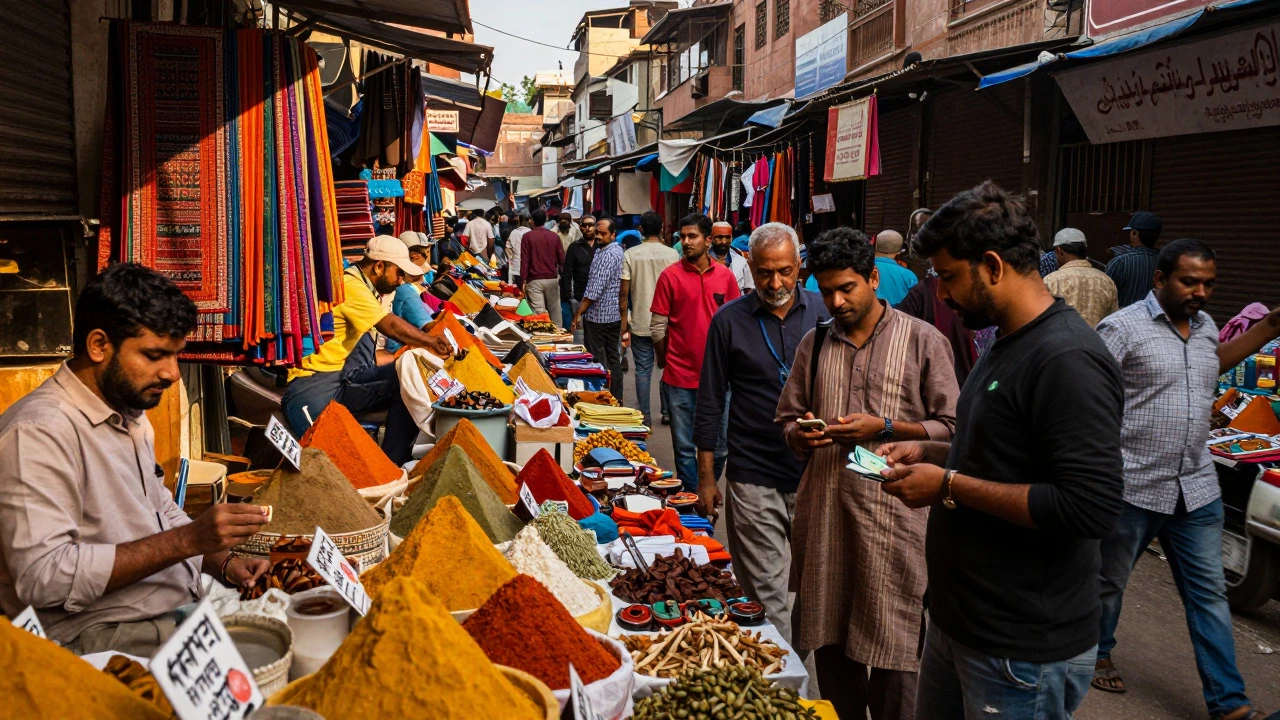
- Negotiate Street Food & Markets: In places like Chandni Chowk (Delhi) or Crawford Market (Mumbai), haggling is part of the culture. Even in fixed-price shops, asking "Is there a discount for cash?" can yield small savings that add up.
- Stay in Homestays: Platforms like Airbnb or local homestay networks in Kerala and Himachal offer authentic experiences at a fraction of hotel costs. Hosts often include meals, saving you on food expenses.
- Avoid Festival Peaks: Diwali (usually October/November) and Holi (March) see price spikes. If you want to experience them, book 3-4 months ahead. Otherwise, skip these weeks to save 20-30% on accommodation.
Safety Considerations in Off-Season Travel
Cheap travel shouldn’t mean unsafe travel. During monsoon, landslides can affect roads in hill stations like Manali and Leh. Check weather forecasts daily. In coastal areas like Andaman, some ferries cancel during rough seas. Always have a backup plan.
In cities, petty theft remains consistent year-round. Keep valuables secure regardless of the season. The main risk in off-season travel is reduced availability of services-some tour operators or transport options may run less frequently. Confirm bookings via phone or WhatsApp, not just email.
Conclusion: Finding Your Personal Best Time
There is no single "cheapest month" for all of India. If you prioritize low cost above all else, target July-September for South and East India, or April-May for North India (if you can handle the heat). If you want a balance of decent weather and lower prices, aim for early January or late March. Avoid October-December for the lowest costs, as this is the golden window for tourism.
Remember, the goal isn’t just to spend less-it’s to get more value. A rainy day in Kerala watching the monsoon roll over the backwaters can be more memorable than a crowded beach in Goa. Plan smart, pack light, and embrace the unpredictability. That’s the real secret to budget travel in India.
Is it safe to travel to India during the monsoon?
Yes, it is generally safe, but you need to be cautious. Landslides can block roads in Himalayan regions like Ladakh and Himachal Pradesh. Coastal areas may face flooding. City travel in Delhi, Mumbai, or Bangalore is safe, though traffic worsens. Always check local weather alerts and avoid trekking on slippery trails.
What is the cheapest month to fly to India from Europe or the US?
Typically, January (after New Year’s) and September offer the lowest international airfares. Summer months (June-August) can also be cheap due to lower demand, but school holidays in Western countries may spike prices slightly. Book 2-3 months in advance for the best deals.
Can I visit Rajasthan in summer to save money?
Yes, hotels in Rajasthan offer significant discounts in May and June. However, temperatures exceed 40°C (104°F), making daytime exploration difficult. Limit activities to early morning and evening, and choose air-conditioned accommodations to stay comfortable.
Are domestic flights cheaper in off-season?
Absolutely. Domestic carriers like IndiGo, Air India, and SpiceJet reduce fares during monsoon and post-holiday periods. You can find round-trip tickets between major cities for under $50 if booked in advance. Trains remain consistently cheap but require early booking.
Which Indian destinations are best for budget travelers?
Varanasi, Rishikesh, and small towns in Kerala and Tamil Nadu offer excellent value. Street food is inexpensive, and homestays provide affordable lodging. Avoid tourist traps in Goa and Manali during peak season. Instead, explore lesser-known hill stations like Coorg or Wayanad for similar experiences at lower costs.