Indian Beach Destination Cost Calculator
Calculate Your Beach Vacation Costs
Compare costs of popular Indian beach destinations with international alternatives. Based on data from 2024 tourism reports.
Estimated Costs
Every year, over 10 million foreign tourists land in India-and nearly half of them head straight for the coast. It’s not the temples, not the mountains, not even the bustling cities. It’s the beaches. From golden sands to turquoise waves, India’s shoreline pulls in travelers from Europe, Australia, North America, and beyond. But where exactly are they going? And why do certain beaches dominate the list of foreign favorites?
Goa: The Undisputed King of Foreign Tourism
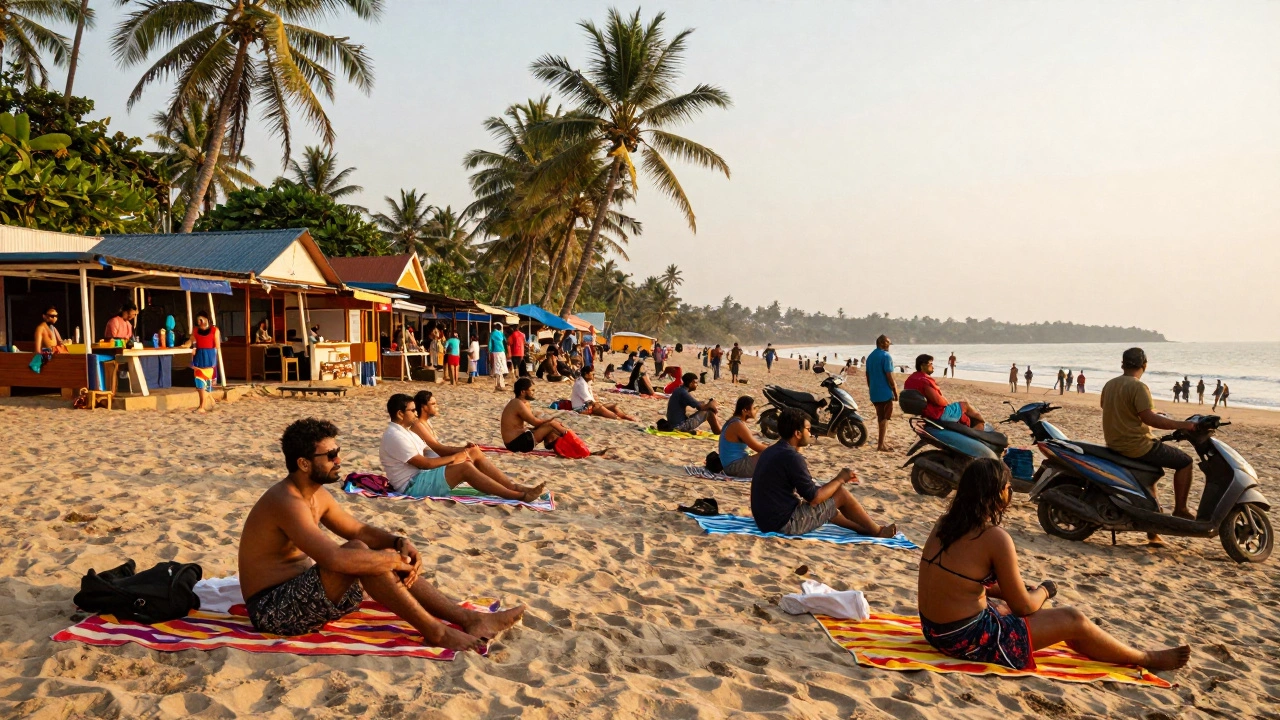
Goa isn’t just the most popular beach destination in India-it’s the only one that feels like a global beach town. Foreigners don’t just visit Goa; they live there. In 2024, over 2.1 million international visitors came to Goa, according to the state tourism department. That’s more than the combined total of all other Indian beach states.
Why? It’s the mix. North Goa’s Baga and Calangute beaches are lined with shacks serving cold Kingfisher beers and vegan curry bowls. Yoga studios sit next to reggae bars. Backpackers rent scooters for ₹250 a day and spend weeks drifting from one beach to the next. South Goa, quieter and more laid-back, draws couples and digital nomads to Palolem and Colva, where the sand is softer and the crowds thinner.
Portuguese architecture, English menus, and a 30-year history of foreigner-friendly infrastructure make Goa feel like home to many. It’s not just a stopover-it’s a destination people return to, year after year.
Andaman and Nicobar Islands: The Hidden Gem
If Goa is the party beach, the Andamans are the quiet escape. Foreign tourists here aren’t looking for nightlife-they’re looking for untouched coral reefs, crystal-clear water, and silence. Over 180,000 international visitors made the trip in 2024, up 22% from the year before.
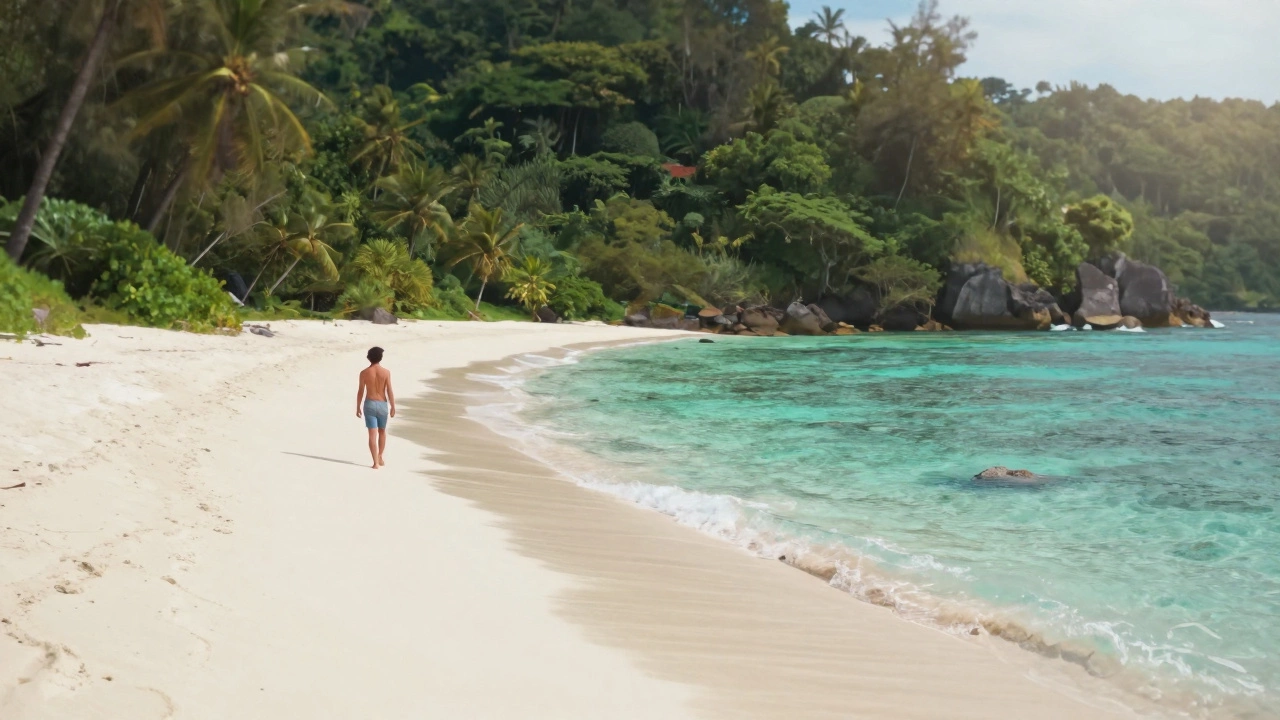
Radhanagar Beach on Havelock Island is consistently ranked among Asia’s best beaches. Its powdery white sand and shallow, calm waters make it perfect for snorkeling without a guide. Foreign travelers often book multi-day liveaboards to explore the coral gardens around Neil Island or dive the wreck of the SS Carnatic near Neil Island.
Visa rules are stricter here-foreigners need a Restricted Area Permit, which is now issued online. But once you’re in, the isolation is worth it. No traffic. No loud music. Just the sound of waves and the occasional monkey crossing the path.
Kerala’s Backwaters and Beaches: A Different Kind of Coast
Kerala doesn’t have the long, wide beaches of Goa. Instead, it offers a quiet, green coastline where lagoons meet the sea. Foreign tourists come for the peace, the Ayurveda retreats, and the slow pace.
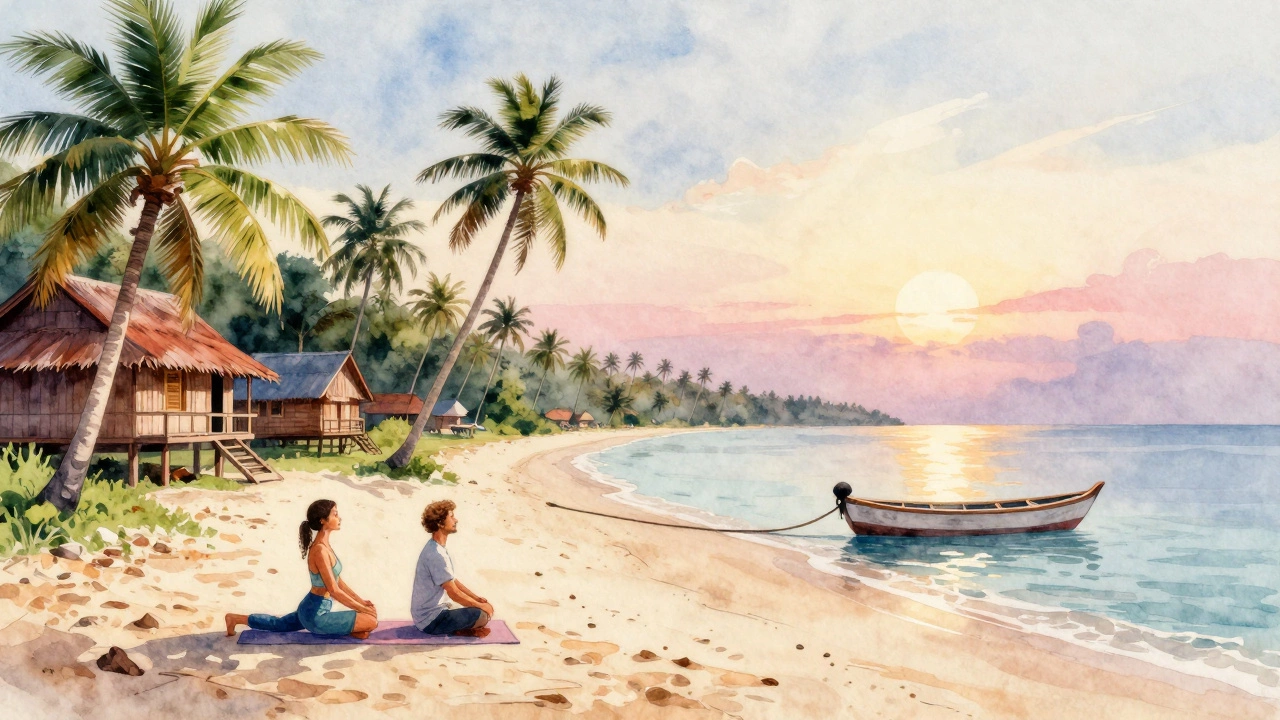
Marari Beach, near Alleppey, is a favorite among European retirees and wellness seekers. It’s not crowded. No water sports. No beach clubs. Just wooden cottages, coconut trees, and daily yoga sessions on the sand. Kovalam, slightly busier, draws yoga students from Germany and Israel to its three crescent-shaped beaches.
Many foreigners combine a beach stay here with a houseboat cruise through the backwaters. It’s not a typical beach holiday-but it’s one of the most uniquely Indian experiences they’ll have.
Maharashtra’s Forgotten Coast: Goa’s Quiet Neighbor
Just north of Goa, Maharashtra’s beaches are still mostly overlooked by foreign tourists. But that’s changing. In 2024, visits to Ganpatipule and Tarkarli jumped by 35% compared to 2023.
Tarkarli is becoming a hotspot for scuba diving enthusiasts. The waters here are clearer than Goa’s, and the coral reefs are healthier. Foreign divers, mostly from the UK and Germany, come for the dive schools that offer PADI certifications at half the price of Thailand.
Ganpatipule, with its black sand and ancient temple, offers a spiritual beach experience. It’s not loud. Not crowded. But for travelers seeking something different from the usual beach resort, it’s a quiet revelation.
Why These Beaches? The Real Reasons Foreigners Choose Them
It’s not just about the sand and sun. Foreign tourists pick Indian beaches based on five clear factors:
- Cost-A week in Goa costs less than $300 for food, lodging, and transport. Compare that to Bali or Phuket.
- Accessibility-Goa has direct flights from London, Dubai, and Singapore. Andaman has weekly flights from major Indian cities, and visa rules are simplifying.
- Authenticity-Foreigners want to experience real India, not a sanitized version. Local food, markets, and language barriers are part of the appeal.
- Safety-India’s beach areas are generally safe for solo travelers, especially women. Police presence is visible, and expat communities are well-established.
- Flexibility-You can stay for a day or a year. Hostels, guesthouses, and long-term rentals make it easy to extend your stay.
That’s why you’ll see German retirees living in Kerala, Australian surfers in Maharashtra, and French couples renting villas in Andaman for six months at a time.
What Foreigners Don’t Tell You
There’s a gap between what tourists expect and what they find.
Many arrive thinking India’s beaches are like the Maldives. They’re not. The water isn’t always clear. The tide can be unpredictable. Some beaches have plastic waste washed up after monsoon season. And not every beach has public restrooms.
But those who adapt? They fall in love. One British traveler wrote in a travel forum: "I came for the sun. I stayed for the people. The chai seller who remembers your name, the fisherman who invites you to his boat, the dog that follows you down the beach every morning. That’s the magic. Not the view. The connection."
Where Foreigners Are Going Next
Two emerging spots are catching attention in 2025.
First, Gokarna in Karnataka. It’s smaller than Goa, with fewer tourists and a growing yoga scene. Foreigners are drawn to its five beaches, each reachable by a short hike. Om Beach is the most popular, but for peace, try Kudle Beach at sunrise.
Second, Paradise Beach on the Andaman Islands. It’s not on most maps. You reach it by a 45-minute boat ride from Havelock. No shops. No Wi-Fi. Just a stretch of sand so quiet you can hear your own footsteps. It’s becoming the new secret for travelers who’ve already been to the usual spots.
Final Thought: It’s Not Just a Beach Trip
Foreigners don’t come to India’s beaches just to tan. They come to slow down. To disconnect. To find a rhythm that doesn’t exist in their home cities. Whether it’s the chaos of Goa’s nightlife or the silence of a remote Andaman shore, they’re searching for something real.
And India, with all its imperfections, gives it to them.
Which Indian beach has the most foreign tourists?
Goa has the highest number of foreign tourists by far, with over 2.1 million international visitors in 2024. Its mix of affordable stays, international food, English-speaking locals, and direct flights from Europe and Asia makes it the top choice.
Are Indian beaches safe for solo female travelers?
Yes, most popular beach destinations like Goa, Kovalam, and Havelock Island are safe for solo female travelers. Local communities are generally welcoming, and police patrols are common in tourist areas. Avoid isolated beaches at night, stick to well-known areas, and dress respectfully-most foreign women travel alone here without issues.
Do I need a visa to visit Andaman and Nicobar Islands?
Yes, foreign tourists need a Restricted Area Permit (RAP) to visit Andaman and Nicobar. It’s now issued online through the Andaman Tourism website and takes less than 48 hours to approve. You’ll need a valid Indian visa first.
What’s the best time to visit Indian beaches?
October to March is the ideal window. The monsoon ends by late September, and the weather is dry and sunny until May. Goa and Kerala are busiest from December to February. Andaman is best between November and April-avoid May to September due to rough seas.
Can I rent a scooter in Goa without an international license?
Technically, you need an Indian license or an International Driving Permit. But in practice, most rental shops in Goa will rent you a scooter with just your passport and a credit card. Many tourists do it. Just drive carefully-Indian roads are unpredictable, and traffic rules are loosely followed.
For those who’ve only seen India through temples and tuk-tuks, the coast offers a different side-one where the sun sets over the water, not the minarets. And for many, that’s the part they remember longest.