India City Matchmaker
Not sure which of India's top tourist destinations suits you? Answer these quick questions to find your perfect match.
You might assume that the answer to which city has highest tourism in India is obvious. Maybe you picture the golden sands of Goa or the spiritual ghats of Varanasi. But if you look at the hard numbers from the Ministry of Tourism and state government reports for 2025-2026, the reality is often surprising. While leisure destinations grab the headlines, the cities with the highest raw volume of visitors are actually the massive metropolitan hubs where business, culture, and transit collide.
Understanding this distinction changes how you plan your trip. If you want crowds and energy, you go where the numbers are high. If you want space and serenity, you look elsewhere. This article breaks down the actual visitor data, explains why certain cities dominate the charts, and helps you decide if those top spots deserve a place on your itinerary.
The Uncontested Leader: New Delhi
When we talk about sheer volume, New Delhi is the capital territory and national capital region that consistently records the highest number of domestic and international tourist arrivals in India. It’s not just close; it’s miles ahead. Why? Because Delhi isn’t just a destination; it’s the gateway. Every international flight lands here. Every major rail network connects through here. You can’t ignore the logistics.
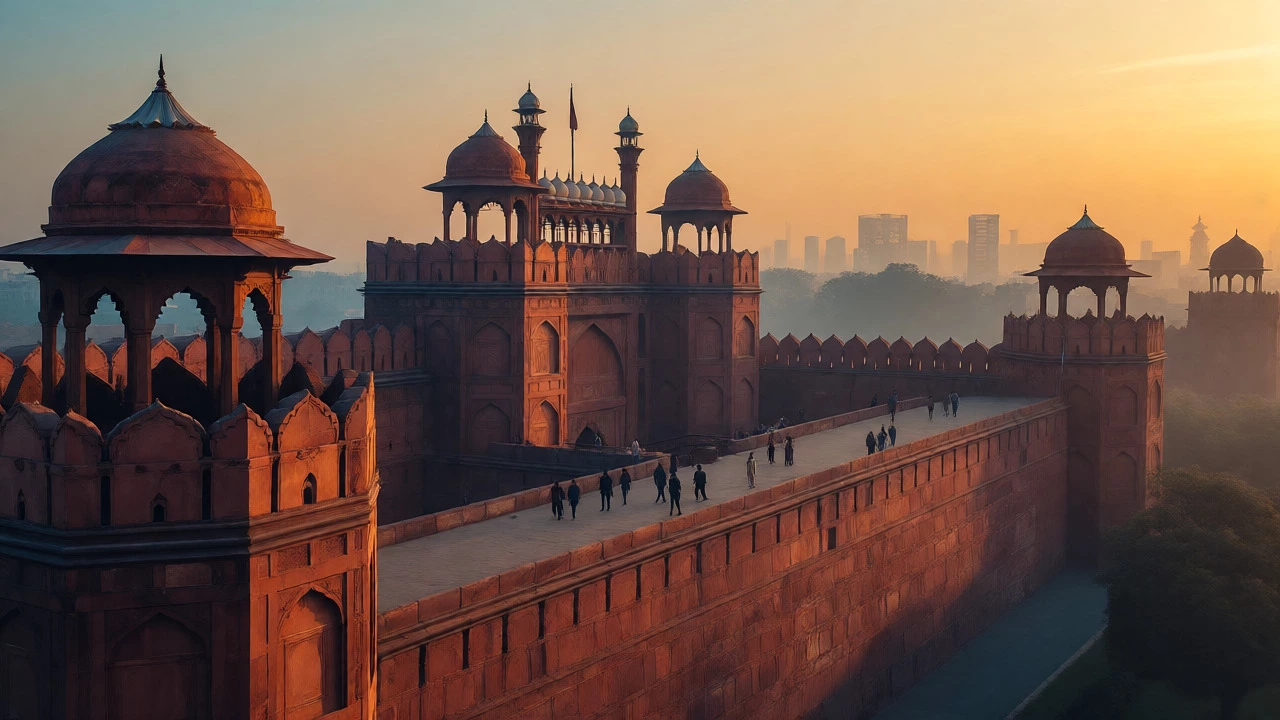
Beyond being a transit hub, Delhi offers an unmatched density of heritage sites. In a single day, you can visit the Red Fort, a Mughal-era fortification built by Shah Jahan in the 17th century and a UNESCO World Heritage Site, walk through the gardens of Humayun’s Tomb, and end up at the modern Lotus Temple. The infrastructure supports millions of visitors annually because it has to. The metro system alone moves millions of people daily, making it easy for tourists to navigate without hiring expensive private drivers.
However, "highest tourism" doesn't always mean "best experience." Delhi’s air quality and traffic congestion are real factors. If you’re visiting between October and February, the weather is perfect. During summer, the heat can be punishing. Plan accordingly.
Mumbai: The Economic Magnet
If Delhi wins on historical and political gravity, Mumbai is the financial capital of India and the home of Bollywood, attracting millions due to its economic opportunities and entertainment industry. Mumbai ranks second in most tourism metrics, but its profile is different. Visitors here aren’t just sightseeing; they’re attending conferences, watching film shoots, or exploring the vibrant street food scene.
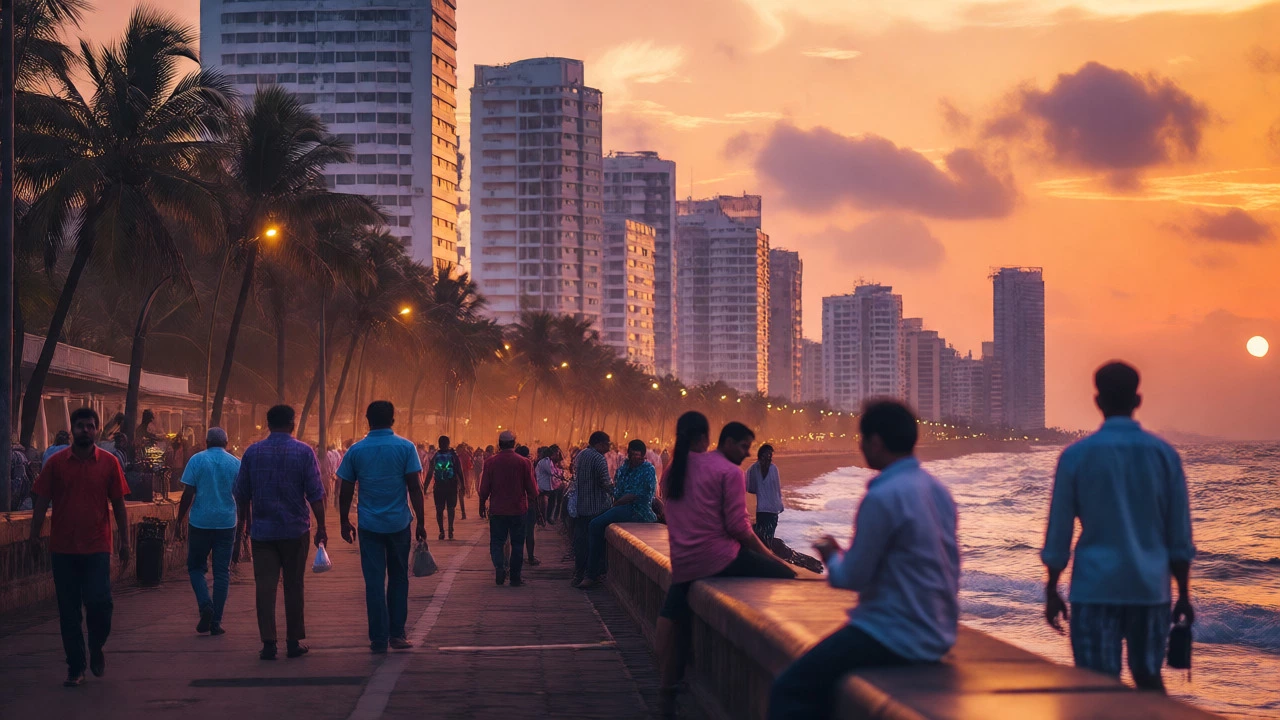
The Gateway of India is iconic, yes, but the real draw is the energy. From the Marine Drive promenade to the bustling Colaba Causeway, Mumbai never sleeps. The city attracts a younger demographic compared to the more family-oriented heritage tours in Delhi. International arrivals are significant here because Mumbai hosts many multinational corporations and global events. If you love urban chaos, art galleries, and late-night cafes, Mumbai’s high tourism count reflects its status as India’s playground.
Jaipur: The Pink City’s Royal Appeal
Outside the metros, Jaipur is the capital of Rajasthan and part of the famous Golden Triangle tourist circuit, known for its royal palaces and vibrant markets takes the crown. It is arguably the most visited non-metro city in India. Why? Because it’s accessible. Located just five hours from Delhi by road, it serves as the perfect extension for any North India trip.
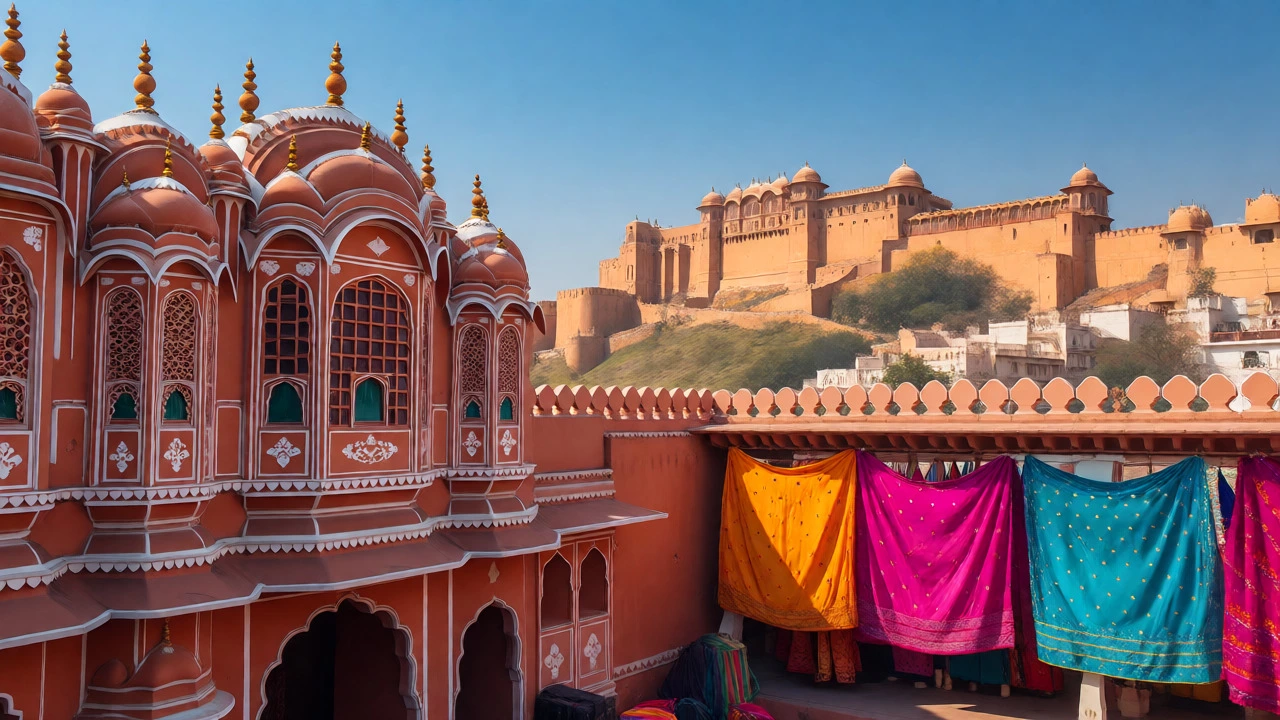
The Amber Fort, Hawa Mahal, and City Palace create a cohesive narrative of Rajputana history. Tour operators bundle Jaipur into almost every standard North India package, which inflates its visitor numbers naturally. Unlike Delhi or Mumbai, Jaipur’s tourism is almost entirely leisure-focused. People come specifically to take photos, buy textiles, and eat dal baati churma. The infrastructure is tailored to tourists, meaning you’ll find everything from budget hostels to ultra-luxury heritage hotels within a few kilometers.
South India’s Contenders: Chennai and Bengaluru
Since you’re interested in South India travel, let’s look at the southern heavyweights. Many travelers overlook these cities in favor of beach towns like Goa or Kerala backwaters, but the data tells a different story.
Chennai is the capital of Tamil Nadu and a major cultural and industrial hub, serving as the primary entry point for South Indian tourism. As the main airport hub for the south, Chennai sees massive footfall. While it may not have the same "postcard" appeal as Hampi or Madurai, it acts as the logistical backbone. Thousands of tourists land here before dispersing to temple towns or hill stations. Additionally, Chennai itself offers rich cultural experiences, from the Kapaleeshwarar Temple to the vibrant Marina Beach, which is one of the longest urban beaches in the world.
Bengaluru is the IT capital of India, known for its pleasant climate, pub culture, and proximity to heritage sites like Mysore and Hampi ranks high due to business tourism. However, its leisure tourism is growing rapidly. The city has reinvented itself with microbreweries, rooftop bars, and green spaces. More importantly, it serves as the launchpad for weekend trips to Ooty, Coorg, and Mysore. When you count the people passing through Bengaluru en route to these destinations, its contribution to regional tourism stats is immense.
Comparing the Top Cities: What Drives the Numbers?
To understand why these cities lead, we need to look at what drives their popularity. Is it history? Business? Or pure accessibility? Here is a breakdown of the key factors influencing tourism volumes in India’s top cities.
| City | Primary Driver | Best Time to Visit | Average Stay Duration | Key Attractions |
|---|---|---|---|---|
| New Delhi | Heritage & Transit Hub | Oct - Mar | 3-4 Days | Red Fort, Qutub Minar, India Gate |
| Mumbai | Business & Entertainment | Nov - Feb | 2-3 Days | Gateway of India, Marine Drive, Elephanta Caves |
| Jaipur | Cultural Leisure | Oct - Mar | 2-3 Days | Amber Fort, Hawa Mahal, City Palace |
| Chennai | Transit & Culture | Oct - Feb | 1-2 Days (Stopover) | Marina Beach, Kapaleeshwarar Temple |
| Goa | Leisure & Nightlife | Nov - Feb | 4-7 Days | Baga Beach, Fort Aguada, Night Markets |
Notice the pattern? The cities with the highest tourism aren't always the ones you stay in the longest. Delhi and Mumbai are often shorter stops or bases for exploration. Goa, while lower in total annual arrivals compared to Delhi, has a much longer average stay duration because it’s a vacation destination, not a transit point.
Why "Highest" Doesn't Mean "Most Popular" for You
Just because a city has the highest tourism numbers doesn’t mean it’s the right fit for your personal travel style. High tourism brings pros and cons.
The Pros:
- Infrastructure: These cities have better roads, more reliable public transport, and a wider variety of accommodation options ranging from ₹500 hostels to ₹50,000 luxury suites.
- Safety: Tourist-heavy areas usually have a stronger police presence and more English-speaking locals accustomed to helping foreigners.
- Connectivity: You can easily book trains, flights, and cabs online with instant confirmation.
The Cons:
- Crowds: Getting a photo at the Taj Mahal or Red Fort without hundreds of heads in the frame requires waking up at 5 AM.
- Costs: Prices for hotels and taxis surge during peak season in these hotspots.
- Authenticity: Some areas become overly commercialized, catering only to tourists rather than offering local life experiences.
If you hate crowds, you might prefer places like Pondicherry or Mysore, which offer similar cultural richness with fewer visitors. But if you want convenience and iconic sights, the top tourism cities deliver exactly what you expect.
How to Beat the Crowds in High-Tourism Cities
You don’t have to avoid the popular cities; you just need to time your visits smartly. Here are three tactics that work in Delhi, Mumbai, and Jaipur:
- The Early Bird Rule: Most tour groups arrive at major monuments around 10 AM. If you show up at opening time (usually 8 or 9 AM), you’ll have 30 minutes of relative peace. This is crucial for photography and contemplation.
- Off-Peak Seasonality: Everyone visits in winter (October to March). Consider visiting in April or September. Yes, it’s hotter, but hotel rates drop by 40-50%, and you won’t fight for tickets.
- Stay Local: Instead of staying near the main tourist square, choose neighborhoods slightly further out but well-connected by metro. In Delhi, try Dwarka or Saket instead of Connaught Place. In Mumbai, consider Bandra or Andheri over Colaba.
Final Thoughts on Planning Your Trip
So, which city has the highest tourism in India? New Delhi holds the title by a significant margin, followed closely by Mumbai and Jaipur. But remember, these rankings reflect volume, not necessarily value. For a first-time visitor, Delhi is unavoidable. For culture lovers, Jaipur is essential. For urban explorers, Mumbai is electric.
If you’re focusing on South India travel, keep in mind that while Chennai and Bengaluru drive the numbers, the true magic often lies in the smaller towns they connect to. Use the big cities as your base, but venture out for the authentic experiences. Whether you choose the chaotic charm of Delhi or the coastal breeze of Chennai, the key is to align the city’s vibe with your travel goals. Don’t just chase the numbers-chase the experience that fits you.
Is Delhi really the most visited city in India?
Yes, according to recent Ministry of Tourism data, New Delhi consistently records the highest number of tourist arrivals. This is due to its status as the national capital, its role as the primary international gateway via Indira Gandhi International Airport, and its dense concentration of UNESCO World Heritage Sites.
Does high tourism make a city expensive?
Generally, yes. Cities like Delhi and Mumbai have higher costs for accommodation and dining compared to smaller towns. However, competition among hotels and restaurants keeps prices competitive. You can still find budget-friendly options, especially if you book in advance or travel during off-peak months.
What is the best time to visit high-tourism cities in India?
The ideal time is October to March. During these months, the weather is cool and dry across most of India, including Delhi, Mumbai, and Jaipur. Avoid May to July unless you enjoy extreme heat and monsoon rains, though some travelers prefer the lush landscapes and lower prices during the monsoon.
Are South Indian cities less crowded than North Indian ones?
Not necessarily. Chennai and Bengaluru receive millions of visitors annually. However, the crowd distribution is different. North Indian heritage sites like the Taj Mahal get massive concentrated crowds at specific times. South Indian tourism is often more spread out across temples, beaches, and hill stations, which can feel less claustrophobic even if the total numbers are high.
Should I skip Delhi if I hate crowds?
If you strictly dislike crowds, skipping Delhi might be wise. However, you can mitigate this by visiting lesser-known museums like the National Museum or exploring neighborhoods like Hauz Khas Village early in the morning. Alternatively, consider starting your trip in Jaipur or Udaipur, which are also busy but offer more open spaces and slower-paced environments.