World Heritage Sites Explorer & Trip Planner
Compare Top Countries
Select a country to see detailed information and potential trip themes.
Click a country above to view details
Plan Your Heritage Journey
You might assume that the country with the most ancient history would hold the record for the most protected landmarks. It’s a logical guess. But when it comes to World Heritage Sites, the numbers tell a different story. As of 2026, Italy is the European nation that holds the global record for the highest number of UNESCO World Heritage Sites. With 59 designated sites, Italy sits comfortably at the top of the list, followed closely by China with 58.
This isn't just about having old buildings. It’s about how a country manages, preserves, and presents its cultural and natural legacy to the world. For travelers, especially those interested in Cultural Tourism is travel motivated by interest in the culture of a place, including its history, art, music, and architecture., knowing which countries lead this race helps you plan trips that are rich in context and depth. If you are looking at Heritage Sites in India are protected locations in India recognized by UNESCO for their outstanding universal value., you’ll find that India ranks fifth globally, making it a powerhouse destination for history buffs.
The Global Leaders: Who Holds the Crown?
To understand why Italy leads, we have to look at what qualifies as a World Heritage Site. The United Nations Educational, Scientific and Cultural Organization (UNESCO is a specialized agency of the United Nations responsible for identifying and protecting cultural and natural heritage sites worldwide.) established this program in 1972. A site must demonstrate "outstanding universal value" to be inscribed. This means it’s not just important to one country; it matters to humanity as a whole.
Here is how the top five countries stack up as of early 2026:
| Rank | Country | Total Sites | Key Examples |
|---|---|---|---|
| 1 | Italy | 59 | Rome Historic Centre, Venice, Amalfi Coast, Pompeii |
| 2 | China | 58 | Great Wall, Forbidden City, Terracotta Army, Jiuzhaigou Valley |
| 3 | Germany | 54 | Aachen Cathedral, Brandenburg Gate, Museum Island Berlin |
| 4 | France | 53 | Eiffel Tower area, Palace of Versailles, Mont-Saint-Michel |
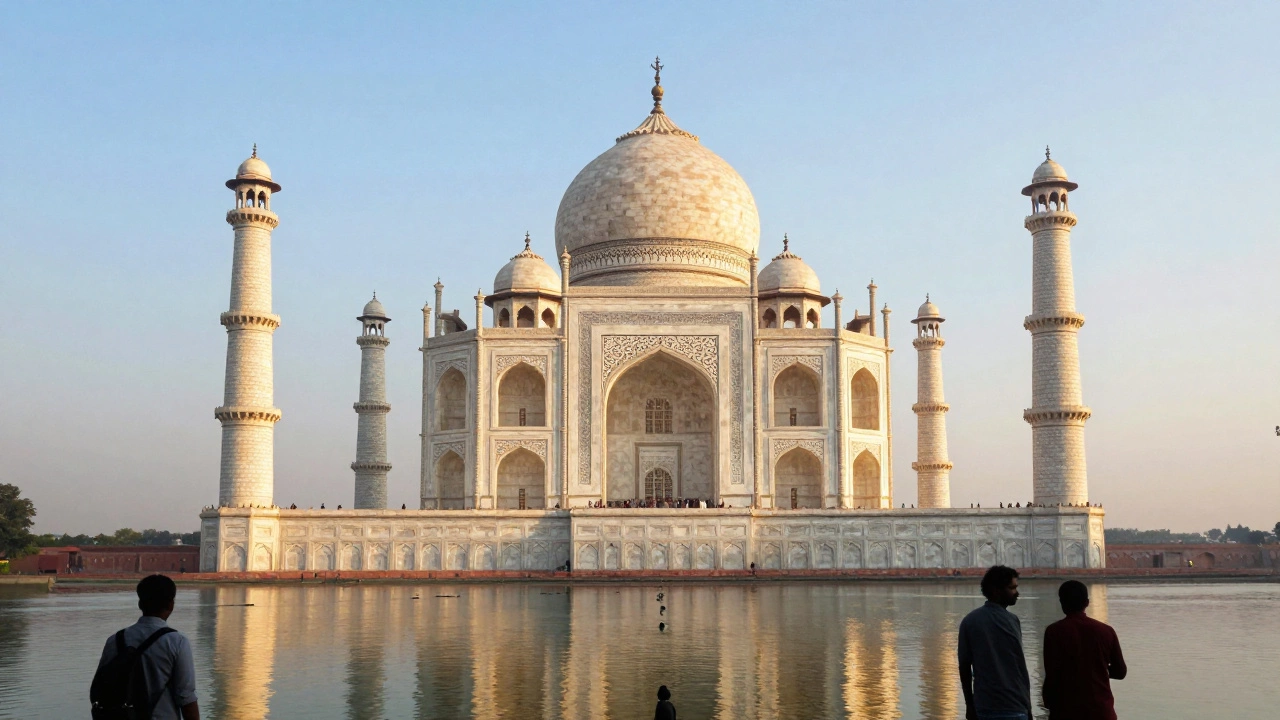
| 5 | India | 43 | Taj Mahal, Red Fort, Hampi, Kaziranga National Park |
Notice something interesting? The top four are all in Europe or East Asia. India is the only non-Western/East-Asian nation in the top five. This highlights a significant shift in global heritage recognition over the last two decades. While Europe has had centuries to document and nominate its sites, countries like India, Mexico, and Peru have seen rapid growth in their nominations recently.
Why Does Italy Have So Many?
It’s easy to look at the number 59 and think, "Italy just has more stuff." But there are structural reasons for this dominance. First, Italy was one of the original signatories to the 1972 Convention. They started nominating sites early. Second, Italy’s history is incredibly dense. From Etruscan tombs to Roman aqueducts, Renaissance palaces, and Baroque churches, every century left a mark that is still standing today.
Consider the city of Rome alone. It has multiple distinct sites listed separately. The Historic Centre of Rome is one. The Vatican City (a separate state, but often grouped in travel contexts) is another. Then you have archaeological parks like Ostia Antica nearby. In contrast, many other countries have vast territories where heritage sites are spread out thinly. Italy packs centuries of high-value history into relatively small geographic areas, making it easier to protect and manage them as single entities.
Furthermore, Italy has a robust infrastructure for heritage management. The Italian Ministry of Culture works closely with local municipalities to maintain these sites. This administrative efficiency means fewer sites fall into disrepair and get removed from the list-a fate that has befallen some sites in other countries due to neglect or conflict.
India’s Rising Status in Global Heritage
If you are planning a trip focused on Heritage Sites India offers a diverse mix of Mughal architecture, ancient temples, colonial structures, and natural wonders., you are in for a treat. India’s 43 sites represent a staggering variety. Unlike Italy, where the style is predominantly classical European, India’s sites span thousands of years and multiple distinct civilizations.
Let’s break down what makes India’s list unique:
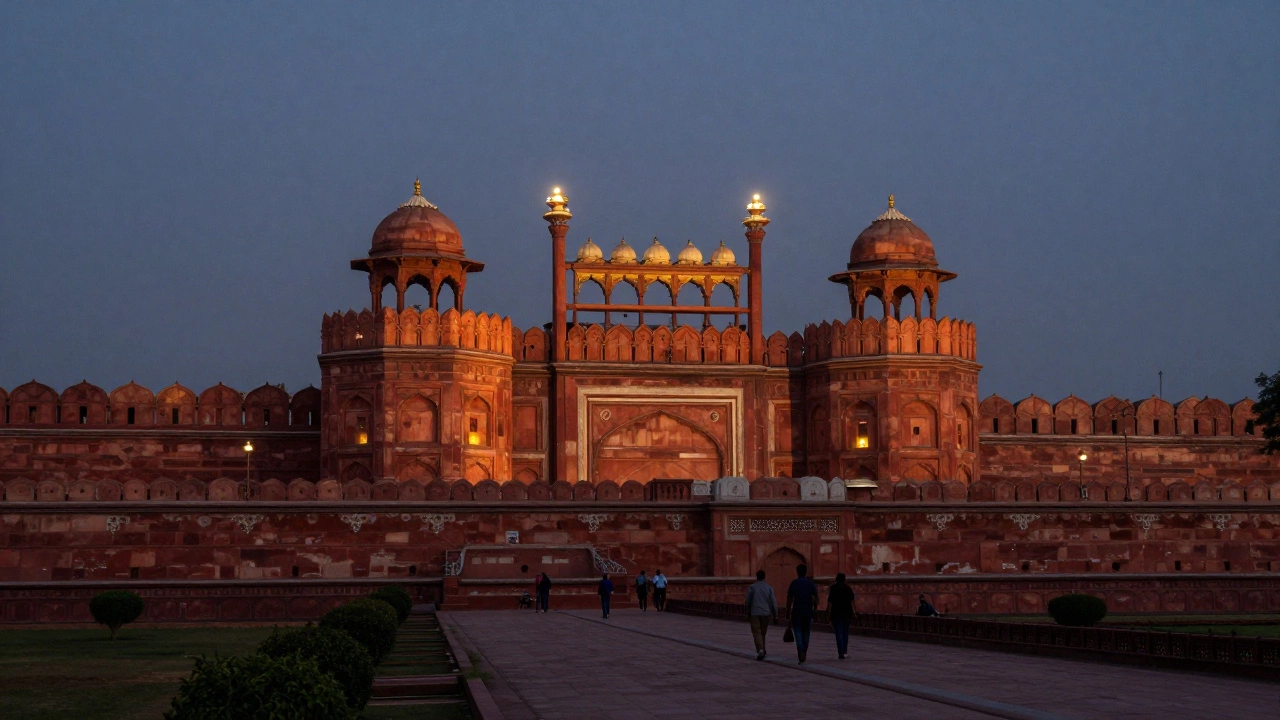
- Mughal Architecture: The Taj Mahal in Agra is the poster child for Indian heritage. But don’t stop there. The Red Fort in Delhi and Fatehpur Sikri offer deep dives into the Islamic architectural traditions that flourished in the subcontinent between the 16th and 18th centuries.
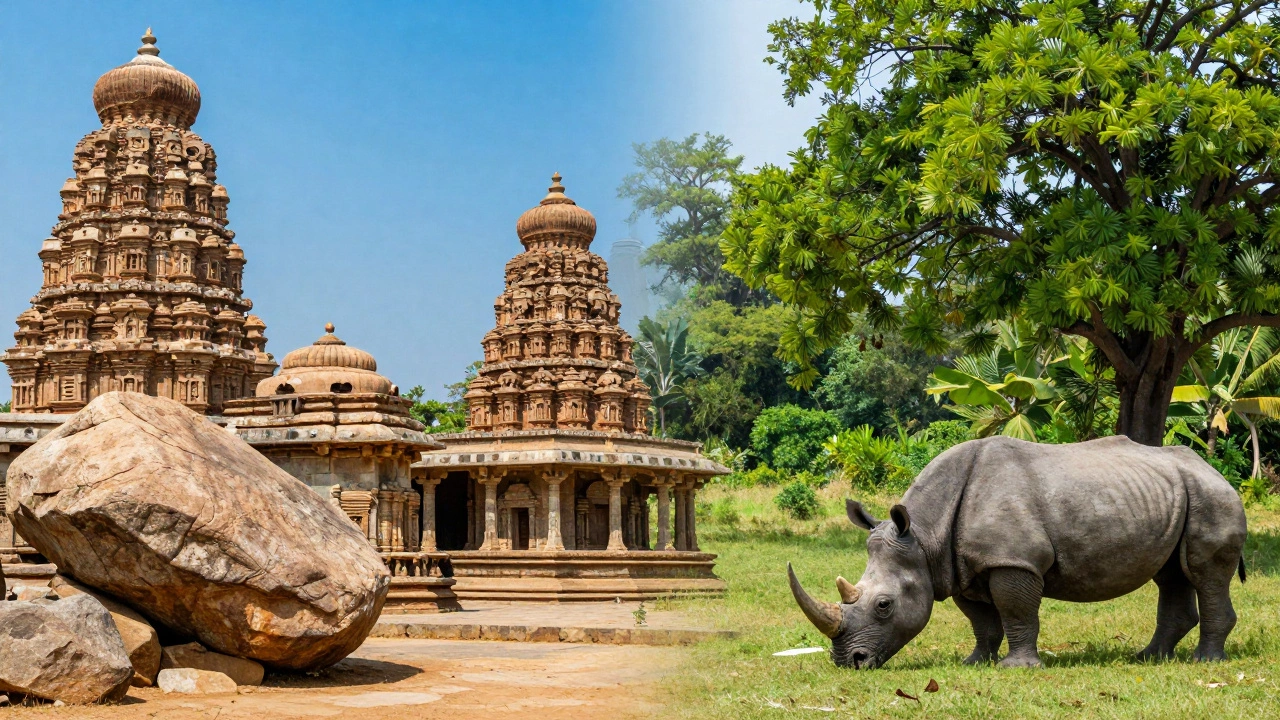
- Ancient Temple Complexes: Sites like the Group of Monuments at Hampi and the Sun Temple at Konark showcase Dravidian and Kalinga styles of temple architecture. These are not just religious sites; they are engineering marvels that have survived earthquakes and invasions.
- Colonial Legacy: The Victoria Memorial in Kolkata and the Chhatrapati Shivaji Maharaj Terminus in Mumbai reflect the British colonial era. These sites provide a critical lens through which to view modern Indian history.
- Natural Heritage: India isn’t just about stone. Kaziranga National Park (home to the one-horned rhinoceros) and the Western Ghats (a biodiversity hotspot) are natural World Heritage Sites. This dual focus on culture and nature is rare among top-ranked countries.
One specific insight for travelers: Many people visit India for the Taj Mahal and leave. But if you want to understand the depth of Indian heritage, you need to go beyond the Golden Triangle. The South Indian states of Kerala, Tamil Nadu, and Karnataka hold a disproportionate number of these sites. For example, the Hill Stations of India, such as Darjeeling and Ooty, while not all individually listed, contribute to the broader narrative of colonial and ecological heritage that UNESCO recognizes.
How Are New Sites Added?
You might wonder why the numbers change slightly every year. The process of adding a new World Heritage Site is rigorous and slow. Here is how it works:
- Nomination: A country prepares a detailed dossier proving that a site meets at least one of ten selection criteria (six cultural, four natural).
- Advisory Evaluation: Independent bodies review the nomination. For cultural sites, this is usually ICOMOS (International Council on Monuments and Sites). For natural sites, it’s IUCN (International Union for Conservation of Nature).
- Committee Decision: The World Heritage Committee, made up of representatives from 21 member states, meets annually (usually in June or July) to vote on the nominations.
This process can take years. Political tensions, funding issues, or lack of proper conservation plans can delay a nomination. For instance, India has several tentative sites on its list, such as the Rani ki Vav stepwell and the Ajanta Caves’ surrounding landscape, which are being prepared for future nomination. This pipeline suggests India could potentially challenge Germany or France for the fourth spot in the coming decade.
The Risk of Over-Tourism
Having the most World Heritage Sites sounds like a badge of honor. But it comes with a heavy burden. UNESCO has placed several sites on the "List of World Heritage in Danger" due to threats like urbanization, pollution, and mass tourism.
In Italy, Venice faces existential threats from rising sea levels and cruise ship traffic. In India, the Taj Mahal struggles with air pollution from nearby industrial zones, which stains the white marble. The Committee monitors these sites closely. If a country fails to protect its heritage, the site can be delisted. This happened to the Liverpool Maritime Mercantile City in the UK in 2021, a stark reminder that the title is not permanent.
For travelers, this means your visit has an impact. Choosing sustainable travel options-like taking trains instead of flights within India, staying in locally-owned homestays near heritage towns, and respecting visitor limits-is crucial. When you visit a site like the Khajuraho Group of Monuments, you are part of the ecosystem that keeps it alive. Responsible tourism ensures these places remain on the list for future generations.
Planning Your Heritage Trip
If you are inspired to explore these top countries, here is a practical approach. Don’t try to see everything. Instead, pick a theme.
For Italy: Focus on the Renaissance. Start in Florence, move to Siena, and end in Rome. This route connects three major cultural hubs without backtracking. You’ll see the evolution of art and architecture in real-time.
For India: Consider a "North-South" split. Spend two weeks in the North exploring Mughal and Buddhist sites (Agra, Delhi, Sarnath). Then, fly south to explore the Dravidian temple architecture and colonial hill stations (Mysore, Madurai, Darjeeling). This gives you a comprehensive view of the country’s layered history.
Remember, the number of sites is just a statistic. The value lies in the stories they tell. Whether you are walking through the ruins of Pompeii or standing before the Brihadeeswarar Temple in Thanjavur, you are connecting with human ingenuity that has lasted millennia. That connection is worth the effort of planning a thoughtful, respectful trip.
Which country has the most World Heritage Sites in 2026?
As of 2026, Italy has the most World Heritage Sites with 59, followed closely by China with 58.
How many World Heritage Sites does India have?
India currently has 43 World Heritage Sites, ranking it fifth globally. These include iconic cultural sites like the Taj Mahal and natural sites like Kaziranga National Park.
What is the difference between cultural and natural World Heritage Sites?
Cultural sites are man-made structures or landscapes that reflect human creativity, such as monuments, cities, or archaeological sites. Natural sites are physical or biological formations, ecosystems, or habitats of animals and plants that are scientifically or conservationally important.
Can a World Heritage Site lose its status?
Yes. If a site no longer meets the criteria for outstanding universal value, often due to damage, neglect, or development, UNESCO can remove it from the list. This is rare but has happened, such as with the Liverpool Maritime Mercantile City in 2021.
Why does Italy have so many more sites than other countries?
Italy was an early signatory to the UNESCO convention, allowing it to nominate sites sooner. Additionally, its dense history of Roman, Renaissance, and Baroque architecture provides a high concentration of eligible sites in small geographic areas, supported by strong national preservation infrastructure.