Indian Traveler's Destination Matcher
Answer a few questions about your travel preferences to find the best destination match for you.
You’re standing in an airport terminal, passport in hand, wondering if the border agent will smile or frown. For millions of Indian travelers, this moment carries a specific weight. It’s not just about crossing a border; it’s about whether you’ll be welcomed with open arms or met with bureaucratic suspicion. The question isn’t just which country is most friendly to Indians, but where do you actually feel at home when you’re thousands of miles from Mumbai or Delhi?
The answer depends on what you value. Are you looking for zero-visa friction? Do you want a place where your vegetarian diet is respected without explanation? Or are you seeking a destination where the cultural DNA feels familiar enough that you don’t have to code-switch constantly? There is no single "best" country, but there are clear winners depending on your priorities. Let’s break down the real-world experience of traveling as an Indian citizen.
Visa-Free and Visa-on-Arrival Champions
Let’s start with the hardest barrier: entry. An Indian passport currently allows visa-free or visa-on-arrival access to roughly 60-70 countries, a number that fluctuates based on diplomatic relations. But accessibility doesn’t always equal friendliness. Some countries grant visas easily but treat tourists like walking ATMs.
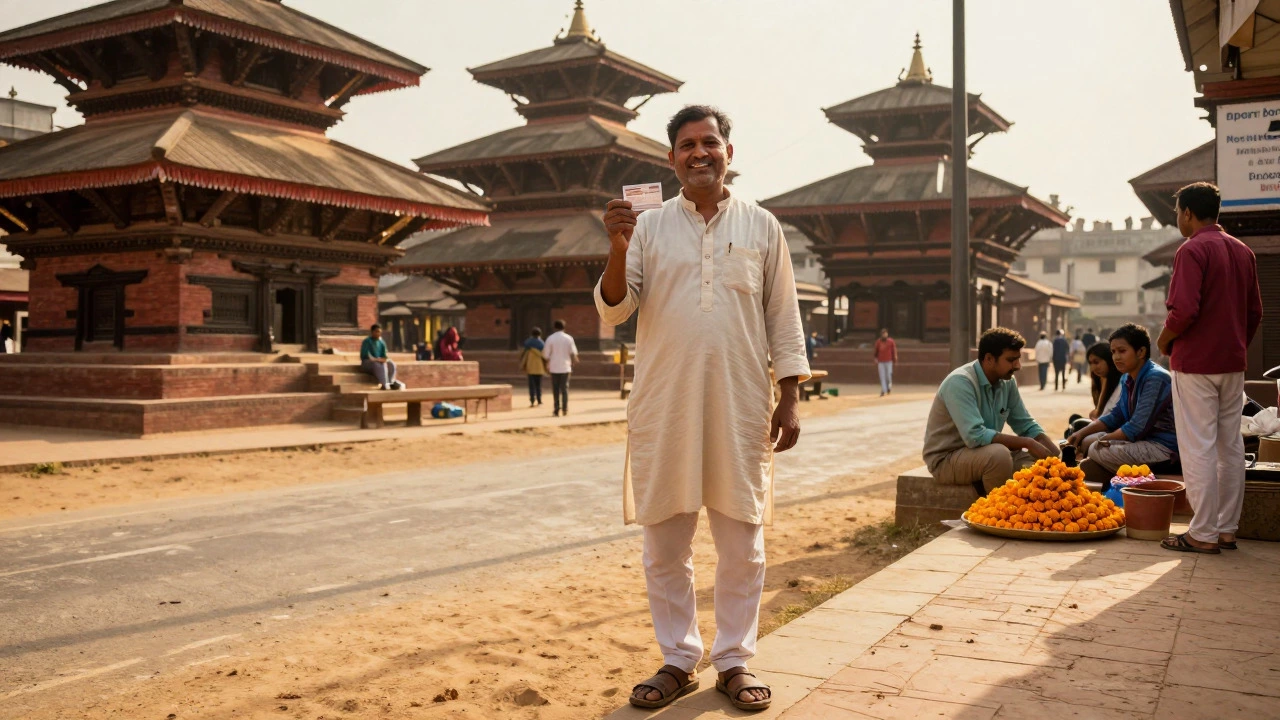
Nepal is the undisputed king of ease for Indian travelers. You don’t even need a passport; a Voter ID card works. The open border means you can hop on a bus from Gorakhpur to Kathmandu without stopping for immigration checks. This isn't just convenient; it creates a psychological sense of belonging. Nepali culture shares deep Hindu and Buddhist roots with northern and eastern India. You hear Hindi spoken widely, eat dal-bhat (which is basically dal-chawal), and see temples that mirror those in Varanasi. If "friendliness" means "zero hassle," Nepal wins by a landslide.
For international flights, Sri Lanka has made massive strides recently. After its economic crisis stabilized, they introduced free visa schemes for many nationalities, including Indians. The cultural affinity is strong-tea plantations remind you of Munnar, and the food spice levels match Tamil Nadu palates. However, recent economic instability means you should check current inflation rates before booking. Friendliness here is high, but infrastructure reliability varies.
| Country | Visa Status for Indians | Cultural Affinity Score (1-5) | Best For |
|---|---|---|---|
| Nepal | No Visa Required | 5/5 | Budget travel, spiritual tours |
| Thailand | Visa Exemption / VOA | 3/5 | Foodies, nightlife, beaches |
| Malaysia | eNTRI / eVISA | 4/5 | Muslim families, halal food seekers |
| Indonesia | Visa on Arrival | 3/5 | Honeymoons, digital nomads |
| UAE | eVisa / On Arrival | 4/5 | Luxury shopping, family holidays |
The Diaspora Factor: Where Your Community Welcomes You
There’s a different kind of friendliness found in places with large Indian diasporas. When you land in these cities, you’re not just a tourist; you’re part of a community. This changes everything. You can find authentic Gujarati thalis in London, Punjabi gurdwaras offering free langar in Toronto, or Tamil temples in Singapore.
United Arab Emirates (UAE) stands out because Indians make up nearly 40% of the population. In Dubai or Abu Dhabi, you aren’t an outsider. You can speak Hindi, Tamil, or Malayalam in taxi cabs and shops. The legal system accommodates Islamic law but respects other faiths visibly-you’ll see Hindu temples and Sikh gurdwaras right next to mosques. For families with elderly parents who struggle with language barriers, the UAE is arguably the most comfortable non-Indian destination. The heat is intense, but the social comfort is unmatched.
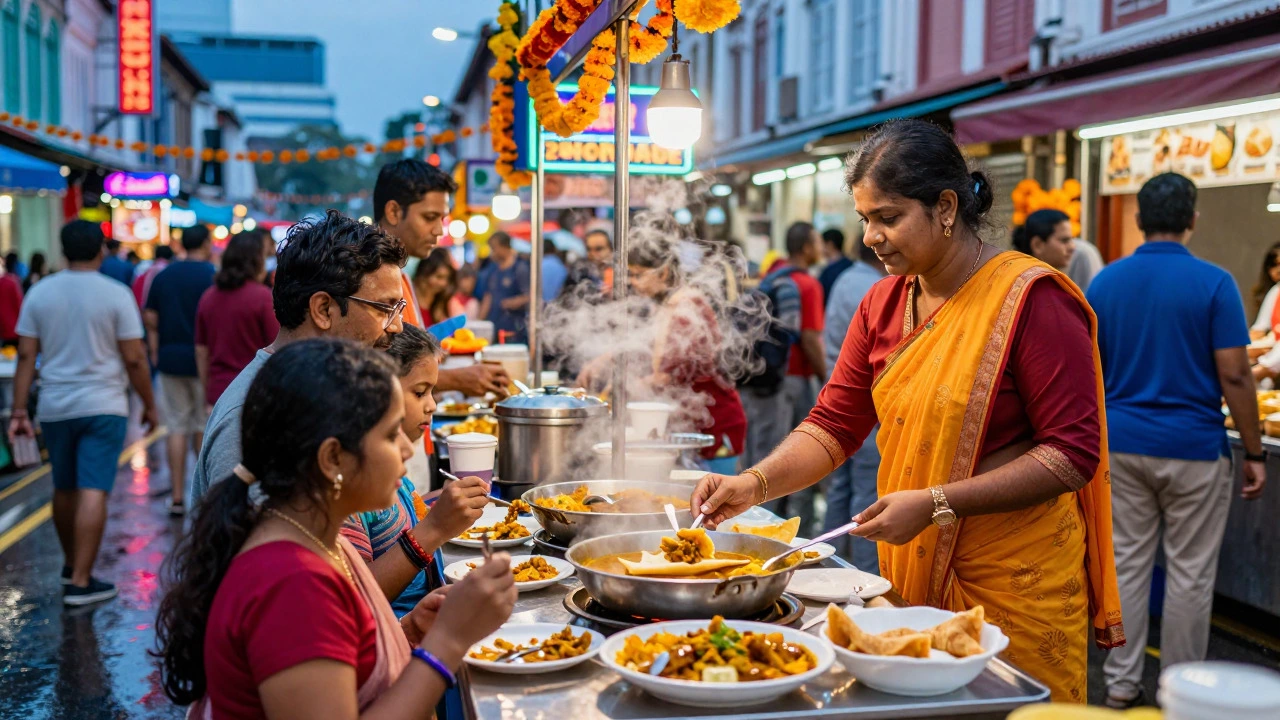
Singapore offers a unique blend. It’s strict, clean, and efficient, which some might mistake for coldness. But look closer. Over 9% of the population is ethnic Indian. You can order "roti prata" with curry sauce at any hawker center and get exactly what you’d expect. During Deepavali, Little India lights up so brightly that locals join the celebrations. The government actively promotes multiculturalism. While the cost of living is high, the respect for Indian customs is institutionalized, not just incidental.
Cultural Resonance: Countries That Understand Indian Values
Some countries don’t have big Indian populations, yet they feel surprisingly welcoming because their values align with traditional Indian sensibilities. Think about hospitality, family orientation, and respect for elders.
Japan often surprises first-time visitors. Yes, the language barrier is real. But Japanese culture places immense value on politeness, cleanliness, and safety-values deeply ingrained in Indian upbringing. Crime against tourists is virtually nonexistent. When you ask for directions, people go out of their way to help, often walking you to the destination. Food-wise, Japan is challenging for strict vegetarians, but the rise of vegan-friendly cafes in Tokyo and Kyoto has improved things significantly. The mutual respect between cultures is palpable. Indians appreciate the order; Japanese appreciate the warmth.
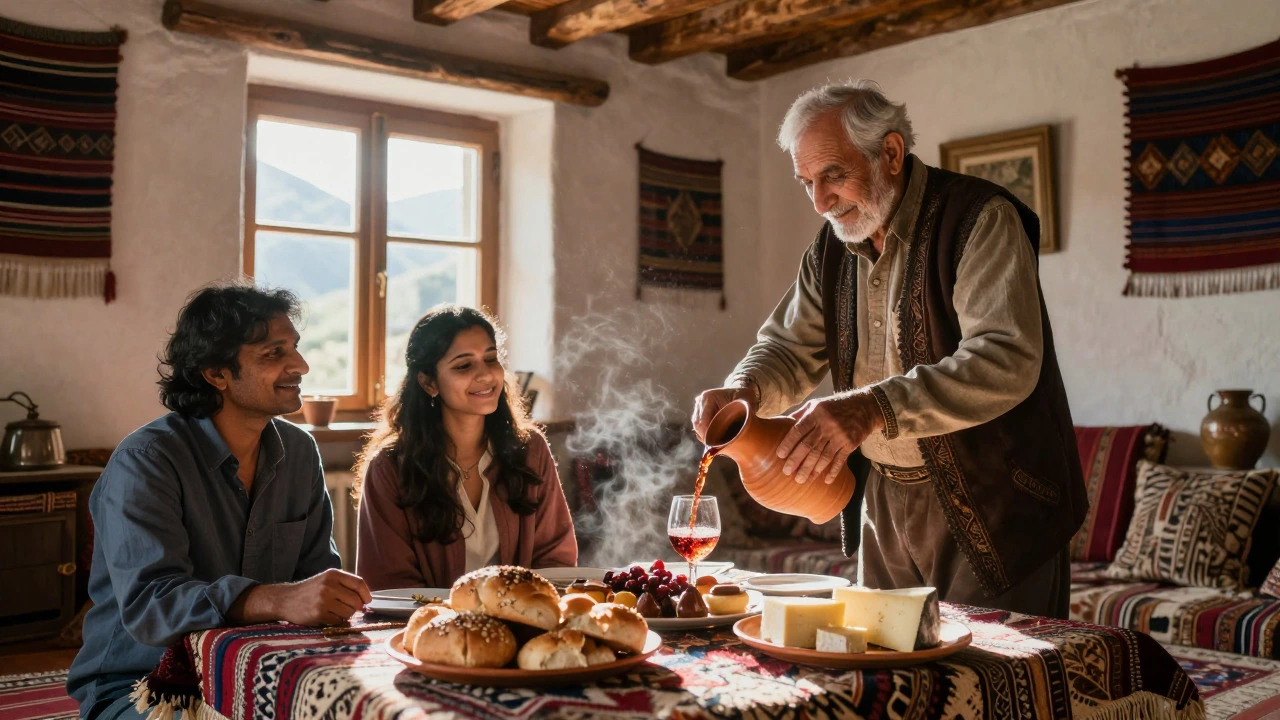
In contrast, consider Georgia. This small Caucasus nation has become a hotspot for Indians. Why? Because Georgians love hosting. Their concept of hospitality rivals Indian traditions. They offer wine, food, and stories freely. The visa process is simple for Indians (often e-visa or visa-free depending on current policy updates). The landscape looks like Himachal Pradesh or Kashmir, giving a visual familiarity. Locals are curious about India, having watched Bollywood films since the Soviet era. You’ll often hear "Namaste" greeted back with genuine smiles.
Dietary Friendliness: Can You Actually Eat There?
A major pain point for Indian travelers is food. Being a vegetarian or avoiding beef/pork due to religious beliefs shouldn’t limit your world. "Friendly" means you don’t starve or spend hours explaining your diet.
Malaysia is a haven for Muslim and Hindu Indians alike. Halal certification is rigorous and widespread, meaning almost all meat is permissible for Muslims. For Hindus, finding vegetarian options is easy due to the large Tamil and Malayali communities. Malaysian cuisine shares spices like turmeric, cumin, and coriander. Nasi Lemak might replace your idli-sambar, but the flavor profile feels comforting. Plus, the weather is hot and humid, just like Kerala or Goa, so you won’t suffer from jet lag related to climate shock.
On the flip side, Northern European countries like Germany or Sweden can be tough. Vegetarianism is growing, but traditional diets rely heavily on pork and dairy-heavy meats. You’ll need to plan meals carefully. Unless you’re prepared to live on salads and cheese, these countries require more effort than Southeast Asia.
Safety and Perception: The Reality Check
Friendliness also means feeling safe. Unfortunately, racism exists everywhere. However, the type of interaction differs. In Western Europe, microaggressions might be subtle. In parts of East Asia, curiosity might feel intrusive but is rarely malicious.
Statistically, countries with lower crime rates and higher tourism dependence tend to be safer. Iceland consistently ranks as one of the safest countries globally. While the population is small, the tolerance level is high. You are unlikely to face harassment. Similarly, New Zealand has a reputation for being laid-back and inclusive. The indigenous Maori culture shares similarities with Indian tribal traditions regarding community and nature worship. Many Indians report feeling instantly relaxed upon arrival.
However, avoid generalizing entire continents. While France faces protests and strikes that can disrupt travel, individual interactions remain polite. The key is managing expectations. No country is perfect. But some make the friction of travel smoother than others.
How to Choose Your Next Destination
So, how do you decide? Use this decision tree:
- If you want zero paperwork: Go to Nepal or Bhutan. You’ll feel like you’re visiting extended family.
- If you want luxury and ease: Choose the UAE or Singapore. Language barriers vanish, and service standards are high.
- If you want adventure and warmth: Try Georgia or Vietnam. Locals are eager to engage, and costs are low.
- If you want cultural depth: Visit Japan or South Korea. Respect is high, but you must adapt to local norms strictly.
Remember, friendliness is reciprocal. Travelers who dress modestly, learn basic greetings, and respect local customs receive warmer responses. Indians are known for their warmth; bring that energy abroad, and you’ll find doors opening faster than any visa waiver could achieve.
Which country gives the easiest visa to Indian citizens?
Nepal and Bhutan are the easiest as they do not require a traditional visa for Indian nationals (only a permit or ID). For international travel, Thailand, Malaysia, and Sri Lanka frequently offer visa exemptions or simple e-visa processes with quick approvals.
Is it expensive to travel to friendly countries for Indians?
Not necessarily. Nepal, Vietnam, Indonesia, and Sri Lanka are budget-friendly. Singapore and the UAE are more expensive but offer good value for money in terms of safety and convenience. Always compare flight deals from your specific city, as prices vary significantly.
Are Indian vegetarian options available in Europe?
Yes, but it requires planning. Major cities in the UK, Germany, and France have numerous Indian restaurants and vegan cafes. However, in rural areas, vegetarian options may be limited to salads or pasta without meat. Learning key phrases for "no meat" is essential.
Do I need to speak English in friendly countries?
In countries like Singapore, Malaysia, and the UAE, English is widely spoken. In Nepal, Hindi is understood. In Japan or Georgia, English proficiency is lower, so translation apps or phrasebooks are highly recommended despite the friendly attitude of locals.
What is the safest country for solo female Indian travelers?
Iceland, New Zealand, and Japan are frequently cited for high safety ratings. Singapore is also very safe with excellent public transport. Always research specific neighborhoods, as safety can vary within cities regardless of the country's overall rating.