Char Dham Planner
Select the option that best describes your travel profile to get a personalized recommendation.
Ease & Warmth
Traveling with seniors, prefer sea-level ease, warm climate, or want a calm start.
Easy AccessIntensity & Scenery
Seeking spiritual intensity, high-altitude views, and have good physical stamina.
Hard AccessHistory & Ocean
Interested in Krishna's history, arid landscapes, and winter coastal vibes.
Moderate AccessFestivals & Culture
Love vibrant culture, Rath Yatra energy, and easy rail connectivity from East/North.
Easy AccessClick one of the options above to see your recommended first stop.
You’ve decided to do the Char Dham pilgrimage. It’s one of the most rewarding spiritual journeys you can take in India. But here is the problem: these four sacred sites are scattered across the entire subcontinent. Badrinath sits high in the Himalayas, while Rameswaram lies at the southern tip of the peninsula. You cannot drive from one to the other in a weekend. If you try to do all four in one trip without planning, you will spend more time in transit than in prayer.
So, which one should you visit first? The answer isn’t just about geography; it’s about your physical stamina, the season, and what kind of experience you want to start with. Choosing the wrong starting point can lead to altitude sickness, missed festivals, or sheer exhaustion. Let’s break down how to pick the right entry point for your journey.
Key Takeaways
- For beginners: Start with Rameswaram or Puri due to easier accessibility and milder climates.
- For devotees seeking intensity: Begin with Badrinath, but only between May and June to avoid monsoon landslides.
- For coastal lovers: Dwarka offers a unique blend of ocean worship and desert landscapes, best visited in winter.
- Logistics matter: Do not attempt to link Badrinath and Dwarka by road in a single short trip; they are on opposite sides of the country.
Understanding the Geography of the Four Dhams
The concept of the Char Dham was popularized by Adi Shankaracharya in the 8th century to unify Hindu worship across regions. Each site represents a different aspect of divinity and a different geographic extreme.
| Dham | Location | Best Time to Visit | Accessibility Level |
|---|---|---|---|
| Badrinath | Uttarakhand (North) | May - June, Sept - Oct | Hard (High Altitude, Mountain Roads) |
| Dwarkadhish | Gujarat (West) | October - March | Moderate (Coastal, Flat Terrain) |
| Rameswaram | Tamil Nadu (South) | November - February | Easy (Train connectivity via Pamban Bridge) |
| Puri Jagannath | Odisha (East) | July (Rath Yatra), Winter | Easy (Major rail hub) |
This table shows why "where" matters as much as "when." If you live in Australia or Europe and have limited vacation days, trying to hit two geographically distant Dhams like Badrinath and Rameswaram in ten days is a recipe for disaster. You need to group them logically.
Option 1: Start with Rameswaram if You Want Ease and Warmth
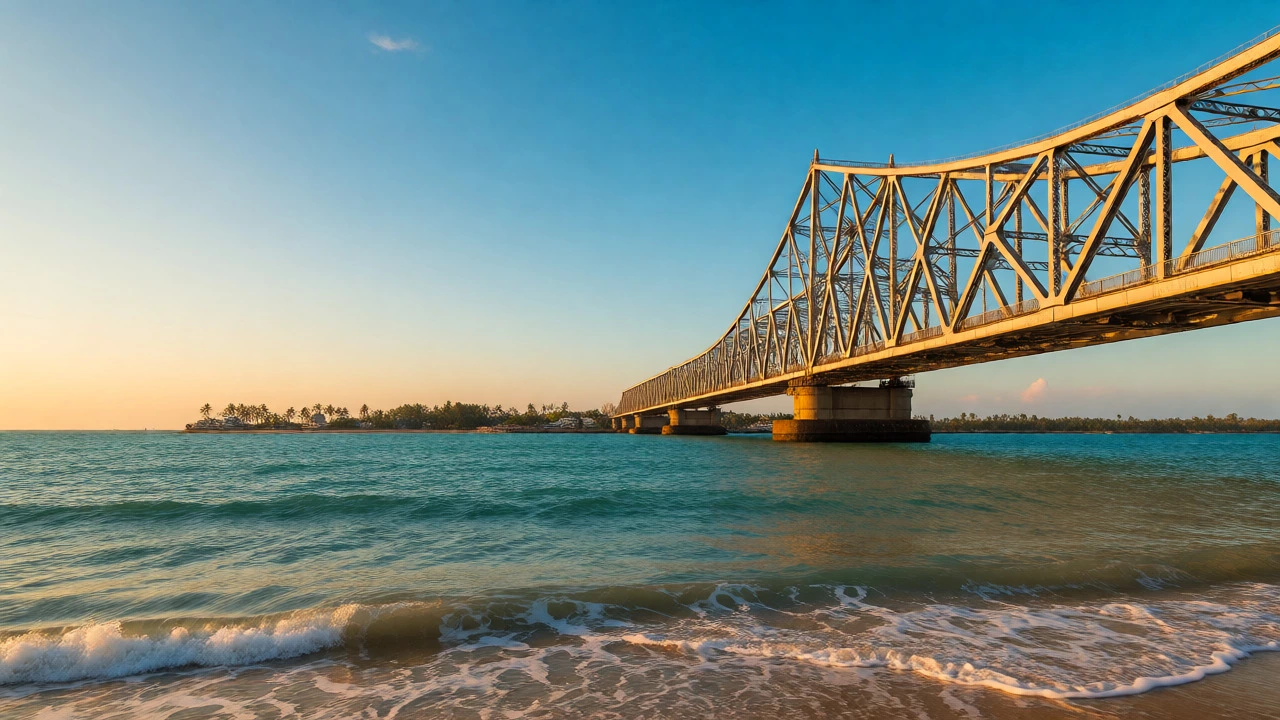
If you are new to Indian pilgrimages or traveling with elderly family members, Rameswaram is the safest bet. Located on an island in the Gulf of Mannar, it is connected to mainland Tamil Nadu by the iconic Pamban Bridge. The climate is warm year-round, so you don’t need heavy gear. The Ramanathaswamy Temple features the longest temple corridor in India, stretching over 1,000 meters. Walking through it feels meditative rather than exhausting.
Why start here? Because the logistics are forgiving. Trains from Chennai reach Madurai or Rameswaram directly. There are no mountain passes to worry about. You can combine this with visits to nearby Madurai Meenakshi Temple or even extend your trip to Sri Lanka, which is culturally linked to this region. It sets a calm, positive tone for your spiritual journey without the stress of difficult travel.
Option 2: Choose Badrinath for Spiritual Intensity and Scenery
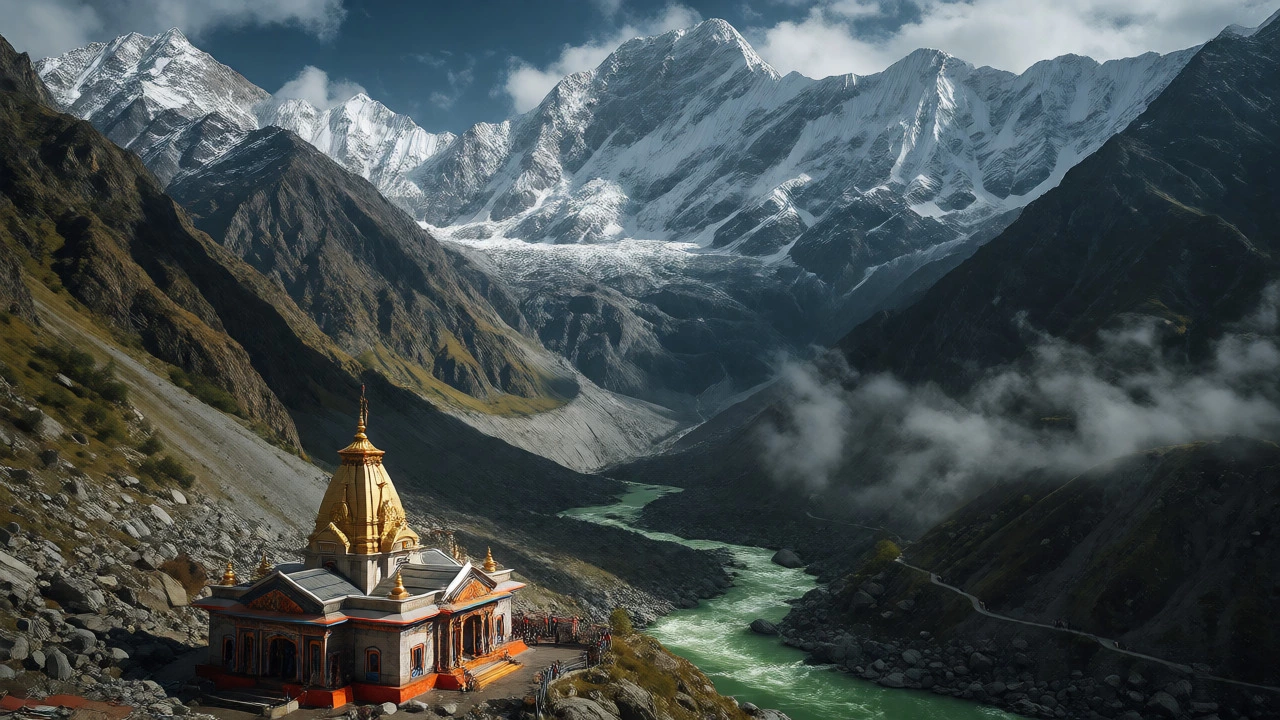
Badrinath is often considered the crown jewel of the Char Dham. Situated at 3,100 meters above sea level, it requires physical effort. You must fly into Jolly Grant Airport in Dehradun or take a train to Haridwar/Rishikesh, then drive for 10-12 hours through winding mountain roads. Many people get motion sickness or mild altitude headaches.
However, the payoff is immense. The Alaknanda River rushes below, and the Neelkanth Peak looms overhead. If you choose Badrinath first, be aware that the temple opens only for six months a year. Attempting to go in July or August during the monsoon is risky because landslides frequently block the highways. Go in late May or early June when the snow has melted, but before the crowds peak in September.
Pro Tip: If you choose Badrinath, consider doing the Chota Char Dham circuit (Yamunotri, Gangotri, Kedarnath, Badrinath) together. This keeps you in Uttarakhand, saving massive amounts of inter-state travel time.
Option 3: Pick Dwarkadhish for History and Ocean Vibes
Dwarka in Gujarat is steeped in legend. It is believed to be the ancient kingdom of Lord Krishna. Today, the modern town sits near the ruins of the old submerged city. The Dwarkadhish Temple is majestic, overlooking the Arabian Sea. Unlike the mountainous north or the tropical south, Dwarka offers a dry, arid landscape with strong winds and vast horizons.
This is a great choice if you enjoy history and archaeology. You can visit the Bet Dwarka island, accessible by ferry, where Krishna is said to have spent his later years. The food here is vegetarian and rich in Gujarati flavors-think dhokla and farsan. Travel is straightforward via flight to Jamnagar or Rajkot, followed by a short bus or taxi ride. Winter months (November to February) offer pleasant temperatures, making it comfortable for walking around the temple complex and the Gomti Ghat.
Option 4: Begin with Puri if You Love Festivals and Culture
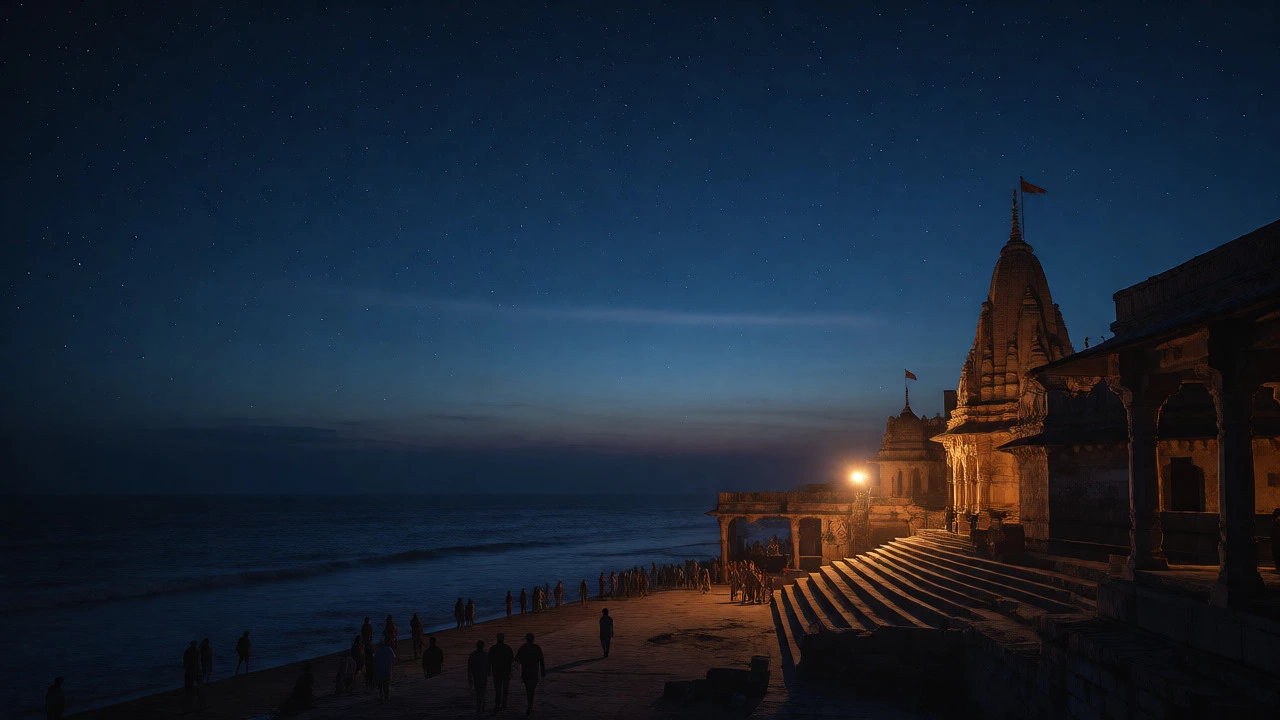
Puri in Odisha is home to the Jagannath Temple, famous for its annual Rath Yatra (Chariot Festival). Even outside festival times, the energy here is palpable. The temple is part of the Puri Konark Sun Temple UNESCO World Heritage Site cluster, allowing you to mix religious pilgrimage with architectural marvels.
Puri is incredibly accessible. Bhubaneswar airport is well-connected, and trains run frequently from Kolkata, Delhi, and Mumbai. The coastal breeze moderates the heat, though summers can still be humid. Starting with Puri gives you a taste of East Indian culture, distinct from the North or South. The Mahaprasad (food offered to the deity) served in the Ananda Bazar kitchen is legendary and free for all, regardless of caste or creed. It’s a powerful introduction to the ethos of seva (service) in Hindu temples.
How to Plan Your Route Based on Your Location
Your starting point should depend on where you are flying from. If you are coming from Southeast Asia or Southern India, start in the South (Rameswaram). If you are from the Middle East or Western India, start in the West (Dwarka). If you are from North America or Europe, consider starting in the North (Badrinath) or East (Puri) depending on your interest in mountains versus coast.
Do not underestimate the internal travel within India. A flight from Delhi to Chennai takes three hours, but adding ground transport to Rameswaram adds another five. Always buffer your itinerary. If you plan to visit two Dhams, pick ones that are somewhat closer or connected by direct flights. For example, Puri and Rameswaram are both eastern/southern coastal areas, but they are still far apart. A better pairing might be Dwarka and Rameswaram if you are willing to use multiple flights, or Badrinath and Kedarnath if you stay in one state.
Common Mistakes Pilgrims Make
One major mistake is underestimating the dress code. All Char Dham temples enforce strict traditional attire. Men must wear dhotis or lungis (often provided at the entrance), and women must wear sarees or salwar kameez. Shorts and t-shirts are strictly prohibited. Carry appropriate clothing to avoid being turned away at the gate.
Another error is ignoring local guides. While apps help, the rituals at each temple vary significantly. At Badrinath, the puja involves specific offerings from the Garhwal region. At Rameswaram, the focus is on the holy wells (theerthams). Hiring a local priest or guide ensures you perform the rites correctly and gain deeper context. They also help navigate the chaotic queues efficiently.
Finally, check for health advisories. Badrinath requires acclimatization. If you have heart conditions or respiratory issues, consult a doctor before attempting the high-altitude trek. Conversely, Rameswaram and Puri are low-lying, but humidity can be draining. Stay hydrated and rest upon arrival before diving into long temple visits.
Can I visit all four Dhams in one trip?
Yes, but it requires significant time and budget. Most complete Char Dham yatra packages span 15 to 21 days. It involves multiple domestic flights and long road journeys. It is physically demanding and usually recommended for those who have already visited individual sites or are experienced travelers.
Which Dham is easiest for senior citizens?
Rameswaram and Puri are generally the easiest. Both are at sea level, have good medical facilities nearby, and are accessible by train or car without steep climbs. Badrinath is challenging due to altitude and rough roads, while Dwarka is moderate but involves hot weather.
Is there a specific order I must follow?
Traditionally, there is no strict rule, but many devotees follow the clockwise direction starting from the North (Badrinath) moving to the West (Dwarka), South (Rameswaram), and East (Puri). However, practicality often dictates the order based on season and flight availability.
What is the best month to visit Badrinath?
Late May to mid-June is ideal. The weather is clear, roads are open, and the snow melt makes the rivers vibrant. Avoid July and August due to heavy monsoons causing landslides. September is also good but cooler.
Do I need special permits for any of the Dhams?
No special government permits are needed for the main temple darshan at any of the four Dhams for Indian nationals or foreigners. However, for Badrinath, vehicle registration for certain routes may be required during peak seasons, and ID proof is mandatory for hotel bookings and temple entries.