Find Your Perfect Trekking Hub
Not sure which region suits your style? Answer three quick questions to find your ideal trekking destination.
Mix of forests, snow, and meadows.
Monasteries, villages, and scenic valleys.
High altitude, barren landscapes, solitude.
Rainforests, tea estates, waterfalls.
I prefer gentle walks or short hikes (up to 5km/day).
I can handle multi-day treks with some elevation gain.
I want reliable homestays, guides, and easy access.
I don't mind basic facilities if it means isolation.
Your Recommended Region:
Best For
Peak Season
Infrastructure
Avg Daily Cost
Ask ten hikers which place holds the title for the hiking capital of India, and you’ll likely get five different answers. Some will shout "Manali," others will whisper "Kasol," while a hardcore group insists it’s all about the high-altitude passes of Ladakh. The truth? There isn’t one single city that owns this crown exclusively. Instead, India offers several distinct hubs, each serving a different kind of trekker. But if we look at infrastructure, variety, and accessibility, one region consistently rises to the top: Uttarakhand.
Why does Uttarakhand dominate the conversation? It’s simple geography mixed with decades of trail development. This northern state sits right at the foothills of the Himalayas, offering everything from gentle forest walks suitable for families to brutal, glacier-crossing expeditions that challenge seasoned mountaineers. Unlike other regions where you might need specialized permits or extreme fitness just to start, Uttarakhand welcomes beginners and experts alike. Let’s break down why this region-and its key rivals-deserve your attention on your next trip.
Uttarakhand: The Undisputed Hub for Variety
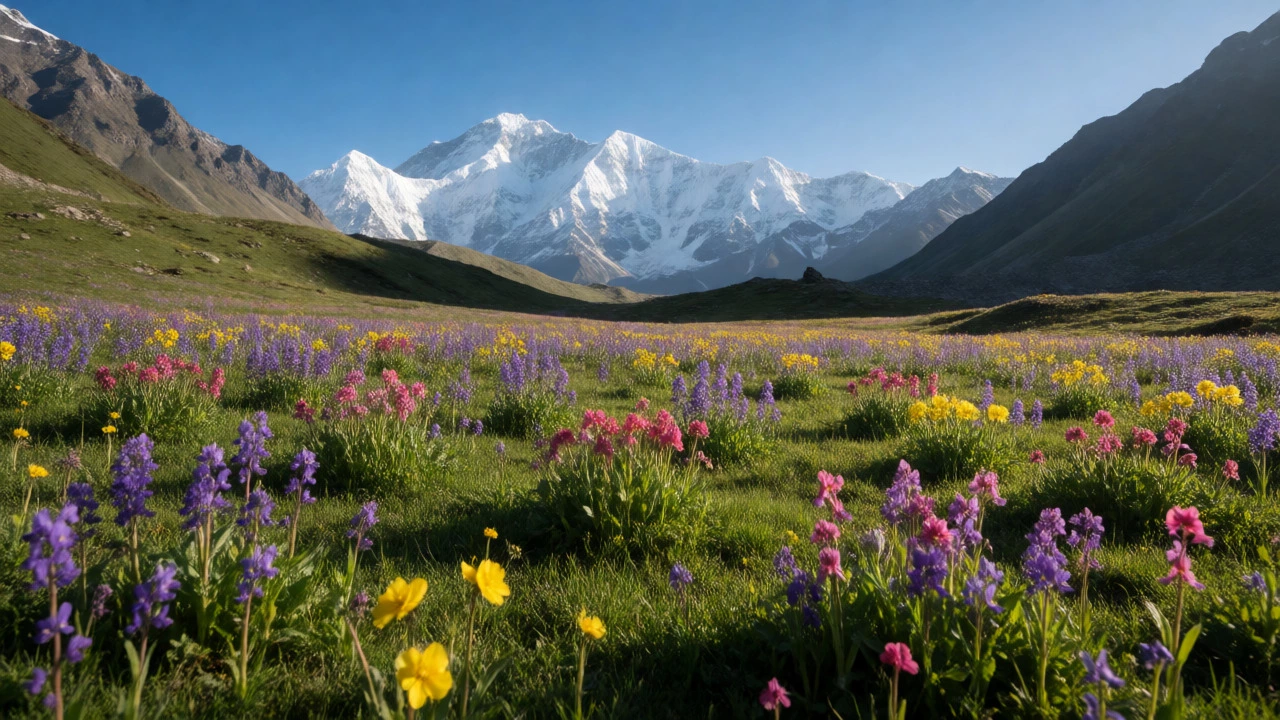
If you’re looking for the most comprehensive trekking experience, Uttarakhand is the answer. It hosts over 100 marked trails within easy reach of major transport hubs like Dehradun and Haridwar. The Valley of Flowers National Park is a UNESCO World Heritage Site known for its alpine meadows and diverse endemic flowers is just one example of what you can find here. But it’s not just about pretty pictures. The logistics are unmatched. Local guides, reliable homestays, and clear trail markers make navigation significantly safer than in more remote areas like Arunachal Pradesh.
Consider the Kedarkantha Trek a popular winter trek in the Garhwal Himalayas known for its snow-covered summit and panoramic views. It’s often called the "beginner’s dream" because it doesn’t require technical climbing skills but still delivers a genuine high-altitude thrill. You walk through pine forests, cross frozen streams, and camp under star-filled skies. For those wanting something harder, the Rupin Pass Trek a high-altitude trek connecting Himachal Pradesh and Uttarakhand via a steep snow tunnel offers a dramatic transition from lush valleys to barren, icy landscapes. The sheer density of options makes Uttarakhand the practical choice for anyone asking which is the hiking capital of India.
Himachal Pradesh: The Paradise for Alpine Meadows
While Uttarakhand wins on volume, Himachal Pradesh takes the prize for scenic beauty and cultural integration. If your idea of trekking involves stopping at ancient monasteries or sipping butter tea in a shepherd’s hut, this is your spot. The Hampta Pass Trek a crossover trek connecting the Kullu Valley with the Spiti Valley is iconic for a reason. One day you’re walking through green apple orchards; the next, you’re staring into the stark, moon-like landscape of Lahaul-Spiti. That contrast is rare globally.
The town of Manali acts as the gateway here. It’s bustling, touristy, and incredibly convenient. You can rent gear, hire a guide, and buy snacks all within a few blocks. However, be warned: popularity comes with crowds. During peak season (May to June), trails like Triund a short trek near Dharamshala offering views of the Dhauladhar range can feel more like a highway than a wilderness path. If you hate company, plan your trips for late September or early October when the crowds thin out but the weather remains stable.
Ladakh: The High-Altitude Frontier
For many, the true hiking capital isn’t a town-it’s an elevation. Ladakh represents the extreme end of Indian trekking. Here, the air is thin, the sun is harsh, and the terrain is unforgiving. The Markha Valley Trek a moderate trek along the Markha River featuring Buddhist villages and high passes is the classic introduction to this region. It’s culturally rich, passing through isolated villages where time seems to have stopped centuries ago.
But let’s be real: Ladakh isn’t for everyone. Acclimatization is non-negotiable. Most trekkers spend two full days in Leh before starting any physical activity to avoid acute mountain sickness. The infrastructure is also sparser. You won’t find ATMs in every village, and mobile connectivity is patchy at best. Yet, the reward is solitude. Walking across the Khardung La pass one of the highest motorable roads in the world, often used as a trekking route alternative area offers a sense of isolation that’s hard to replicate elsewhere in India. If you’re seeking silence and raw nature, Ladakh beats Uttarakhand hands down.
Kerala and the Western Ghats: The Green Alternative
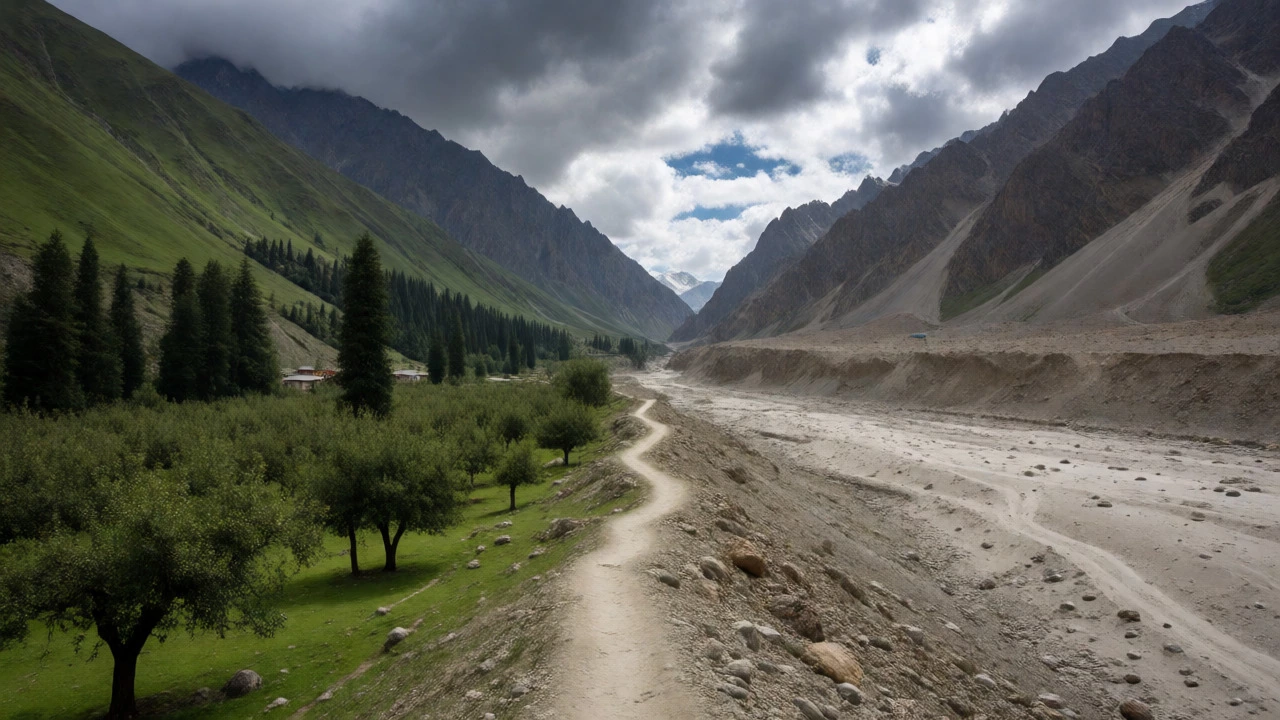
Not everyone wants snow. If you prefer rainforests, waterfalls, and spice plantations, the Western Ghats offer a completely different vibe. Munnar and Wayanad in Kerala are emerging as serious contenders for the hiking title, especially during the monsoon season when the rest of North India is inaccessible due to landslides. The Meesapulimala Trek the second highest peak in the Western Ghats located in Kerala provides a challenging climb through dense shola forests and rolling tea estates.
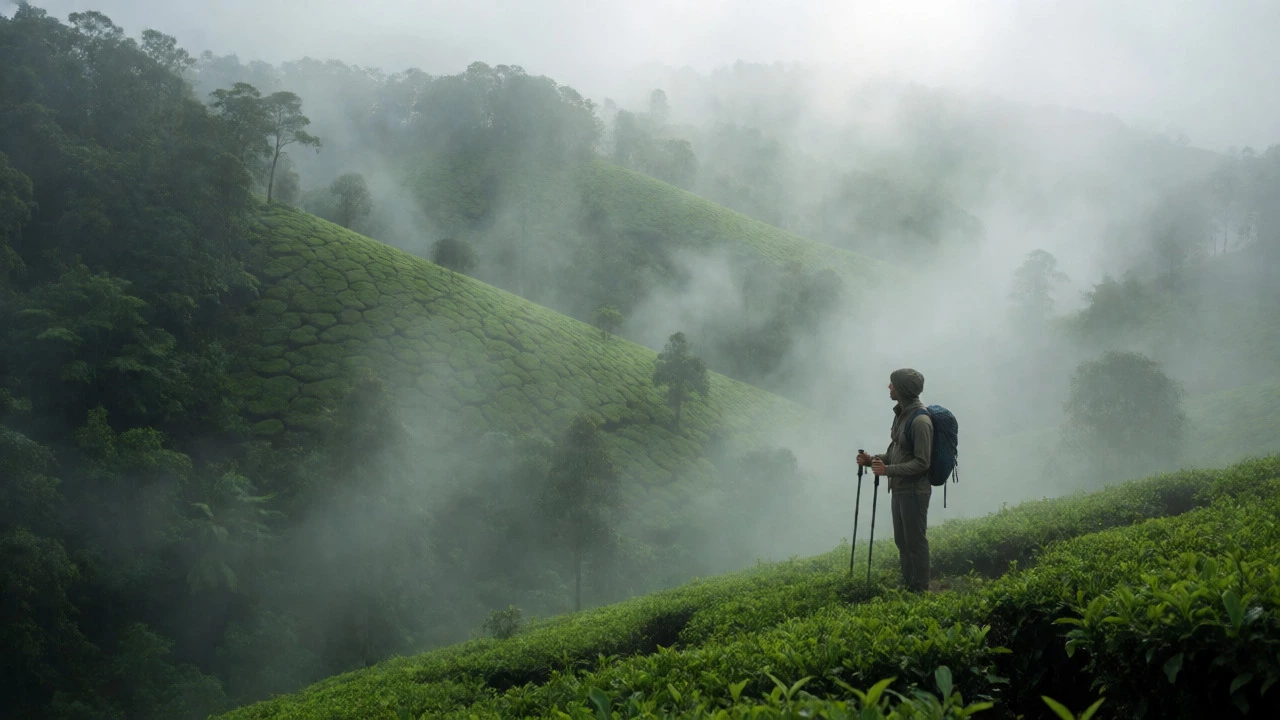
Trekking here feels less like an expedition and more like a nature immersion. You’re surrounded by mist, leeches (yes, bring salt!), and incredible biodiversity. The difficulty level is generally lower than Himalayan treks, making it ideal for casual walkers or families. However, humidity is the enemy. You’ll sweat more here than anywhere else in India. Proper breathable clothing and hydration strategies are critical. If you dislike cold temperatures, this southern option keeps the adventure alive year-round.
Comparing the Contenders: A Quick Guide
To help you decide which region fits your style, here’s a breakdown of the key factors. Note that "difficulty" is subjective and depends on your current fitness level.
| Region | Best For | Peak Season | Infrastructure | Average Cost (Per Day) |
|---|---|---|---|---|
| Uttarakhand | Variety, Beginners, Winter Treks | Apr-Jun, Sep-Nov | Excellent (Guides, Homestays) | $30 - $60 |
| Himachal Pradesh | Scenic Views, Cultural Stops | May-Jul, Sep-Oct | Good (Crowded in Peak) | $40 - $70 |
| Ladakh | High Altitude, Solitude, Photography | Jun-Sep | Moderate (Basic Facilities) | $50 - $90 |
| Western Ghats | Monsoon Trekking, Wildlife, Tea Trails | Jul-Sep, Dec-Feb | Good (Eco-resorts common) | $25 - $50 |
Practical Tips for Your First Big Trek
Regardless of which region you choose, preparation saves lives. Start training three months in advance. Focus on cardio-running or cycling-and leg strength exercises like squats and lunges. You don’t need to be an athlete, but carrying a 10kg backpack for six hours requires stamina.
- Gear Check: Broken-in boots are essential. Never wear new shoes on a multi-day trek. Blisters will ruin your trip faster than altitude sickness.
- Hydration Strategy: In the Himalayas, dehydration accelerates altitude sickness. Drink at least 3-4 liters of water daily, even if you don’t feel thirsty.
- Leave No Trace: Carry back all plastic waste. Many trails in Uttarakhand and Himachal are now strictly enforcing waste segregation rules.
- Local Guides: Hire them. Not only do they support the local economy, but they also know the safe paths during sudden weather changes.
One common mistake is underestimating the weather. Mountain weather changes rapidly. A sunny morning can turn into a hailstorm by afternoon. Always pack layers, including a waterproof shell. Checking forecasts is helpful, but trust the local guides’ intuition over your phone app.
Final Verdict: Where Should You Go?
So, which is the hiking capital of India? If you want the most complete package with the easiest access, pick Uttarakhand. It has the trails, the history, and the community. If you’re chasing specific aesthetics-like stark deserts or lush jungles-then Ladakh or Kerala might win your heart instead. The beauty of India’s trekking scene is that there’s no wrong choice, only different experiences. Pack your bags, lace up your boots, and go find your own definition of the hiking capital.
Is trekking in India safe for solo travelers?
Yes, generally speaking, trekking in popular regions like Uttarakhand and Himachal Pradesh is safe for solo travelers. Trails are well-marked, and you will encounter other groups regularly. However, for remote areas like parts of Ladakh or the Northeast, hiring a local guide or joining a small group is highly recommended for safety and navigation purposes.
What is the best time to visit the hiking capital of India?
For Uttarakhand and Himachal Pradesh, the best times are April to June and September to November. These windows avoid the heavy monsoon rains (July-August) which cause landslides, and the severe winter snow (December-February) which closes many high passes. For Ladakh, June to September is the only viable window due to road closures in winter.
Do I need special permits for trekking in India?
It depends on the location. Popular treks in Uttarakhand and Himachal usually require forest entry permits, which can often be obtained online or at checkpoints. Restricted areas like Sikkim, parts of Himachal (Spiti/Lahaul), and Ladakh require Inner Line Permits (ILP) or Protected Area Permits (PAP). Foreign nationals typically need PAPs for restricted zones, which must be arranged through registered travel agencies.
How much does a typical trek cost in India?
Costs vary widely based on comfort and duration. A budget self-guided trek might cost $20-$30 per day covering food and basic accommodation. Guided packages with camping equipment, meals, and permits typically range from $40 to $80 per day. Luxury trekking experiences with porter support and premium stays can exceed $100 per day. Flights and transport to the base camp are additional costs.
Can beginners hike in the Himalayas?
Absolutely. Many treks in Uttarakhand, such as Kedarkantha and Chopta-Tungnath, are designed specifically for beginners. They involve gradual ascents, manageable daily distances (4-6 km), and established campsites. Starting with these helps build confidence and acclimatize to altitude before attempting higher, more strenuous routes.