Trek Comparison & Suitability Checker
Click on the cards below to select up to 3 treks.
Comparison Results
Select treks from the list to see how they stack up against each other.
Are You Ready?
Check your preparedness for high-altitude trekking.
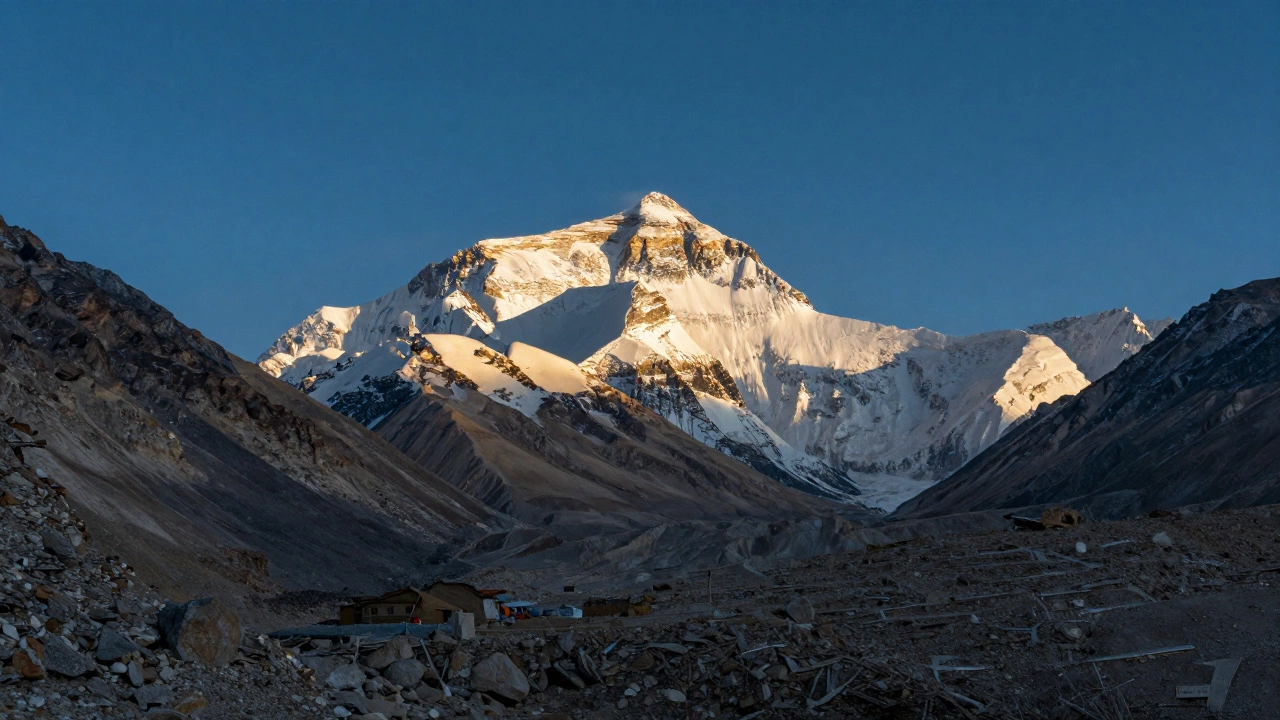
Most people think of Everest when they hear "high altitude," but if you are looking for the absolute highest point reachable by a trekker in India without using technical climbing gear like ropes and ice axes, the answer isn't what you might expect. It’s not K2. It’s not even Everest Base Camp. The title of the tallest trek in India belongs to a peak that sits right in the shadow of the world's highest mountain.
We are talking about Stok Kangri. Sitting at a staggering 6,153 meters (20,187 feet) above sea level, this peak in the Ladakh region offers a summit push that feels more like mountaineering than hiking. But here is the catch: while it is technically a trek, it requires serious preparation, permits, and physical conditioning. If you just show up with a backpack and good intentions, you won’t make it. Let’s break down exactly why Stok Kangri holds this crown, how it compares to other high-altitude options, and whether you are actually ready for it.
The Crown Jewel: Stok Kangri
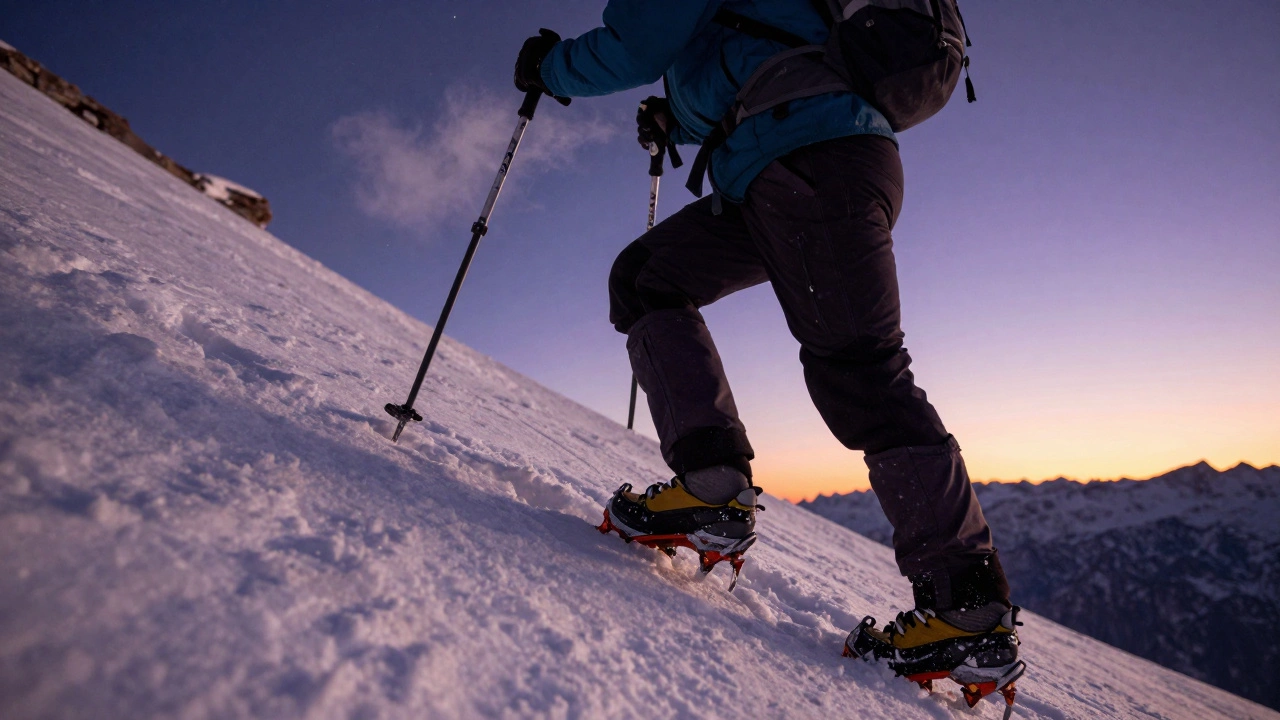
Stok Kangri is unique because it offers a summit experience that rivals major Himalayan peaks but doesn't require advanced technical climbing skills. You don't need to lead a route on sheer rock or navigate complex ice walls. The final ascent involves walking on snow and ice, often with crampons, but the gradient is manageable for a fit individual with proper guidance.
Here is what makes it stand out:
- Altitude: At 6,153m, it is significantly higher than most commercial treks in the country.
- Location: It overlooks the village of Stok and provides a direct view of the Nubra Valley and the Siachen Glacier region.
- Accessibility: Unlike remote peaks in Zanskar or Arunachal Pradesh, Stok Kangri is relatively close to Leh, the capital of Ladakh.
The base camp is usually set up at around 5,000 meters. From there, you hike up to a high camp at roughly 5,800 meters before making the pre-dawn summit push. The entire process typically takes 4 to 5 days. The air is thin-only about 50% of the oxygen available at sea level. This means your body works twice as hard just to breathe. That is the real challenge, not the slope itself.
Why Not Higher Peaks?
You might wonder, "If Stok Kangri is only 6,153m, why isn't a higher peak considered the tallest trek?" The distinction lies in the definition of "trek." In the context of Indian adventure tourism, a trek implies a journey where the primary mode of movement is walking, possibly with aid like poles or crampons, but without fixed ropes, ladders, or technical climbing equipment.
Peaks like Kamet (7,756m), Saltoro Kangri (7,742m), or even parts of the Nanda Devi range are much higher. However, these are classified as mountains requiring expeditions. They involve technical climbing, crevasse navigation, and specialized gear. For the average adventurer, these are off-limits. Stok Kangri sits in that sweet spot: high enough to be extreme, low enough to be accessible through guided trekking agencies.
Top Contenders for High-Altitude Treks
If Stok Kangri seems too intense, or if you want to compare options, here are the other major high-altitude contenders in India. While none match Stok Kangri's raw elevation, they offer their own unique challenges and beauty.
| Trek Name | Peak Height | Difficulty | Best Season | Key Feature |
|---|---|---|---|---|
| Stok Kangri | 6,153 m | Hard / Extreme | July - August | Highest non-technical trek |
| Satopanth Tal | 5,610 m | Moderate-Hard | June - September | Sacred glacial lake pilgrimage |
| Hampta Pass | 4,270 m | Moderate | June - September | Dramatic landscape shift from green to barren |
| Kedarkantha | 3,810 m | Easy-Moderate | Dec - Feb (Snow) | Great winter snow trek for beginners |
| Rupin Pass | 4,650 m | Moderate-Hard | June - September | Connects Himachal Pradesh and Punjab |
Notice the drop in altitude after Stok Kangri. Satopanth Tal in Uttarakhand is the next closest competitor in terms of height, but it remains below 6,000 meters. Most popular treks in India, like Triund or Kuangtze, stay well below 4,000 meters. This highlights just how extreme Stok Kangri really is.
Preparation: Are You Ready for 6,000 Meters?
Climbing Stok Kangri is not something you can wing. The physiological demands are severe. Here is what you need to know before booking a permit.
- Acclimatization is Non-Negotiable: You must spend at least 3-4 days in Leh (3,500m) before starting the trek. Your body needs time to produce more red blood cells to carry oxygen. Rushing this leads to Acute Mountain Sickness (AMS), which can be fatal at these heights.
- Physical Fitness: You should be able to run 5 kilometers comfortably or hike steep trails for 6 hours straight. Cardiovascular endurance is key. Strength training helps, but heart and lung capacity are the limiting factors.
- Gear Matters: You will need high-altitude sleeping bags (-20°C rated), insulated boots compatible with crampons, and layers that manage moisture. Cotton kills at this altitude; stick to wool or synthetics.
- Permits: Since Stok Kangri is near restricted military zones, you need an Inner Line Permit (ILP) and sometimes a Protected Area Permit (PAP). Reputable tour operators handle this, but never try to go solo without proper documentation.
The Experience: What It Feels Like
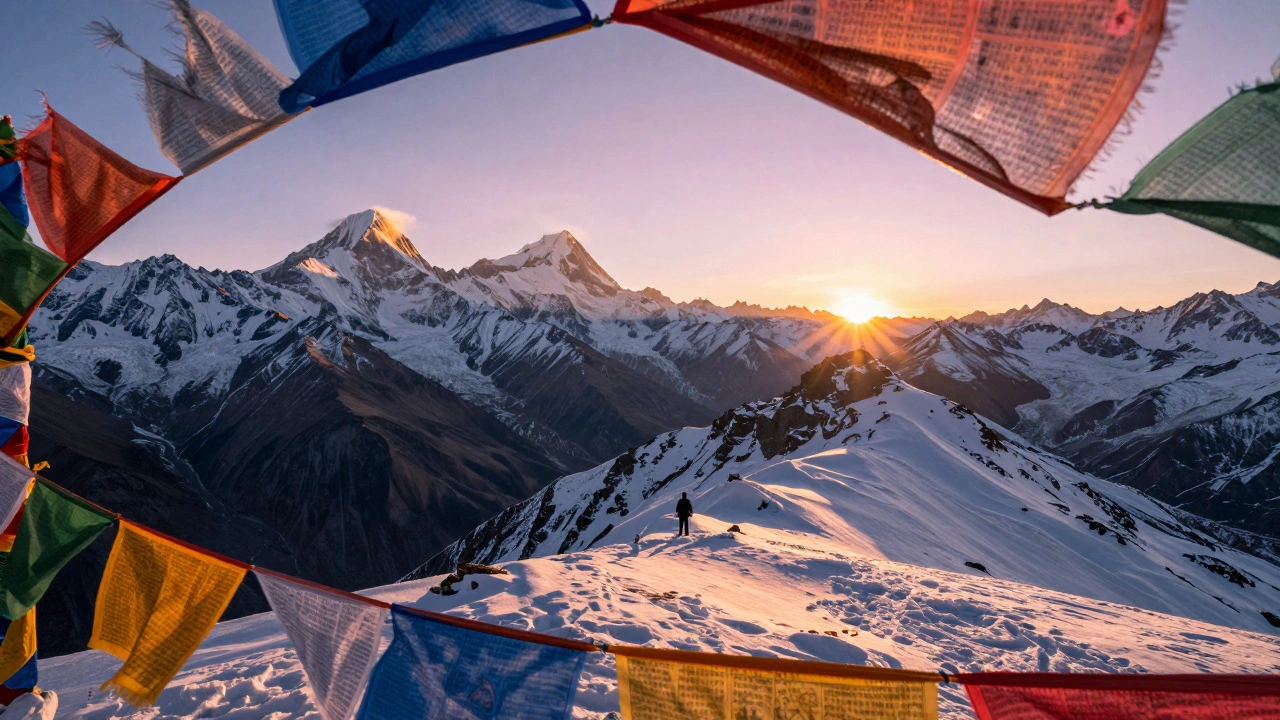
Imagine waking up at 2 AM in a tent that is freezing cold. You eat a quick carb-heavy meal and start moving into the dark. As you ascend, the stars seem closer than ever. By the time you reach the ridge, the sun begins to rise over the Zanskar range. The light hits the snow, turning the landscape gold and pink.
The summit itself is small, marked by prayer flags fluttering violently in the wind. The view is 360 degrees of jagged peaks, glaciers, and deep valleys. You feel tiny. The silence is profound, broken only by the sound of your own breathing and the crunch of crampons on ice. It is a humbling experience that changes how you perceive nature.
However, the descent is where many people struggle. Your legs are tired, your knees are stressed, and the terrain is uneven. Falling on ice can cause serious injury. Always use trekking poles and keep your center of gravity low.
Alternative: Technical Climbing for Experts
If you have prior mountaineering experience, you might look beyond Stok Kangri. Peaks like Pir Panjal (a 6,000m+ peak in Kashmir requiring technical skills) or Kamet (the second-highest unclimbed peak in India at 7,756m) offer greater challenges. These require hiring professional guides, carrying heavy loads, and mastering rope techniques. For the vast majority of travelers, however, Stok Kangri remains the ultimate goal.
When to Go
The window for attempting Stok Kangri is short. The best months are July and August. Before June, the passes are blocked by snow. After September, temperatures drop drastically, and storms become frequent. Attempting the trek outside this window is dangerous and often impossible due to weather conditions.
Keep in mind that July and August are also the peak tourist season in Ladakh. Book your permits and accommodation months in advance. Prices for guides and porters will be at their highest, but the reliability of services is better during this period.
Safety First: Risks and Mitigation
High-altitude trekking carries inherent risks. The most common is AMS. Symptoms include headache, nausea, dizziness, and fatigue. If you experience these, do not ignore them. Descend immediately. There is no cure for AMS except lower altitude. Carrying a portable hyperbaric chamber (Gamow bag) is recommended for groups, though rare on standard treks.
Another risk is frostbite. Exposed skin can freeze within minutes at 6,000 meters. Cover every part of your face, including ears and nose. Use sunscreen aggressively-the UV radiation at this height is intense and can burn skin in under an hour.
Finally, ensure your travel insurance covers high-altitude activities up to 6,000 meters. Standard policies often exclude medical evacuations from such heights. Helicopter rescue in Ladakh is expensive and logistically difficult, so having financial coverage is crucial.
Is Stok Kangri suitable for beginners?
No, Stok Kangri is not suitable for complete beginners. While it does not require technical climbing skills, the altitude of 6,153 meters poses significant health risks. Beginners should start with easier treks like Triund or Hampta Pass to build stamina and acclimatize to high altitudes before attempting Stok Kangri.
How much does a Stok Kangri trek cost?
The cost varies depending on the operator and group size, but generally ranges from ₹25,000 to ₹40,000 per person (approximately $300-$500 USD). This usually includes permits, camping equipment, food, and guide services. Personal gear and flights to Leh are extra.
Do I need special permits for Stok Kangri?
Yes, foreign nationals and Indian citizens alike require specific permits. Foreigners need a Protected Area Permit (PAP) and an Inner Line Permit (ILP). Indians need an ILP. These are processed through authorized agents in Leh. Attempting the trek without permits can result in fines or arrest.
What is the difference between a trek and a climb?
A trek primarily involves walking on established trails, possibly with some scrambling over rocks or snow. A climb involves technical maneuvers using ropes, harnesses, ice axes, and crampons to navigate vertical or near-vertical terrain. Stok Kangri is classified as a trek because the final ascent is a steep walk on snow, not a technical climb.
Can I attempt Stok Kangri independently?
It is highly discouraged to attempt Stok Kangri independently. The route requires local knowledge, proper acclimatization schedules, and emergency support. Hiring a certified guide and joining a group ensures safety and compliance with permit regulations.