Indian Tribal Adventure Finder
Select your preferred travel style to discover the most suitable tribal community and region for your next adventure.
High Altitude
Trekking & Motorbiking
Art & Forest
Safaris & Culture
Festivals
Village Tours
Isolation
Boat Viewing Only
Ladakhi / Changpa People
Region: Ladakh (North)Why they are famous: High-altitude resilience and deep Buddhist roots. They thrive in conditions where many tourists suffer from altitude sickness.
Adventure Activities
- Trekking (e.g., Tso Moriri Lake)
- Motorbike touring high passes
- River rafting
Travel Tips
- Best Time: June to September (roads open)
- Cultural Note: Always walk clockwise around stupas.
- Permits: Inner Line Permit (ILP) may be required.
Gond & Baiga Tribes
Region: Bastar, Chhattisgarh (Central)Why they are famous: The Gonds are one of India's largest tribal groups, renowned globally for their bold, geometric art. The Baigas maintain a deeper hunter-gatherer connection to the forest.
Adventure Activities
- Jungle safaris
- Waterfall hikes
- Art workshops
Travel Tips
- Fame Factor: Art and Forest Rituals
- Note: Buy handicrafts directly from makers.
- Safety: Check local security updates before visiting.
Naga Tribes
Region: Nagaland (Northeast)Why they are famous: Known for their warrior history, vibrant festivals like the Hornbill Festival, and distinct traditional attire. Comprises 16 major tribes including Angami, Ao, and Konyak.
Adventure Activities
- Village tours & homestays
- Hornbill Festival (December)
- Steep hill walks
Travel Tips
- Best Time: Early December for Hornbill Fest; Oct-Mar for weather.
- Cultural Note: Respect sacred spaces; some groves are off-limits.
- Permits: Protected Area Permit (PAP) often required.
The Sentinelese
Region: Andaman Islands (South)Why they are famous: One of the last uncontacted peoples on Earth. They actively reject outside contact, making them a symbol of indigenous resistance.
Adventure Activities
- Glass-bottom boat tours
- Reef viewing (from distance)
- No landing allowed
Travel Tips
- Access: Illegal to approach within 5km.
- Rule: Keep respectful distance; do not attempt contact.
- Status: Uncontacted tribe; protected by law.
⚠️ Ethical Engagement Checklist
You might think you know India’s diversity, but the tribal communities are often the most overlooked part of the story. When people ask, "Which tribe is famous in India?" they usually have one specific group in mind, often tied to viral photos or news stories. But the reality is far more complex and fascinating. There isn't just one famous tribe; there are several, each dominating a different niche of Indian travel, from high-altitude trekking in the Himalayas to deep-forest expeditions in Central India.
If you're planning an adventure trip, understanding these groups changes how you pack, where you go, and what you respect. Let's break down the tribes that actually matter for travelers today, why they are famous, and how you can engage with them without turning your holiday into a zoo visit.
The Ladakhi People: High-Altitude Icons
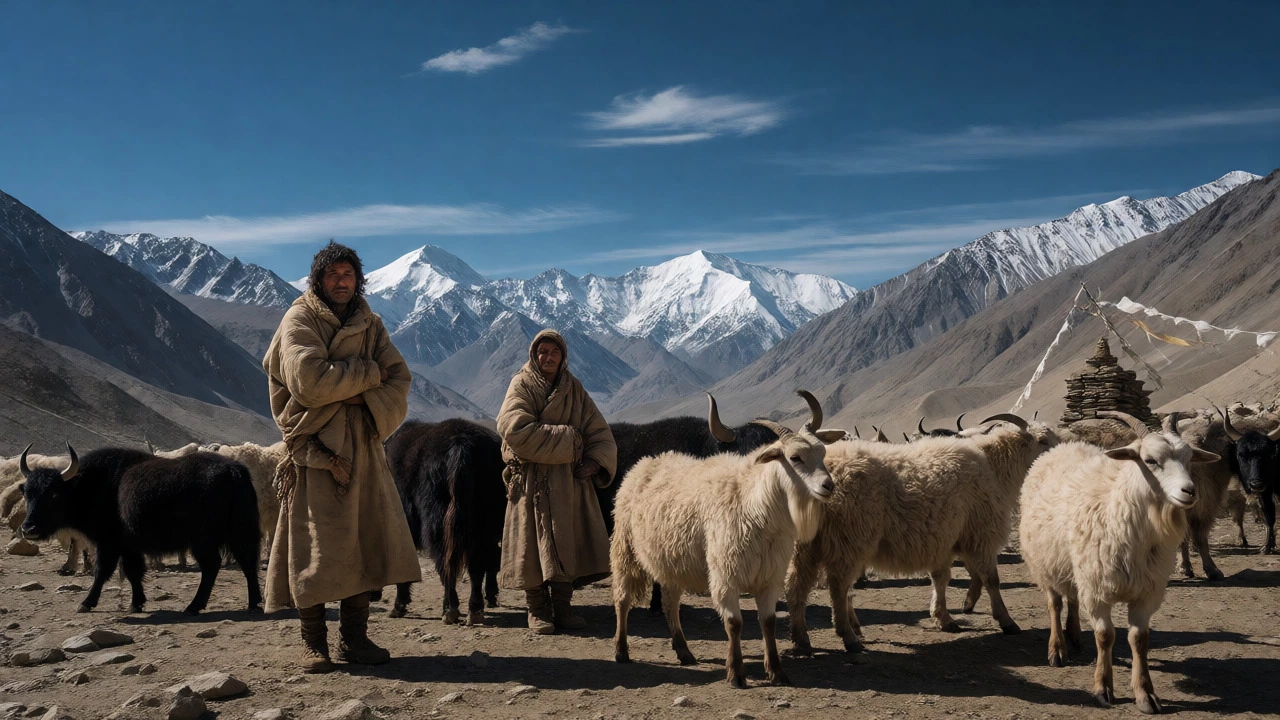
When most Western tourists hear "India," they picture Rajasthan. When adventure seekers hear it, they picture Ladakh. The Ladakhi people, who share cultural roots with Tibetans, are arguably the most globally recognized tribal community in India due to their location on the roof of the world. They aren't just "famous" because they look distinct; they are famous because they live in some of the harshest conditions on Earth.
Ladakh sits at an average elevation of over 3,500 meters. The Ladakhis have adapted physiologically to low oxygen levels, which is why they thrive while many tourists suffer from acute mountain sickness. If you are into trekking or motorbiking, this is your primary interaction point. The Changpa nomads, a sub-group of Ladakhis, move their herds of yaks and pashmina goats across the high pastures. Meeting a Changpa family is a highlight for many trekkers heading to Tso Moriri Lake.
- Best Time to Visit: June to September (roads open).
- Adventure Link: Trekking, motorbike touring, river rafting.
- Cultural Note: Buddhism is central here. Always walk clockwise around stupas.
The Gond and Baiga Tribes: Heart of Bastar
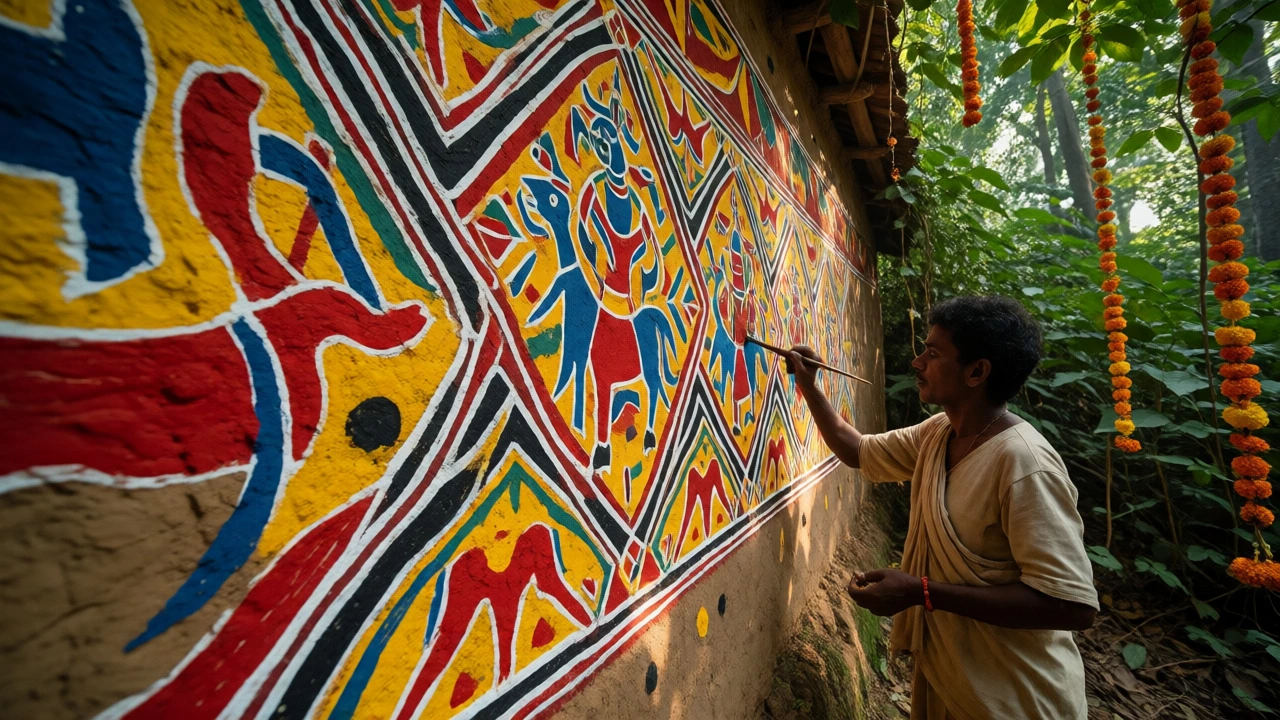
Shift your gaze south to Chhattisgarh, specifically the region known as Bastar. Here, the Gond tribe holds significant fame, not for mountains, but for art and forest resilience. The Gonds are one of the largest tribal groups in India, with millions of members spread across Central India. However, the Bastar region has made them internationally famous through their unique artistic expressions.
Why do travelers care? Because Gond art is everywhere. From murals on village walls to intricate metalwork, their aesthetic is bold and geometric. For adventure travelers, Bastar offers jungle safaris and waterfall hikes that feel prehistoric. The Baiga tribe, another prominent group in this region, are traditionally hunter-gatherers who maintain a deeper connection to the dense forests than the agricultural Gonds.
| Tribal Group | Region | Primary Fame Factor | Adventure Activity |
|---|---|---|---|
| Ladakhi / Changpa | Ladakh (North) | High-altitude resilience & Buddhism | Trekking, Motorbiking |
| Gond / Baiga | Bastar, Chhattisgarh (Central) | Art, Forest Rituals | Jungle Safari, Waterfall Hikes |
| Naga | Nagaland (Northeast) | Hornbill Festival, Warrior History | Village Tours, Cultural Immersion |
| Sentinelese | Andaman Islands (South) | Isolation, Uncontacted Status | Boat Viewing (No Landing) |
The Naga Tribes: Warriors of the Northeast
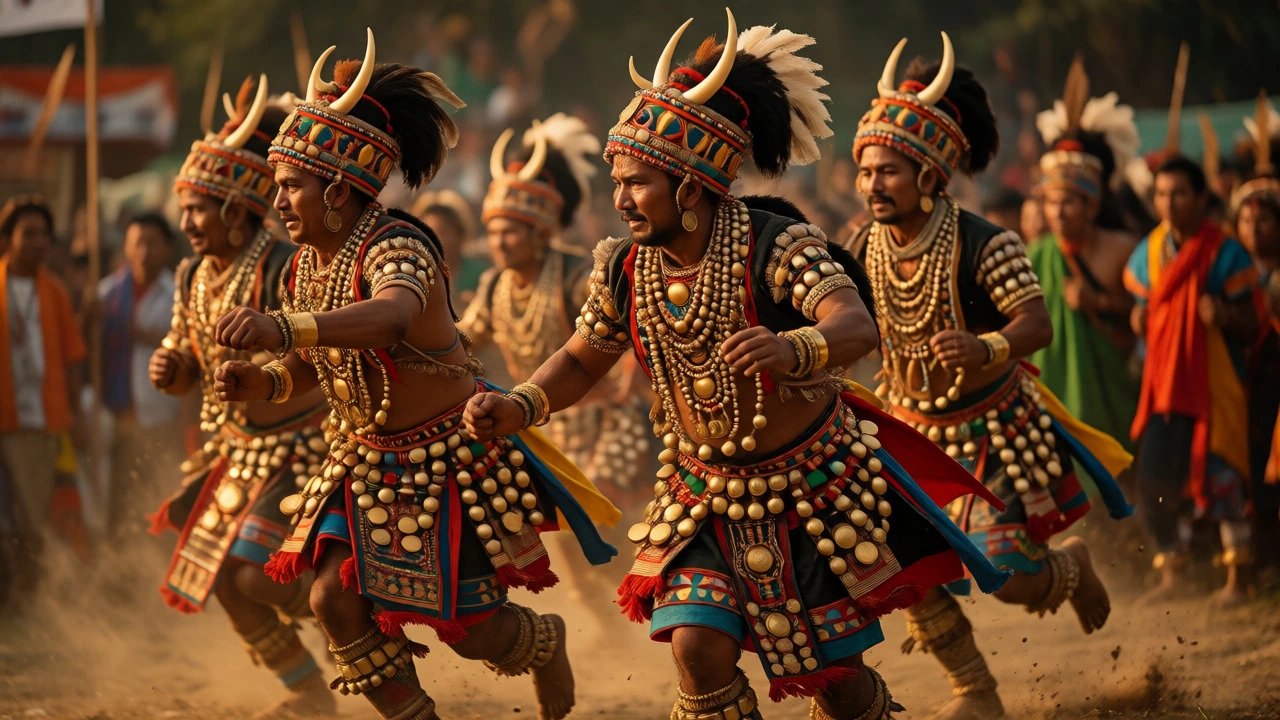
If you want raw cultural intensity, head to Nagaland. The Naga people are not a single tribe but a collection of 16 major tribes, including the Angami, Ao, and Konyak. They gained global infamy in the colonial era for head-hunting practices, which were only abandoned in the mid-20th century. Today, that fierce warrior history translates into vibrant festivals and striking traditional attire.
The Hornbill Festival, held every December in Kohima, is the main reason for their modern fame. It brings together various Naga tribes to showcase dance, music, and crafts. For the adventure traveler, visiting Naga villages involves steep hill walks and staying in homestays that offer no frills but plenty of authentic conversation. The Konyak tribe, known for tattooing faces, remains particularly intriguing for those interested in anthropology.
The Sentinelese: The Most Famous 'Uncontacted' Tribe
You’ve heard the name even if you haven’t read about them. The Sentinelese live on North Sentinel Island in the Andamans. They are famous for being one of the last uncontacted peoples on Earth. Unlike the others mentioned, you cannot visit them. In fact, approaching their island is illegal and dangerous.
Why include them in an adventure guide? Because their existence shapes the marine tourism rules in the Andamans. Tourists take glass-bottom boat tours near the reef but must keep a respectful distance. The Sentinelese actively reject outside contact, famously repelling visitors with arrows. This strict isolation makes them a symbol of indigenous resistance, drawing media attention whenever outsiders attempt to make contact.
How to Engage Respectfully
Knowing which tribe is famous is useless if you treat them like exhibits. Many tribal areas in India are sensitive zones. Here is a quick checklist for ethical engagement:
- Ask Before You Shoot: Never snap a photo of a tribal person without permission. A smile and a gesture usually suffice.
- Dress Modestly: Tribal societies can be conservative. Cover shoulders and knees when entering villages.
- Buy Direct: If you buy handicrafts, buy from the maker. Avoid middlemen who dilute the economic benefit.
- Respect Sacred Spaces: Some groves or hills are off-limits. Follow local guides strictly.
For those seeking adventure sports in India, integrating tribal culture adds depth. Trekking in Spiti Valley means interacting with Kinnaura people; exploring Meghalaya means meeting the matrilineal Khasi and Garo tribes. Each group offers a different lens on survival, community, and joy.
Final Thoughts on Tribal Tourism
There is no single answer to "which tribe is famous." The Ladakhis own the sky, the Gonds own the forest art, the Nagas own the festival spirit, and the Sentinelese own the mystery. Your choice depends on what kind of adventure you crave. Do you want thin air and silence? Go north. Do you want color and rhythm? Go northeast. Do you want quiet observation? Go south.
Traveling to these regions requires more than just booking a flight. It requires curiosity and humility. The fame of these tribes is not just about media coverage; it is about their enduring ability to maintain identity against globalization. That is worth seeing firsthand.
Which is the largest tribe in India?
The Gond tribe is the largest tribal group in India by population, with over 12 million members primarily located in Madhya Pradesh, Chhattisgarh, Maharashtra, and Odisha.
Can tourists visit the Sentinelese tribe?
No, tourists cannot visit the Sentinelese tribe. They live on North Sentinel Island, which is protected by law. Approaching within 5 kilometers is prohibited to protect both the tribe from diseases and visitors from potential hostility.
What is the best time to visit Naga tribes?
The best time to visit Naga tribes is during the Hornbill Festival in early December. This allows travelers to see multiple tribes together. Otherwise, October to March offers pleasant weather for village visits.
Are tribal areas safe for solo female travelers?
Generally, yes. Tribal communities in places like Ladakh, Meghalaya, and Nagaland are known for hospitality. However, standard safety precautions apply, such as avoiding isolated areas after dark and dressing modestly to respect local customs.
Do I need special permits to visit tribal areas?
Yes, many tribal regions require Inner Line Permits (ILP) or Protected Area Permits (PAP). This applies to parts of Ladakh, Sikkim, Arunachal Pradesh, and the Andaman Islands. Check current regulations before traveling.