India Trip Budget Planner
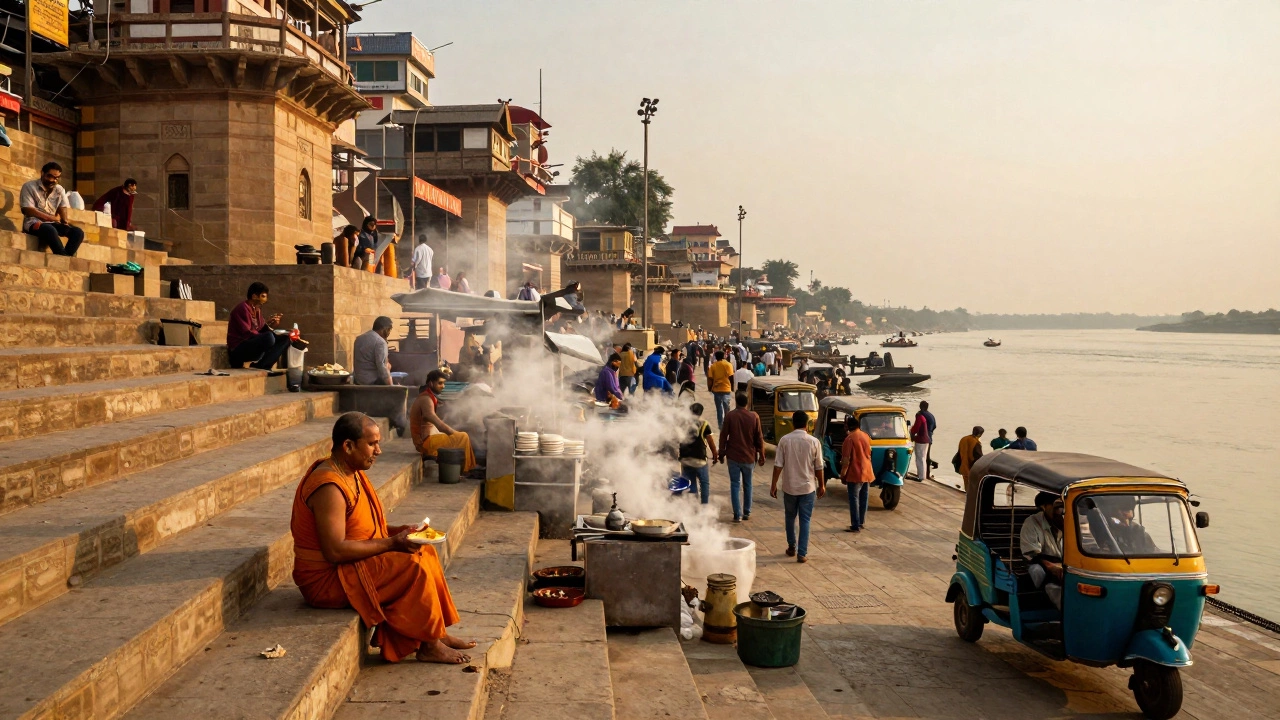
Imagine standing in the middle of a bustling street in Varanasi. The air smells like incense, diesel, and frying spices. A priest is chanting ancient Sanskrit verses while a rickshaw driver honks past you, weaving through a crowd that seems to move with its own rhythm. For many visitors from Europe, North America, or East Asia, this sensory overload isn’t chaos-it’s magic. It is the exact reason they keep coming back.
You might wonder why foreigners are so drawn to a country that can be as challenging as it is beautiful. Is it just the Taj Mahal? Sure, that helps. But if you look at the data from the Ministry of Culture and Tourism for 2025 and early 2026, the numbers tell a deeper story. Visitor arrivals have stabilized and grown, not because of cheap flights alone, but because travelers are seeking something they cannot find in their home countries: depth, contrast, and spiritual grounding.
This article breaks down the real reasons behind this attraction. We aren't talking about generic sightseeing. We’re looking at the psychological, cultural, and practical pull factors that make India a unique destination for the modern global traveler.
The Spiritual Anchor: Yoga, Ayurveda, and Self-Discovery
Let’s start with the big one: spirituality. India is often called the birthplace of yoga, but for many foreigners, it is also the place where they finally understand what it means. In the West, yoga has become a fitness trend-stretching in a quiet studio with soft music. Here, it is a way of life.
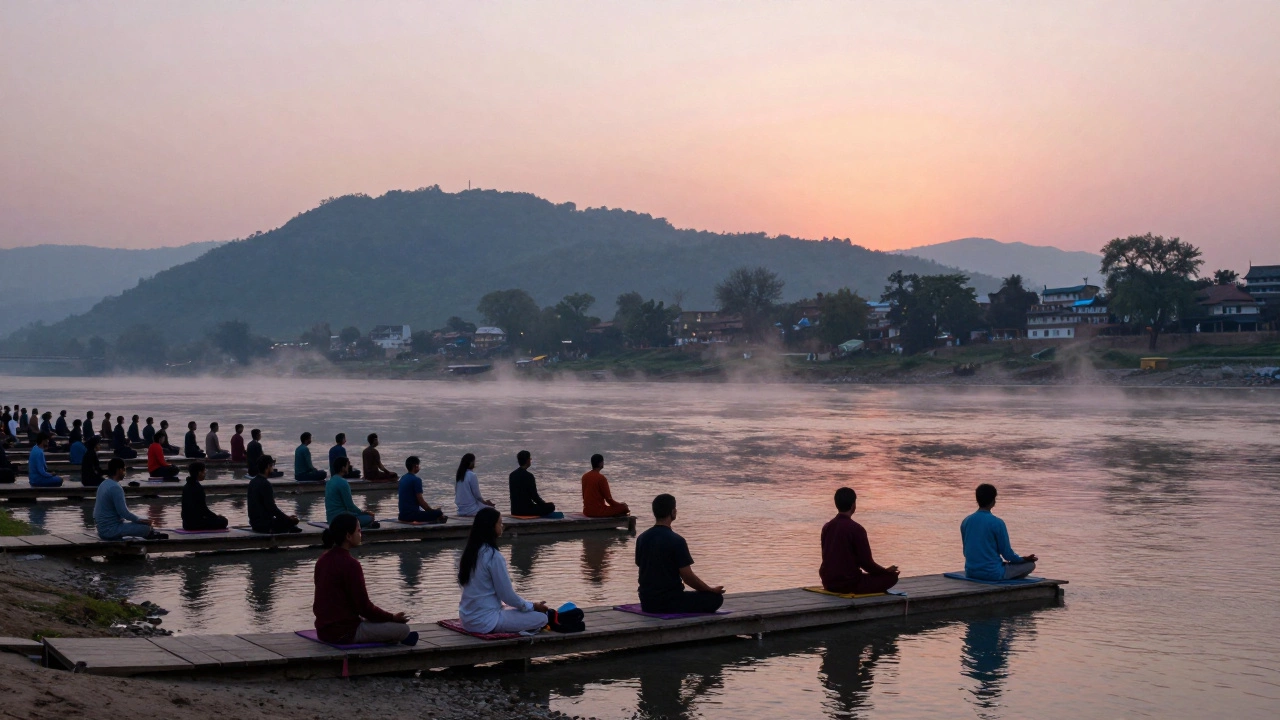
Travelers flock to Rishikesh, known as the Yoga Capital of the World. They don’t just come to learn poses; they come to sit by the Ganges River and feel connected to something larger than themselves. The concept of Ashrams-spiritual communities led by gurus-offers a structured path for self-discovery that feels authentic rather than commercialized.
Ayurveda plays a similar role. Unlike quick-fix wellness retreats in Bali or Thailand, Ayurvedic treatments in Kerala involve a complete overhaul of your diet, sleep schedule, and mindset. Visitors report that the personalized attention from practitioners, who diagnose them based on pulse and constitution (Doshas), provides a level of care they rarely experience elsewhere. This holistic approach to health is a major driver for medical tourists and wellness seekers alike.
Cultural Density: A Museum You Can Walk Through
India is not a single culture; it is a continent disguised as a country. For a foreigner traveling here, every state offers a different language, cuisine, architecture, and tradition. This cultural density is addictive for curious minds.
Consider the architectural marvels. You can spend a week exploring the stepwells and palaces of Rajasthan, built by Rajput kings and Mughal empires. Then, take a train south to Tamil Nadu, where Dravidian temples rise out of the landscape with intricate carvings depicting thousands of deities. The contrast between the arid forts of Jaisalmer and the lush backwaters of Alleppey creates a narrative arc that keeps travelers engaged.
Foreigners are particularly attracted to the living history. In places like Kerala or Odisha, traditional arts like Kathakali dance or Pattachitra painting are not just museum exhibits; they are performed daily in homes and community centers. This accessibility allows visitors to engage with art forms that have survived for centuries without being sanitized for mass consumption.
The Food Factor: A Culinary Journey Beyond Curry
If you think Indian food is just "curry," you haven’t traveled enough. One of the biggest attractions for foodies is the sheer diversity of regional cuisines. Each region has its own staple grains, spices, and cooking methods.
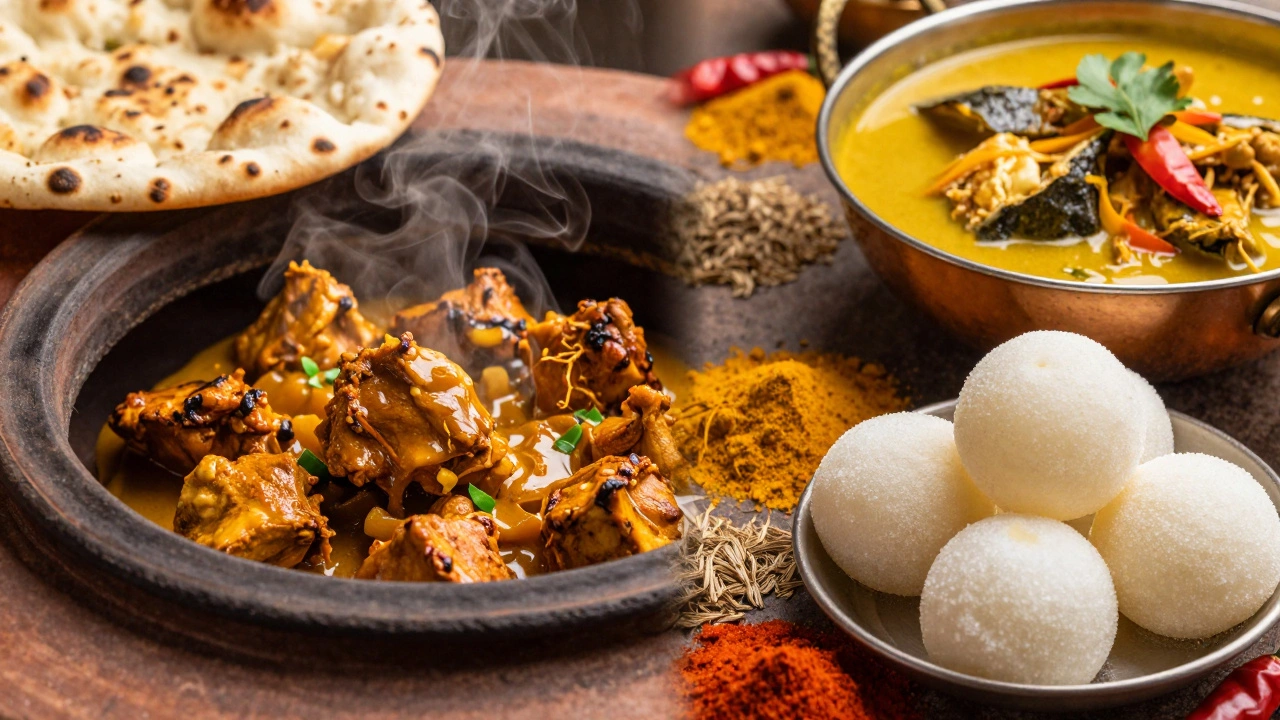
In the north, wheat dominates. Travelers fall in love with the tandoor ovens of Punjab, where naan bread is baked at high temperatures, creating a smoky flavor that pairs perfectly with butter chicken or dal makhani. Move east to Bengal, and the menu shifts to rice and fish, prepared with mustard oil and panch phoron (five-spice blend). The sweetness of Bengali sweets like Rosogolla contrasts sharply with the fiery vindaloos of Goa, which were influenced by Portuguese colonizers.
Street food is another major draw. For adventurous eaters, trying Pani Puri in Mumbai or Chole Bhature in Delhi is an adrenaline rush. The risk-reward dynamic of eating from a street vendor adds an element of excitement that restaurant dining lacks. Many foreigners return home with new favorite dishes, having learned to cook them from local guides or host families.
Adventure and Natural Diversity
India’s geography is incredibly varied, offering adventure opportunities that rival any country on Earth. From the Himalayas in the north to the tropical islands in the south, the landscape changes dramatically over short distances.
Trekking enthusiasts head to Ladakh or Uttarakhand. The Hampta Pass trek or the Valley of Flowers offer breathtaking views of snow-capped peaks and alpine meadows. These regions provide a stark contrast to the heat of the plains, offering cool climates and crisp air. For those who prefer water sports, the Andaman and Nicobar Islands are a paradise for scuba diving and snorkeling, with coral reefs that remain relatively untouched compared to other parts of Southeast Asia.
Wildlife tourism is also booming. National parks like Jim Corbett, Ranthambore, and Kaziranga offer chances to spot Bengal Tigers, Asian Elephants, and Rhinos. The government’s focus on eco-tourism has improved infrastructure, making safaris more comfortable while preserving the natural habitat. Seeing a tiger in the wild is a once-in-a-lifetime experience that drives significant international interest.
Cost Effectiveness and Value for Money
Let’s address the elephant in the room: money. India remains one of the most affordable destinations for foreign travelers. While inflation has raised prices in recent years, the value proposition is still unbeatable.
For the same budget that would cover a mid-range hotel and basic meals in London or New York, a traveler in India can stay in luxury heritage hotels, dine at fine restaurants, and hire private drivers. This economic disparity allows for a higher standard of living during the trip. Visitors can afford services like personal guides, spa treatments, and domestic flights, which enhances the overall experience.
This affordability is particularly attractive to digital nomads and long-term travelers. Cities like Coimbatore, Bangalore, and Goa have become hubs for remote workers who want to stretch their budgets while enjoying a high quality of life. Reliable internet cafes, co-working spaces, and a growing expat community make staying longer feasible.
The Human Connection: Hospitality and Warmth
Beyond sights and sounds, it’s the people who leave the deepest impression. Indians are known for their hospitality, often referred to as "Atithi Devo Bhava" (the guest is equivalent to God). This cultural norm means that foreigners are often treated with genuine curiosity and kindness.
Whether it’s a shopkeeper helping you negotiate a price or a family inviting you for dinner after seeing you explore their neighborhood, these interactions create memories that last a lifetime. The willingness of locals to share their stories, traditions, and homes makes the travel experience deeply personal. This human connection transforms a vacation into a meaningful exchange, fostering cross-cultural understanding and friendship.
| Attraction Category | Key Destinations | Primary Appeal |
|---|---|---|
| Spirituality & Wellness | Rishikesh, Kerala, Varanasi | Authentic yoga, Ayurveda, spiritual retreats |
| Cultural Heritage | Rajasthan, Tamil Nadu, Odisha | Palaces, temples, traditional arts |
| Culinary Diversity | Mumbai, Delhi, Kolkata, Goa | Regional cuisines, street food, spice markets |
| Adventure & Nature | Ladakh, Uttarakhand, Andaman | Trekking, wildlife safaris, diving |
| Value & Comfort | All major cities | Luxury on a budget, digital nomad friendly |
Navigating the Challenges: Why It Works Despite the Chaos
No discussion about India is complete without acknowledging the challenges. Traffic jams, hygiene concerns, and bureaucratic hurdles can be frustrating. So why do foreigners still come?
Because the rewards outweigh the difficulties. The resilience required to navigate India builds character. Learning to haggle, manage jet lag, and adapt to different time zones becomes part of the adventure. Moreover, the Indian government has made significant strides in improving tourist infrastructure. E-visas are now easier to obtain, airports have been upgraded, and safety measures for tourists have been enhanced.
Many travelers find that the initial shock wears off quickly, replaced by a sense of accomplishment and appreciation for the country’s complexity. The ability to handle chaos with humor and patience is a skill that translates back into everyday life, making the trip transformative in more ways than one.
Is India safe for foreign travelers?
Yes, India is generally safe for tourists, especially in popular travel circuits. However, like any large country, it requires common sense precautions. Avoid isolated areas at night, dress modestly in religious sites, and be cautious with food and water. Women travelers should exercise extra vigilance and consider guided tours or female-only accommodations in certain regions.
What is the best time to visit India?
The ideal time depends on your destination. October to March is best for North India (Delhi, Rajasthan) due to pleasant weather. November to February is perfect for South India (Kerala, Tamil Nadu). For hill stations like Shimla or Manali, June to September offers cool escapes from the summer heat.
Do I need a visa to visit India?
Most foreign nationals require an e-Visa, which can be applied for online before travel. The process is streamlined, and approvals are usually granted within 72 hours. Check the official Indian government website for the latest requirements specific to your nationality.
How much does a trip to India cost?
India is very affordable. A mid-range traveler can expect to spend $50-$100 per day, including accommodation, food, and transport. Luxury travel can range from $200-$500+ per day. Budget backpackers can manage on less than $30 per day if they stay in hostels and eat street food.
What are the top things to avoid when visiting India?
Avoid drinking tap water, buying illegal wildlife products, and engaging in political debates. Also, be wary of overly friendly strangers offering "help" in tourist hubs, as they may lead you to commission-based shops. Always use reputable taxi services or ride-hailing apps.