Wildlife Sanctuary Legitimacy Checker
Not all "sanctuaries" are created equal. Use this checklist to determine if the facility you are visiting (or planning to visit) prioritizes animal welfare over tourist entertainment. Answer the following questions honestly.
1. What is the primary source of animals?
2. Are direct interactions allowed?
3. Is there a release program?
4. Can animals hide from visitors?
5. Is the facility accredited?
Sanctuary Score
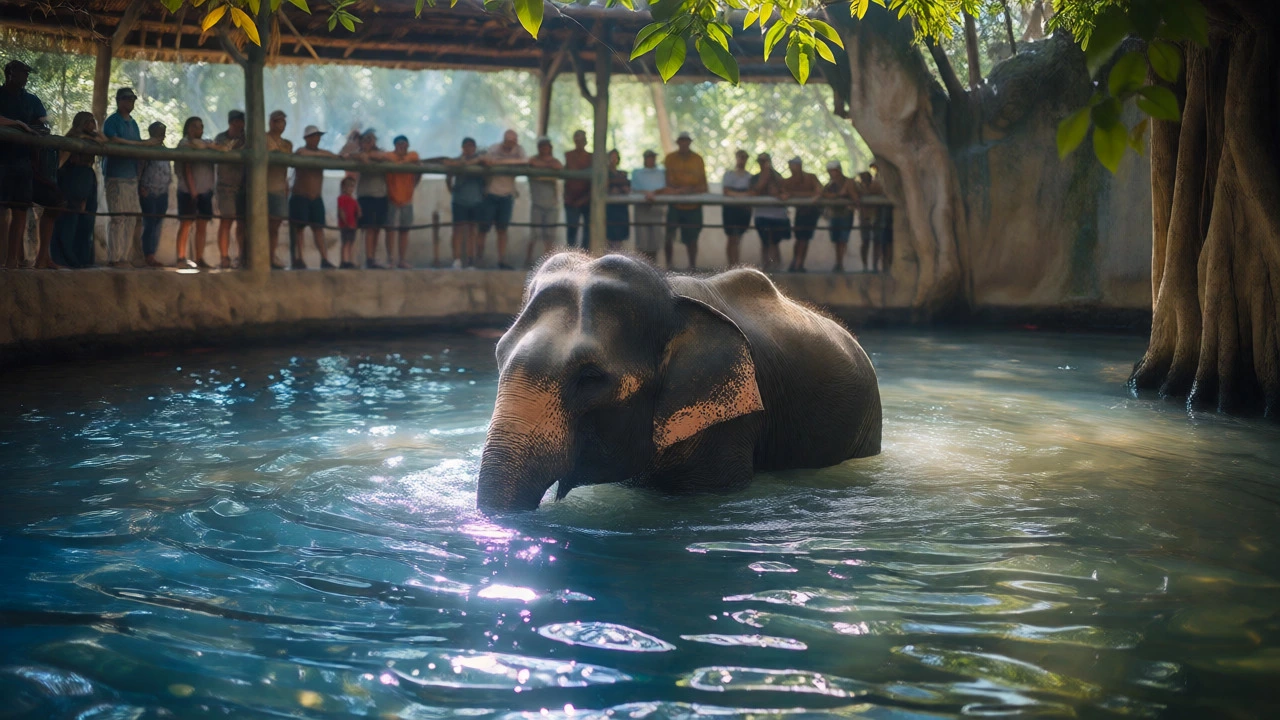
You walk into a wildlife sanctuary and see a tiger pacing behind glass or an elephant bathing in a river. It looks peaceful, right? But here is the uncomfortable truth: many animals in these places are there because they were already threatened before they arrived. The sanctuary itself doesn’t usually create the threat; it tries to stop it. However, not all sanctuaries are created equal. Some are genuine lifeboats for endangered species, while others are glorified zoos that prioritize tourist photos over animal welfare.
If you are wondering whether animals are safe or threatened inside these boundaries, the answer depends entirely on what kind of facility you are visiting and what "threat" you mean. Are we talking about immediate physical danger from predators? Or are we talking about the long-term threat of extinction? Let’s break down the reality of modern conservation, using data from organizations like the IUCN Red List, which tracks the global status of species.
The Difference Between Safe and Secure
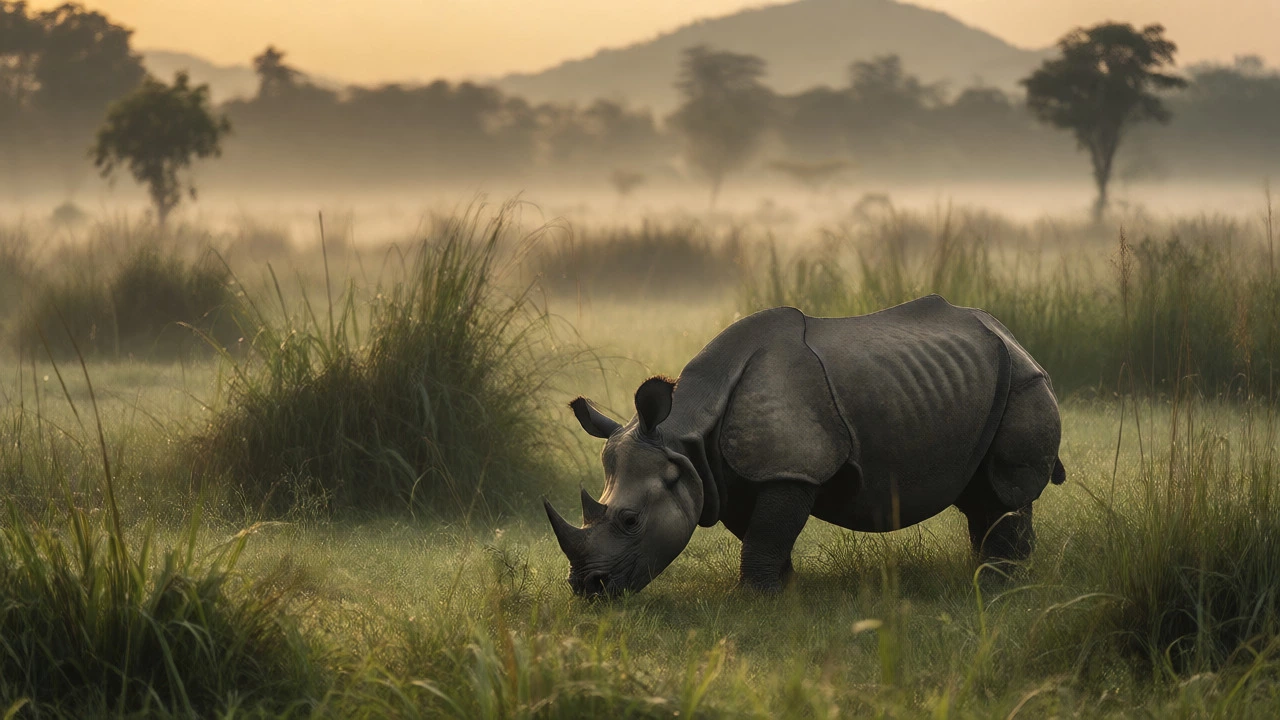
People often confuse "safe from immediate harm" with "secure from extinction." In a well-run sanctuary, an animal is safe from poachers, traffic accidents, and habitat loss caused by farming. That is a massive win. For example, the Greater One-Horned Rhinoceros was nearly wiped out in India due to hunting for its horn. Sanctuaries like Kaziranga National Park provided the security needed for their numbers to rebound from fewer than 200 individuals in the early 1900s to over 3,500 today.
But being "safe" inside a fence doesn’t mean the animal is thriving in the way nature intended. A confined space can lead to stress, behavioral issues, and limited genetic diversity. If a sanctuary holds only ten elephants and they are all related, those animals face a genetic bottleneck. This is a hidden threat. It means that even if no one hunts them, their population might collapse because they cannot breed healthily. So, when you ask if they are threatened, look at the genetic management plan, not just the fences.
What Makes a Sanctuary Legitimate?
Not every place calling itself a "sanctuary" deserves your money or trust. There is a big difference between a rehabilitation center, a zoo, and a true wildlife sanctuary. Here is how to spot the real deal:
- Rehabilitation Focus: Legitimate sanctuaries take in animals that cannot survive in the wild due to injury, orphaning, or illegal pet trade. They do not breed animals for display unless it supports conservation goals.
- No Direct Contact: You should rarely be allowed to touch, ride, or hug large mammals. If you see people riding tigers or taking selfies with lion cubs, it is likely a commercial operation, not a conservation-focused sanctuary.
- Transparency: Good facilities publish their conservation outcomes. Do they release animals back into the wild? How many? What is their mortality rate?
A common red flag is the presence of "cub petting." Baby animals are cute, but keeping them separated from mothers to keep them small and manageable for tourists causes significant psychological distress. This practice suggests the business model relies on continuous breeding, which creates more animals than the sanctuary can properly care for in the long term.
Inside the Threat Landscape
Animals in sanctuaries face specific threats that differ from those in the wild. While they avoid cars and chainsaws, they encounter new risks. Disease transmission is a major concern. When wild animals congregate in smaller areas, parasites and viruses spread faster. For instance, canine distemper has devastated populations of free-ranging dogs and wild carnivores in some Asian sanctuaries because domestic dogs weren't vaccinated before entering the zone.
Another issue is human-wildlife conflict at the edges. Many sanctuaries are surrounded by villages. Elephants might raid crops, leading farmers to poison water sources. Lions might stray outside the boundary and attack livestock, resulting in retaliatory killings. So, an animal can be "safe" inside the core zone but still threatened by the community living next door. Effective sanctuaries invest heavily in buffer zones and community engagement programs to mitigate this.
Comparing Facility Types
To help you decide where to visit, let’s compare the three main types of animal facilities. Each has different implications for animal safety and conservation impact.
| Feature | Zoo | Wildlife Sanctuary | National Park |
|---|---|---|---|
| Primary Goal | Education & Entertainment | Rescue & Rehabilitation | Ecosystem Preservation |
| Animal Origin | Bred in captivity or traded | Injured, orphaned, or confiscated | Wild-born (mostly) |
| Space per Animal | Low (Enclosures) | Moderate to High | Very High (Natural Range) |
| Release Potential | Rarely released | High (if healthy) | N/A (Already wild) |
| Threat Level | Stress from confinement | Disease & Genetic limits | Poaching & Habitat loss |
As the table shows, each option carries different risks. Zoos offer high visibility but low autonomy. National parks offer freedom but high external threats. Sanctuaries sit in the middle, trying to balance care with natural behavior. Your choice as a visitor influences which model gets funded.
The Role of Funding and Ethics
Money talks. Most sanctuaries rely on donations and tourism revenue. If a facility stops attracting visitors, it loses funding for veterinary care, food, and staff. This creates a paradox: to save animals, they need humans to watch them, but too many humans cause stress. Successful sanctuaries manage this by limiting visitor numbers, creating viewing hides, and scheduling quiet hours.
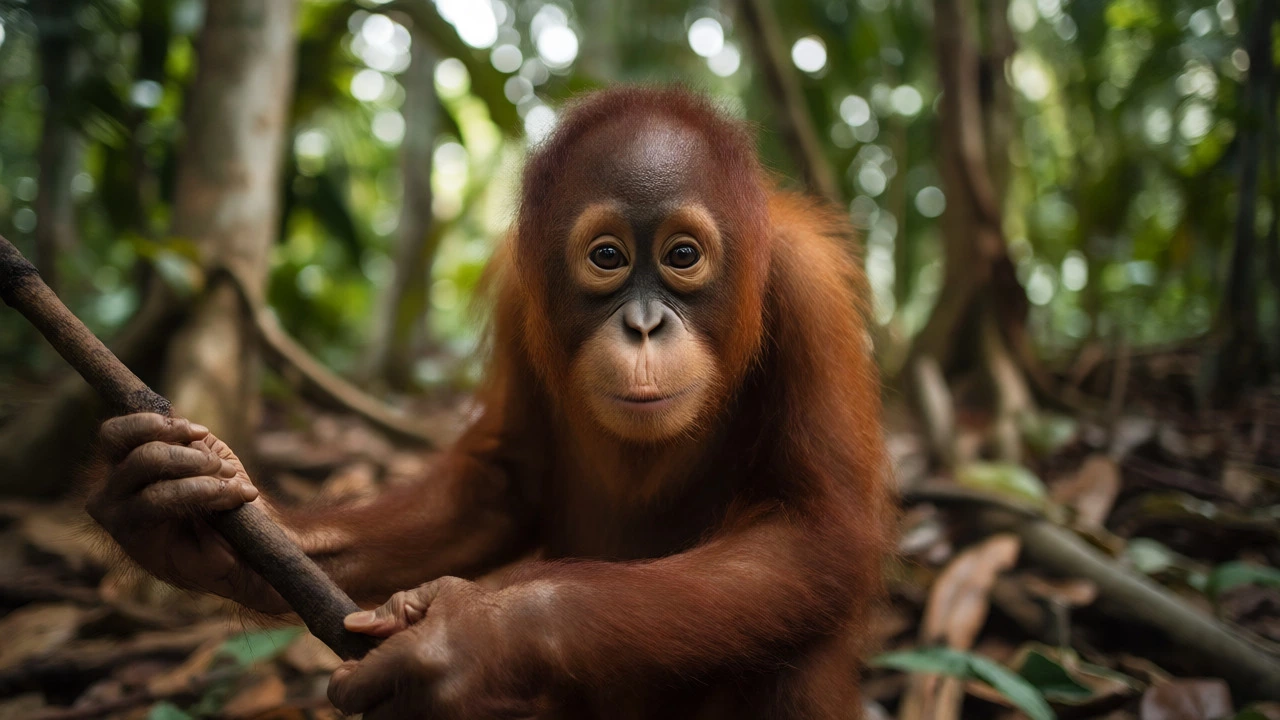
Consider the case of orangutans in Borneo. Organizations like the Borneo Orangutan Survival Foundation rescue babies whose mothers were killed by palm oil plantations. These young apes spend years learning survival skills in semi-wild forests before being released. During this time, they are technically "threatened" by their inability to feed themselves, but the sanctuary provides the bridge to independence. Without this intervention, they would have died as infants. With it, they have a chance to return to the wild. This is a clear example of sanctuary work reducing the ultimate threat of extinction.
How to Verify a Sanctuary's Impact
Before you book a trip, do a quick background check. Look for accreditation from bodies like the Global Federation of Animal Sanctuaries (GFAS) or local equivalents. These groups audit facilities against strict criteria regarding housing, diet, and veterinary access.
Ask these questions when planning your visit:
- Do they breed animals? If yes, why? Is it for conservation or to replace sold-out babies?
- Where do the animals come from? Were they rescued from illegal trade, or bought from other zoos?
- Can animals hide from visitors? Ethical design always includes escape routes from human eyes.
- Is there a release program? Even if few animals go back, having a plan shows a commitment to wildness.
If a website highlights "interactive experiences" more than "conservation stats," proceed with caution. True conservation is often messy, dirty, and far from camera-ready. It involves vet surgeries, quarantine periods, and hard choices about which animals can survive alone.
Final Thoughts on Animal Welfare
Are animals safe in a wildlife sanctuary? Physically, usually yes. Emotionally and genetically, it depends on the quality of management. The greatest threat isn't necessarily a predator or a hunter; it's poor stewardship. As travelers, we hold power. By choosing reputable sanctuaries that prioritize animal autonomy over photo ops, we support a model where animals aren't just surviving, but recovering their dignity.
Next time you see a sign saying "Sanctuary," pause. Look closer. Does it feel like a home for the displaced, or a stage for the curious? Your ticket price goes toward one or the other. Make sure it goes to the former.
Are all wildlife sanctuaries good for animals?
No. Quality varies widely. Some are non-profit rescues focused on rehabilitation, while others are commercial attractions that may prioritize profit over welfare. Always check for accreditation from recognized bodies like the Global Federation of Animal Sanctuaries.
Why do animals in sanctuaries sometimes look stressed?
Stress can result from overcrowding, lack of hiding spots, noise from tourists, or inappropriate social grouping. Poor enclosure design that doesn't mimic natural habitats also contributes to stereotypic behaviors like pacing.
Can animals released from sanctuaries survive in the wild?
Yes, if the sanctuary has a proper rehabilitation program. Animals must learn to hunt, avoid predators, and interact socially before release. Success rates vary by species, but well-managed programs achieve high survival rates for birds and primates.
Is it ethical to visit a wildlife sanctuary?
It can be, if done responsibly. Visiting reputable sanctuaries funds their operations. However, avoid facilities that allow direct contact with wild animals, such as riding elephants or holding tiger cubs, as these practices often indicate exploitation rather than conservation.
What is the biggest threat to animals inside a sanctuary?
Disease and genetic bottlenecks are major internal threats. Because animals live in closer proximity than in the wild, illnesses spread faster. Additionally, small populations limit genetic diversity, making future generations more vulnerable to health issues.