
Every traveler asks the same thing: best time to visit Bali. Is it better to soak up the sun on Kuta Beach in July or experience the mystical silence of Nyepi in March? The answer depends on weather, crowd density, and your budget. This guide walks you through each month, shows you what to expect, and helps you pick the perfect window for your Bali adventure.
Why Timing Matters
Choosing the right month can turn a good trip into an unforgettable one. During the Dry Season (April to October) you’ll enjoy sunny skies and clear seas, ideal for surf, snorkeling, and temple visits. The Wet Season (November to March) brings rain showers, greener landscapes, and fewer tourists, which can mean lower accommodation rates.
Weather Overview by Month
| Month | Avg Temp (°C) | Rainfall (mm) | Tourist Crowd | Typical Cost Index |
|---|---|---|---|---|
| Jan | 27 | 300 | Low | 0.8 |
| Feb | 27 | 280 | Low | 0.8 |
| Mar | 27 | 250 | Medium | 0.9 |
| Apr | 28 | 130 | Medium | 1.0 |
| May | 28 | 80 | Medium | 1.0 |
| Jun | 27 | 60 | High | 1.2 |
| Jul | 27 | 50 | High | 1.3 |
| Aug | 27 | 70 | High | 1.3 |
| Sep | 27 | 120 | Medium | 1.1 |
| Oct | 27 | 170 | Medium | 1.0 |
| Nov | 27 | 220 | Low | 0.9 |
| Dec | 27 | 260 | Low | 0.8 |
Temperatures stay warm year‑round, but the amount of rain and the crowd factor shift dramatically. Use the table as a quick reference when matching your travel style to a month.
Month‑by‑Month Breakdown
- January‑February: Heavy rains, lush valleys, and the lowest prices. Great for budget travelers who don’t mind occasional downpours. Expect fewer crowds at popular spots like Kuta Beach.
- March: The Nyepi (Balinese Day of Silence) usually falls in March. The island shuts down for 24 hours - no flights, no traffic, no streetlights. It’s a rare cultural experience, but you’ll need to plan ahead.
- April‑May: Transition to the dry season. Pleasant weather, moderate crowds, and good deals. Ideal for exploring the rice terraces around Ubud and hiking Mount Batur for sunrise.
- June‑August: Peak tourist months. Sun shines most days, and the sea is calm - perfect for surfing, diving, and beach parties. Prices peak, and you’ll need to book accommodations weeks in advance.
- September‑October: Shoulder season. Weather is still dry, but crowds thin out after August. You’ll find lower rates and a relaxed vibe, while still enjoying beach activities.
- November‑December: Rain returns, but it’s usually short, heavy showers followed by sunshine. Holiday season brings a festive atmosphere, especially in beachfront towns.

Price & Crowd Insights
Flight costs to Bali fluctuate with the season. Airlines like Garuda Indonesia and AirAsia often discount seats during the wet season, dropping fares by up to 30%. Accommodation follows a similar pattern: boutique resorts in Seminyak charge 20‑40% more per night during July-August compared to February.
If you’re watching the Indonesian Rupiah exchange rate, a stronger rupiah can stretch your budget further. As of October 2025, 1 USD ≈ 15,400 IDR, making mid‑year travel slightly pricier for cash‑based purchases.
Best Month Recommendations
- For Sun‑Seekers: June, July, August - guaranteed dry weather, vibrant nightlife, and optimal surf conditions.
- For Budget Travelers: January, February, November - low prices, fewer tourists, and lush scenery after the rains.
- For Cultural Immersion: March (Nyepi) or the week of the Balinese culture festivals like Galungan (usually in June) and Kuningan (May).
- For Outdoor Adventurers: April, May, September - moderate crowds, reliable weather, and the best conditions for trekking and cycling.
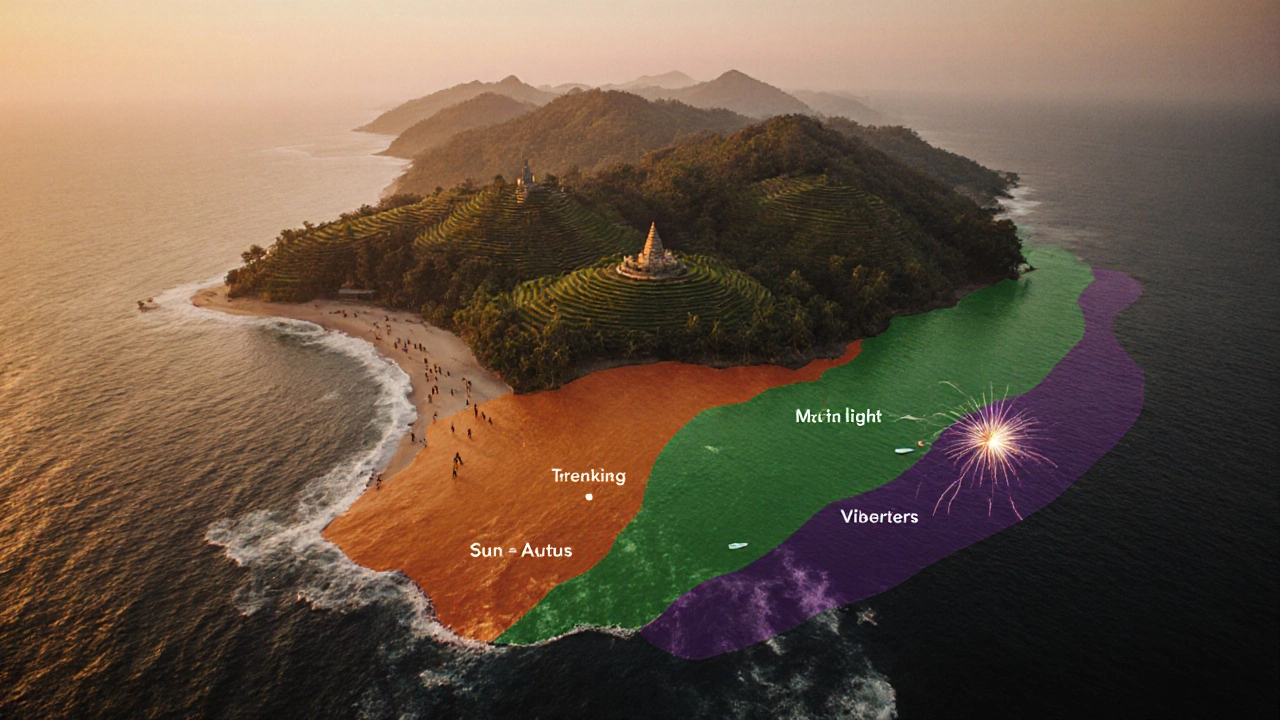
Travel Tips for Your Chosen Month
- Book flights at least 8‑10 weeks ahead for peak months; use fare‑watch tools for the wet season.
- Reserve beachfront villas early if traveling July‑August; consider inland stays in Ubud for a quieter experience.
- Pack a lightweight rain jacket for the wet months; quick‑dry shirts are a lifesaver.
- Bring enough cash in Rupiah for markets and small eateries; many remote areas don’t accept cards.
- Check local festival calendars. Participating in Nyepi or Galungan adds a unique cultural layer to your trip.
Key Takeaways
- Dry season (April‑October) offers the best beach weather, but prices and crowds peak in July‑August.
- Wet season (November‑March) brings lower costs, greener landscapes, and occasional cultural festivals.
- Choose June‑August for sun, January‑February for budget, March for a cultural slowdown, and April‑May or September‑October for a balanced experience.
- Monitor airline promotions from Garuda Indonesia and AirAsia, and watch the Rupiah exchange rate for the best value.
What is the weather like in Bali during July?
July falls squarely in the dry season. Expect sunny days, temperatures around 27 °C, and minimal rainfall. Sea conditions are calm, perfect for diving and surfing.
Is it safe to travel to Bali during the rainy season?
Yes, but plan for short, heavy showers. Roads can be slick, so allow extra travel time. The rain also means fewer tourists and lower prices, making it a good time for cultural sites and jungle treks.
When is Nyepi and how should I prepare?
Nyepi usually lands in March. The whole island shuts down for 24 hours - no flights, no traffic, no outdoor lights. Book accommodation that includes a quiet room, bring snacks, and respect the silence. It’s a rare glimpse into Balinese spirituality.
Which month offers the best value for accommodation?
January, February, and November typically see the lowest nightly rates - up to 30 % cheaper than the peak July‑August window.
Do I need a visa to visit Bali in 2025?
Most tourists from the US, EU, and many Asian countries receive a free 30‑day visa on arrival. Check the latest Indonesian immigration rules before you travel.