India Budget Calculator
Calculate Your India Travel Budget
Estimated Budget
Note: These estimates are based on the article's recommendations. Actual costs may vary depending on your choices and destinations.
Planning a trip to India on a budget isn’t just about saving money-it’s about smart choices that let you experience the real India. From bustling markets in Delhi to quiet temple towns in Kerala, you can see more, spend less, and still feel completely immersed. But if you show up unprepared, even the cheapest flights and hostels can turn into expensive headaches. Here’s how to actually get ready-no fluff, just what works.
Get the right visa before you book anything
India’s e-Visa system is simple, but timing matters. Apply online at least 4 weeks before departure. The tourist e-Visa costs $80 USD and is valid for 180 days. Don’t wait until your flight is booked-delays happen. I’ve seen travelers stuck at airports because they applied the day before. Make sure your passport has at least six months left on it, and bring two blank pages. You’ll need a digital photo (35x35mm, white background) and a scanned copy of your passport’s bio page. No need for a travel agent. Do it yourself. The government site is clear, and the approval email comes in under 72 hours most times.
Book flights smart-not cheap
Flights from Australia to India can hit $1,200 AUD if you wait. But if you’re flexible, you can find deals under $700 AUD round-trip. Set up price alerts on Google Flights and Skyscanner. Look for routes through Dubai, Doha, or Singapore-these often have lower fares than direct flights. Avoid flying during Diwali, Holi, or Christmas. Prices spike 300% during those times. Midweek flights (Tuesday-Thursday) are usually cheaper than weekends. Book 3-5 months ahead. Don’t get fooled by ‘$399 deals’ that only include carry-on luggage. Budget airlines like IndiGo and Air India Express offer good value if you know their rules: no free checked bags, strict weight limits (15kg), and high change fees.
Pack light, but pack smart
Forget packing for three seasons. India’s climate is mostly hot and humid, even in winter. Pack two pairs of quick-dry pants, 4-5 breathable cotton tops, one light jacket for cooler mornings in the north, and a scarf for temple visits (women need to cover shoulders). Sandals are fine, but bring one sturdy pair for uneven paths. No need for fancy hiking boots. A 40L backpack is enough. You can buy anything else there-saris, spices, sarongs-at 1/10th the price of home. Bring a small first-aid kit: rehydration salts, anti-diarrhea meds, antiseptic wipes, and painkillers. Tap water isn’t safe, so carry a portable water filter or purification tablets. A lightweight, collapsible water bottle saves space and money.
Learn the basics of local currency and payment habits
India still runs on cash, especially outside big cities. Withdraw rupees from ATMs using your Australian debit card. Most ATMs accept Mastercard and Visa. Avoid currency exchange booths at airports-they offer terrible rates. Use a no-foreign-transaction-fee card like NAB or ING. Keep small bills handy: 50, 100, and 200 rupee notes. Vendors won’t always have change for a 1000-note. Apps like Paytm and Google Pay are popular, but tourists rarely need them. Tipping isn’t required, but 20-50 rupees for good service is appreciated. Always carry change in your pocket. If you’re using a credit card, check if the merchant adds a 2-3% surcharge. Ask before you pay.
Choose where to stay based on your vibe
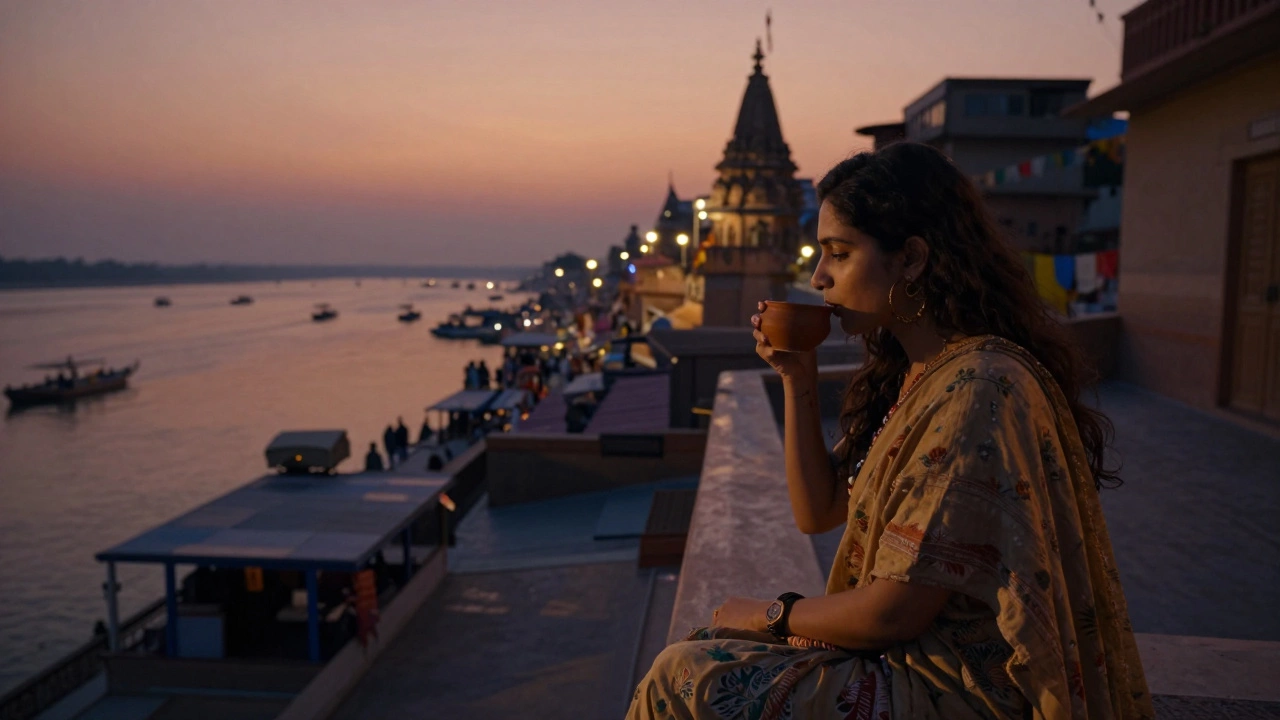
Hostels in India start at $5 AUD/night. In Goa, you’ll find beach shacks with fans and shared bathrooms for under $10. In Varanasi, guesthouses along the Ganges offer rooftop views for $8. Use Hostelworld or Booking.com to compare. Avoid hotels that say “Western standard”-they’re overpriced. Look for places with free breakfast. Many budget stays include chai and parathas in the morning. If you’re traveling solo, pick hostels with kitchen access. Cooking your own dal and rice cuts daily costs to $3-$5. In smaller towns, ask locals for homestays. You’ll pay $15-$20 a night, get a home-cooked meal, and meet real people. Don’t book everything in advance. Leave room to change plans based on what you discover.
Eat like a local, not a tourist
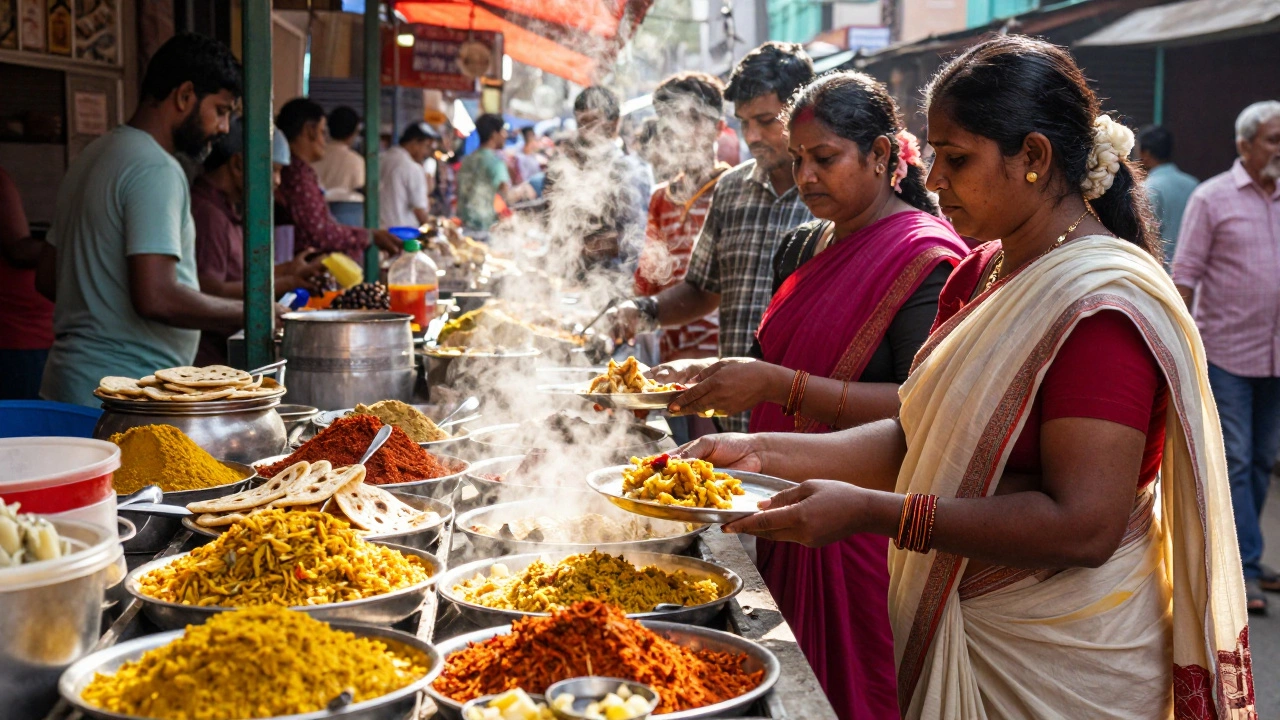
Street food in India is safe if you follow two rules: look for busy stalls, and eat it hot. If locals are lining up, it’s good. Avoid raw salads, unpeeled fruit, and ice in drinks unless you’re sure the water is filtered. Try dhabas-roadside eateries run by families. A full meal of dal, roti, and veggies costs $1.50-$3. In cities, food courts in malls (like in Bangalore or Hyderabad) are clean, air-conditioned, and cheap. Don’t skip chai. A cup costs 10-20 rupees. It’s everywhere. For snacks, grab samosas, pani puri, or bhel puri from street carts. Avoid restaurants with picture menus-they’re tourist traps. Use Google Maps to find places rated 4.5+ by locals. Look for reviews that say “tasted like my grandma’s” or “no tourists here.”
Use local transport, not tourist taxis
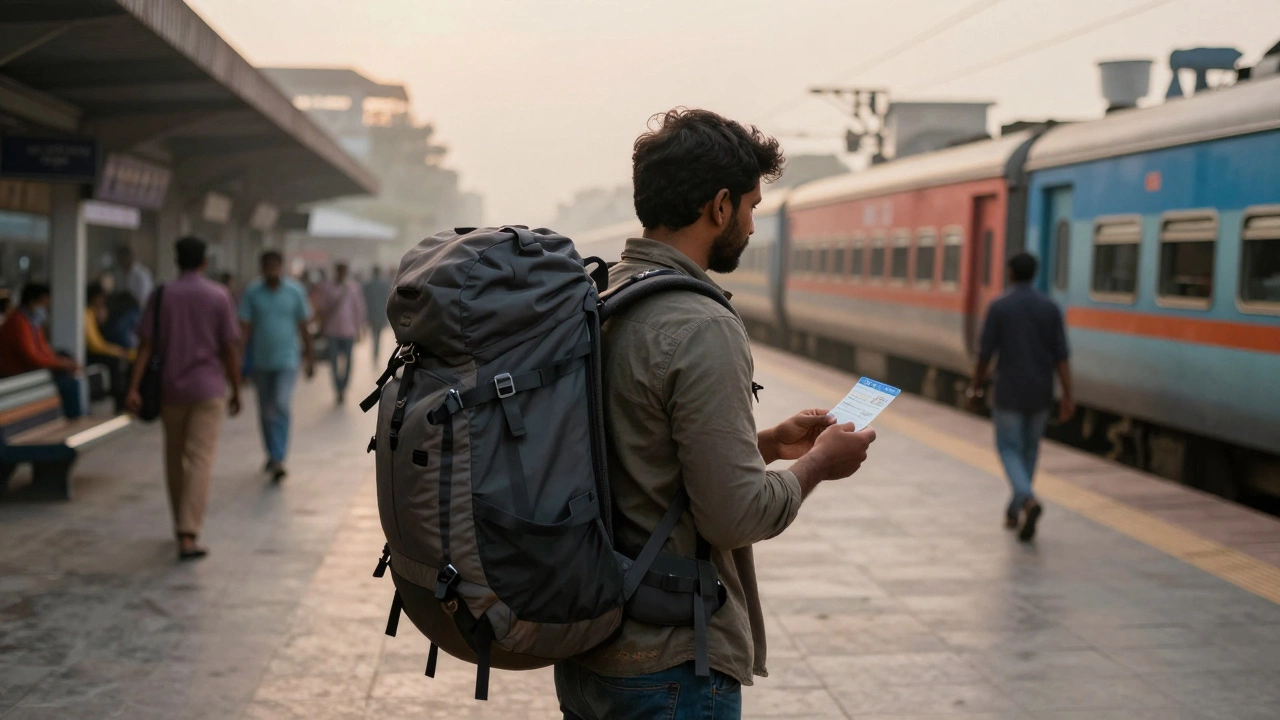
Long-distance trains are the cheapest and best way to see India. A 12-hour journey from Delhi to Jaipur in third-class AC costs $15 AUD. Book on IRCTC’s website-it’s reliable. Avoid third-party apps that charge extra fees. For shorter trips, use auto-rickshaws. Always agree on the fare before you get in. In big cities, use Uber or Ola-they’re cheaper than taxis and show the price upfront. Never take unmarked cabs. Buses are even cheaper but slower. If you’re on a tight budget, overnight buses save you a night’s accommodation. In rural areas, shared jeeps and local trains are the norm. Ask your hostel host for advice-they know the routes.
Know what to expect culturally
India isn’t just a destination. It’s a sensory overload. You’ll hear horns, smell spices, and see colors you’ve never seen before. Dress modestly, especially in temples and villages. Cover your shoulders and knees. Remove shoes before entering homes and temples. Don’t touch people’s heads-it’s considered disrespectful. Use your right hand for eating and handing things over. Left hand is for cleaning. Don’t point your feet at religious statues. If you’re offered food or tea, accept it-it’s a sign of hospitality. Saying “no” too directly can hurt feelings. A simple “thank you, I’m full” works. Don’t take photos of people without asking. Many rural communities are wary of cameras. And never argue with a street vendor. Haggling is expected, but keep it light. Start at 40% of the asking price and smile. They’ll meet you halfway.
Track your spending without overthinking
You don’t need an app to budget. Just carry a notebook. Write down every expense: chai, bus fare, snack, hotel. At the end of the week, add it up. Most budget travelers spend $25-$35 AUD per day in India, including accommodation, food, and local transport. If you’re skipping fancy tours and sticking to public transit, you can go as low as $18. If you want to splurge on a train ride to Mysore or a cooking class in Kerala, that’s fine-just plan for it. Keep 10% of your budget for emergencies. Lost phone? Medical trip? A 2000-rupee buffer ($40) covers most surprises. And remember: the best things in India are free-sunrise over the Ganges, a quiet temple courtyard, a child laughing on a train.
Do I need travel insurance for India?
Yes. India’s public hospitals are overcrowded and often lack English-speaking staff. Private clinics are affordable, but you’ll pay out-of-pocket without insurance. Get a policy that covers medical evacuation, trip delays, and lost luggage. Companies like World Nomads and SafetyWing offer plans for under $50 AUD for a month. Don’t assume your Australian Medicare covers you abroad-it doesn’t.
Is it safe to travel alone in India as a woman?
Yes, with smart habits. Avoid isolated areas at night. Use reputable transport. Stay in hostels with female-only dorms if you’re nervous. Dress modestly and avoid drawing attention. Most people are respectful, but harassment can happen-especially in crowded places. Keep your phone charged and your route planned. Tell someone where you’re going. Many solo female travelers have had amazing, safe experiences in India. It’s not about fear-it’s about awareness.
What’s the best time of year to visit India on a budget?
October to March is the peak season, but prices are still lower than in Europe or Southeast Asia. For the deepest discounts, go in late September or early April. The monsoon hits parts of India from June to August, but in places like Kerala and Goa, it’s lush and quiet. Fewer tourists mean lower prices. Just avoid coastal areas during heavy rain. The north-Delhi, Rajasthan-is dry and cool in winter. That’s when most travelers go. If you want fewer crowds and lower costs, pick shoulder months.
Can I use my Australian phone in India?
Yes, if your phone is unlocked. Buy a local SIM card at the airport or a telecom shop. Airtel and Jio are the best networks. A 10GB data plan costs about $10 AUD and lasts a month. You’ll need your passport to register. Most hotels offer free Wi-Fi, but it’s slow. Having a local number lets you use Uber, book trains, and message hosts. Don’t rely on roaming-it’s expensive.
How much cash should I bring from Australia?
Bring $200-$300 AUD in cash for your first few days. ATMs are widely available, but some rural ones run out. You can withdraw up to 20,000 rupees ($400 AUD) per transaction. Once you’re settled, use your debit card. Don’t carry large amounts. Keep cash in a money belt or hidden pouch. Credit cards work in hotels and big shops, but not in markets or small restaurants.
Next steps: What to do after you arrive
Land in Delhi, Mumbai, or Bangalore. Head to an ATM. Withdraw 5,000 rupees. Buy a local SIM. Download Google Maps offline for the cities you’re visiting. Find your hostel. Ask the owner for a list of cheap eats nearby. Walk around. Don’t rush. The first day is about adjusting. Sleep well. Eat something light. Drink bottled water. Then, tomorrow-you start exploring. India doesn’t need you to have a plan. It just needs you to show up.